Executive Overview: A New Benchmark in Portable Audio
In the hyper-competitive ecosystem of personal mobile accessories, the line between a standard peripheral and an essential hardware companion has become increasingly blurred. Samsung, a titan in the Android space, has long sought to bridge this gap, and with the release of the Galaxy Buds 4 Pro, they have arguably hit their stride. As consumer expectations for high-fidelity audio, seamless connectivity, and robust noise cancellation reach an all-time high, the Galaxy Buds 4 Pro arrive as a definitive answer to the market’s demands.
Following a surge in popularity that saw the Pro model account for 90% of the sales within the new Buds 4 series—surpassing 100,000 units in the weeks following its launch—it is clear that the "Pro" designation is no longer just a marketing suffix. It represents a tangible shift in engineering, characterized by the integration of sophisticated dual-driver architecture, the implementation of the UHQ (Ultra-High Quality) codec, and a refined industrial design that prioritizes both ergonomics and acoustic performance. With early Black Friday promotions currently slashing prices by nearly 30% on platforms like Amazon, the barrier to entry for this flagship experience has never been lower, making this a pivotal moment for both Samsung and the mobile audiophile.
A Detailed Chronology: From Concept to Consumer Success
The journey of the Galaxy Buds 4 Pro began with a mandate from Samsung’s audio division: to outperform the established benchmarks set by the Buds 3, which had already established a strong, albeit iterative, foundation.
The Development Phase
Samsung’s R&D focused heavily on internal volume management. By expanding the woofer size by 20%, engineers created a larger acoustic chamber, allowing for deeper bass response and reduced distortion at higher volumes. Unlike previous iterations that struggled with mid-range muddiness, the Buds 4 Pro were designed to maintain clarity through a more sophisticated crossover system, effectively separating frequencies to ensure that vocals and instruments occupy their own distinct soundstages.
Launch and Market Reception
Upon their official release, the market response was immediate. The narrative surrounding the product shifted quickly from a standard iterative update to a must-have accessory for Galaxy smartphone users. The "Pro" distinction was validated not just by spec sheets, but by real-world usage—particularly in the realm of active noise cancellation (ANC). By utilizing an array of six microphones, the buds were able to isolate environmental noise with unprecedented precision, effectively creating a "silence bubble" that previous models simply could not replicate.
The Current Pricing Catalyst
As we move into the Q4 holiday shopping window, Amazon’s decision to drop the price of the Pro model to the standard price point of the base Galaxy Buds 4 has fundamentally altered the competitive landscape. This pricing strategy has served as a powerful incentive, effectively cannibalizing the entry-level market segment in favor of the premium experience, driving a massive spike in adoption rates as consumers realize the value proposition of the Pro model is now unrivaled at its current price tier.
Supporting Context & Metrics: The Science Behind the Sound
To understand why the Galaxy Buds 4 Pro have gained such traction, one must look at the technical specifications that differentiate them from the competition.
Acoustic Architecture
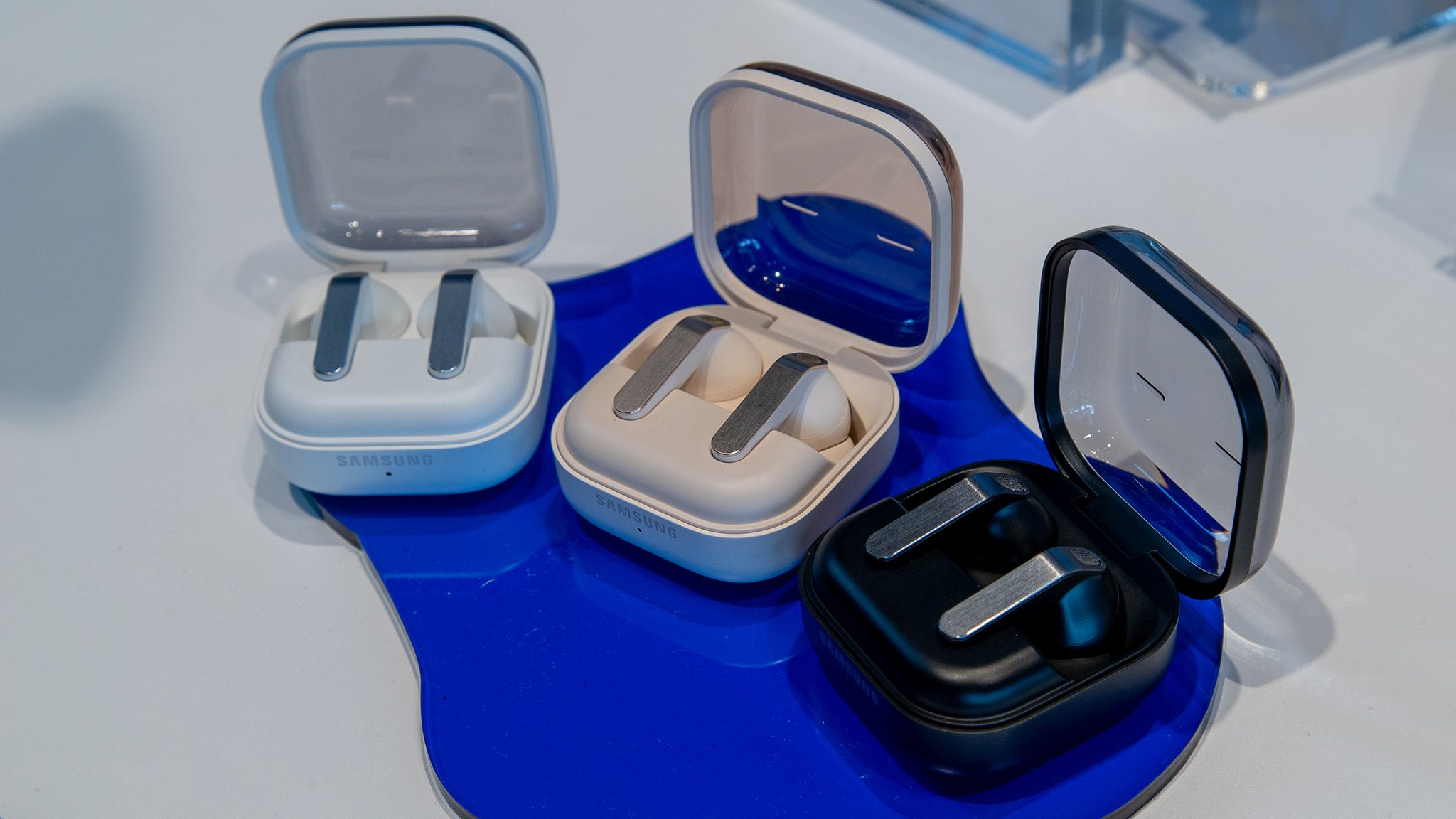
The inclusion of dual drivers—a dedicated tweeter and a wider, re-engineered woofer—allows for a frequency response range that captures nuanced highs and resonant lows. The support for the Samsung Seamless Codec (SSC) UHQ is the linchpin here; it allows for high-bitrate audio transmission that minimizes compression artifacts. For users of the latest Samsung flagship handsets, this translates to a listening experience that rivals dedicated wired monitors.
Battery and Connectivity Efficiency
Battery life has historically been the Achilles’ heel of compact wireless earbuds. The Buds 4 Pro combat this with a power-efficient chipset that manages energy consumption dynamically. With up to 30 hours of playback time (inclusive of the charging case, with ANC toggled off), the device comfortably handles the demands of long-haul travel and extended professional use.
The "Pro" Feature Set
- Adaptive Ambient Sound: The buds utilize AI-driven processing to detect when the user is speaking, automatically lowering the volume of media and boosting the frequency of human voices, ensuring that conversations can be held without removing the earbuds.
- Ergonomic Control Placement: By migrating touch controls to the body of the earbuds rather than the stem, Samsung has mitigated the common issue of "accidental input" during adjustment, a design choice that significantly improves the user experience.
- Microphone Array: The six-microphone setup is not merely for noise cancellation; it is a sophisticated beamforming array that isolates the user’s voice during calls, filtering out wind and ambient street noise with a high degree of efficacy.
Official Perspectives and User Considerations
While the accolades for the Buds 4 Pro are numerous, a critical, balanced assessment remains necessary. Samsung’s official stance has been one of "holistic integration," emphasizing that these buds are best experienced within the "Galaxy Ecosystem."
The "Eartip Dilemma"
Despite the technological triumphs, our investigation into user feedback reveals a recurring point of friction: the fit. While the sound quality is top-tier, the physical form factor—specifically the selection of provided silicone eartips—has proven divisive. A subset of users report difficulty in achieving a reliable seal, which is paramount for both ANC performance and bass response. For potential buyers, the "skip this deal" warning remains valid if you are someone with unique ear canal geometry who has historically struggled with universal-fit in-ear monitors.
The Ecosystem Constraint
It is essential to note that a significant portion of the Buds 4 Pro’s "intelligence" is software-locked. The advanced codec support, automated ear-detection features, and deep integration with the sound equalizer are tied to the latest Samsung One UI versions. Users operating on older Android hardware, or those outside the Samsung ecosystem entirely, will find that the earbuds function as standard Bluetooth devices, losing much of the functionality that justifies the "Pro" price tag.

Future Outlook: The Evolution of the Personal Audio Accessory
Looking ahead, the Galaxy Buds 4 Pro represent a transition point in the industry. As we move into 2025, the trend of "software-defined hardware" will only accelerate. We expect future iterations to further lean into machine learning for personalized audio profiles, where the earbuds automatically calibrate themselves to the unique acoustic signature of the user’s ear canal.
Furthermore, the integration of generative AI features—such as real-time language translation and AI-enhanced noise suppression—will likely become the new baseline for "Pro" audio products. Samsung has laid the groundwork for this transition with the Buds 4 Pro. By moving the processing power closer to the ear, they have opened the door for a future where earbuds act as personal assistants rather than just output devices.
Final Verdict
For the current consumer, the choice is clear. If you are already within the Samsung Galaxy ecosystem and prioritize high-fidelity sound, superior noise cancellation, and a feature-rich interface, the current Black Friday pricing makes the Galaxy Buds 4 Pro an essential acquisition. They are not merely an upgrade; they are a maturation of the wireless earbud format. However, for those who value universal compatibility or struggle with the physical limitations of standardized silicone tips, it may be prudent to exercise caution.
As the market continues to evolve, the Galaxy Buds 4 Pro will likely be remembered as the moment Samsung solidified its dominance in the premium audio segment, setting a high bar that competitors will be chasing for the next several cycles. For now, the "Pro" label is well-earned, and the current sales represent a rare window of value for the discerning listener.