Executive Overview
In the intricate architecture of modern television, the worlds we escape into are just as vital as the characters who inhabit them. From the sprawling, apocalyptic radioactive wastes of the American wasteland to the opulent, sun-drenched estates of 1960s Palm Beach, the tangible environments of prestige television do the heavy lifting of world-building long before a single line of dialogue is spoken. Recognizing the meticulous artistry behind these immersive landscapes, the Set Decorators Society of America (SDSA) has announced the winners of its prestigious annual television awards.
Covering eligible broadcasts, streaming releases, and media projects spanning from June 1, 2025, to May 31, 2026, this year’s ceremony underscored a golden era of television design. Across nine fiercely contested categories, the organization honored the visionaries who translate scripts into tactile, living spaces. The 2026 awards ceremony highlighted a diverse array of triumphs, ranging from gripping contemporary thrillers and fantastical sci-fi epics to period dramas, sharp comedies, music videos, and daytime television staples.
At the forefront of this year’s gala was the critically acclaimed contemporary series Widow’s Bay, which secured top honors in its division, while major genre heavyweights like Amazon’s Fallout and Netflix’s Wednesday engaged in a historic, tightly contested showdown, ultimately sharing the crown for fantasy and science fiction design. With an exhaustive slate of nominees that included cultural powerhouses like Euphoria, The Morning Show, Stranger Things, and Bridgerton, the 2026 SDSA Awards served as both a celebration of meticulous craftsmanship and a testament to the ever-rising visual standards of the medium.
Detailed Breakdown of Winners by Category
The SDSA Awards recognize a vast spectrum of production formats, evaluating how set decorators and production designers utilize texture, color, historical accuracy, and imaginative world-building to elevate storytelling. The 2026 winners reflect a masterclass across various genres and production styles.
Contemporary Excellence: Widow’s Bay
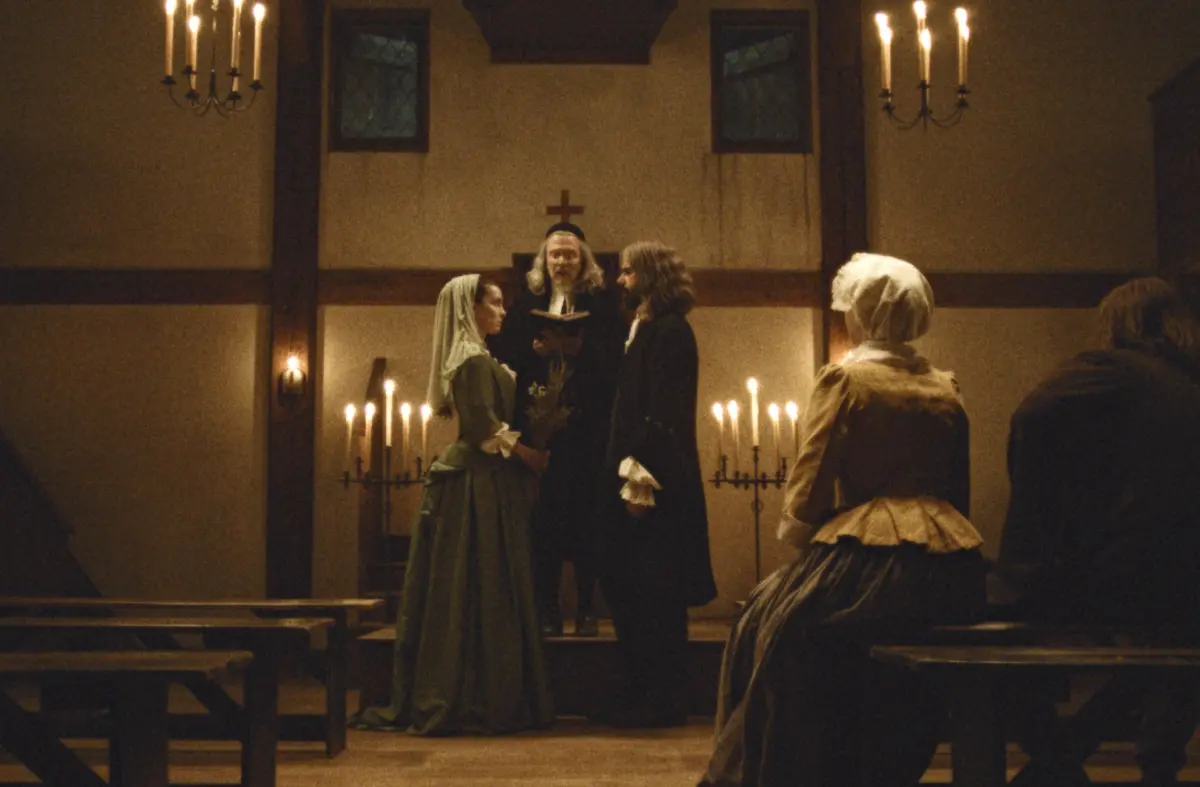
In the category of Best Decor/Design of a One-Hour Contemporary Series, the spotlight fell squarely upon Widow’s Bay. Bringing a palpable sense of place and atmosphere to the screen, set decorator Jennifer Engel and production designer Steve Arnold captured the judges’ attention with their nuanced, grounded aesthetic. Designing contemporary spaces requires a delicate balance of realism and narrative subtext—every prop, piece of furniture, and color palette must look entirely authentic while simultaneously reflecting the internal psychological states of the characters. Engel and Arnold’s work on Widow’s Bay achieved this seamlessly, establishing a benchmark for contemporary television design during the 2025–2026 eligibility window.
The Sci-Fi and Fantasy Stalemate: Fallout and Wednesday
Perhaps the most headline-grabbing moment of the evening occurred in the category of Best Decor/Design of a One-Hour Fantasy or Science Fiction Series, which resulted in a dramatic tie between two of streaming’s biggest visual juggernauts.
Amazon’s post-apocalyptic tour de force Fallout captivated audiences with its gritty, retro-futuristic decay. Set decorator Julie Ochipinti and production designer Howard Cummings were recognized for their monumental task of breathing life into a ravaged, nuclear-scarred Earth, blending mid-century Americana with bleak, hazardous survivalist environments.
Sharing the win was Netflix’s dark, whimsical phenomenon Wednesday. Set decorators David Morison and Neville Gaynor, alongside production designers Mark Scruton and Philip Murphy, conjured a delightfully macabre collegiate gothic universe. The intricate detailing of Nevermore Academy and the surrounding eccentric town required an obsessive level of curation, proving that fantasy design relies just as heavily on texture and mood as it does on imagination.
Period Drama and Limited Series Triumphs
Period pieces demand rigorous historical research and an uncompromising attention to detail to transport audiences across decades or centuries.
- One-Hour Period Series: Apple TV+’s dazzling Palm Royale claimed victory in this fiercely competitive category. Recreating the hyper-stylized, sun-bleached, and intensely exclusive social strata of 1969 Palm Beach demanded a vibrant, pastel-soaked palette and mid-century luxury that dazzled viewers frame by frame.
- Television Movie or Limited Series: The genre-bending, culturally resonant phenomenon Beef took home the top prize. Set decorators and designers mapped out the stark contrasts between the characters’ chaotic internal lives and their external environments, crafting spaces that felt claustrophobic, authentic, and profoundly lived-in.
Comedy, Multi-Cam, and Daytime Victories
Humor relies on timing, but the spaces in which comedy occurs often ground the jokes in reality.
- Half-Hour Single-Camera Series: The sharp, biting world of Max’s Hacks earned top honors. The design successfully marries the opulent, dated luxury of Las Vegas show business with the messy, evolving contemporary spaces of its central characters.
- Half-Hour Multi-Camera Series: The traditional studio sitcom format was celebrated with Happy’s Place taking home the award, showcasing the unique demands of multi-camera set design—balancing aesthetic warmth with the logistical requirements of live-audience studio shooting.
- Daytime Series: Daytime television’s enduring crown jewel, The Bold and the Beautiful, continued its legacy of excellence, proving that the demanding production schedule of a daily soap opera does not preclude high-end, luxurious interior design.
- Variety, Reality, or Competition Series: The iconic The Muppet Show claimed victory, a delightful nod to the complex, tactile puppetry environments and whimsical set builds that continue to charm generations of fans.
- Web Series, Music Video, or Commercial: Pushing the boundaries of short-form visual storytelling, the collaboration between Offset and John Legend for Never Let Go secured the win, highlighting the cinematic scope increasingly brought to music videos and commercial spaces.
Supporting Context & The Competitive Landscape
To truly appreciate the weight of these victories, one must look at the sheer scale of the competition. The SDSA’s 2026 ballot read like a comprehensive who’s who of contemporary prestige television.

In the fantasy and sci-fi realms, Fallout and Wednesday had to fend off formidable contenders such as Amazon’s superhero satire The Boys, Apple TV+’s space-race epic For All Mankind, and Netflix’s pop-culture monolith Stranger Things, the latter of which has long been celebrated for its pitch-perfect 1980s nostalgia.
Meanwhile, the period category was heavily contested by heavyweights like Netflix’s Regency-era romance Bridgerton, Starz’s time-traveling historical epic Outlander, Amazon’s stylishly moody Spider-Noir, and the eagerly anticipated period mystery Young Sherlock.
The contemporary and limited series categories were similarly stacked with titanic projects. Nominees included HBO’s unflinching teen drama Euphoria, Apple TV+’s glossy newsroom drama The Morning Show, the buzzworthy adaptation Margo’s Got Money Troubles, crime thrillers like The Beast in Me and Black Rabbit, the chilling true-crime inspired Monster: The Ed Gein Story, and high-profile late-night and sketch institutions like Saturday Night Live and Jimmy Kimmel Live!.
That Widow’s Bay, Palm Royale, and Beef emerged victorious amidst such heavy commercial and critical titans speaks volumes about the distinct quality, narrative integration, and execution of their respective set decorations.
Official Statements and Industry Impact
While individual craftspeople often labor behind the scenes—frequently unrecognized by casual viewers who focus primarily on actors and directors—organizations like the Set Decorators Society of America play a crucial role in championing their contributions.
Industry analysts note that the role of the set decorator has evolved significantly in the streaming era. With audiences consuming content in ultra-high-definition 4K and HDR formats, every imperfection, texture, and background element is laid bare. Modern set decoration is no longer merely about "dressing a room"; it is an exercise in archaeological world-building. A set decorator must tell a character’s untold backstory through curated books on a shelf, scuff marks on a hardwood floor, brand choices in a refrigerator, and the deliberate patina of age on inherited furniture.
The co-win between Fallout and Wednesday has been particularly praised by industry insiders as a healthy acknowledgment of how diverse visual storytelling has become. While one show leans into the gritty, tactile devastation of a nuclear fallout shelter and wasteland towns, the other revels in the hyper-stylized, gothic eccentricity of a supernatural boarding school. Both approaches require specialized mastery, proving that excellence in set decoration defies simple genre categorization.
Future Outlook: The Evolution of Television Design
As the television landscape continues to adapt to shifting economic models, technological advancements, and the integration of virtual production tools alongside practical set builds, the mandate for set decorators remains clear: authenticity and emotional resonance cannot be entirely digitized.
The success of projects like Palm Royale, Hacks, and Widow’s Bay at the 2026 SDSA Awards signals a continuing appetite for tangible, meticulously crafted environments that anchor high-concept narratives in physical reality. As studios look toward the remainder of 2026 and into 2027, the benchmarks established by these award-winning design teams will undoubtedly inspire the next wave of television production.
For the set decorators, lead persons, buyers, and drapery artisans who make up the backbone of the SDSA, these awards are more than just trophies—they are a validation of the invisible art form that transforms empty soundstages and location shoots into unforgettable worlds we never want to leave.