Executive Overview
As the dust settles following the initial, somewhat turbulent rollout of iOS 27, Apple is pivoting toward refinement. While the initial release of iOS 27 was met with mixed reviews—largely due to performance stability issues and hardware-specific glitches affecting the iPhone 18 Pro—the upcoming iOS 27.2 update represents a significant shift in strategy. Rather than merely patching bugs, Apple is using this interim release to push forward its most ambitious software initiatives to date: the integration of advanced health diagnostics, the expansion of “Apple Intelligence” capabilities, and a major redesign of the ecosystem’s user experience.
For the power user and the casual consumer alike, iOS 27.2 acts as the bridge between a buggy launch and a polished, mature operating system. With new accessibility features, language expansions for Siri AI, and a holistic overhaul of the Health application, this update signals that Apple is listening to feedback and aggressively prioritizing the utility of its software services.
Detailed Chronology: From Launch Chaos to Refinement
The narrative of iOS 27 has been defined by a rapid cadence of updates. Following the release of iOS 27.0, which addressed critical stability issues plaguing the iPhone 18 Pro series, the user base has been waiting for a more substantial feature drop.
On October 9, 2026, the industry turned its attention to the developer and public beta channels as iOS 27.2 emerged. This release is unique because it arrives ahead of the typical major version cycle, serving as a “feature-rich” minor update. Historically, Apple reserves deep system changes for point-zero releases; however, the scope of the Health app redesign and the inclusion of new FaceTime accessibility APIs suggest a departure from that norm. The beta period, currently underway, allows early adopters to stress-test these features before the public rollout, provided they accept the inherent risks of pre-release software.
Supporting Context & Metrics: The Health App Revamp
Perhaps the most headline-grabbing change in iOS 27.2 is the total overhaul of the Health application. As Apple continues to position itself as a primary player in personal wellness, the Health app has evolved from a simple data repository into a centralized intelligence hub.
The “Longevity” Paradigm
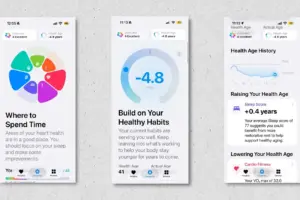
The new “Longevity” tab is the crown jewel of this update. It moves away from reactive tracking and toward proactive health management. Users can now monitor a broader spectrum of wellness metrics, including:
- Metabolic Health & Nutrition: Deep integration with daily movement patterns.
- Mental Wellbeing: Enhanced correlation between sleep data and cognitive load.
- Health Age: A proprietary metric designed to provide a high-level summary of one’s physiological status compared to chronological age.
Most notably, the introduction of computer-vision-based fitness assessment—where the iPhone’s camera analyzes movement patterns—represents a massive leap in AI-driven health tech. By evaluating flexibility, balance, and strength through visual feedback, Apple is effectively placing a physical therapist in the pockets of its users.

Cross-App Integration
The decision to unify Fitness rings and basic health metrics within the main Health app reflects a broader design philosophy: reduce app-switching fatigue. Beth Skwarecki, Lifehacker’s senior health editor, has noted that the inclusion of step counts at the top of the interface provides a much-needed “at-a-glance” convenience that was previously missing.
Apple Intelligence and the Expansion of Call Context
Apple Intelligence—the company’s suite of generative AI tools—has been the flagship feature of the current hardware cycle. In iOS 27.2, Apple is refining how this intelligence manifests in the user’s daily workflow.
Proactive Call Context
“Call Context” has proven to be one of the most practical applications of on-device AI. By scanning local data—such as email itineraries or calendar events—the phone can provide real-time information during calls. The addition of anniversary alerts is a subtle but impactful expansion of this feature. While critics might argue this represents a reliance on technology to manage social obligations, the utility for the busy professional cannot be overstated. It is a quintessential example of Apple’s "it just works" philosophy: providing information exactly when, and only when, the user needs it.
Language Diversity
At the launch of iOS 27, Siri AI’s limitations were tied to its narrow language support. The expansion in 27.2 to include French, Japanese, Korean, Portuguese, and Spanish is critical for global adoption. This ensures that the advanced reasoning capabilities of Siri AI are no longer gated behind English-language proficiency, significantly widening the demographic reach of Apple’s generative AI ecosystem.
Accessibility and User Experience
FaceTime and ASL Support
Accessibility remains a cornerstone of Apple’s mission statement. The introduction of an API that supports human interpreters in FaceTime calls is a massive step forward for the Deaf and Hard-of-Hearing community. While this was originally teased during the accessibility announcements in May 2026, its inclusion in iOS 27.2 confirms that Apple is prioritizing inclusive communication technologies.
UI Refinements: Clarity Over Aesthetics
The UI changes noted in this update—such as the removal of red accents in the Music app and the adjustment of AM/PM sizing in the Clock app—demonstrate a focus on visual hierarchy. By shifting toward a more monochromatic, utilitarian interface in the Music app, Apple is prioritizing content—album art and track metadata—over decorative interface elements. Similarly, renaming “Up Next” to “New Episodes” in the Podcasts app is a classic example of Apple’s obsession with semantic clarity.
Official Statements and Industry Impact
While Apple has kept its precise release schedule for the public version of iOS 27.2 under wraps, the beta documentation provides clear insights into the company’s roadmap. By allowing users to exclude multiple apps from Siri via the new “Excluded Apps” menu, Apple is also responding to growing concerns regarding privacy and the scope of AI data collection.

Industry analysts suggest that the stability of these features in the beta will determine whether Apple can regain the trust of users who felt the initial iOS 27 launch was rushed. If these features perform as advertised, the "27.2" update will be remembered not just as a patch, but as the moment the iPhone 18 Pro truly came into its own.
Future Outlook: What Remains to be Done?
Despite the progress in iOS 27.2, the ecosystem is not without its gaps. As highlighted by users and tech commentators, the lack of system-level profiles—similar to the ones found on Apple TV—remains a notable omission on iPad and iPhone devices. While the Apple TV app now supports these profiles, the inability to toggle between "Work" and "Personal" system profiles remains a top-requested feature.
Furthermore, as Apple continues to lean into AI, the debate regarding privacy versus functionality will intensify. The expansion of Siri AI into more languages will likely increase the load on local processing units, necessitating future hardware and software optimizations.
Final Thoughts
iOS 27.2 is an essential update for the ecosystem. It manages to balance the high-tech aspirations of AI and advanced health monitoring with the granular, day-to-day needs of the average user. Whether you are interested in the new “Health Age” metrics or simply want a more reliable experience when making phone calls, this update demonstrates that Apple is capable of iterative growth.
For those currently on the beta, the experience has been largely positive, suggesting that the public rollout will be a significant step toward stability. As we move into the final quarter of 2026, it is clear that iOS 27 is evolving into a platform that is more intelligent, more accessible, and significantly more capable than the version that launched just a few months ago. If you haven’t yet explored the beta, it may be time to prepare your backups—the future of the iPhone is looking increasingly bright.