Executive Overview
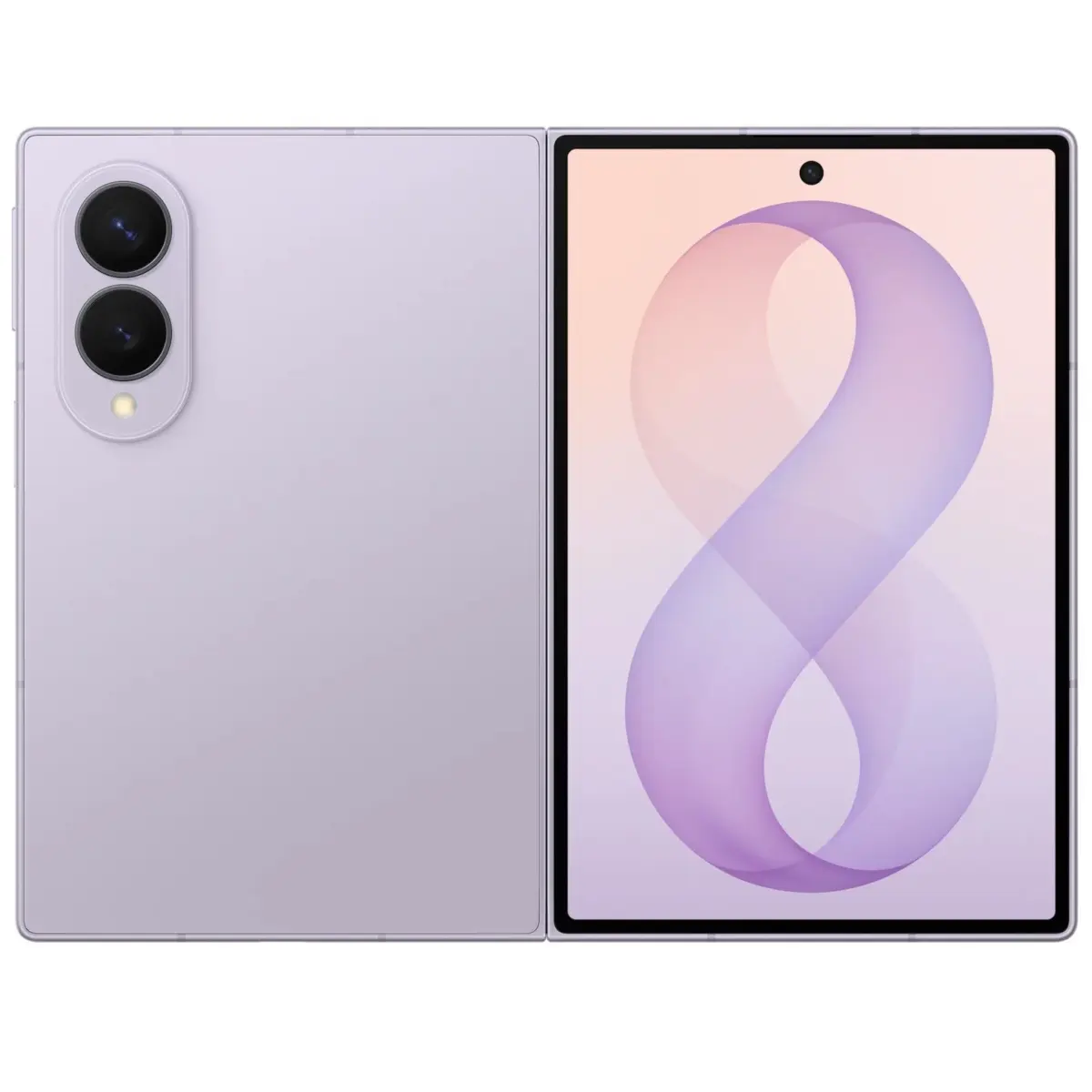
The smartphone industry has reached a distinct plateau where incremental upgrades have become the norm rather than the exception. Google’s latest flagship release cycle vividly encapsulates this reality. While the company reserved substantial hardware updates for its top-tier offerings—namely the Pixel 11 Pro, the Pixel 11 Pro XL, and the innovative Pixel 11 Pro Fold, which all boast upgraded camera modules, significantly brighter OLED displays, and faster charging architectures—the base model Google Pixel 11 finds itself trapped in a cycle of stagnation.
For consumers eyeing Google’s traditional flagship entry point, the verdict from early hands-on evaluations is remarkably blunt: skip it. If you are currently operating a smartphone purchased within the last two years, the Pixel 11 offers virtually no compelling reason to justify a hardware expenditure. Because the vast majority of Google’s headline-grabbing capabilities are software-driven, these features are slated to trickle down to legacy devices via upcoming feature drops. Consequently, buyers of the standard Pixel 11 are paying a premium for remarkably little tangible innovation.
With a starting price tag of $899—a $100 price hike compared to its predecessor—the base Pixel 11 doubles down on internal storage by offering a baseline 256GB configuration, but the value proposition remains fiercely contested. When measured against stiff internal competition like the Pixel 10a, or older flagships that still perform admirably, the standard Pixel 11 risks being overshadowed in a market that increasingly demands clear, quantifiable generation-over-generation leaps.
Detailed Chronology: Evolution of the Pixel Line
To understand how the Pixel 11 arrived at this awkward market crossroads, it is necessary to examine the trajectory of Google’s hardware strategy over recent cycles.
From Disruption to Maturation
When Google introduced its proprietary Tensor processing architecture, the tech giant signaled a decisive pivot from standard component integration to custom silicon-hardware co-design. Early iterations faced severe growing pains regarding thermal dissipation, cellular modem efficiency, and raw performance benchmarks. However, by the Pixel 9 and Pixel 10 generations, Google had successfully carved out a distinct niche defined by computational photography mastery, clean software integration, and distinctive, human-centric industrial design.
By the time development finalized for the Pixel 11 series, internal resources at Google were evidently heavily partitioned. The engineering focus clearly prioritized form-factor evolution—cemented by the maturation of the Pro Fold series and the refined camera arrays of the Pro and Pro XL tiers. The standard Pixel 11, by contrast, inherited a hand-me-down blueprint.
The Launch Phase and First Impressions
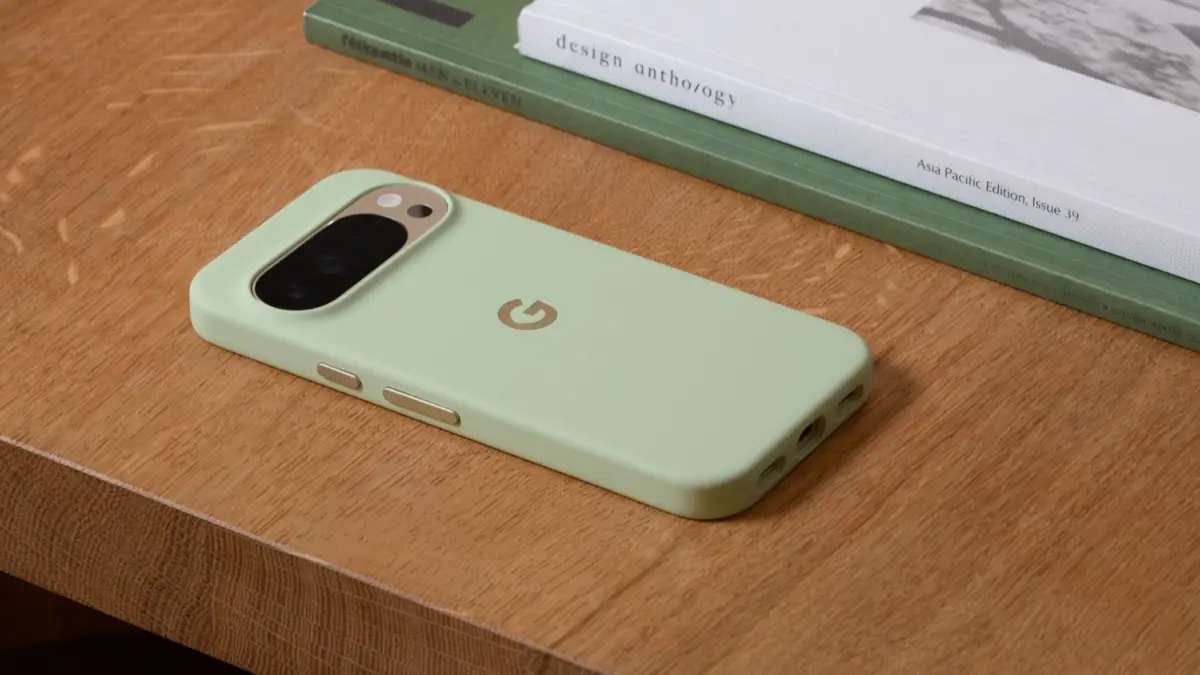
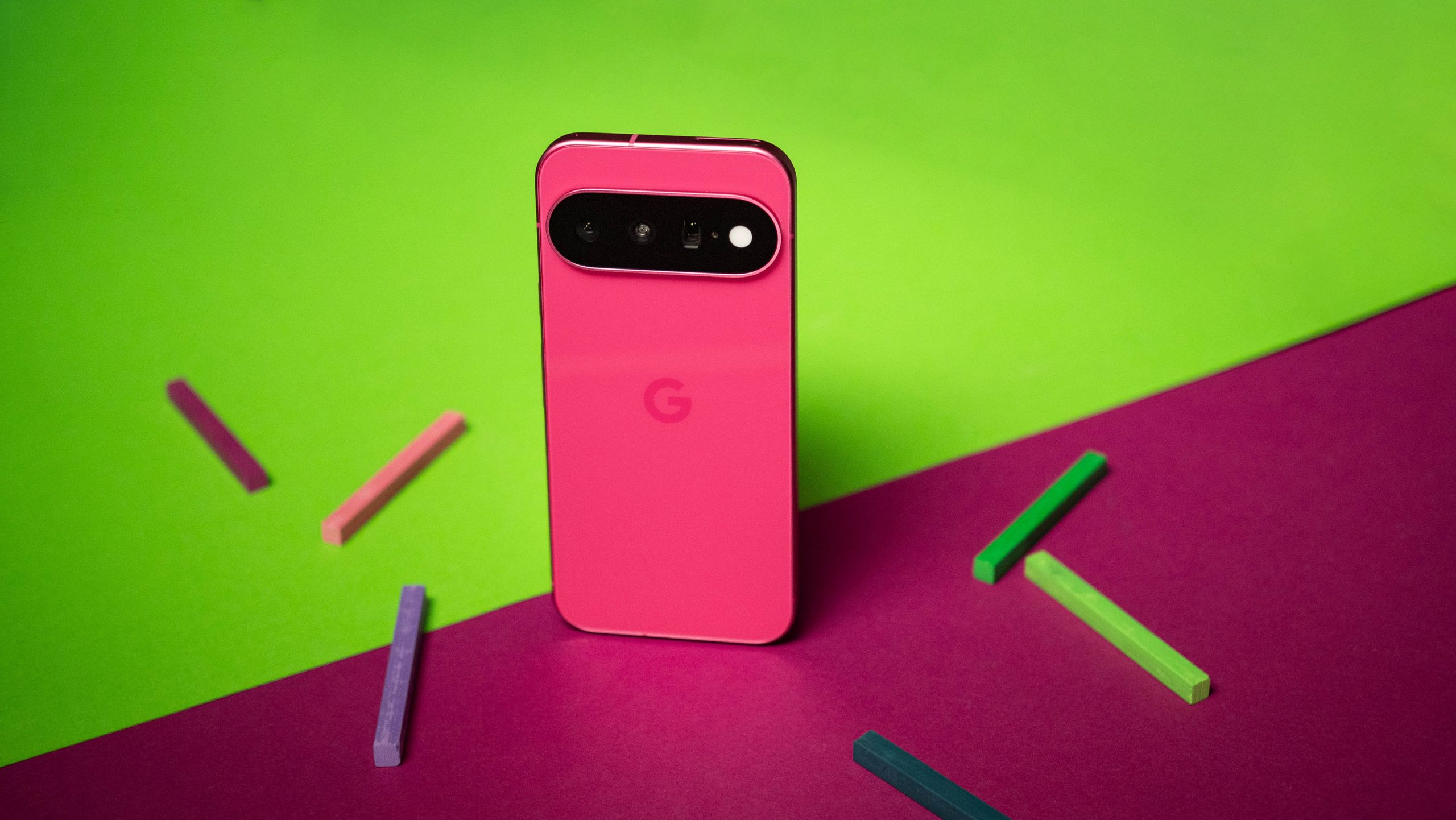
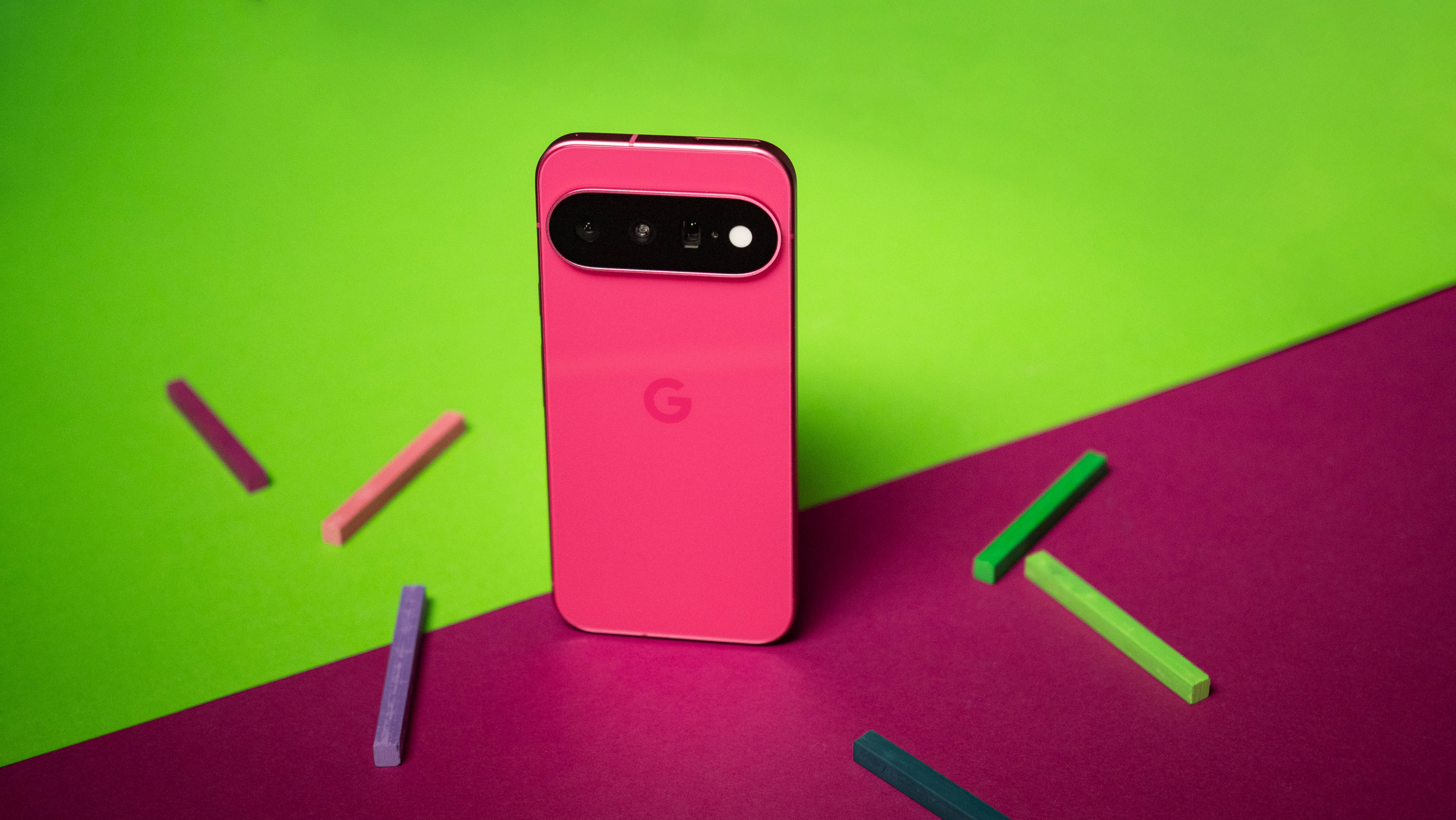
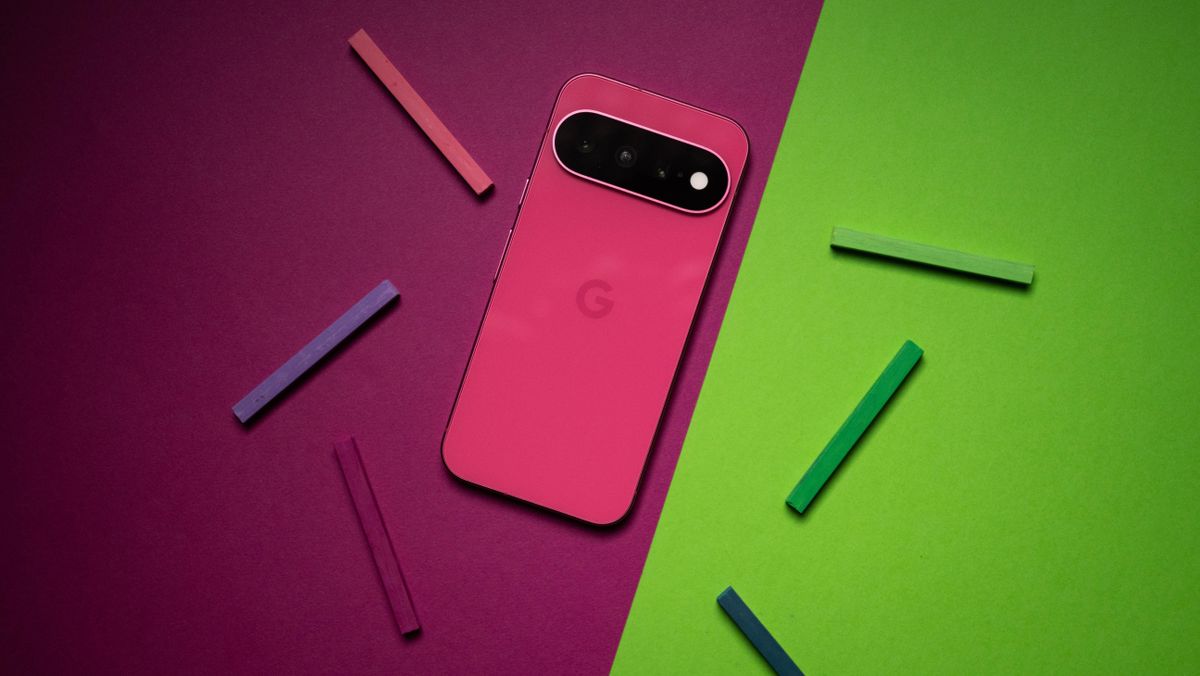
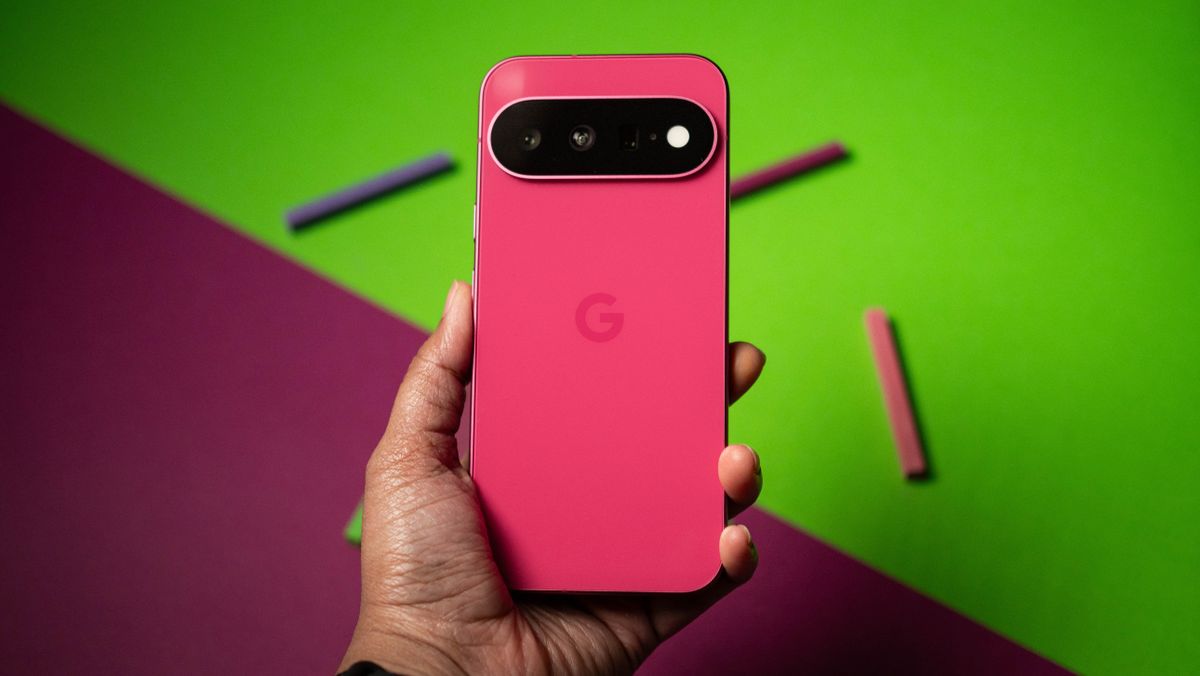
As review units landed in the hands of industry analysts, a clear dichotomy emerged. The design refinement was immediately apparent: Google introduced fresh, highly vibrant colorways—most notably the striking Hibiscus and the playful yet sophisticated Pistachio variants. Furthermore, subtle tweaks to the signature camera bar yielded a cleaner aesthetic profile and improved ergonomics during one-handed operation, facilitated by the comfortable 6.3-inch OLED panel footprint.
However, beneath the fresh paint, reviewers noted an unsettling sense of déjà vu. The user experience felt almost indistinguishable from the previous year’s iteration, begging the question of whether annual release cadences are beginning to strain the limits of meaningful smartphone innovation.
Supporting Context & Metrics: Under the Hood of the Pixel 11
A rigorous examination of the Pixel 11’s technical specifications reveals a device defined by minor adjustments rather than revolutionary breakthroughs.
Performance and the Tensor G6 Dilemma
At the heart of the Pixel 11 lies the new Google Tensor G6 processor. While synthetic benchmarks show marginal gains in raw processing speeds and day-to-day UI fluidity, real-world execution tells a more nuanced story:
- Gaming and Thermal Throttling: The Tensor G6 continues to lag behind competitors from Qualcomm and Apple when handling graphically intensive mobile gaming titles. More frustratingly, advanced thermal management architectures have been strictly gatekept for the more expensive Pro models. The standard Pixel 11 lacks sophisticated cooling solutions, leaving it susceptible to thermal throttling under sustained heavy loads.
- Everyday Fluidity: While animations and transitions feel buttery smooth—largely thanks to optimizations within Android—this incremental enhancement in fluidity fails to provide a justifiable ROI for a consumer upgrading from a Pixel 10.
Power, Battery Life, and Charging Ecosystems
Battery metrics present a similarly lateral move. Google has equipped the Pixel 11 with a marginally larger 4,985mAh battery, which comfortably sails through a standard workday thanks to the efficiency gains of the updated display panel and processor.
Charging capabilities remain largely anchored to the status quo:
- Wired Charging: Retains the familiar 30W USB Power Delivery (USB-PD) charging speeds.
- Wireless Charging: A notable inclusion is the integration of 25W Qi 2.2 support. This serves as a genuine quality-of-life upgrade; users can now seamlessly utilize modern magnetic and high-speed wireless charging pads without being forced to snap on a specialized, magnet-embedded protective case.
Optics and Image Signal Processing
The camera hardware on paper appears virtually static, housing the same familiar trio:
- Main Camera: 48-megapixel sensor.
- Ultrawide Camera: 13-megapixel sensor.
- Telephoto Lens: 10.3-megapixel lens featuring 5x optical zoom and Optical Image Stabilization (OIS).
Despite the hardware remaining identical to the previous generation, image output sees a minor, perceptible bump in fidelity. This is primarily driven by a newly engineered Image Signal Processor (ISP) and refined color science tuning. Additionally, Google’s introduction of Camera Looks grants shutterbugs granular, intuitive control over the aesthetic profiles of their final shots—a feature warmly received by mobile photography enthusiasts.
Official Statements and Industry Perspective
Industry analysts and internal critics have voiced growing concerns over the pricing strategy of the standard flagship tier. Moving the baseline storage to 256GB was a necessary structural adjustment to align with modern media consumption demands, but shifting the retail baseline to $899 places the device in direct competition with more robustly equipped flagships from rival ecosystems.
Google’s positioning of the device relies heavily on the promise of its software ecosystem—specifically deep Gemini AI integrations, advanced offline generative models, and a commitment to seven years of full operating system updates. However, because these software utilities are engineered to be hardware-agnostic across the Tensor lineup, they do not serve as an exclusive selling point for the Pixel 11.
As market analysts note, the standard Pixel model is increasingly caught in a squeeze: power users are gravitating toward the expansive features of the Pixel 11 Pro and Pro XL, while value-conscious consumers are finding the Pixel "A" series to be an overwhelmingly superior financial choice.
Future Outlook: Where the Pixel Line Goes From Here
The trajectory of the Pixel ecosystem points toward a critical juncture. As component costs rise and consumer upgrade cycles stretch well beyond the historical two-year window, smartphone manufacturers must reevaluate how they market core tier devices.
The Threat from Within: The Pixel "A" Series Phenomenon
The most profound threat to the success of the standard Pixel 11 isn’t coming from Apple or Samsung—it is coming from Google’s own backyard. The Pixel 10a (and its subsequent successors) consistently captures the lion’s share of consumer volume for a simple reason: it delivers 90% of the core Pixel experience—exceptional point-and-shoot photography, clean software, fluid displays, and robust AI integrations—at roughly half the price point of the flagship numbered series.
For the average consumer who does not require a dedicated telephoto zoom lens or specialized premium materials, the economic logic of purchasing an $899 base model dissolves rapidly when an "A" series alternative exists.
Recommendations for Consumers
- If you use a Pixel 10 or recent flagship: Do not upgrade. The performance delta is negligible, and your current device will inherit the vast majority of upcoming software capabilities.
- If you are locked into a carrier promotion: If your mobile carrier is offering trade-in credits or promotional subsidies that reduce the out-of-pocket cost of the Pixel 11 to near-zero, the hardware upgrades—particularly the Qi 2.2 charging and refined ergonomics—make it a sensible acquisition.
- If you want maximum value: Look toward the Pixel A-series lineup. It remains the undisputed king of smartphone value, offering peerless return on investment for users who prioritize core functionality over flagship prestige.
Ultimately, the Google Pixel 11 is a competent, well-crafted smartphone that suffers from an acute lack of necessity. Unless market forces prompt aggressive discounting, buyers would be wise to look either up toward the Pro models or down toward Google’s more reasonably priced alternatives.