Executive Overview: A New Challenger Enters the Arena
For over a decade, the premium over-ear headphone market has been defined by a triad of industry titans: Apple’s AirPods Max, Sony’s WH-1000X series, and Bose’s QuietComfort line. While Samsung has cemented its status as a dominant force in the true wireless stereo (TWS) market with its highly successful Galaxy Buds series, it has conspicuously avoided the "premium over-ear" segment—until now.
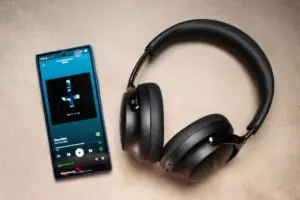
Recent intelligence suggests that Samsung is preparing to bridge this gap. According to credible leaks surfacing from the tech industry, the South Korean conglomerate is developing a high-fidelity pair of over-ear headphones, tentatively branded as the "Galaxy Studio." This move signals a significant strategic pivot for Samsung, aiming to create a cohesive, top-tier ecosystem that rivals the vertical integration found in the Apple ecosystem. As the company looks to diversify its wearable portfolio beyond earbuds and smartwatches, the Galaxy Studio represents a calculated attempt to capture the high-end audiophile and productivity-focused demographics.
Detailed Chronology: The Leak That Shook the Audio Industry
The existence of the Galaxy Studio was brought to light by industry leaker evowizz on X (formerly Twitter). This particular source has gained significant credibility within the tech community, having been the first to accurately predict the specifications and branding of the recently released "Galaxy Buds On," Samsung’s innovative clip-on, open-ear audio solution.
The trajectory of this leak suggests a pattern of rapid development. The Galaxy Buds On were only launched earlier this month, and the immediate transition to reports regarding the Galaxy Studio suggests that Samsung’s audio division has been working in parallel streams. While internal codenames are common in the smartphone industry, the specific "Galaxy Studio" moniker implies a focus on studio-quality sound, likely positioning these headphones as a professional-grade alternative for creators and audiophiles alike.
Currently, the industry is in a "wait and see" phase. While the name has leaked, the hardware specifications—such as driver size, battery life, and Active Noise Cancellation (ANC) algorithms—remain shrouded in secrecy. However, the timing of this revelation, coupled with Samsung’s aggressive expansion into new hardware categories like the Galaxy Ring and the forthcoming Galaxy Glasses, suggests that the Galaxy Studio is not a mere concept, but a product in the final stages of pre-production.
Supporting Context: Why Now? The Competitive Landscape
To understand the significance of the Galaxy Studio, one must examine the current state of the premium audio market.
1. The Appleification of Samsung
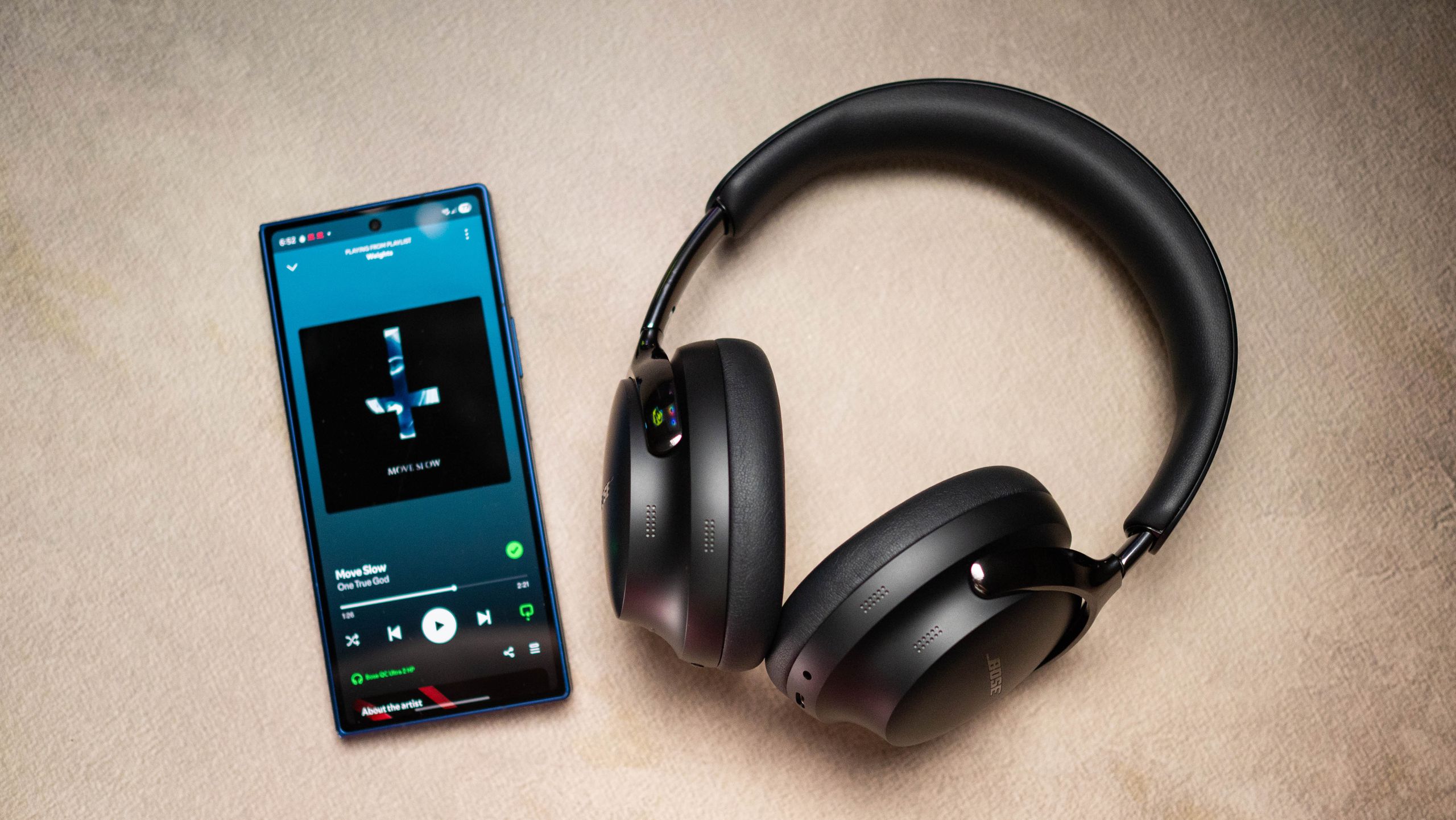
Samsung has long sought to replicate the seamless "it just works" experience that Apple users enjoy. By introducing the Galaxy Studio, Samsung completes the "audio stack." If you own a Galaxy S-series smartphone, a Galaxy Watch, and a Galaxy Book, the current absence of a first-party over-ear headphone is a missing link in the chain. Samsung needs a flagship audio product that can handle high-fidelity codecs, spatial audio, and seamless switching across the Galaxy ecosystem.
2. The Saturation of the TWS Market
The market for small, in-ear wireless buds is becoming increasingly saturated. Growth in this sector is driven by incremental upgrades rather than revolutionary shifts. To drive sustained revenue, Samsung must move into higher-ASP (Average Selling Price) products. Premium over-ear headphones—often retailing between $350 and $550—offer significantly higher margins and provide a "halo effect" for the rest of the brand.
3. The Tech Convergence
The rise of spatial computing and XR (Extended Reality) creates a new demand for high-end audio. With Samsung’s upcoming Galaxy Glasses—expected to launch as early as November—the need for a high-fidelity audio peripheral that pairs perfectly with wearable display hardware is paramount. If the Galaxy Studio is designed with low-latency, high-resolution audio processing, it could become the primary audio output device for the next generation of Samsung XR experiences.
Metrics of the Market: Can Samsung Compete?
If Samsung intends to challenge the Sony WH-1000XM6 or the Apple AirPods Max, it must excel in three core metrics:
- Active Noise Cancellation (ANC) Performance: Sony has historically held the crown here. To win, Samsung must leverage its expertise in AI-driven sound processing—likely integrating its "Galaxy AI" suite to adapt to ambient noise in real-time with greater precision than the competition.
- Audio Fidelity (Bitrate and Codecs): As a member of the Android camp, Samsung has the advantage of supporting high-resolution codecs like LDAC and SSC (Samsung Seamless Codec). The Galaxy Studio will likely focus on a "flat" studio-reference sound profile, distinguishing it from the consumer-tuned profiles of the Galaxy Buds.
- Comfort and Ergonomics: The AirPods Max are lauded for build quality but criticized for weight. If Samsung utilizes lightweight magnesium alloys or advanced polymers, they could strike the perfect balance between premium feel and long-term wearability.
Official Statements and Corporate Strategy
Samsung has remained characteristically tight-lipped regarding the Galaxy Studio. However, company executives have previously hinted at an "expansion of the Galaxy wearable experience" during recent earnings calls.
During the launch of the Galaxy Ring, leadership emphasized the importance of "ambient health and wellness," where audio plays a critical role in user feedback. The shift toward a "Studio" brand suggests that Samsung is moving away from the consumer-grade "Buds" nomenclature toward a product that appeals to professionals. This mirrors the trajectory of other tech giants, such as Microsoft with its Surface Headphones or Apple with its "Pro" branding.
While no official press release has been issued, the company’s patent filings in South Korea over the past year have shown a recurring interest in advanced over-ear ear-cup designs, capacitive touch controls, and bone-conduction integration—features that point directly toward a high-end headphone release.
Future Outlook: The November Catalyst
As we look toward the remainder of the year, the industry is bracing for a potential "Super Event." Samsung’s rumored launch of the Galaxy Glasses in November provides the perfect stage for a major hardware surprise.
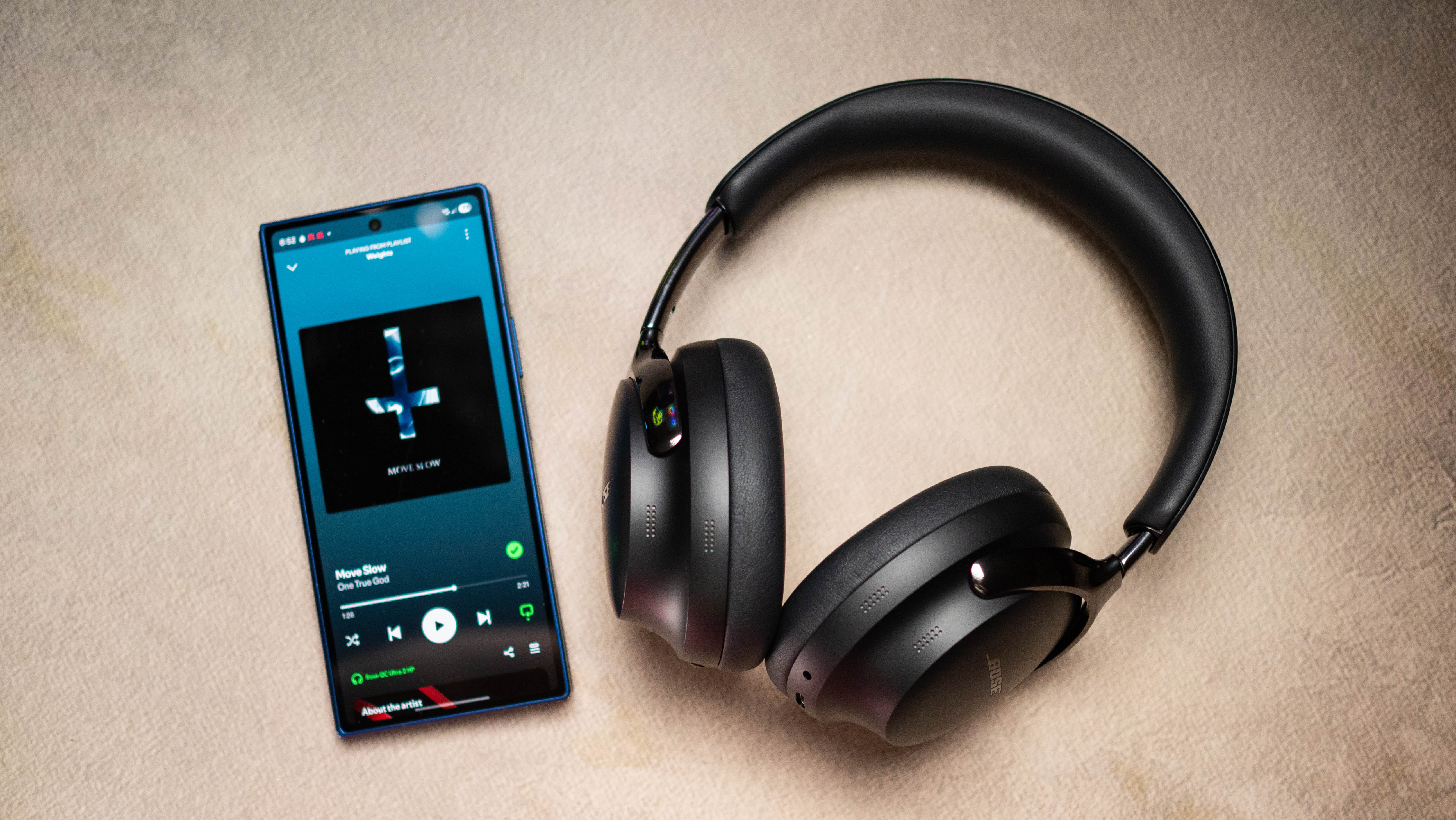
It is a well-established industry tactic to bundle or cross-promote new peripherals during a flagship launch. Should the Galaxy Studio make an appearance alongside the Galaxy Glasses, it would signal a unified vision for a "connected personal environment."
What to expect in the coming weeks:
- FCC Filings: As the product nears mass production, we expect to see filings with the Federal Communications Commission. These documents will confirm battery capacities, Bluetooth connectivity standards, and regional availability.
- Regulatory Benchmarking: Keep an eye on Bluetooth SIG certifications, which are usually the final "tell" before a product is announced.
- Leaked CAD Renders: We anticipate that third-party accessory makers will soon begin receiving dimensional data, leading to the inevitable leak of 3D renders that will confirm the industrial design of the earcups and headband.
Conclusion: A Bold New Frontier
The introduction of the Galaxy Studio is not just about headphones; it is about identity. Samsung is betting that its users are ready to move beyond the convenience of earbuds and embrace the immersive, high-fidelity world of premium over-ear audio.
If the company can successfully translate its AI prowess, ecosystem integration, and manufacturing scale into the Galaxy Studio, it will provide a formidable challenge to the established order. For consumers, the potential for a new player in the high-end audio space is a win-win scenario, likely forcing competitors to innovate faster and potentially driving down the cost of entry for premium sound.
As the tech world turns its gaze toward the November window, one thing is certain: the audio landscape is about to get much louder, and Samsung is clearly aiming for center stage. We will continue to monitor the development of the Galaxy Studio and provide updates as soon as official specifications or press invites emerge.