Executive Overview
In the fast-evolving landscape of modern advertising, few campaigns ignite cultural flashpoints as instantly or as divisively as those leveraging Hollywood star power to court controversy. The recent marketing blitz by sports prediction market app Novig—featuring actor Sydney Sweeney in a racy ad campaign strategically covering her body with sports equipment—has single-handedly reignited a decades-old debate: Has the advertising industry truly entered an era of regressive objectification, or are we simply witnessing a generational divide in how female agency and visual media are consumed?
Novig’s "Just Sports" campaign, which launched in September, quickly became a lightning rod. By utilizing a provocative play on words and imagery reminiscent of 1990s lad-mag aesthetics, the brand achieved explosive commercial metrics, reporting a surge of over 218% in first-time depositors and tens of millions of digital views. However, the commercial also triggered immediate backlash from elite female athletes and cultural critics alike, who argued it trivialized women’s athletics in favor of cheap, archaic shortcuts.
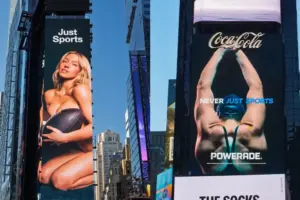
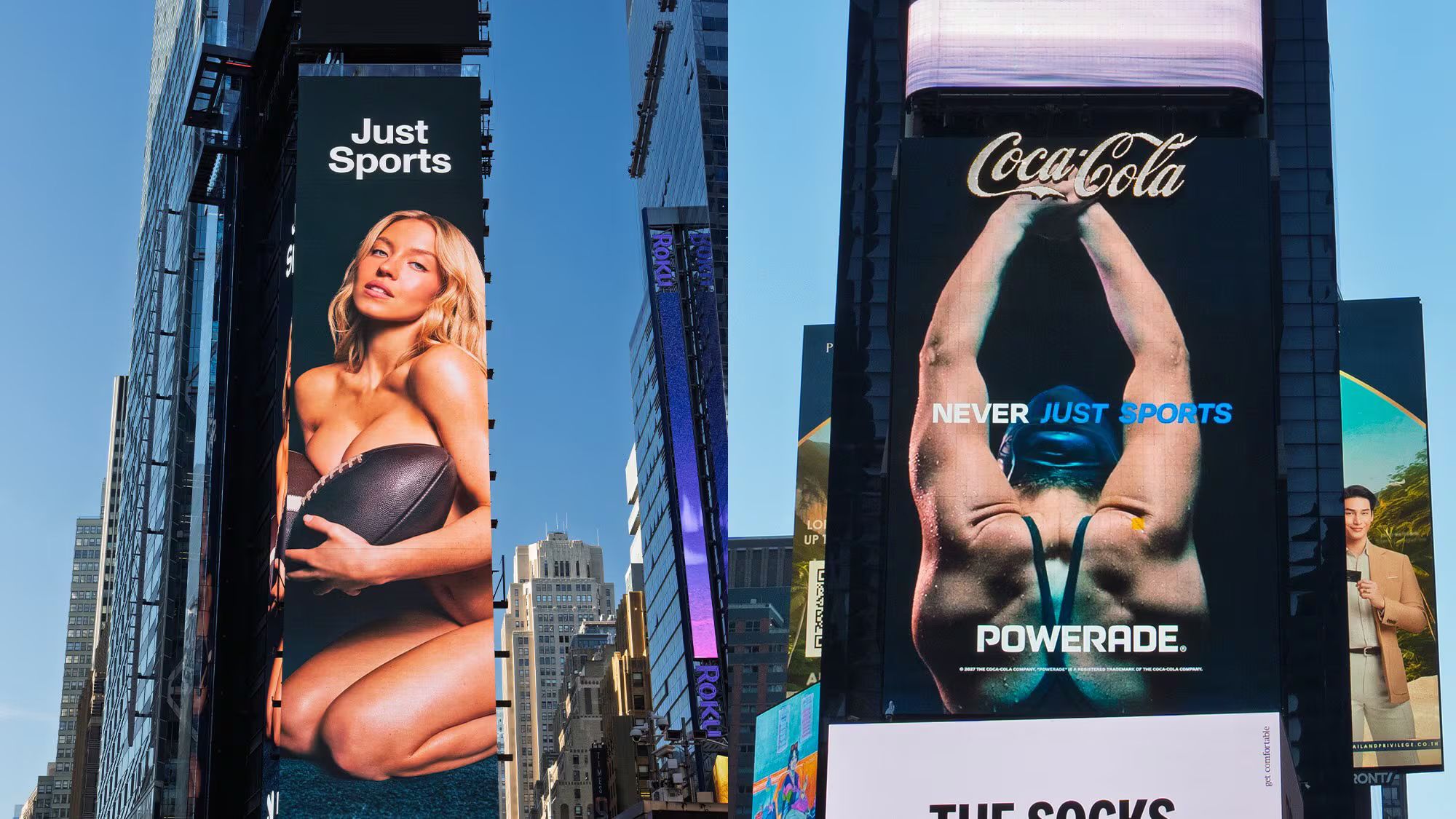
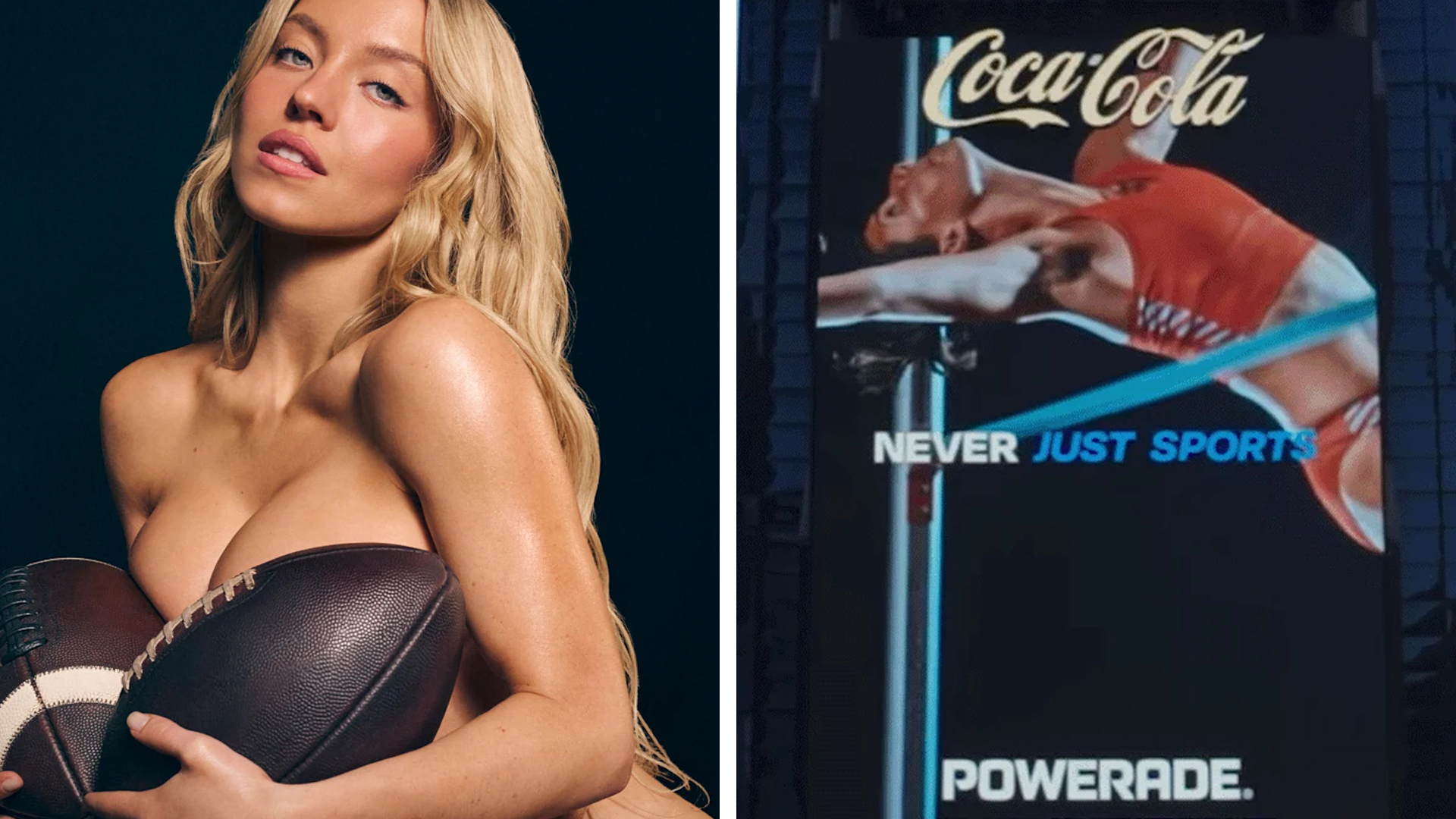
Seizing upon the public furore, Coca-Cola’s Powerade brand deployed a masterclass in reactive, agile marketing. Positioned directly opposite Novig’s digital billboard in New York City’s Times Square, Powerade’s Ogilvy-crafted "Never Just Sports" campaign subtly co-opted its rival’s slogan. Adding just a single word, Powerade replaced the provocative imagery of Sweeney with dynamic, high-octane shots of female athletes swimming and clearing the high jump.
This clash goes far beyond a clever bit of outdoor media warfare. It exposes profound ideological fractures regarding how branding navigates female representation, the commercial exploitation of cultural polarization, and whether modern audiences—split uneasily between Millennials and Gen Z—can reconcile personal agency with corporate objectification.
Detailed Chronology: From Concept to Times Square Crossfire
The roots of the current controversy trace back through a lineage of high-profile marketing gambits that have stretched public tolerance for provocative campaigns to its limit.
The Playbook of Provocation
When Novig sought to carve out a distinct identity in a crowded betting market dominated by multi-vertical prediction apps, it turned to high-impact disruption. Partnering with Sydney Sweeney—who reportedly helped conceptualize the creative direction—the brand crafted a campaign centered on the literal interpretation of "just sports." The advertisement featured Sweeney partially clad only in athletic gear, leveraging a direct, hyper-sexualized appeal designed to arrest attention in an increasingly saturated digital environment.
The rollout was swift and calculated:
- September 9: Novig launches the campaign across digital and outdoor platforms, capitalizing on Sweeney’s massive global footprint.
- Days 1–4: The accompanying Instagram reel shatters engagement benchmarks, hurtling past 37 million views in under 96 hours.
- The 20-Day Window: Novig reports a staggering 218% spike in first-time platform depositors, validating the commercial calculus that sex—or at least the chatter surrounding it—drives immediate financial conversion.
The Powerade Counter-Offensive
As public discourse fractured online, physical advertising space became the ultimate battleground. In the heart of Times Square, Powerade erected its responsive campaign directly in the line of sight of the Novig activation.
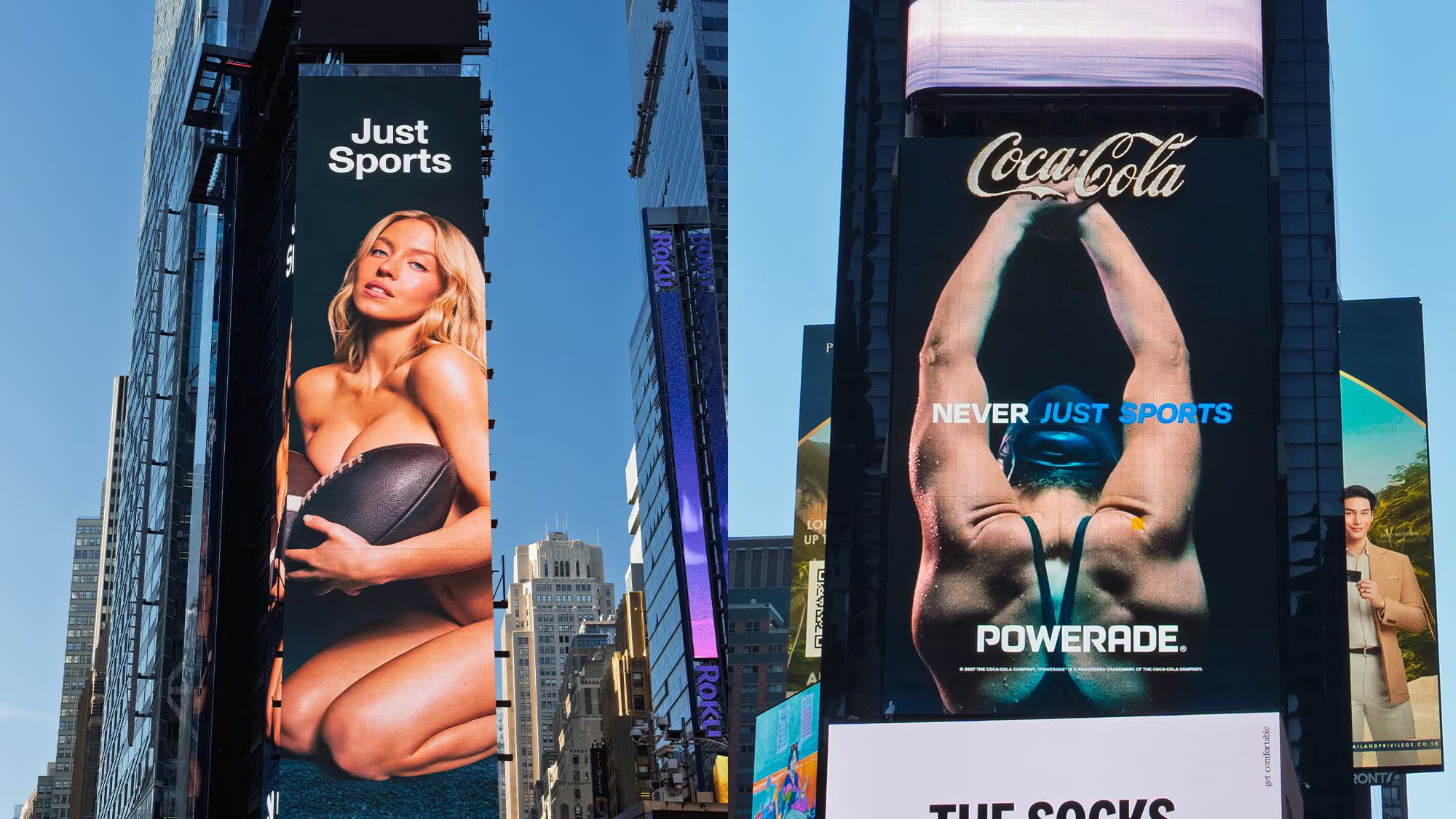
Rather than issuing a traditional corporate statement condemning its competitor, Powerade utilized spatial placement and minimalist copywriting. The "Never Just Sports" billboards featured imagery of world-class female athletes—swimmers, track and field stars, and weightlifters—performing at peak physical capacity. By appropriating the linguistic architecture of the Novig ad and injecting a single clarifying word, Powerade effectively hijacked its rival’s media spend, framing female athleticism as an achievement earned through sweat and grit rather than a canvas for male gaze marketing.
Supporting Context & Metrics: The Anatomy of a Viral Row
To understand why this specific juxtaposition resonated so globally, one must analyze the raw metrics of modern attention economies and the shifting attitudes of media consumers.
The Digital Echo Chamber and Conversion Realities
The intersection of betting apps, celebrity culture, and social media outrage creates a self-sustaining marketing engine. While critics frame ads like Novig’s as a dangerous step backward for gender representation, performance marketers view them as textbook case studies in high-velocity acquisition.
| Metric / Indicator | Novig "Just Sports" Campaign | Powerade "Never Just Sports" Campaign |
|---|---|---|
| Primary Medium | Digital billboards, Instagram Reels | Times Square digital out-of-home (DOOH) |
| Core Visual Strategy | Celebrity-driven, provocative, minimalist apparel | Action-oriented, dynamic sports photography |
| Immediate Commercial Impact | +218% spike in first-time depositors (20-day window) | Enhanced brand equity, cultural alignment |
| Social Media Reach | 37+ million views in 4 days (Instagram) | Amplified via earned media and industry trade coverage |
Despite the impressive top-line numbers, the underlying tension remains: Does short-term user acquisition justify long-term brand equity damage, or does the modern consumer simply scroll past the moral panic while engaging with the content anyway?
The Generational Fault Lines: Gen Z vs. Millennials
The public response to Sweeney’s recent campaigns—including her earlier viral American Eagle "Great Jeans" controversy—highlights a deep generational divide in media literacy and interpretation:
- The Millennial Perspective: Having come of age during the peak of 2000s lad-mags, tabloids, and the foundational era of internet shock-value, many Millennials view hyper-sexualized advertising through a lens of exhaustion. For this demographic, such campaigns often trigger concerns about a regression to archaic beauty standards and the erasure of professional respect for women.
- The Gen Z Perspective: Conversely, Generation Z views imagery through the hyper-aware prism of influencer culture and personal autonomy. Many young consumers recognize that Sweeney—a successful producer and actor of their own generation—exercises direct agency over her image and financial compensation. However, this perspective is frequently counterbalanced by Gen Z’s highly vocal fluency in corporate accountability and representation politics, leading to intense digital scrutiny of brands that attempt to commodify feminism.
Official Statements and Industry Reactions
The fallout from the billboard wars has drawn sharp critiques from elite sportswomen who argue that the commercialization of female athletes continues to face an uphill battle against objectification.
Prominent figures in women’s sports voiced their disapproval across international platforms. Australian swimming champion Ariarne Titmus, professional surfer Felicity Palmateer, and gymnast Gracie Kramer publicly criticized the normalization of campaigns that juxtapose female identity exclusively with physical titillation while female athletes strive for institutional and cultural parity.
Novig stood firm against the mounting criticism, defending the campaign as an effective, eye-catching entry point into an otherwise dry market sector, emphasizing that the creative direction was a collaborative choice aimed at breaking through market noise.
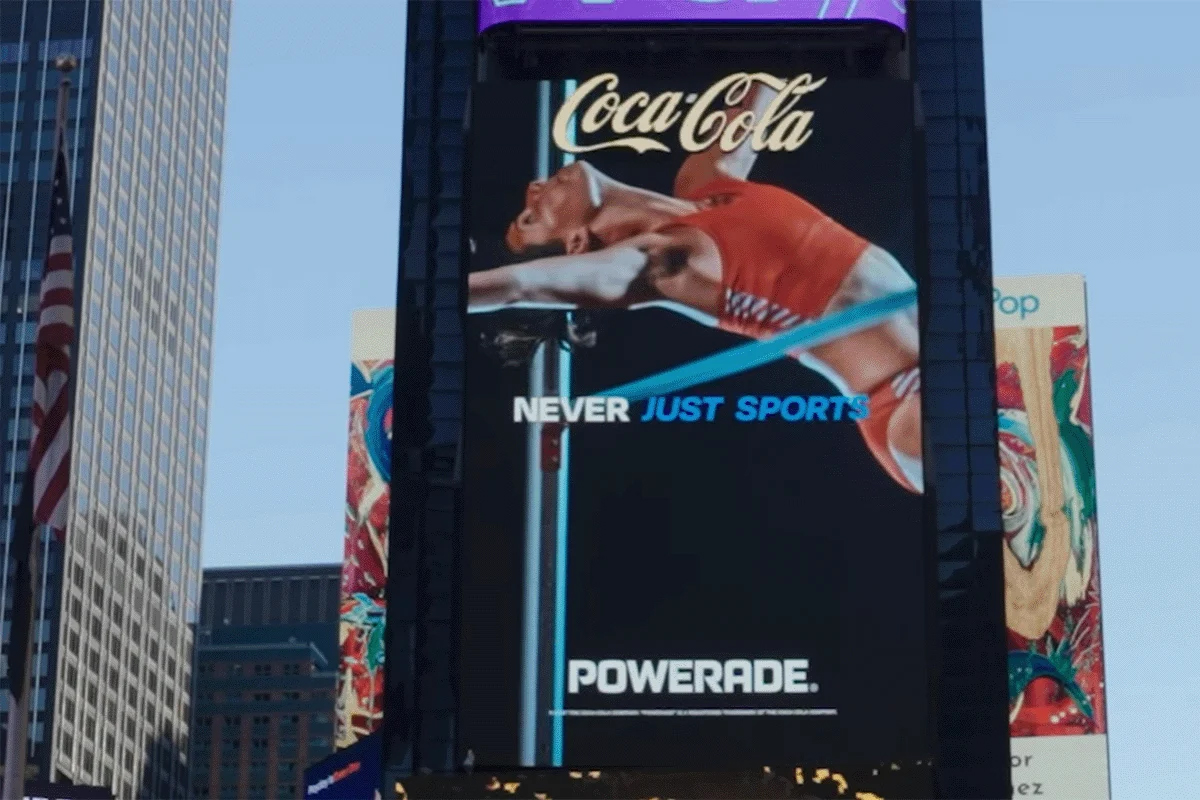
Meanwhile, industry analysts have pointed out the transactional nature of reactive marketing. Writing in PRWeek, marketing professionals and female athletes noted that while Powerade’s counter-campaign provided a welcome antidote to the "sex sells" ethos, brands must consistently back up opportunistic alignments with sustained cultural and financial investments in women’s sports rather than merely leveraging a momentary news cycle.
Future Outlook: Where Advertising Goes From Here
The Sydney Sweeney-Novig-Powerade saga serves as a definitive case study for the mid-2020s advertising landscape. It underscores several critical shifts that creative agencies, brands, and media buyers must navigate moving forward:
- The Weaponization of Reactive Media: Brands no longer operate in isolated vacuums. The ability to deploy agile, location-sensitive outdoor advertising directly opposite a controversial competitor will become an increasingly common tactic for major corporations looking to capture cultural capital on a budget.
- The Complexity of Female Agency: The era of easily categorized "good ad vs. bad ad" binaries is over. Modern consumers recognize the nuanced paradox of a female celebrity exercising complete economic and creative autonomy while a corporate entity simultaneously leverages traditional tropes to drive sales.
- Beyond Purpose-Washing: As consumers grow increasingly weary of brands adopting social stances solely for short-term PR wins, future campaigns will require genuine structural backing. Powerade’s intervention succeeded because it aligned with its historical positioning around physical well-being, but the long-term test for all major advertisers remains consistency.
Ultimately, the billboard wars in Times Square prove that while provocative imagery will always guarantee immediate attention, the lasting legacy of an ad is determined by how it withstands the cold, sober light of day after the shock value has faded.