Executive Overview: A Strategic Pivot
In a landscape defined by aggressive ecosystem consolidation, Google’s YouTube appears to be charting a course toward one of the most lucrative and competitive sectors in digital media: the audiobook industry. According to reports surfacing from The Wall Street Journal, YouTube is currently in preliminary discussions with major publishing houses to integrate professional-grade audiobook content into its YouTube Premium subscription service by 2027.
For a platform synonymous with short-form viral clips, music videos, and long-form creator content, this move represents a significant strategic pivot. By potentially bundling premium literary content with its existing ad-free video subscription, Google is signaling an intent to challenge the hegemony of Amazon’s Audible and the encroaching influence of Spotify. However, the path forward is fraught with challenges, ranging from complex licensing negotiations to the urgent need to address the platform’s rampant "piracy problem"—a phenomenon currently fueled by an explosion of unauthorized, AI-generated content.
Detailed Chronology: The Road to 2027
The rumors regarding YouTube’s foray into audiobooks did not emerge in a vacuum. For years, the platform has functioned as a "grey market" for literary enthusiasts. A significant portion of the user base has long utilized YouTube as an informal library, often accessing uploads of full-length books that skirt the boundaries of copyright law.
The Current State of Play:
- The AI Proliferation: Recent data suggests that nearly 45% of users who claim to consume audiobooks on YouTube are actually listening to AI-narrated, often unauthorized, versions of popular titles. These videos are frequently uploaded by channels that leverage synthetic voices to bypass traditional audio production costs, effectively flooding the platform with "pirated" audio content that mimics professional narrations.
- The Negotiation Phase: Sources indicate that Google is currently engaged in high-level talks with major publishers. The goal is likely to formalize a legitimate, royalty-paying ecosystem. If these discussions mirror the trajectory of Google’s previous music-licensing endeavors, we can expect a slow, methodical rollout involving major industry players before expanding to independent publishing houses.
- The 2027 Horizon: Industry analysts point to 2027 as the target window for a full-scale integration. This timeline allows YouTube to refine its content delivery infrastructure—specifically, the "background play" and "offline listening" features that are essential for the audiobook experience—while securing the necessary rights to compete with established giants.
Supporting Context & Metrics: The Battle for the Ears
To understand why YouTube is eyeing this market, one must look at the competitive dynamics of the "audio-first" economy.
The Audible vs. Spotify Rivalry
For over a decade, Amazon’s Audible has held a near-monopoly on the audiobook market. Its business model, predicated on a monthly credit system, has created a high barrier to entry for competitors. However, the market shifted significantly when Spotify entered the fray.
In late 2023, Spotify launched an aggressive challenge to Audible by providing its Premium subscribers in the U.S. and the U.K. with 15 hours of monthly access to a catalog of over 200,000 titles. This "access-first" model changed consumer expectations: users no longer want to buy individual books; they want an "all-you-can-eat" buffet of content included in their monthly subscription fee.
The YouTube Advantage
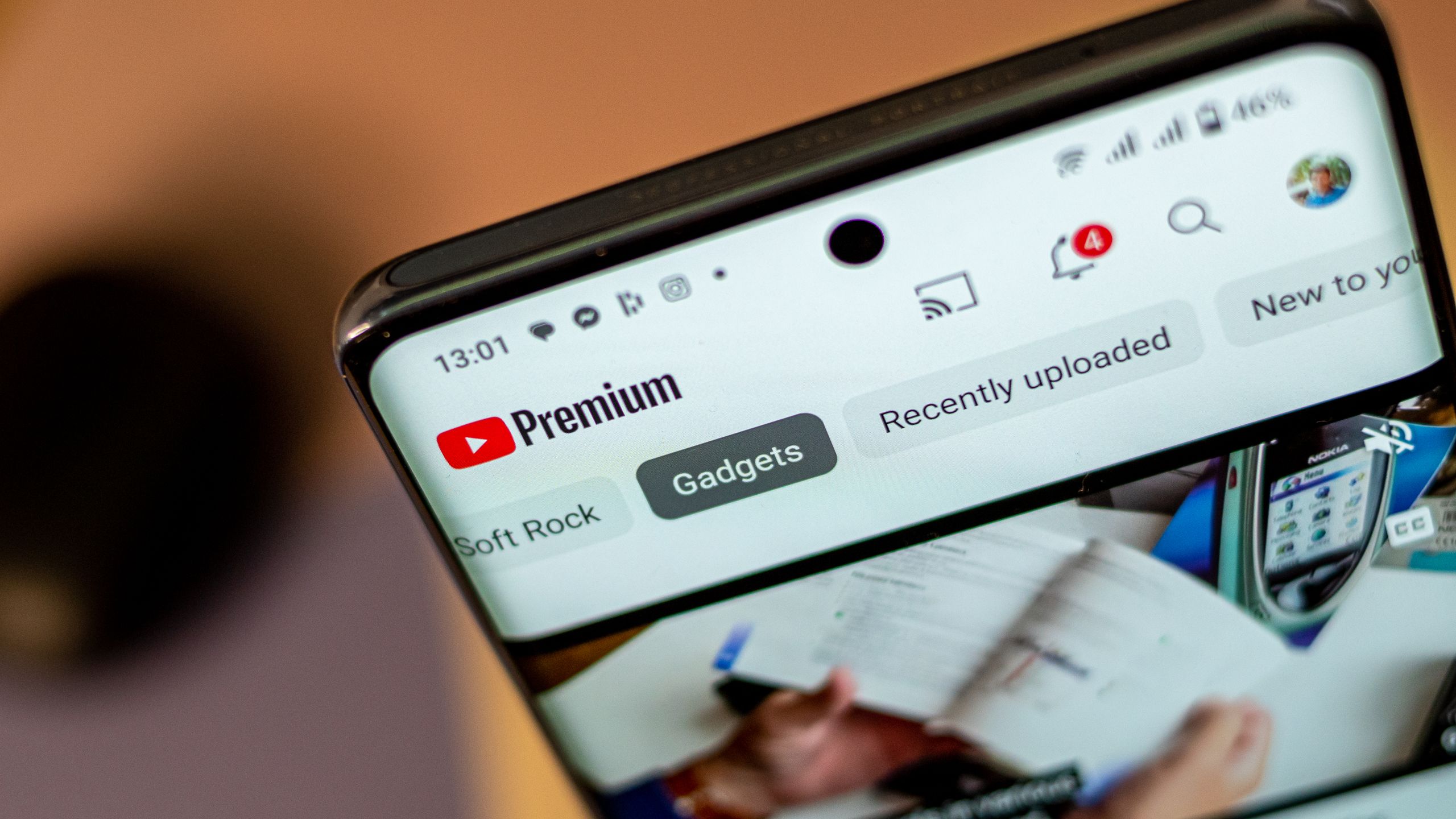
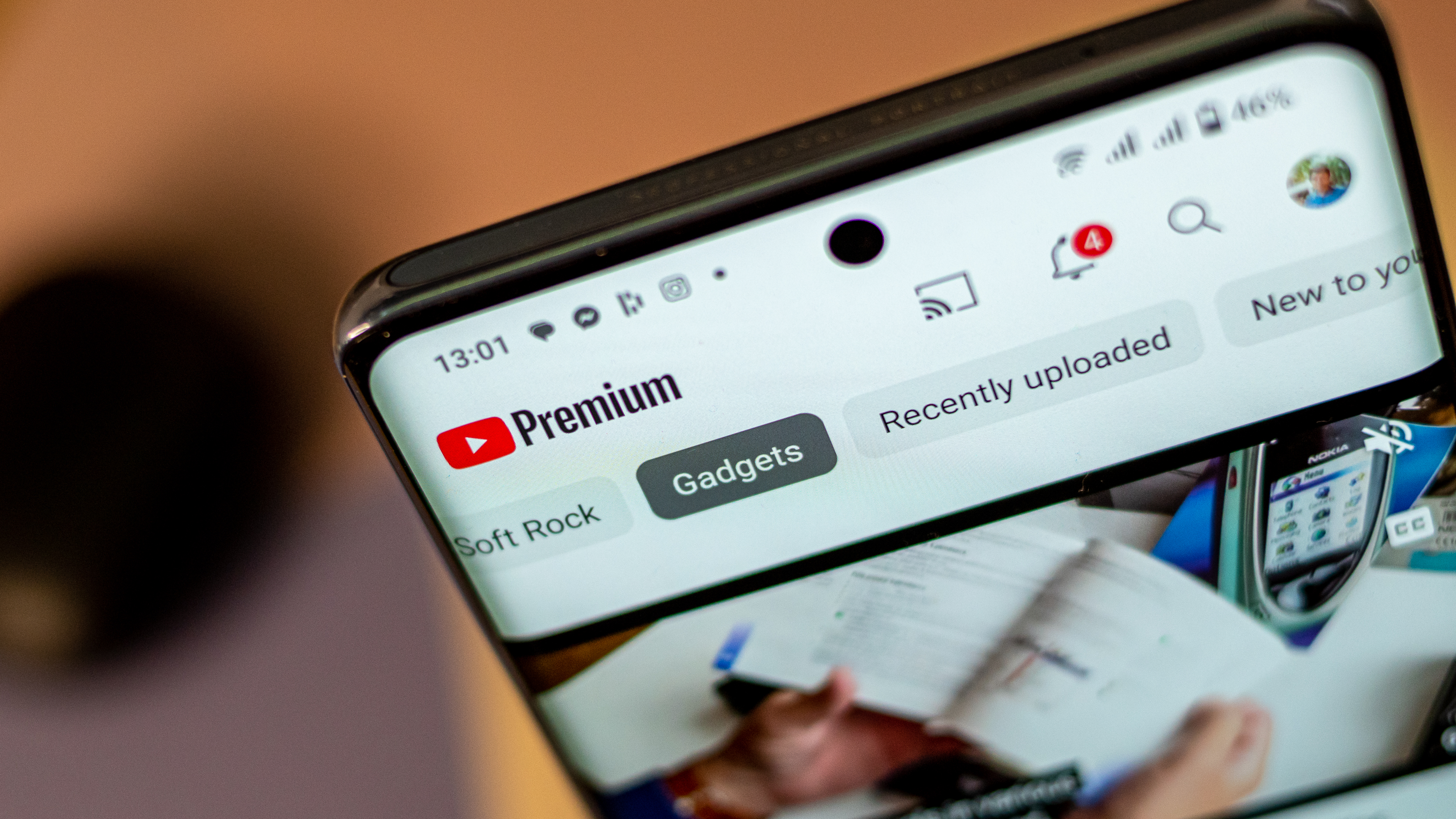
YouTube’s primary leverage is its sheer scale. With billions of users, the platform already has the world’s largest video library. By integrating audiobooks into the $16/month Premium tier, Google would be offering a unique "super-bundle."
- Music + Video + Audiobooks: A subscriber would gain access to YouTube Music, ad-free video content, and a professional audiobook library.
- Retention Metrics: By increasing the utility of the YouTube Premium subscription, Google can reduce churn. If a user can satisfy their video, music, and literary needs within a single app, the platform becomes an indispensable utility in the consumer’s digital life.
Addressing the Piracy Dilemma
The most compelling reason for YouTube to legitimize its audiobook offering is the "piracy problem." Currently, the platform hosts an unquantifiable amount of copyright-infringing material. By creating an official, licensed section for audiobooks, Google can accomplish two things:
- Legal Mitigation: Providing a legitimate avenue for consumption allows YouTube to take a more aggressive stance in de-indexing and removing the thousands of AI-narrated, infringing audiobooks currently occupying search results.
- Monetization: Publishers are currently losing millions in potential revenue to these "grey market" uploads. A partnership with YouTube would turn a revenue-losing scenario into a revenue-sharing model, where publishers receive royalties for every hour of content consumed by Premium subscribers.
The "Android Central" Perspective: Identity Crisis or Evolution?
There is a fundamental question regarding brand identity. As noted in recent analysis, consumers have a clear mental map of the digital landscape: Spotify is for music, Audible is for books, and YouTube is for video.
Can YouTube successfully shed its image as a video-centric platform to become a destination for long-form literature? The challenge is not just technical; it is psychological. Users who are accustomed to short-form content and algorithmic video feeds may find the transition to an immersive, linear audiobook experience jarring.
Furthermore, the rise of AI-generated content on the platform has left a sour taste for many content creators and copyright holders. For YouTube to succeed, it must prove that it is not just a host for low-effort, AI-spun audio, but a premium partner for high-quality, professionally produced narratives.
Future Outlook: What Lies Ahead?
As we look toward 2027, several key indicators will determine whether this initiative succeeds or languishes in the graveyard of "Google experiments."
1. Content Curation and Discovery
YouTube’s greatest strength is its recommendation engine. If Google can apply its sophisticated machine learning algorithms to audiobook discovery—matching user preferences for specific authors or genres with the same precision it uses for video—they could provide a superior discovery experience compared to Audible’s often clunky interface.
2. Pricing Strategy
Will YouTube follow the Spotify model (a set number of hours per month) or a more open-ended approach? Given that YouTube Premium is already priced at a premium, adding significant value without increasing the cost—or by creating a new, slightly higher-priced tier—will be a delicate balancing act for the company.
3. The Publisher Relationship
The success of this venture hinges entirely on the willingness of major publishers (such as Penguin Random House, HarperCollins, and Simon & Schuster) to sign off on streaming rights. These companies have historically been protective of their pricing power, wary that "all-you-can-eat" models will devalue their assets. YouTube will need to demonstrate that its reach and ad-tech capabilities can generate more revenue than traditional a la carte sales.
Conclusion
The potential entry of YouTube into the audiobook market is more than just a feature update; it is a defensive and offensive maneuver in the ongoing battle for consumer attention. While the platform currently struggles with unauthorized, AI-generated content, its transition toward a formal, licensed audiobook model could redefine how we consume literature.
For the consumer, the prospect of a consolidated entertainment subscription is alluring. For the industry, it is a high-stakes gamble that could either solve a long-standing piracy crisis or further complicate the relationship between content creators and big tech. As always with Google, the transition will be slow, data-driven, and closely watched by regulators and competitors alike. Whether YouTube can successfully convince us that it is as much a library as it is a stage remains to be seen, but the intent to try is now firmly on the table.