Executive Overview
In the high-stakes, hyper-polished arena of Grammy Award campaigning, conformity is traditionally the currency of the realm. Artists seeking the attention of Recording Academy voters typically deploy an arsenal of conventional tactics: pristine magazine covers, beautifully lit orchestral performance clips, tasteful red-carpet retrospectives, and impeccably sterile "For Your Consideration" (FYC) advertisements. These campaigns are engineered to project timeless elegance, artistic gravitas, and safe, universally palatable commercial appeal.
Enter Lily Allen.
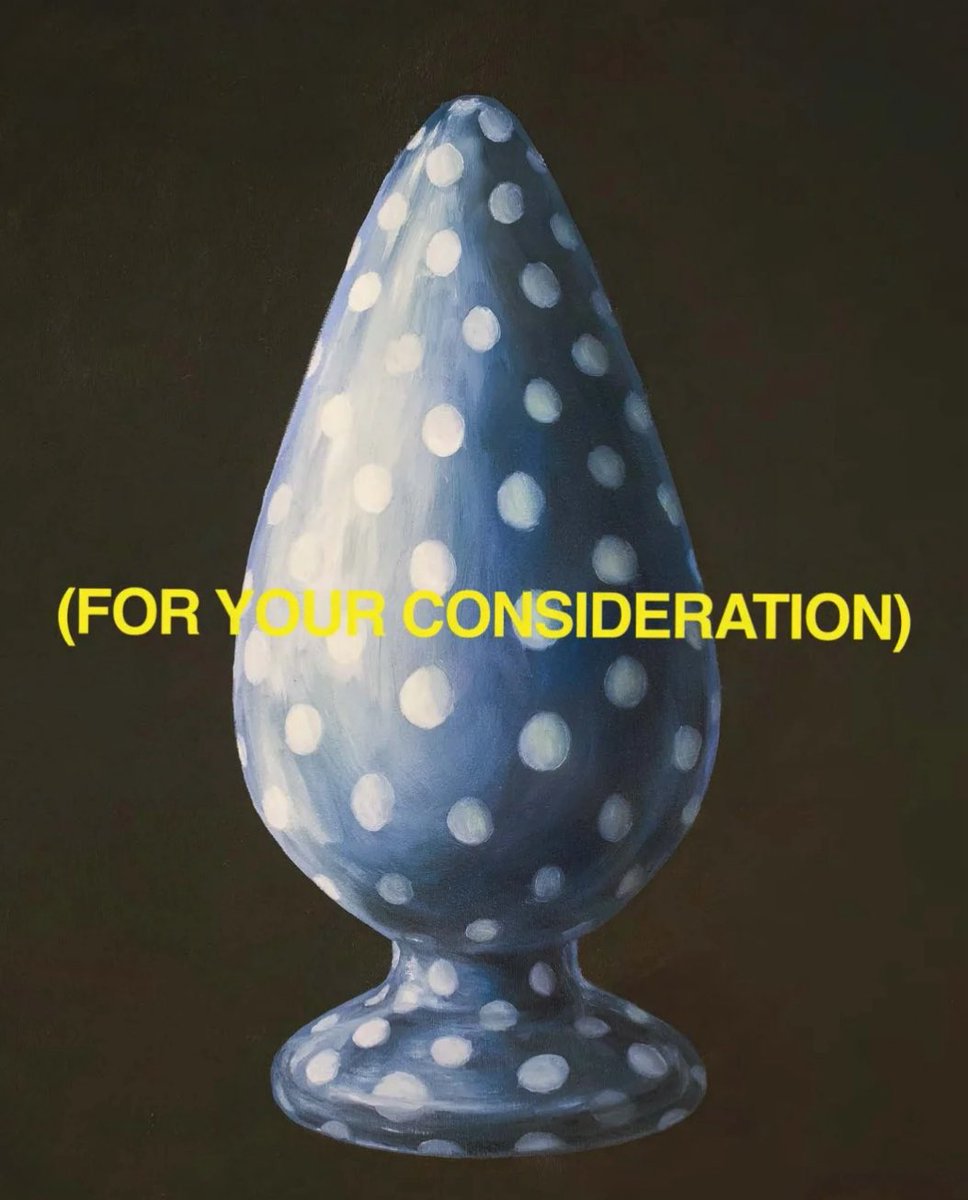
The idiosyncratic British pop icon has once again detonated industry standards, proving that true branding power lies in subversion, chaos, and unapologetic authenticity. As she sets her sights on a coveted Grammy nomination for her critically lauded album West End Girl, Allen has unveiled an FYC poster that is as nonchalant as it is shockingly provocative. Striking a delicate yet dizzying balance between disarmingly raunchy and surprisingly classy, the poster features the undeniable breakout star of her recent album cycle: a polka-dot-patterned novelty USB flash drive shaped like a butt plug.
This masterclass in offbeat marketing is not merely a bid for shock value; it is the physical manifestation of West End Girl’s core thesis—an unvarnished exploration of the messy, chaotic, and often hilarious realities of love, sex, and modern womanhood. By replacing the polite, understated imagery favored by pop royalty like Taylor Swift or Harry Styles with an audacious piece of novelty adult merchandise, Allen has completely upended the historical playbook of awards-season lobbying. This investigative feature explores the anatomy of Allen’s campaign, the design philosophy behind her provocative imagery, the shifting landscape of music marketing, and what this cheeky maneuver signals for the future of industry self-promotion.
Detailed Chronology: The Evolution of the West End Girl Era
To truly understand the brilliance of Lily Allen’s Grammy campaign, one must trace the trajectory of the West End Girl era, a period defined by its rejection of pop perfectionism in favor of raw, unguarded storytelling.
Phase One: The Sonic and Visual Reset
Following years of shifting between musical reinventions, theatrical ventures, and personal evolution, Allen signaled her return to the studio with a distinct mission: to strip away the artifice. West End Girl was introduced not as a triumphant, airbrushed pop comeback, but as an intimate, unflinching diary entry. The accompanying rollout embraced tactile, physical media in an era dominated by algorithmic streaming.
From the earliest stages of the album’s promotion, Allen utilized humor and self-deprecation to disarm critics and engage fans. Her lyricism—praised for its sharp wit and biting candor—found a visual parallel in the album’s merchandise and promotional collateral. Rather than leaning into sleek minimalism, the campaign leaned hard into domestic surrealism, juxtaposing the mundane with the taboo.
Phase Two: The Birth of an Unlikely Icon
At the center of this visual identity sat a surprisingly divisive piece of merchandise: a novelty USB flash drive disguised as a polka-dot butt plug. Initially introduced as a tongue-in-cheek physical format for fans to access exclusive album tracks and digital content, the object quickly transcended its utility to become the defining totem of the era.
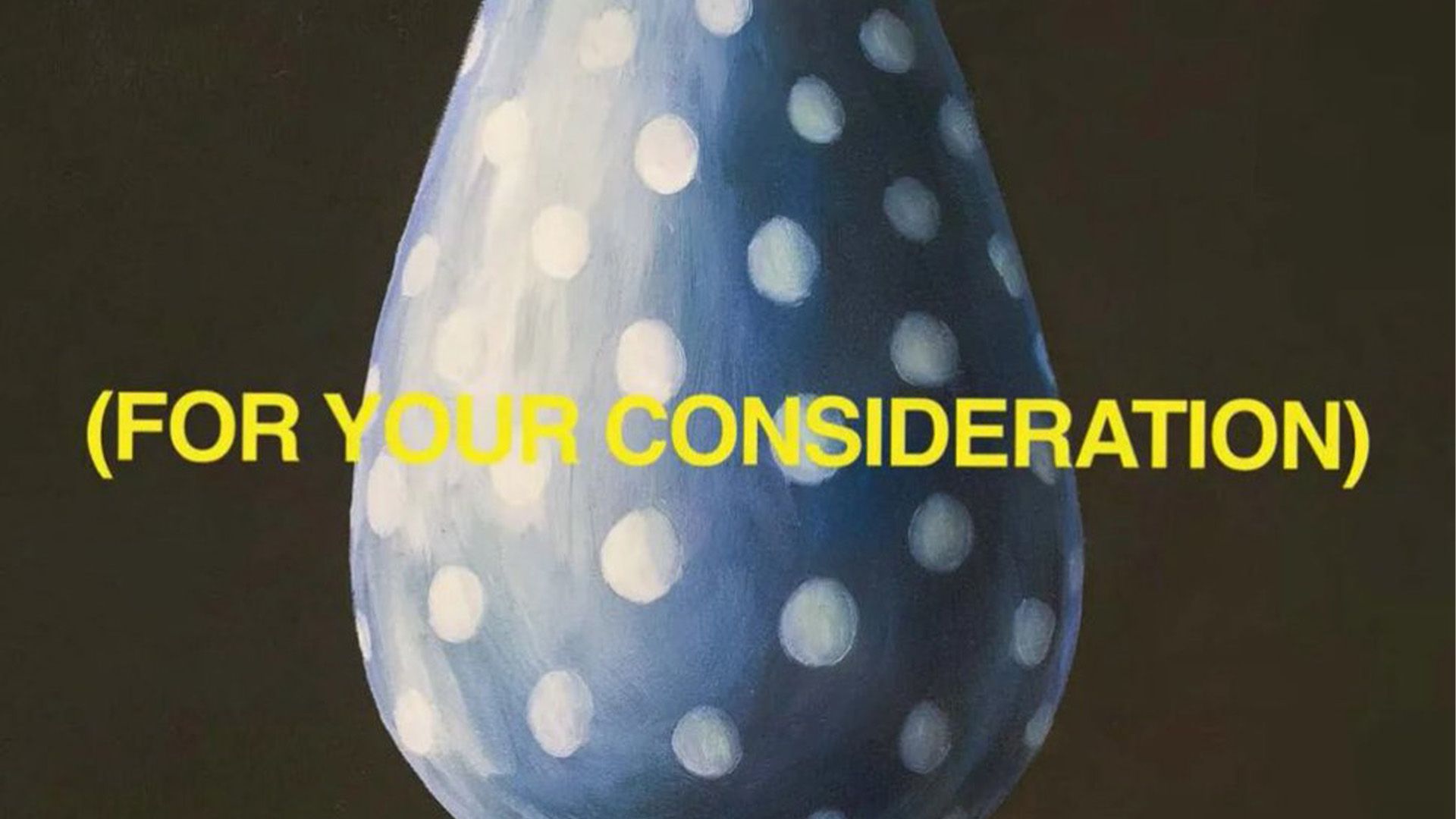
The design choice was a stroke of genius. By wrapping a fundamentally sexualized object in cheerful, domestic polka dots—a pattern historically associated with 1950s aprons, teacups, and wholesome innocence—Allen created a striking visual paradox. It forced viewers to confront their own discomfort with female sexuality while simultaneously laughing at the absurdity of it all. The item quickly became a viral talking point across social media, dominating design forums, music blogs, and fan communities alike.
Phase Three: Entering the Grammy Race
As the Grammy Awards entered their critical voting window, artists and their management teams flooded industry trades and digital spaces with FYC advertisements. These campaigns are designed to capture the fleeting attention of Recording Academy voters, who are inundated with thousands of eligible submissions across dozens of categories.
While artists like Taylor Swift and Harry Styles typically rely on cinematic stills, emotionally resonant concert photography, or elegant typography to capture votes, Allen opted for total disruption. Her FYC advertisement proudly features the polka-dot USB butt plug, framing it as a legitimate piece of high art worthy of Academy consideration. By planting this provocative image in spaces traditionally reserved for conservative industry self-congratulation, Allen executed one of the most memorable and effective promotional pivots of the modern music era.
Supporting Context & Metrics: The Economics of Subversive Branding
To contextualize why Allen’s campaign is cutting through the noise, one must examine the current landscape of music consumption, physical merchandise, and awards-season advertising economics.
The Resurgence of Tactile and Novelty Merchandise
In an era where music is overwhelmingly consumed via frictionless digital streaming platforms, physical products have had to work harder to justify their existence. Recent data from the design and retail sectors indicates a fascinating consumer trend: younger demographics—including Gen Alpha and Gen Z—are increasingly willing to spend upwards of $30 to $50 on physical records, cassette tapes, and bespoke novelty items that offer a tangible connection to an artist.
Allen’s polka-dot USB drive capitalizes on this cultural shift. By transforming a mundane digital storage device into a conversation-starting piece of provocative art, she tapped into the collector’s mindset. Consumers no longer just want music; they want artifacts that reflect an artist’s distinct personality and worldview.
Comparing FYC Strategies: The Playbook vs. The Anomaly
To understand the audacity of Allen’s poster, it is instructive to look at how major pop acts traditionally approach the FYC (For Your Consideration) phase:
| Artist / Campaign | Visual Strategy | Core Aesthetic | Underlying Message |
|---|---|---|---|
| Taylor Swift | Cinematic, emotionally resonant photography; vintage aesthetics; literary motifs. | Polished, accessible, grand-scale storytelling. | "I am a master craftsperson and a generational songwriter." |
| Harry Styles | High-fashion collaborations; pastel color palettes; nostalgic 1970s styling. | Chic, gender-fluid, effortless cool. | "I am a global style icon pushing cultural boundaries safely." |
| Lily Allen | Provocative novelty items; domestic juxtaposition; raw humor. | Unfiltered, chaotic, playfully subversive. | "I am entirely unbothered by your conventions; judge the music on its visceral truth." |
While traditional FYC ads aim to make voters feel comfortable and secure in their choices, Allen’s ad aims to wake them up. In a sea of pastel gradients and earnest artist portraits, a polka-dot sex toy forces a double-take—and in awards season, getting noticed is half the battle.
Official Industry Reactions and Design Perspectives
The design community and music critics alike have been quick to weigh in on Allen’s unorthodox campaign, praising its clever marriage of high-concept branding and low-brow humor.
Design critics have noted that the poster succeeds because it obeys fundamental rules of visual composition while subverting expectations of content. The clean lines, centered framing, and cheerful color scheme mimic the presentation of a luxury perfume or high-end tech product ad. It is only upon closer inspection that the viewer realizes the subject matter is an adult novelty item. This cognitive dissonance creates a memorable viewing experience that lingers in the mind long after the page has been turned or the scroll has continued.
Music industry analysts have similarly praised the move as a masterclass in earned media. Because major labels spend millions of dollars on traditional digital and print ad placements during Grammy season, independent or disruptive artists must find ways to generate organic conversation. By choosing an image that mainstream media outlets hesitate to censor entirely yet find endlessly fascinating, Allen secured widespread organic coverage across design blogs, music publications, and social media platforms without relying solely on a massive ad budget.
Future Outlook: What Allen’s Campaign Means for the Future of Pop Branding
As the music industry continues to fragment across digital platforms, traditional gatekeepers and outdated modes of promotion are losing their grip on popular culture. Lily Allen’s Grammy campaign for West End Girl serves as a case study for how artists can cut through the noise in an oversaturated market.
1. The Death of the Sterile Pop Star
For decades, female pop stars were pressured to maintain an immaculate, universally accessible image to secure critical accolades and industry awards. Allen’s career has been a persistent rebellion against this mandate. By leaning into the messiness of life, the awkwardness of relationships, and the humor of taboo subjects, she has carved out a space where authenticity trumps perfection. Her Grammy FYC campaign suggests that the Recording Academy may finally be ready to reward artists who refuse to sanitize their art for institutional approval.
2. The Evolution of Awards-Season Lobbying
As younger, more digitally native voters enter the Recording Academy, the tactics required to capture their attention are shifting. Stuffy, overly reverent campaigns risk being ignored by a generation that values irony, self-awareness, and disruptive humor. Allen’s polka-dot USB poster could well inspire a new wave of irreverent FYC advertising, encouraging future nominees to take creative risks with how they lobby for votes.
Conclusion
Whether or not Lily Allen ultimately takes home a Grammy gramophone for West End Girl, she has already secured a victory of a different kind. Her FYC campaign is a triumph of conceptual design, fearless branding, and cultural positioning. By daring to be unserious in a world that takes itself far too seriously, she has reminded us why she remains one of the most vital, unpredictable, and brilliantly subversive voices in modern pop music.