Executive Overview
The modern ritual of morning coffee has undergone a profound transformation. What was once a simple, utilitarian routine—dropping a filter into a standard drip machine or waiting for a whistling stovetop kettle—has evolved into a sophisticated, highly personalized culinary experience. Consumers increasingly demand café-quality beverages from the comfort of their own kitchens, sparking an unprecedented surge in demand for high-end home espresso machines and pod-based systems.
This consumer shift has not gone unnoticed by global retail giants. During major shopping tentpoles such as Amazon’s Prime Day and its sprawling autumn iterations (often branded as Big Deal Days), kitchen appliances consistently rank among the most actively searched and heavily discounted categories. With price cuts reaching as high as 50% on premium brands like Nespresso, Lavazza, and Keurig, these massive retail events have effectively democratized luxury kitchen tech.
However, these sales represent much more than mere temporary discounts. They act as strategic battlegrounds where hardware manufacturers, e-commerce titans, and coffee brands vie for long-term customer loyalty. By lowering the barrier to entry for expensive, premium hardware, companies are successfully locking consumers into lucrative, long-term ecosystems of proprietary pods, specialty syrups, and maintenance subscriptions. This in-depth analysis explores the mechanics behind these retail phenomena, the technological strides made by leading manufacturers, the economic strategies driving deep discounts, and what the future holds for the at-home specialty coffee landscape.
Detailed Chronology: The Rise of the At-Home Coffee Economy
To understand why coffee makers dominate modern retail sales, one must look at how the market evolved from basic functional appliances to lifestyle status symbols.
Phase 1: The Convenience Boom (Late 1990s – 2010s)
For decades, the standard drip coffee maker reigned supreme in households across the globe. However, the turn of the millennium introduced a fierce desire for speed and consistency. Single-serve pod systems, pioneered globally by brands like Keurig and Nespresso, revolutionized the morning routine. Consumers no longer had to measure grounds, clean messy filters, or brew an entire pot just to enjoy a single cup.
During this era, pod machines established a foothold in offices and homes alike. Yet, they were initially viewed as a compromise: users traded the nuanced flavor profile of freshly ground beans for ultimate speed and convenience.
Phase 2: The Designer Kitchen Revolution (2010s – 2020)
As interior design trends shifted toward minimalist, open-plan kitchens, appliances ceased to be hidden inside cabinets; instead, they became countertop centerpieces. Manufacturers began focusing heavily on industrial design. Brushed stainless steel, matte black finishes, and retro-futuristic silhouettes transformed coffee machines into luxury statement pieces.
Concurrently, the "third-wave" coffee movement—emphasizing single-origin beans, precise water temperatures, and artisanal extraction methods—spilled over from boutique coffee shops into consumer consciousness. Home drinkers no longer wanted generic brew; they wanted velvety microfoam, ristrettos, and rich lungos.
Phase 3: The Pandemic Catalyst and the Retail Shift (2020 – Present)
The global health crisis of 2020 permanently altered consumer behavior. With coffee shops shuttered or restricted, millions of people were forced to recreate their favorite artisanal lattes and cappuccinos at home. According to various market research reports, global sales of espresso machines and premium pod systems surged by double digits during this period.
Recognizing this sustained shift, e-commerce platforms like Amazon began positioning kitchen appliances—specifically premium coffee hardware—as headline attractions for major sales events. Prime Day and October shopping festivals evolved from clearance events for electronics into meticulously planned promotional windows where high-end lifestyle products take center stage. Today, these retail windows serve as the primary inflection points where aspirational consumers finally take the plunge on luxury appliances.
Supporting Context & Metrics: The Economics of the Coffee-Maker Price Cut
Why can retailers comfortably slash the prices of high-end espresso machines by up to 50% without sending manufacturers into bankruptcy? The answer lies in a classic retail strategy known as the "razor-and-blades" business model—or, in modern terms, the ecosystem approach.
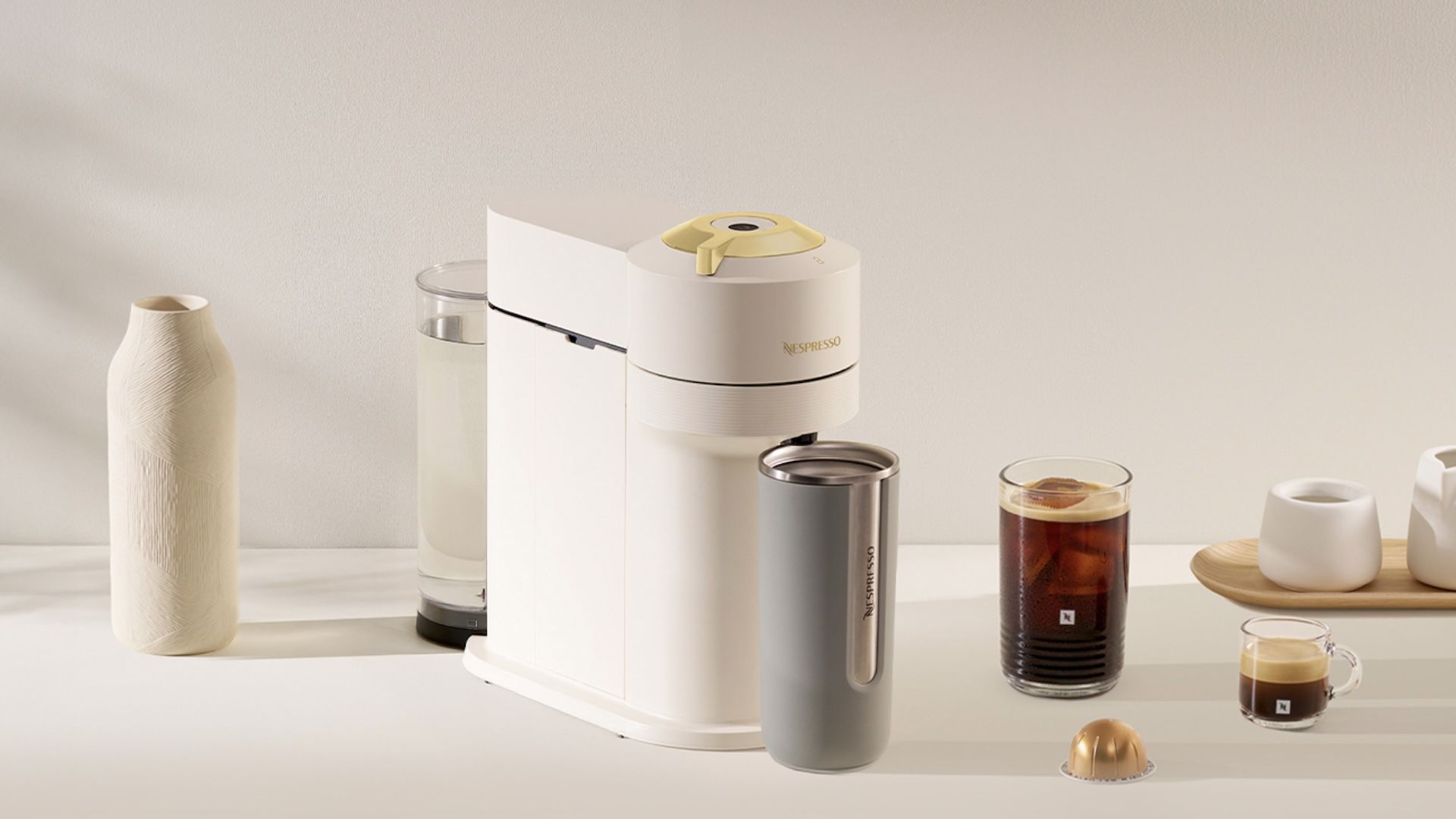
The Ecosystem Play: Hardware vs. Consumables
When a consumer purchases a discounted Nespresso or Lavazza machine for half its retail value, they are not just buying a piece of hardware; they are entering a proprietary subscription loop.
- Proprietary Pods: Many premium pod machines require specific capsule sizes and shapes. While third-party alternatives exist, a significant percentage of users remain loyal to the brand’s proprietary coffee capsules, which carry a higher profit margin than standard supermarket coffee beans.
- Recurring Revenue: Unlike a standard toaster or blender, which might sit idle for months, a coffee maker is used daily. This high frequency of use ensures a steady, predictable stream of consumable purchases—capsules, descaling kits, milk frother accessories, and specialty syrups.
Market Demographics and Consumer Psychology
Data analytics from major retail events consistently reveal fascinating insights into the coffee appliance buyer:
- Brand Loyalty: Consumers who buy into a premium coffee ecosystem exhibit a retention rate significantly higher than those who buy standard kitchen appliances. Once a household invests in a countertop machine, they rarely switch brands due to the sunk cost of compatible accessories and acquired taste preferences.
- The "Aspirational" Threshold: Industry studies show that many consumers view luxury espresso machines as aspirational purchases—products they deeply desire but hesitate to buy at full retail price due to economic uncertainty or perceived extravagance. A 40% to 50% discount during a high-profile shopping event acts as the ultimate psychological trigger, converting fence-sitters into active buyers.
Official Statements and Industry Insights
Retail editors, design experts, and brand representatives have noted a distinct shift in how consumers approach these shopping events. Daniel John, Design Editor at Creative Bloq, emphasizes the intersection of aesthetics and utility in modern tech journalism:
"If you’ve been looking to buy a coffee maker, now might be the right time. Amazon is positively teeming with deals on the things for major sales events, with some as much as 50% off. We highlight models that bring you the best combination of price, features, and positive customer reviews—not just because they make a great cup of coffee, but because they elevate the design language of modern living spaces."
Industry analysts point out that manufacturers are increasingly collaborating with tech platforms to ensure their flagship machines are prominently featured during peak shopping windows. A representative from a leading kitchen appliance manufacturer noted off-the-record:
"The goal during these mega-sales isn’t just volume movement; it’s household penetration. Every machine we place on a kitchen counter during a promotional window represents years of potential brand engagement, capsule sales, and eventual upgrades to next-generation models."
Future Outlook: What’s Next for the At-Home Coffee Market?
As we look toward the future, the convergence of smart technology, sustainability initiatives, and advanced extraction techniques will dictate the evolution of home coffee makers.
1. Smart Integration and IoT Connectivity
The next generation of coffee machines is moving beyond simple digital displays. We are seeing the integration of Wi-Fi and Bluetooth connectivity, allowing users to schedule brews via smartphone apps, monitor water hardness levels in real-time, and automatically reorder coffee pods when stock runs low. Voice assistant compatibility (such as Alexa and Google Home) is also transitioning from a novelty feature to a standard expectation for high-end models.
2. Sustainability and Eco-Consciousness
One of the most persistent criticisms of single-serve pod machines has been their environmental impact. In response, manufacturers are heavily investing in circular economy initiatives.
- Compostable Materials: Aluminium pods that are infinitely recyclable and paper-based, home-compostable capsules are rapidly replacing traditional single-use plastics.
- Energy Efficiency: Future machines are incorporating auto-shutoff features, rapid-heating thermoblock systems that draw power only when brewing, and eco-modes designed to minimize standby energy consumption.
3. The Blurring Lines Between Commercial and Domestic Tech
The technological gap between what you can buy at a specialty coffee shop and what sits on your kitchen counter is vanishing. Features once reserved for commercial-grade espresso machines—such as dual boilers, PID temperature control for thermal stability, and professional-grade steam wands—are now standard in high-end consumer appliances.
Conclusion
The massive discounts seen during events like Prime Day and Big Deal Days are much more than fleeting e-commerce promotions. They represent a fundamental restructuring of how we interact with our daily routines. By making high-end, beautifully designed coffee technology accessible to a broader audience, manufacturers and retailers are cementing the kitchen counter as the new epicurean center of the modern home. Whether you are chasing the perfect microfoam for morning latte art or simply seeking a faster, more elegant way to jumpstart your day, the at-home coffee revolution shows no signs of slowing down.