
Executive Overview
The internet is slowly, relentlessly eating itself. In an era marked by homogenisation across the digital landscape, social media platforms are no longer content with mastering their original niches. Instead, they are locked in an aggressive, boundary-eroding arms race to become the sole portal through which humanity consumes media. The latest salvo in this exhausting war of attrition comes from Meta, which has officially confirmed that Instagram is testing video uploads of up to 90 minutes for select creators.
For an application that launched in 2010 as a square-format photo-sharing square for nostalgic vintage filters, the pivot to feature-length content represents a staggering metamorphosis. Whether users are served hyper-condensed, attention-stealing short-form slop or sprawling, hour-and-a-half-long conversational meanderings, the modern algorithmic mandate remains unchanged: capture screen time at all costs.
This development does not merely signal a change in product features; it highlights a profound identity crisis within digital product design. As traditional boundaries separating TikTok, YouTube, Spotify, and Instagram dissolve, users are left navigating a monolithic ecosystem of endless content consumption. This comprehensive report examines Instagram’s new 90-minute video pilot, the economics driving the "podcast-ification" of social media, platform fatigue, and what this convergence means for the future of digital media consumption.
Detailed Chronology: From Vintage Polaroids to Feature-Length Feeds
To understand how Instagram arrived at the doorstep of feature-length cinema, one must trace the platform’s evolutionary trajectory—a journey marked by a systematic departure from its foundational ethos.
The Skeuomorphic Era (2010–2015)
When Kevin Systrom and Mike Krieger introduced Instagram to the world in October 2010, the app’s identity was built on deliberate constraint. The iconic brown, skeuomorphic camera icon promised a virtual darkroom. Photos were strictly square, filters were heavy-handed, and the focus was intensely visual, social, and finite. Users shared snapshots of meals, sunsets, and filters with tight-knit networks.
The Algorithmic and Video Pivot (2016–2020)
As Meta (then Facebook) acquired the platform, the chronological feed was replaced by an engagement-driven algorithm. The introduction of Instagram Stories in 2016—a direct clone of Snapchat’s ephemeral format—marked the beginning of the end for pure photo-sharing. This was followed by IGTV in 2018, an ambitious yet ultimately doomed attempt to house long-form, vertical video up to an hour long. IGTV failed because it asked users to alter their behavior, shifting from quick scrolling to dedicated long-form viewing within an app built for speed.

The Short-Form Boom and Reels (2020–2024)
Challenged by the meteoric rise of TikTok, Instagram launched Reels in 2020. Initially capped at 15 seconds, Reels gradually expanded to 30, 60, and eventually 90 seconds. The platform transformed into a high-velocity engine of short-form entertainment, training an entire generation of users to swipe frantically through fast-paced, highly targeted vertical video loops.
The Long-Form Incursion (Late 2024–Present)
Having conquered short-form video, Instagram is now circling back to long-form content—effectively resurrecting the corpse of IGTV, but with a crucial difference: the infrastructure and audience habits have changed. On Monday, Instagram quietly initiated a live test allowing select U.S.-based creators to upload videos up to 90 minutes long. This initiative, part of an internal project codenamed ‘Features,’ follows preliminary beta tests in markets like Brazil. Designed predominantly to capture the booming market for video podcasts and comedy specials, this pivot signals that Instagram is no longer satisfied with being your photo album or your quick-hit reel app. It wants to be your television network.
Supporting Context & Metrics: The Economics of "Brainrot" and the Podcast Industrial Complex
Why are social media executives so intent on turning Instagram into a digital living room where users sit through feature-length media? The answer lies in the intersection of production economics, ad monetization, and attention capture.
The Rise of the Video Podcast
Podcasting has transitioned from an audio-first medium to a visual powerhouse. Shows hosted by charismatic speakers discussing everything from pop culture to geopolitics have become cultural touchstones. Crucially, video podcasts are exceptionally cheap to produce. All a creator needs is a studio, a multi-camera setup, and guests who can keep an audience engaged for an hour or more.
By capturing this content, platforms solve a major industry problem: how to keep users inside the app for hours rather than minutes. Long-form video yields higher ad-insertion opportunities, deeper data collection regarding user behavior, and greater retention rates.
The Blurring Lines of Platform Identity
Consider the broader digital ecosystem. Spotify, an app born for music streaming, now forces video podcasts and clips onto its home screen. TikTok, the pioneer of micro-entertainment, has steadily expanded its maximum video upload length from 15 seconds to 10 minutes. YouTube, the undisputed king of long-form video, launched YouTube Shorts to capture the short-form market.

Every major technology company is striving to become the ultimate "Super App"—a singular digital destination that satisfies every possible entertainment impulse. Consequently, distinct boundaries have vanished. Users now inhabit a continuous media loop:
- The Appetiser: 15 minutes of hyper-stimulating micro-videos on TikTok.
- The Main Course: Catching up with Gen-Z or millennial video podcasters on Instagram for an hour.
- The Dessert: Unwinding with a deeply researched video essay on YouTube before sleep.
This seamless integration makes it increasingly difficult to switch off. The friction of opening different apps for different moods has been engineered away, replaced by infinite scrolling silos that swallow entire evenings.
Official Statements and Industry Reactions
While Meta has kept formal PR rollouts for the 90-minute video test relatively quiet—relying instead on creator-focused testing circles—the digital design community has been vocal.
Critics, cultural commentators, and designers alike have expressed deep fatigue over the relentless expansion of content parameters. Creators, however, find themselves caught in a complex double-bind.
"Whether it’s short-form, attention-stealing slop or long-form video rambling, it doesn’t seem to matter to Instagram, as long as there’s content," notes industry commentary surrounding the rollout.
For independent creators and brands, the pressure to adapt to changing platform algorithms is exhausting. A digital artist or designer who once built an audience on Instagram through static carousels and curated visual portfolios was first forced to pivot to Reels. Now, those same creators face an ecosystem that expects them to produce cinematic-length talk shows or risk algorithmic obscurity.
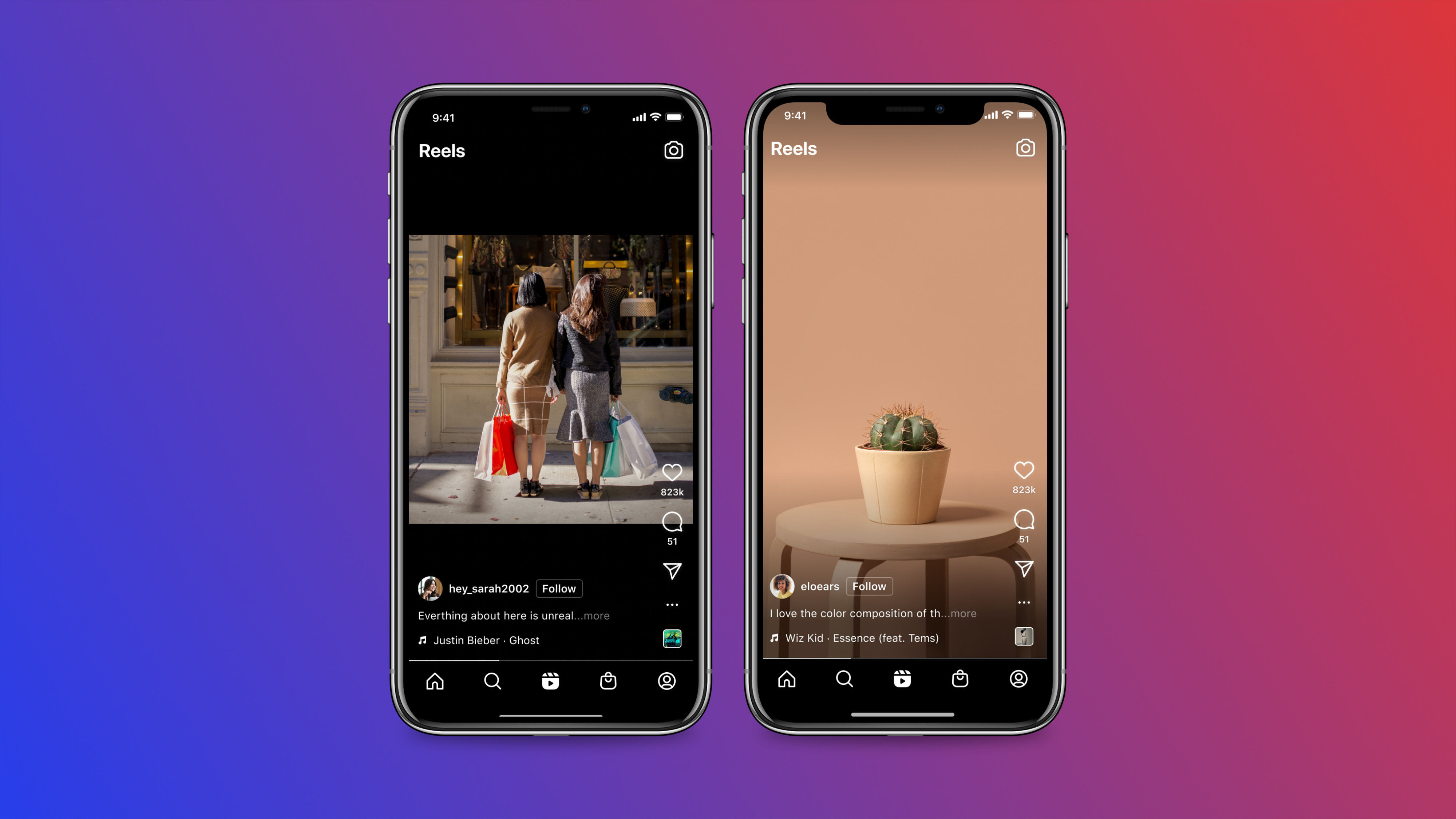
Industry analysts point out that while the test is currently limited to a handful of elite creators and comedians in the United States—following early trials in Brazil—features that enter Meta’s testing pipeline rarely disappear. If engagement metrics hold up during the beta phase, 90-minute uploads will likely roll out globally, changing the fundamental layout of the app’s content delivery systems.
Future Outlook: Navigating Platform Fatigue and the Post-Identity Internet
As Instagram creeps closer to territory traditionally owned by YouTube, Netflix, and Spotify, we must confront a sobering question: What happens when every app does everything?
1. The Paradox of Choice and Cognitive Exhaustion
When a platform attempts to be all things to all people, it risks losing its core utility. Instagram was originally loved because it was simple: a place to share photos with friends. As it bloomed into a messaging service, an e-commerce hub, a short-form video machine, and now a long-form streaming platform, the user experience has grown bloated. Cognitive fatigue is rising as users encounter an overwhelming volume of diverse media formats fighting for their attention simultaneously.
2. Can Instagram Beat YouTube at Its Own Game?
It remains highly uncertain whether long-form creators will abandon the safety and monetization maturity of YouTube for Instagram. YouTube has spent nearly two decades building robust recommendation algorithms tailored specifically for long-form viewing, alongside creator-friendly ad revenue splits. Instagram’s algorithm, by contrast, is hardwired for impulse swiping and rapid engagement. Convincing a user to sit through a 90-minute interview while notifications pop up every few minutes is an entirely different design challenge.
3. The Counter-Movement: A Desire for Frictionless Minimalism
As digital saturation deepens, signs of a counter-movement are emerging. A growing segment of digital consumers—particularly among younger demographics—is experiencing profound platform fatigue. The rise in popularity of "dumbphones," minimalist apps, and analog hobbies points to an underlying exhaustion with the internet eating itself.
Conclusion
Instagram’s test of 90-minute videos is a landmark moment in the homogenization of digital media. It proves that in the modern attention economy, no platform is allowed to stay in its lane. Whether this bold gambit succeeds or collapses under the weight of its own bloat, one thing is certain: our screens are becoming more crowded, our evenings more vulnerable, and the digital world increasingly uniform.