Executive Overview
The 2026 holiday advertising landscape has faced widespread public and critical backlash. Marred by widely panned campaigns—including the heavily criticized John Lewis Christmas commercial, a polarizing Dior holiday rollout, and Kim Kardashian’s baffling advent calendar—audiences have found themselves fatigued by high-concept consumerism lacking emotional resonance. Enter The Walt Disney Company, which has managed to single-handedly alter
the seasonal narrative.
Dropping quietly onto YouTube, Disney’s new live-action holiday short film, The Invisible Horse, has taken the internet by storm, moving millions of viewers to tears. Directed by acclaimed filmmaker Dougal Wilson (Paddington in Peru), the three-minute piece serves as the centerpiece for Disney’s wider "Make the Holidays Magic" campaign.
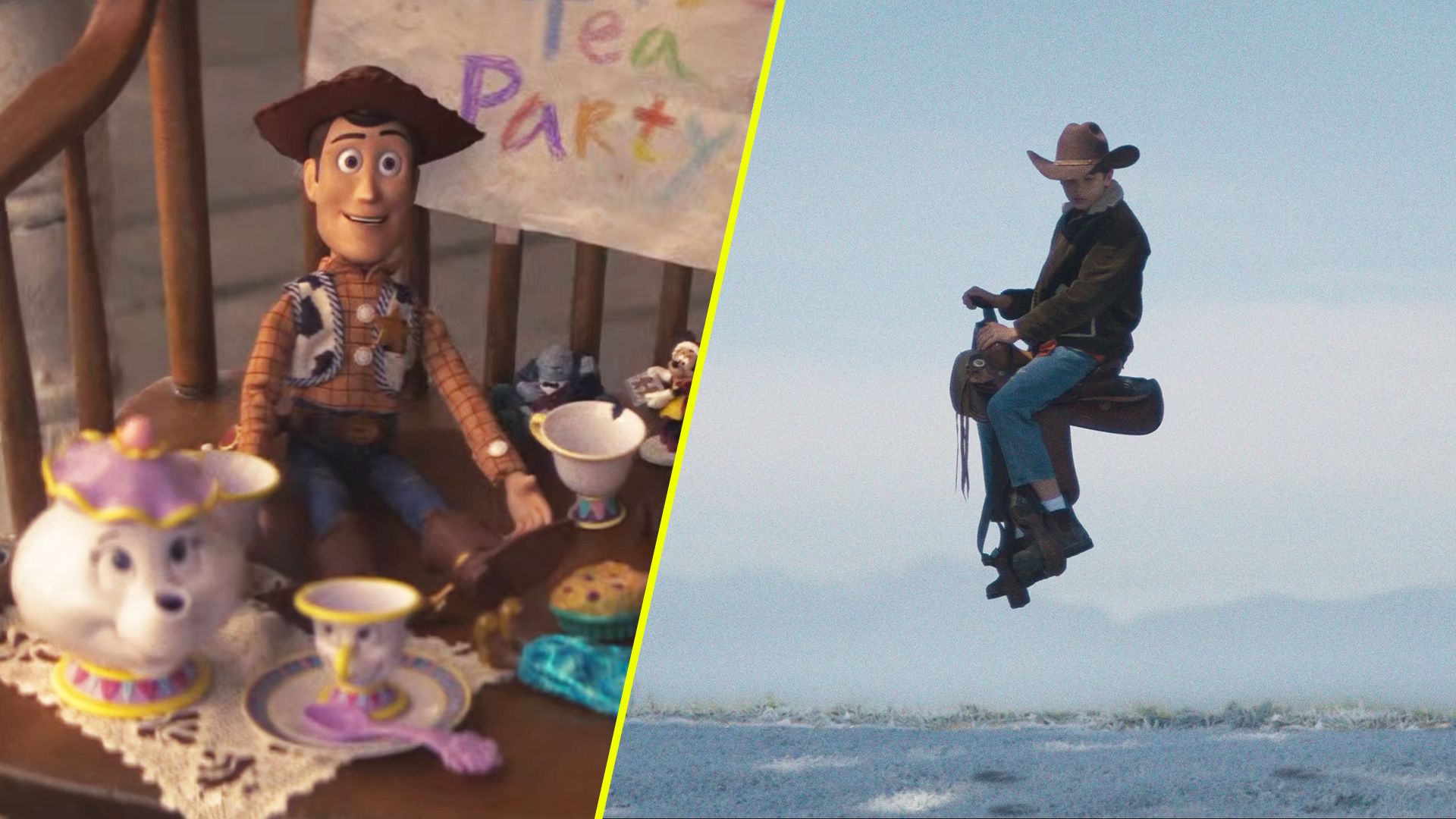
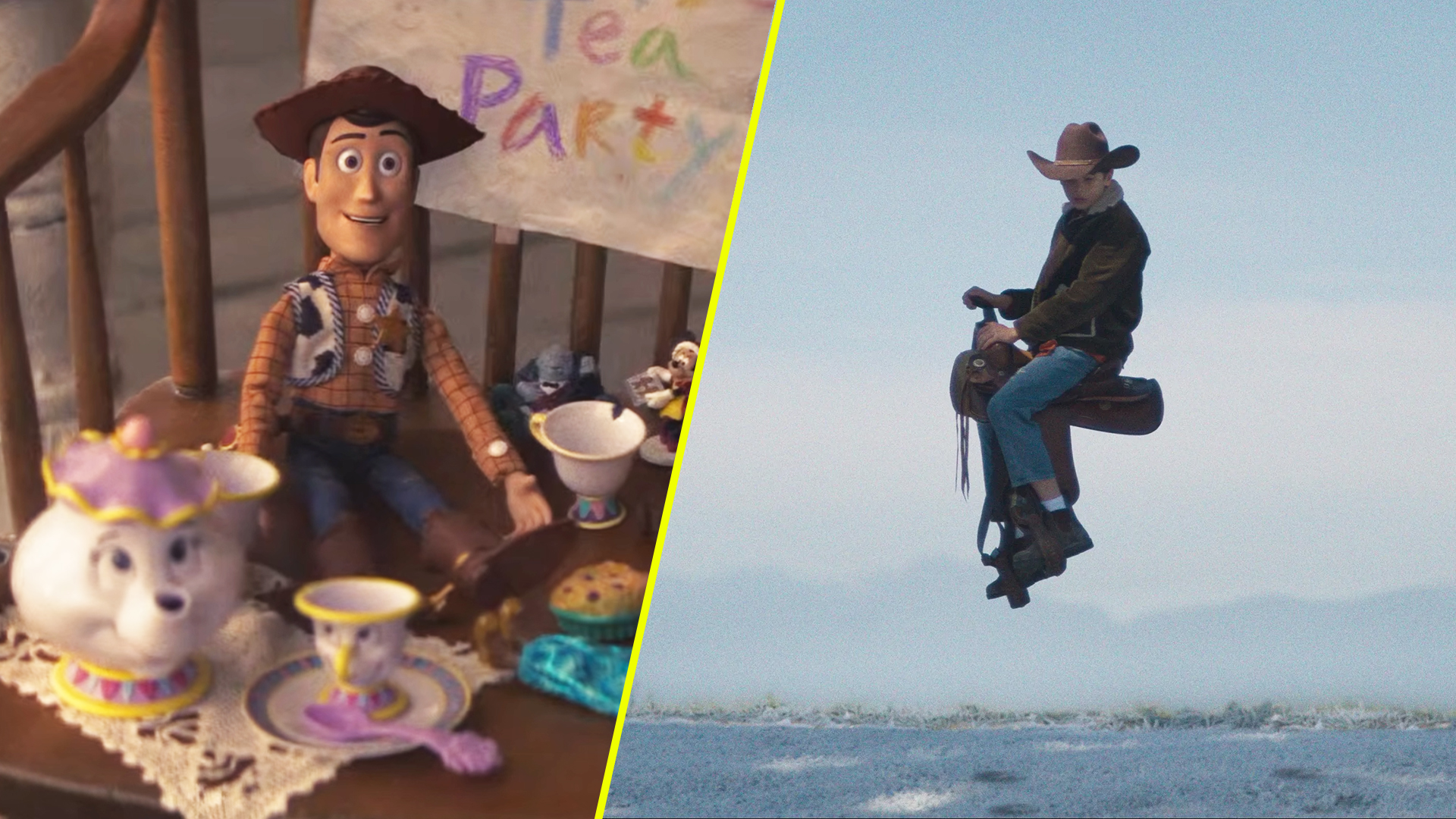
Far from being a standard, IP-stuffed marketing ploy, The Invisible Horse delivers a masterclass in emotional storytelling. It follows a cynical young boy named Jack who believes he is too old for the magic of Christmas, only to stumble upon what he perceives to be an invisible horse. While the short features subtle cameos from beloved icons like Toy Story’s Woody and Frozen’s Elsa, it relies instead on a deeply resonant, original narrative about growing up, maintaining childhood wonder, and finding connection.
This comprehensive report examines the cultural impact of The Invisible Horse, the creative vision of Dougal Wilson, the current state of 2026 holiday advertising, and how Disney’s strategic deployment of nostalgia is reshaping public perception during a turbulent period for the studio.
Detailed Chronology: The Making and Unveiling of The Invisible Horse
The journey of The Invisible Horse from concept to viral sensation represents a calculated effort by Disney to recalibrate its public-facing holiday strategy after a string of high-profile controversies across its animation and marketing divisions.
Pre-Launch and Production Secretes
Production on the short film was kept tightly under wraps throughout mid-2026. Disney enlisted Dougal Wilson, hot off his success with Paddington in Peru, to helm the project. Wilson was chosen for his proven ability to blend whimsical visual effects with grounded, emotionally heavy live-action storytelling—a hallmark of contemporary British family cinema.
Unlike previous corporate shorts that relied heavily on heavy-handed product placement or franchise immersion, Wilson and the creative team focused on a more intimate character study. The narrative centers on Jack, a pre-teen navigating the awkward threshold between childhood and adolescence. When Jack becomes convinced he is caring for an invisible horse, he faces skepticism and mockery from his peers at school. The production design deliberately juxtaposed the drab, gray realities of everyday school life with the warm, golden hues of imaginative belief.
The YouTube Drop and Viral Explosion
In late November 2026, Disney released The Invisible Horse directly to YouTube without a massive traditional broadcast preamble. Within hours, the algorithm caught fire. Viewers flooded the comment sections and social media platforms like X (formerly Twitter) and TikTok, sharing their emotional reactions.
Many early viewers noted that they had wept openly by the two-minute mark. However, the organic spread of the video also created a race against time for incoming viewers, as spoiler warnings quickly circulated across the web to protect the short’s unexpected narrative twist. Rather than leaning purely into cynical brand synergy, the short struck an immediate chord with an audience exhausted by the commercialized excess typical of late-November advertising.
Supporting Context & Metrics: The 2026 Holiday Ad Wars
To fully understand the cultural triumph of The Invisible Horse, it is necessary to examine the broader landscape of the 2026 festive advertising season, which has been characterized by deep consumer discontent.
A Disastrous Season for Competitors
The weeks leading up to Disney’s release saw a series of major marketing misfires:
- The John Lewis Backlash: Historically considered the gold standard of British Christmas advertising, the John Lewis flagship holiday commercial was met with a severe public mauling. Critics and consumers alike slammed the spot for being overly convoluted, tonally dissonant, and disconnected from the heartwarming simplicity of past campaigns.
- The Dior vs. Prada Contrast: In the luxury sector, Dior’s holiday advert faced heavy criticism for lacking the sophisticated class and animation grace displayed by rival Prada’s seasonal campaigns, highlighting a growing consumer intolerance for flashy yet soulless luxury promotions.
- Kim Kardashian’s Advent Calendar: Perhaps the most bizarre entry of the season, Kim Kardashian’s high-end advent calendar was widely lambasted across social media, with cultural commentators labeling it the "perfect metaphor for 2026"—excessive, out-of-touch, and entirely divorced from the realities of everyday consumers.
Disney’s Dual Narrative: Controversies and Redemption
Disney’s triumph with The Invisible Horse arrives at a critical juncture for the studio. The company has recently faced intense scrutiny regarding its upcoming theatrical releases, notably the persistent controversies surrounding Hexed and ongoing criticisms regarding "same-face syndrome" in modern Disney character designs.
For months, industry analysts questioned whether Disney had lost its creative compass, relying too heavily on recycled intellectual property and predictable formulas. By positioning The Invisible Horse just weeks before major theatrical debuts, Disney subtly reminded the public that its core creative engine is still capable of generating genuine emotional impact when it chooses storytelling over sheer corporate output.
Official Statements and Creative Insights
Industry leaders and the creative team behind The Invisible Horse have emphasized that the short’s success lies in its restraint and its focus on universal human truths rather than aggressive merchandise driving.
Dougal Wilson on Directing Magic
Director Dougal Wilson spoke briefly about the philosophy behind bringing Jack’s story to life. "When you deal with elements of childhood imagination—be it an invisible horse or a childhood toy coming to life—the danger is that it becomes overly saccharine," Wilson noted during an internal creative retrospective. "Our goal was to anchor the magical elements in real emotional vulnerability. Jack isn’t just seeing things; he is protecting a part of himself that the world tells him he needs to grow out of."
Disney’s "Make the Holidays Magic" Initiative
In official press communications, Disney framed the short within its broader "Make the Holidays Magic" campaign umbrella. A Disney spokesperson stated:
"Our objective this year was to weave together festive experiences, world-class entertainment, and meaningful gifting, while simultaneously backing initiatives that directly support children and families in need. ‘The Invisible Horse’ captures the essence of that mission—reminding us that the most powerful magic we can cultivate is the empathy and wonder we share with one another."
Marketing analysts have pointed out that while the short includes brief, blink-and-you-miss-it cameos from Toy Story’s Woody and Frozen’s Elsa, these appearances were kept intentionally minor. This restraint prevented the short from devolving into a cynical spin-off teaser, earning praise from cinephiles who feared Disney was turning the piece into a feature-film backdoor pilot.
Future Outlook: What The Invisible Horse Means for the Future of Brand Storytelling
The unexpected cultural resonance of The Invisible Horse offers several key takeaways for advertising agencies, entertainment conglomerates, and brand strategists moving forward into the late 2020s.
1. The Death of Heavy-Handed IP Exploitation
Audiences—particularly adult demographics who grew up with Disney classics (often self-identified as "Disney adults")—are increasingly fatigued by aggressive intellectual property synergy. The success of Wilson’s short proves that a brand does not need to hammer viewers over the head with recognizable characters to evoke nostalgia. A subtle dose of legacy iconography, paired with a powerful, original story, goes significantly further in building brand goodwill.
2. Authenticity Over Excess
As consumer skepticism reaches an all-time high in the face of economic pressures and tone-deaf luxury campaigns (such as Kim Kardashian’s advent calendar), brands must pivot toward authenticity. Holiday campaigns that acknowledge loneliness, growing pains, and emotional complexity consistently outperform those that rely purely on materialism and spectacle.
3. The Rebuilding of Brand Trust
For Disney, The Invisible Horse acts as a vital public relations balm. While the studio navigates complex discourse surrounding character design uniformity and controversial film slates like Hexed, this viral short has successfully recaptured the foundational goodwill that built the empire in the first place. It demonstrates that when Disney focuses on raw, unadorned emotional connection, it remains peerless in the realm of family entertainment.
As the 2026 holiday season reaches its peak, The Invisible Horse stands as a testament to the enduring power of narrative craftsmanship. In a year where Christmas advertising largely missed the mark, Disney reminded the world that true festive magic cannot be bought—it has to be felt.