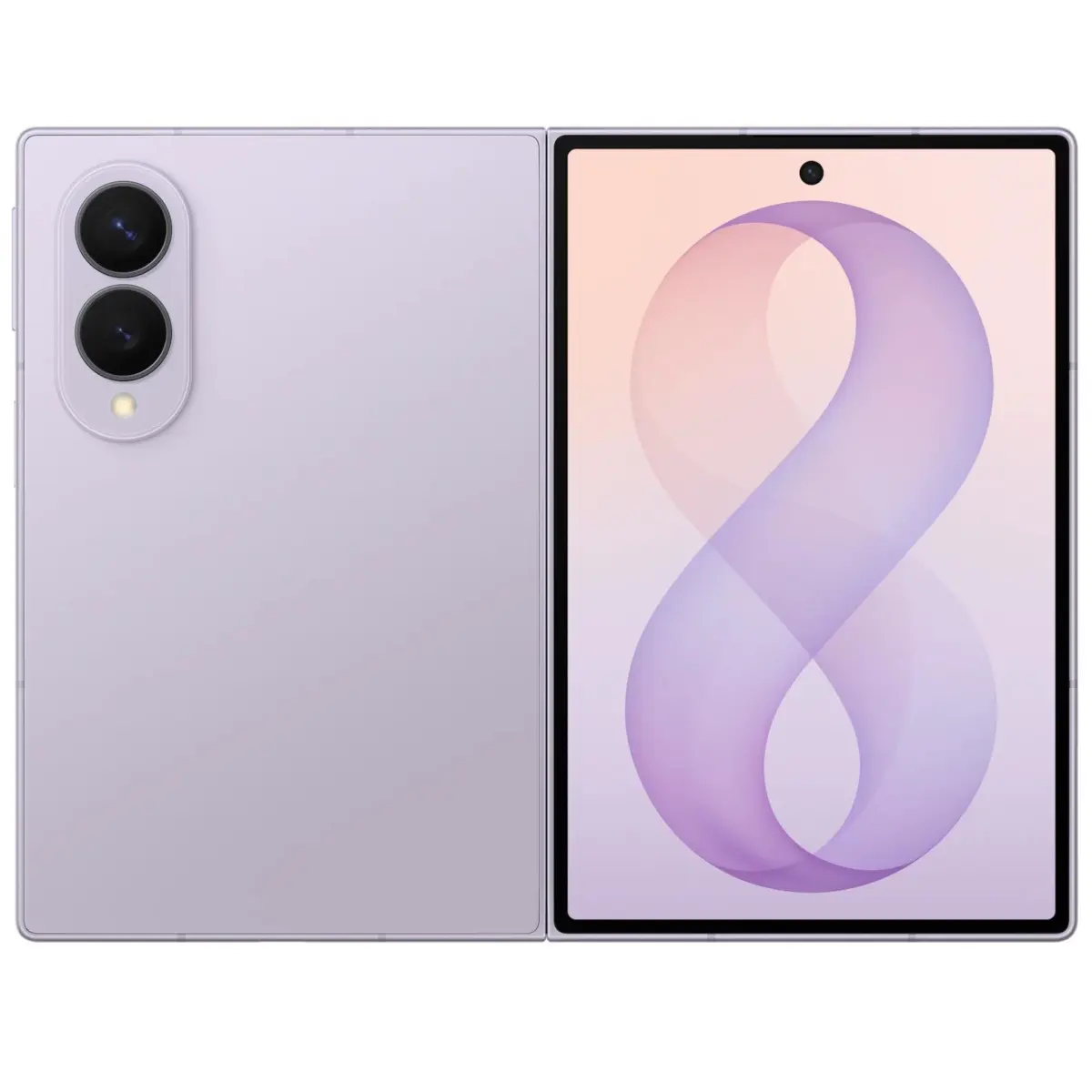
Executive Overview: A Paradigm Shift in Mobile Form Factors
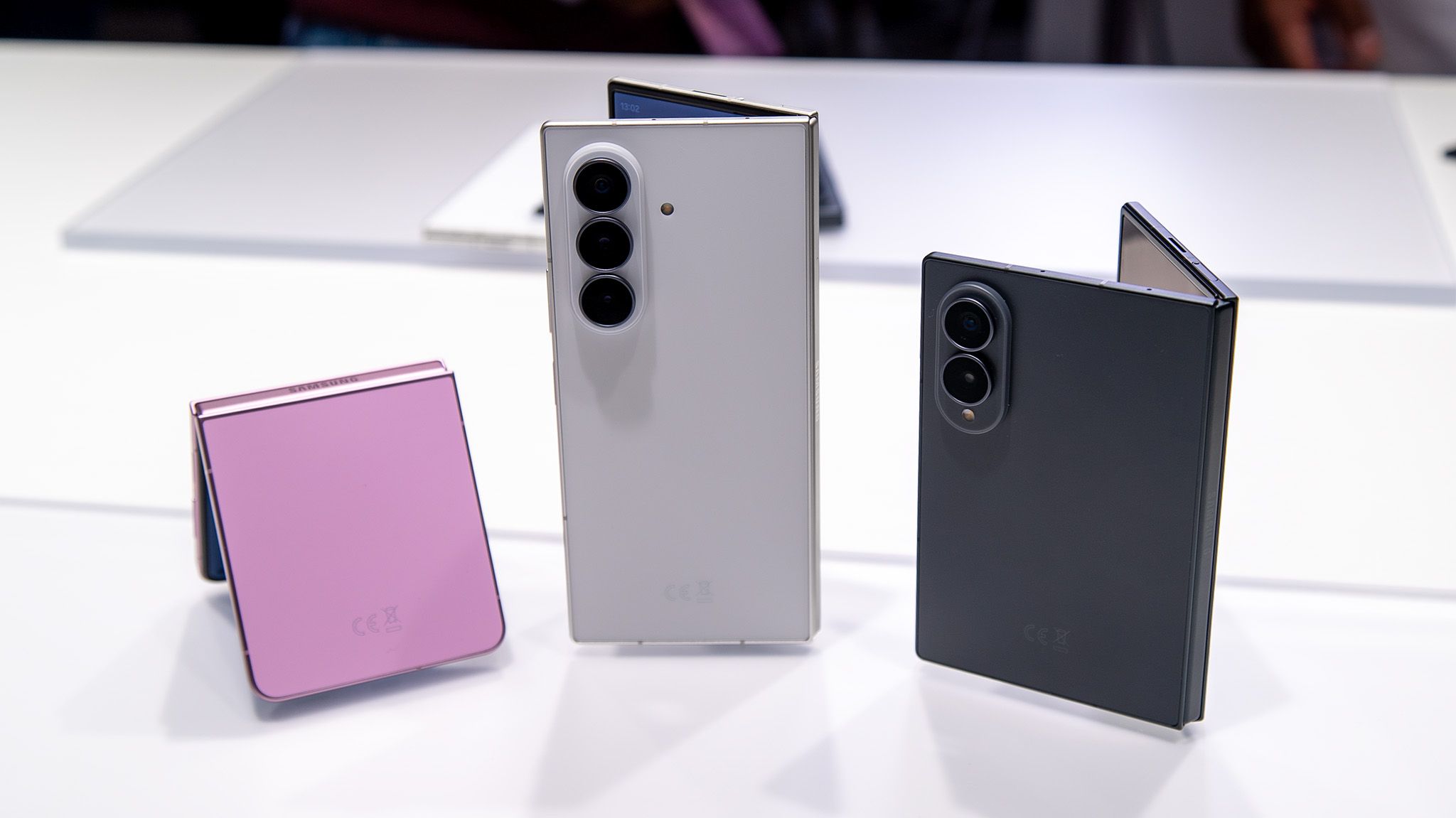
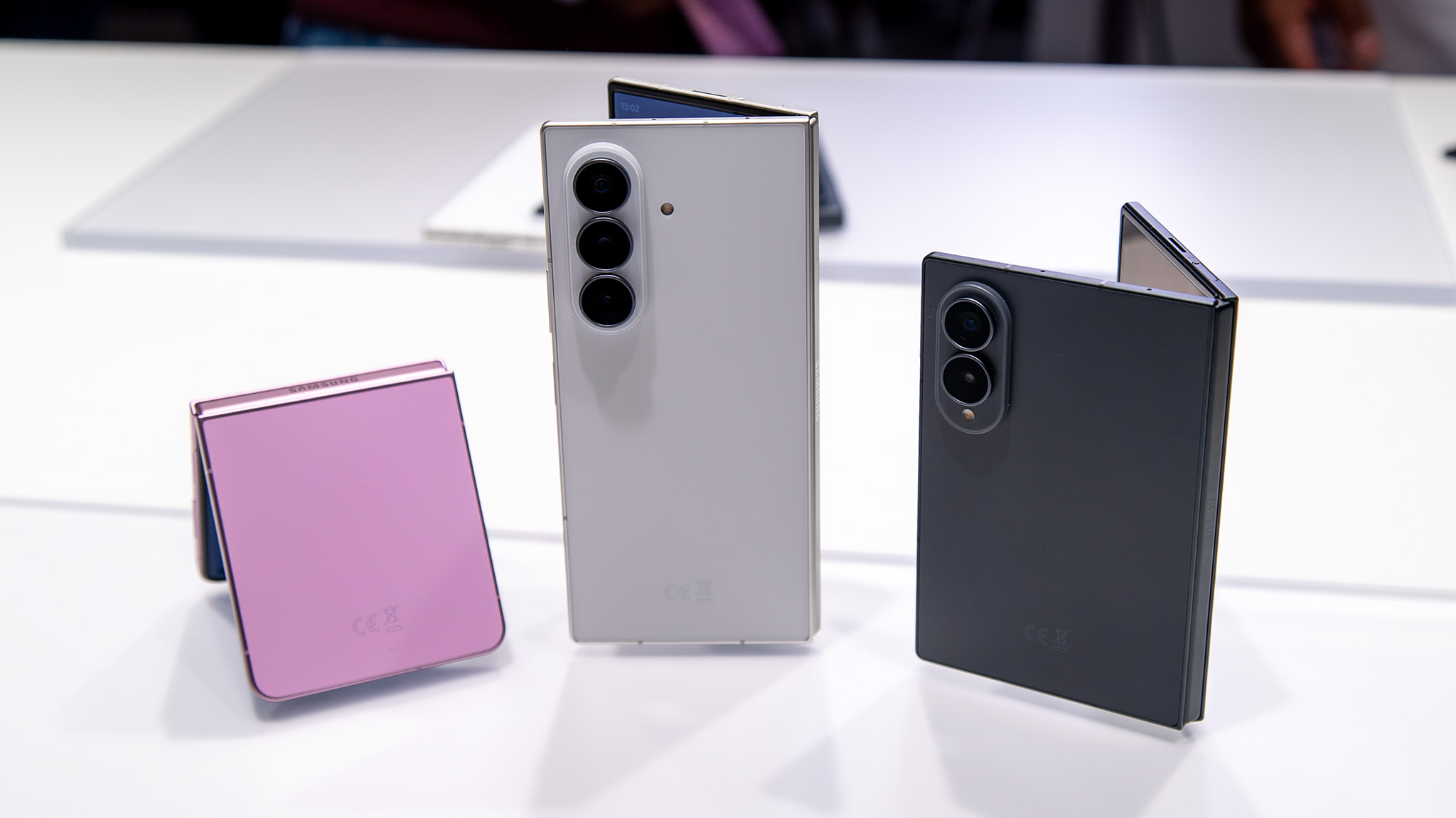
For nearly a decade, Samsung has been the undisputed architect of the foldable smartphone market. While early iterations were viewed by critics as fragile experiments, the current generation—spearheaded by the Galaxy Z Fold 8 and Z Fold 8 Ultra—has solidified these devices as mainstream powerhouses. However, according to emerging reports from industry insiders and supply chain analysts, 2027 is shaping up to be the most transformative year in the company’s history.
Reports circulating from noted tipsters suggest that Samsung is gearing up for an unprecedented expansion of its foldable portfolio. Beyond the iterative updates to the Flip and Fold series, the manufacturer is allegedly preparing to introduce a "Galaxy Z Slide" device and a successor to the elusive TriFold. This strategic shift signals that Samsung is no longer satisfied with merely defining the foldable category; it intends to fracture it into specialized segments that cater to productivity enthusiasts, luxury consumers, and those seeking the next evolution of screen real estate.
The 2027 Lineup: A Detailed Chronology of Rumored Devices
If the current supply chain intelligence holds true, Samsung’s 2027 roadmap represents a departure from the "one-size-fits-all" foldable strategy. Here is how the rumored landscape is beginning to take shape:
1. The Galaxy Z TriFold 2: A Second Chance at Innovation
The original Galaxy Z TriFold, while technologically impressive, was a short-lived endeavor, with production halted just three months after its release. Industry analysts suggest that this premature exit was due to durability concerns and a lack of software optimization. The Z TriFold 2 is expected to address these critical failure points. Sources claim the device will be thinner, significantly more durable, and priced in the premium tier—estimated at approximately $2,800. This device is positioned as a "halo" product, designed to showcase Samsung’s mastery of multi-hinge engineering.
2. The Mysterious "Galaxy Z Fold 9 Pro"
Perhaps the most intriguing addition to the leaked roadmap is the "Galaxy Z Fold 9 Pro." Its existence creates a branding conundrum: where does it sit between the standard Fold 9 and the top-tier Fold 9 Ultra? Experts speculate that the "Pro" moniker may denote a focus on specific enterprise-grade features, potentially including advanced stylus integration, specialized cooling for high-performance computing, or an enhanced camera array that bridges the gap between the standard foldables and the Ultra model.
3. The Galaxy Z Slide: Beyond the Fold
The most anticipated development is the "Galaxy Z Slide." Unlike traditional foldables that rely on hinges and creases, the Slide utilizes rollable display technology. This technology, which has appeared in various forms at trade shows like CES 2025, allows the screen to expand horizontally or vertically, providing a seamless surface without the physical protrusion of a hinge.
Supporting Context: The Evolution of Display Technology
To understand why Samsung is moving toward these new form factors, one must look at the progress made by Samsung Display. At CES 2025, the company showcased prototypes that provide a blueprint for the future of mobile hardware.
The "Slidable Flex" Prototypes
- The Slidable Flex Duet: A device that expands from a compact 8-inch form factor to a massive 12.4-inch tablet experience. This is intended to challenge the traditional tablet market, offering a device that fits in a pocket but functions as a desktop-replacement workspace.
- The "Solo" Concept: A larger, more robust rollable that transitions from 13 inches to 17.3 inches. This concept suggests that Samsung is looking at the line between "smartphone" and "portable monitor" as an area for extreme disruption.
The transition from "foldable" to "slidable" is not merely aesthetic. It addresses the primary pain point of current foldables: the crease. Rollable technology promises a flat, uninterrupted viewing experience, which is the "holy grail" for content creators and professionals who rely on high-fidelity visual output.
Market Analysis: The Economics of the "Super-Foldable" Era
The decision to expand the lineup comes at a time when the smartphone market is reaching a saturation point. With the average consumer holding onto devices for longer, manufacturers are looking for "wow factor" devices to drive upgrade cycles.
The Pricing Dilemma
The reported $2,800 price tag for the TriFold 2 highlights the existential challenge facing Samsung: the "luxury barrier." While early adopters are willing to pay a premium for experimental hardware, long-term market dominance requires a balance between innovation and accessibility. The Fold 8, which was praised for its refined, slightly wider, and more ergonomic design, proved that consumers prioritize usability over gimmicks. Samsung must ensure that the "Slide" and "Pro" variants offer tangible utility—such as improved battery life and multitasking capabilities—to justify their likely eye-watering price points.
Competitive Pressure
The landscape is no longer empty. With the emergence of competing concepts—such as the hypothetical iPhone "Duo" or the aggressive expansion of Chinese OEMs like Honor and Xiaomi—Samsung is acting proactively. By diversifying its portfolio, the company is attempting to occupy every possible niche, ensuring that if a user wants a foldable, they have a Samsung option tailored to their specific lifestyle, whether it be for gaming, content creation, or enterprise management.
Future Outlook: The Road to 2027
As we look toward the 2027 horizon, the success of these devices will depend on three pillars:
- Software Optimization: Hardware is only as good as the operating system running it. Samsung will need to collaborate closely with Google to ensure Android’s interface can fluidly transition between a 6-inch phone and a 12-inch rollable display without software bugs or scaling issues.
- Durability: The "hinge fatigue" and "screen delamination" issues of the early 2020s must be fully resolved. For a device costing nearly $3,000, consumers will demand a multi-year lifespan that rivals traditional slab smartphones.
- Use-Case Clarity: The "Slide" concept must answer a simple question: What can I do on this that I cannot do on a Fold 9? If the answer is just "it looks cool," the market may struggle to adopt it.
Conclusion: A Gamble on the Future
Samsung’s 2027 roadmap is a bold, high-stakes gamble. By betting on both the evolution of the hinge (TriFold) and the revolution of the scroll (Slide), the company is attempting to keep its crown as the innovator-in-chief. While rumors are rarely 100% accurate, the trajectory is clear: the era of the standard rectangular smartphone is effectively over. We are entering an era of "chameleon devices" that change shape to fit the task at hand. Whether or not these devices reach the hands of the average consumer or remain high-end collector items remains to be seen, but one thing is certain—the next three years will be the most exciting period in mobile hardware development since the launch of the original iPhone.