Executive Overview
In the hyper-competitive landscape of high-end personal audio, few manufacturers manage to fundamentally disrupt established design paradigms. For decades, the pursuit of the ultimate audiophile listening experience—characterized by an expansive soundstage, razor-sharp transient response, and uncompromising tonal accuracy—has required listeners to navigate significant compromises. Traditional open-back dynamic headphones have often struggled with structural resonance and driver breakup, while planar magnetic alternatives, though celebrated for their speed and detail, frequently introduce severe weight penalties that restrict long-term listening comfort.
Enter German audio innovator HEDD Audio (Heinz ElectroDynamic Designs). Founded by veteran acoustician Heinz Gerhard—a titan in the professional studio monitor industry—the company first made waves with its idiosyncratic, air-motion transformer (AMT) based HEDDphones. While those massive studio-grade transducers delivered astonishing resolution, their physical heft and demanding power requirements relegated them to niche markets.
The introduction of the HEDDphone D1 marks a profound shift in engineering philosophy. By pioneering the world’s first dynamic driver utilizing a Thin-Ply Carbon Diaphragm (TPCD)—developed in strategic partnership with Swedish material science specialists Composite Sound—HEDD has ostensibly cracked the acoustical code. Reviewers and acoustic engineers alike have hailed the D1 as a masterclass in modern transducer design.
Now, in an unexpected early holiday development, retail pricing for this critical darling has plummeted. Originally commanding a premium of £599, the HEDDphone D1 has received its first major markdown, dropping to £499 at specialist retailer Peter Tyson. This price correction transforms an already exceptional value proposition into one of the most compelling high-end headphone purchases available on the global market. For audio enthusiasts, music producers, and critical listeners, this early Black Friday promotion represents a rare opportunity to acquire state-of-the-art acoustic engineering at a remarkably accessible entry point.
Detailed Chronology: From Concept to Audio Industry Disruption
To fully appreciate the significance of the HEDDphone D1 and its current market pricing, it is essential to trace the chronological evolution of HEDD Audio’s consumer headphone division and the rigorous R&D pipeline that birthed the TPCD driver.
Phase One: The AMT Foundation (2019–2021)
HEDD Audio initially entered the consumer and professional headphone space with the original HEDDphone (later dubbed the One). Utilizing a proprietary Air Motion Transformer (AMT), these headphones leveraged folded membrane technology traditionally reserved for high-end studio monitors. While the transient speed and upper-midrange clarity were widely praised, the driver’s large physical footprint resulted in a massive chassis. Weighing well over 700 grams, the original HEDDphone tested the neck strength of even the most dedicated audiophiles.
Recognizing that heavy gear limits usability, HEDD’s engineering team—led by Gerhard and his successor, who took over technical direction—began investigating how to scale down their uncompromising performance ethos into a lighter, more versatile, and cost-effective form factor without sacrificing acoustic integrity.
Phase Two: The Material Science Breakthrough (2022–2023)
The genesis of the D1 began when HEDD partnered with Composite Sound, an advanced materials firm based in Sweden. Traditional dynamic headphone drivers rely on diaphragms made of paper, plastics (such as Mylar), or woven textiles. While affordable and easy to manufacture, these materials flex unevenly under high stress, causing harmonic distortion and modal breakups.
Composite Sound introduced HEDD to Thin-Ply Carbon Diaphragm (TPCD) technology, an aerospace-grade material composed of ultra-thin layers of carbon fiber oriented in multi-directional angles. TPCD had previously found high-performance applications in extreme motorsport aerodynamics and high-end loudspeaker cones, but deploying it within the minuscule tolerances of a headphone dynamic driver had never been successfully achieved.
By fusing TPCD technology with a custom-engineered voice coil and motor structure, HEDD eliminated the need for traditional, energy-absorbing driver damping materials. This development drastically reduced unwanted resonances at the structural level.
Phase Three: Commercial Launch and Critical Acclaim (Late 2023)
The HEDDphone D1 officially debuted to the global market, positioning itself as an affordable, lightweight introduction to top-tier personal audio. Unlike its heavyweight predecessor, the D1 was purpose-built for diverse listening environments—compatible not just with massive desktop headphone amplifiers, but also with portable USB dongle DACs.
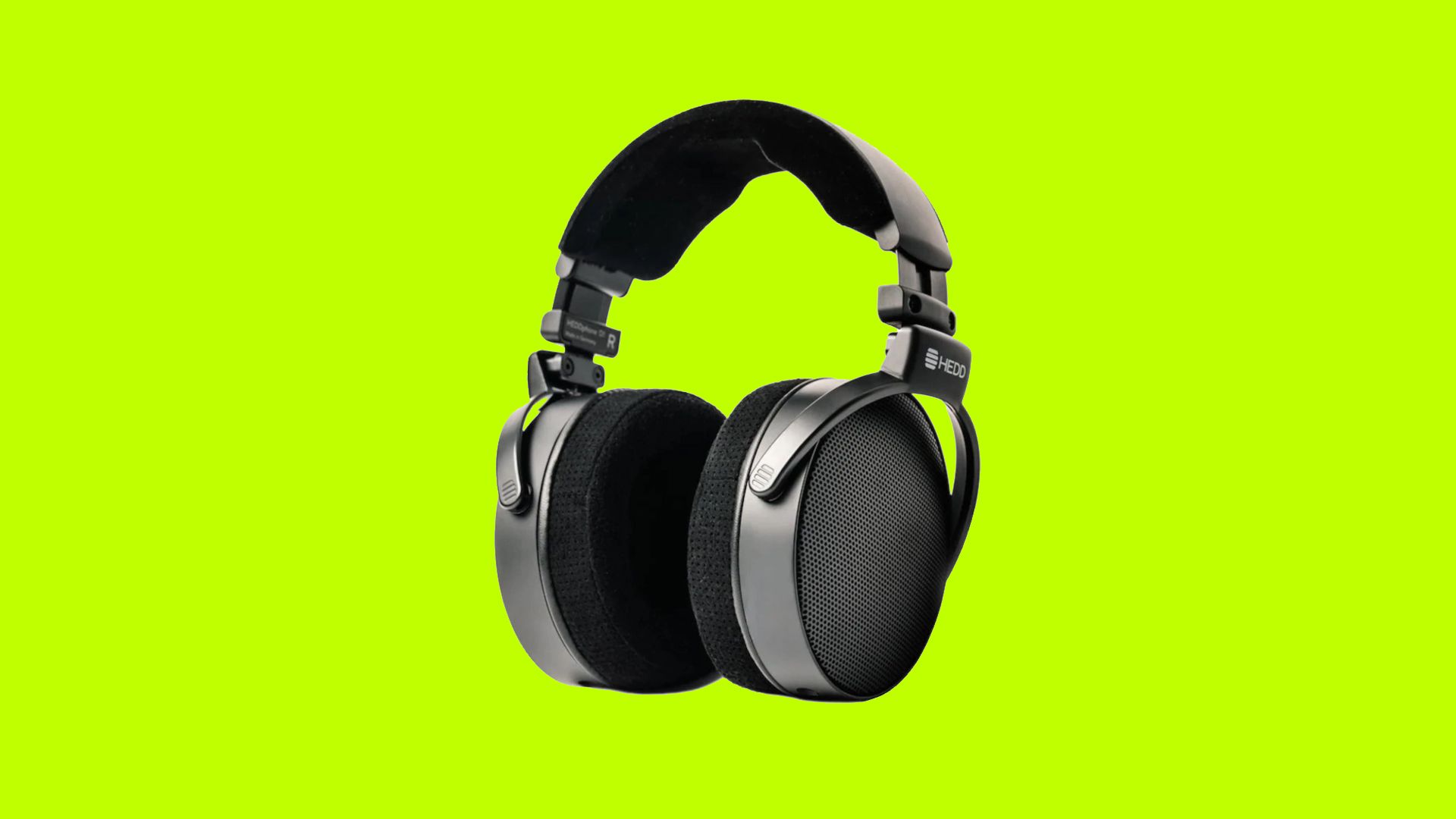
Industry critics immediately singled out the D1 for its ability to combine the lightning-fast transient response of planar magnetics with the punchy, visceral slam of a traditional dynamic driver.
Phase Four: The Retail Breakthrough (Current Market Status)
Within less than a year on the market, the HEDDphone D1 has transitioned from a boutique luxury item into a mainstream disruptor. The recent promotional price drop to £499 marks a watershed moment. By shaving £100 off the standard MSRP, retailers like Peter Tyson have effectively lowered the financial barrier to genuine high-end audio engineering, sparking a surge in demand across consumer and professional forums.
Supporting Context & Technical Metrics: Breaking Down the D1
To understand why audio professionals and gear reviewers consider the HEDDphone D1 a generational leap forward, one must examine the hard metrics and underlying physics that govern its performance.
1. The Thin-Ply Carbon Diaphragm (TPCD) Advantage
In a conventional dynamic headphone, the electrical signal passes through a voice coil attached to a diaphragm, moving it back and forth to push air. As the frequency increases, standard diaphragms begin to "break up"—bending unevenly and producing spurious resonances that color the sound.
The TPCD utilized in the D1 boasts an exceptionally high stiffness-to-weight ratio. Because the carbon layers are distributed symmetrically and compressed under immense pressure, the diaphragm acts almost entirely as a perfect piston throughout its operating frequency range.
- The Result: Blisteringly fast transients, pristine high-frequency extension, and virtually zero audible distortion even when reproducing complex orchestral passages or densely layered electronic music tracks.
2. Ergonomics and Weight Management
One of the most persistent criticisms leveled against high-end headphones is ergonomic fatigue. Premium open-back models routinely exceed 450 to 600 grams, leading to "hot spots" on the crown of the head and strained neck muscles during extended listening sessions.
HEDD meticulously optimized the physical footprint of the D1:
- Weight: 350 grams (unladen). This places the D1 firmly in the lightweight category for open-back dynamic flagships, rivaling consumer-grade wireless headphones while housing uncompromising audiophile-grade components.
- Chassis Construction: A blend of durable industrial plastics and lightweight aluminum ensures structural rigidity while keeping mass to an absolute minimum.
- Earpads: Generously padded, breathable velour/leatherette hybrid cushions distribute clamping force evenly across the jawline and temporal bone, facilitating hours of fatigue-free listening.
3. Electrical Efficiency and Driveability
Historically, acquiring true audiophile performance meant investing in a dedicated, high-voltage desktop headphone amplifier. High-impedance designs (such as 300-ohm models) or inefficient planar magnetics simply refused to yield their full dynamic potential when plugged into a smartphone or laptop.
The HEDDphone D1 shatters this convention:
- Impedance: 32 ohms.
- Sensitivity: Approximately 100 dB SPL/mW.
These electrical parameters mean the D1 is remarkably easy to drive. While it scales gracefully with high-end balanced desktop rigs, it can be driven to thunderous, distortion-free volumes using inexpensive portable dongle DACs (such as the Astell&Kern, Questyle, or FiiO ranges) connected directly to a smartphone, tablet, or laptop. This versatility transforms the D1 from a stationary studio tool into a flexible daily driver.
Official Statements and Expert Commentary
The industry reception of the HEDDphone D1 has been defined by genuine enthusiasm from reviewers who spend their lives evaluating thousands of audio products.
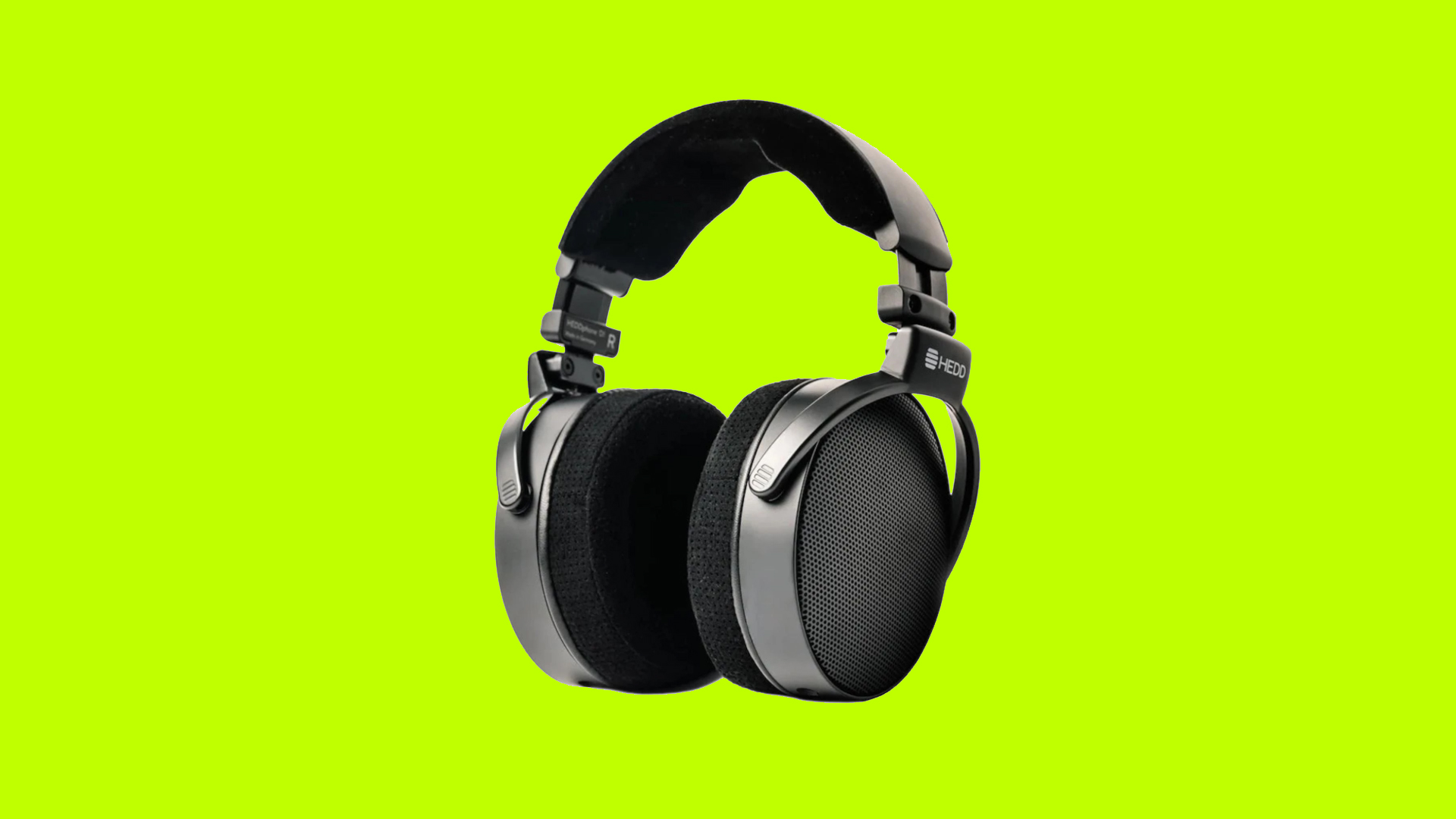
Reflecting on the sonic character of the device during benchmark testing, lead tech and ecommerce gear reviewers noted:
"Open-back headphones are the holy grail for audiophiles craving a spacious soundstage, but they usually offer some unique hurdles to achieve true tonal accuracy. When I first heard the HEDDphone D1, I said that the German audio company had cracked the code. It’s why they remain my top pick of the best-sounding wired, over-ear headphones at any price."
Addressing the marketing claims surrounding the carbon diaphragm technology, industry analysts remarked:
"Usually I don’t pay the marketing hype much time, but I make an exception with the HEDDphone D1. That’s because they offer the world’s first dynamic driver headphone with a Thin-Ply Carbon Diaphragm (TPCD). Developed in partnership with Swedish material specialists Composite Sound, this aerospace-grade tech controls resonance structurally, eliminating the need for normal driver damping. What that all means for me and you is fast transients, and excellent clarity. These things are detailed!"
Audio engineers who have integrated the D1 into professional workflows have similarly praised its translation accuracy. Unlike consumer headphones tuned with exaggerated "V-shaped" frequency curves (bloated bass and piercing treble), the D1 offers a neutral, highly transparent presentation that reveals flaws in poor master recordings while elevating pristine mixes to breathtaking levels of realism.
Future Outlook: The Evolution of Personal Audio
As the personal audio market continues to mature, the trajectory set by the HEDDphone D1 points toward an exciting future for consumer technology.
1. Material Science as the New Frontier
For years, acoustic innovation was largely incremental—tweaking magnet strengths, modifying voice coil windings, or adjusting acoustic venting. The successful commercialization of TPCD by HEDD Audio and Composite Sound demonstrates that cross-industry material science (borrowed from aerospace and automotive engineering) will dictate the next generation of high-end audio performance. Expect other major headphone manufacturers to scramble to develop their own exotic composite diaphragms in the coming years.
2. Democratization of Flagship Sound
The blurring lines between desktop-dependent flagships and efficient, easily drivable transducers represent a massive win for everyday consumers. By engineering the D1 to operate efficiently off a 32-ohm load, HEDD has eliminated the "hidden tax" of high-end audio—namely, the requirement to purchase a costly dedicated amplifier to make the headphones usable.
3. Market Impact of Promotional Pricing
With major retailers like Peter Tyson slashing the price of the HEDDphone D1 from £599 to £499, the competitive pressure on rival brands (such as Sennheiser, Focal, and Beyerdynamic) intensifies. Consumers are no longer willing to accept sluggish transient response or excessive weight in the sub-£500 bracket.
Conclusion
The HEDDphone D1 is far more than just another entry in an overcrowded market; it is a technological showcase that bridges the gap between laboratory-grade acoustic precision and real-world usability. Whether you are a seasoned audiophile looking to downsize your gear footprint without sacrificing resolution, or a digital creator searching for an impeccably honest monitoring tool, the D1 represents a benchmark investment.
With its current limited-time discount to £499, there has never been a more opportune moment to experience what modern German acoustic engineering and Swedish material science can achieve. For those dedicated to the pursuit of pure sound, the HEDDphone D1 is, without question, money well spent.