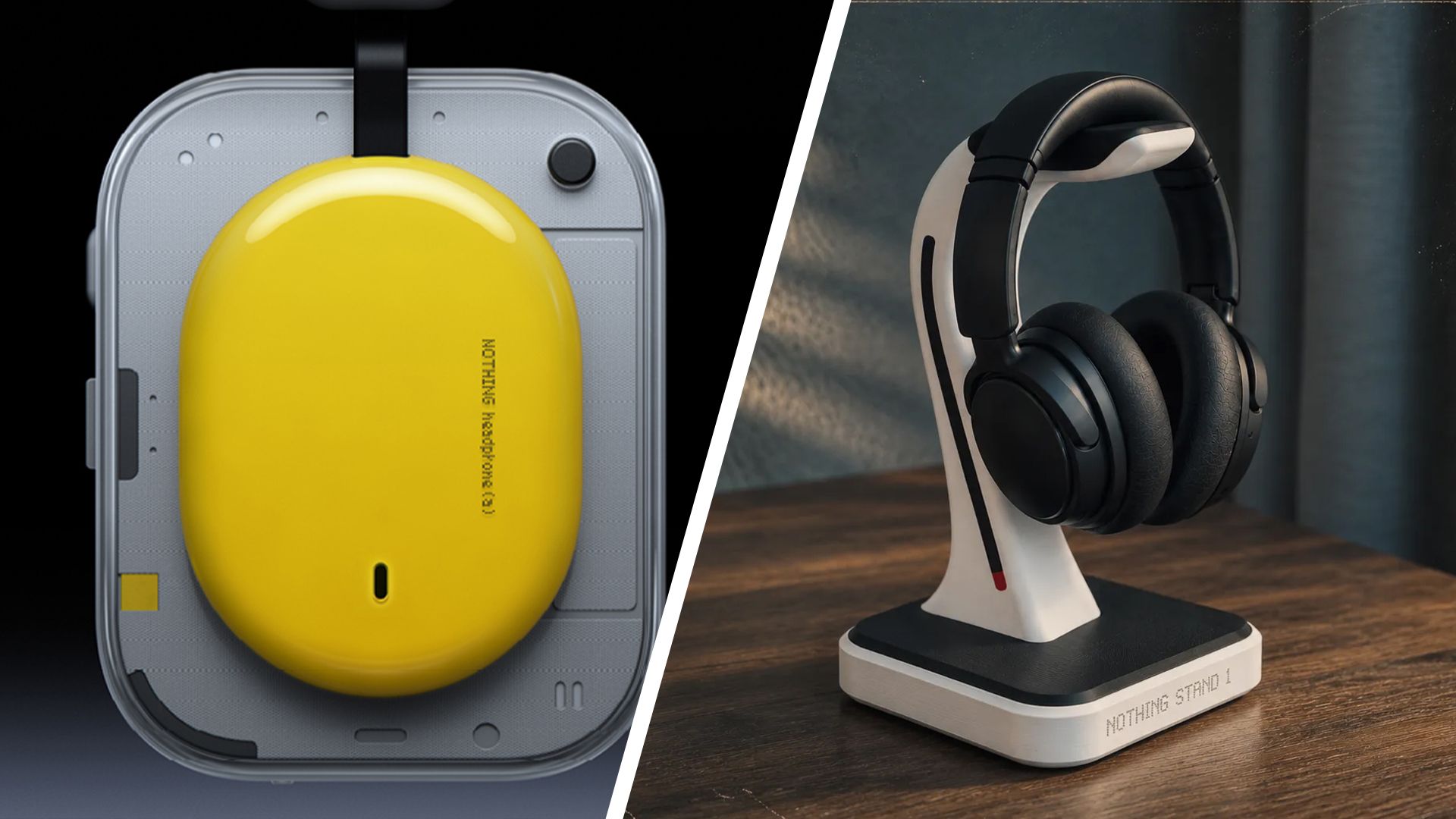
The intersection of consumer electronics and community-driven manufacturing has reached a compelling new milestone. Bambu Lab, an industry leader in high-performance consumer 3D printing, has teamed up once again with Nothing, the design-forward technology brand known for its transparent aesthetics and disruptive industrial design. Together, they have launched the "Let’s Make It: MakerWorld × Nothing Headphone Accessory Design Challenge."
This ongoing collaborative design competition invites global makers, CAD designers, and hobbyists to engineer custom, functional, and visually striking 3D-printable accessories tailored specifically for Nothing’s audio ecosystem—namely the Headphone (1) Pro, Headphone (1), and Headphone (a).
With enticing prizes on the line—including the yet-to-be-released Nothing Headphone (1) Pro and Bambu Lab’s cutting-edge hardware—the contest is more than just a creative exercise. It highlights a broader paradigm shift in modern product design: original equipment manufacturers (OEMs) are increasingly handing over the keys to hardware customisation directly to the consumer base. By embracing open-source hardware principles and leveraging platforms like MakerWorld, brands like Nothing and Bambu Lab are redefining how hardware is consumed, personalized, and sustained throughout its lifecycle.
Detailed Chronology: The Evolution of Brand-Led Open-Source Collaboration
To understand the significance of the current Headphone Accessory Challenge, one must look at how the partnership between Nothing, its sub-brand CMF, and Bambu Lab has progressively evolved over recent product release cycles.
Phase 1: Establishing the Blueprint with the CMF Phone 1
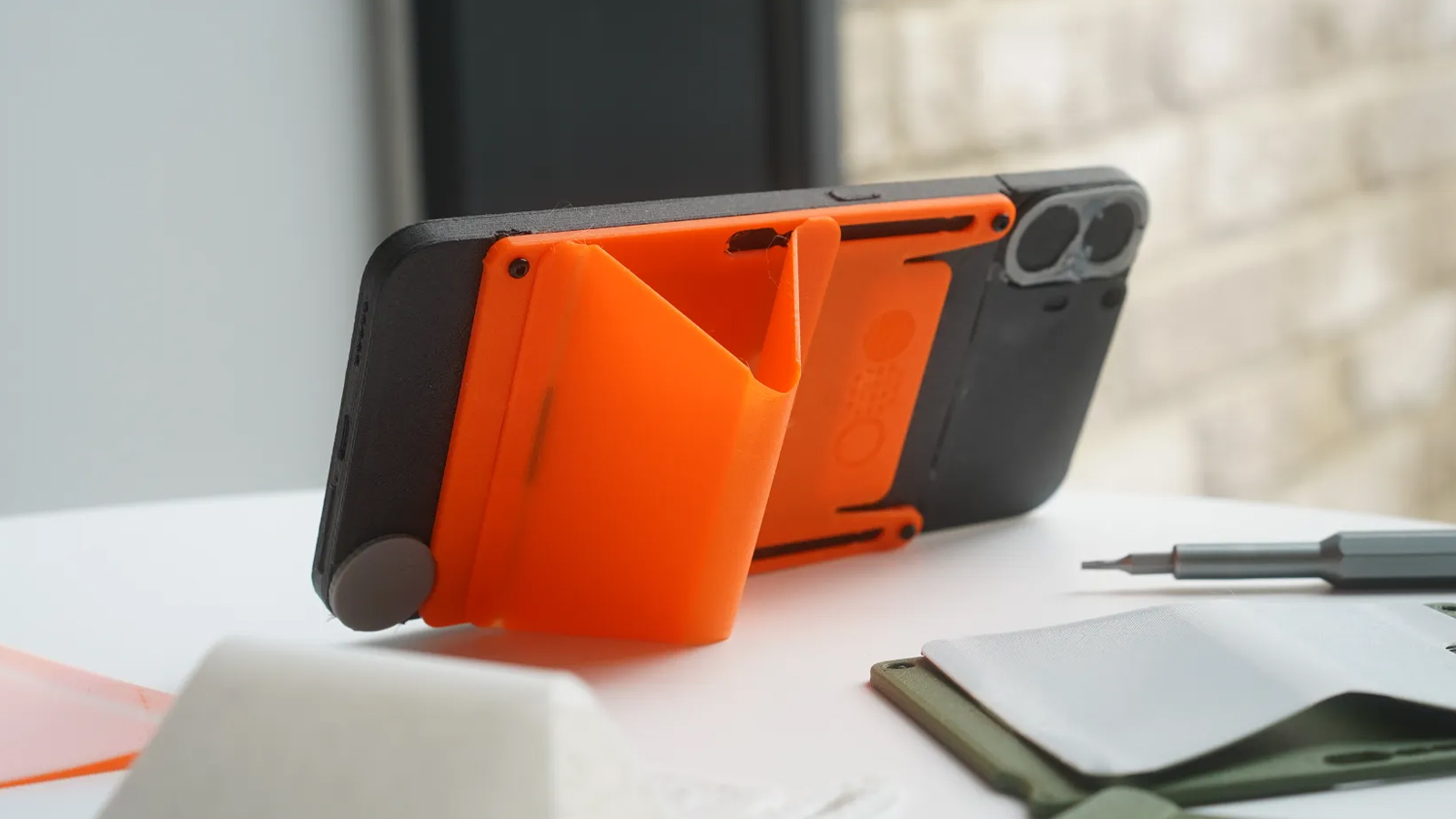
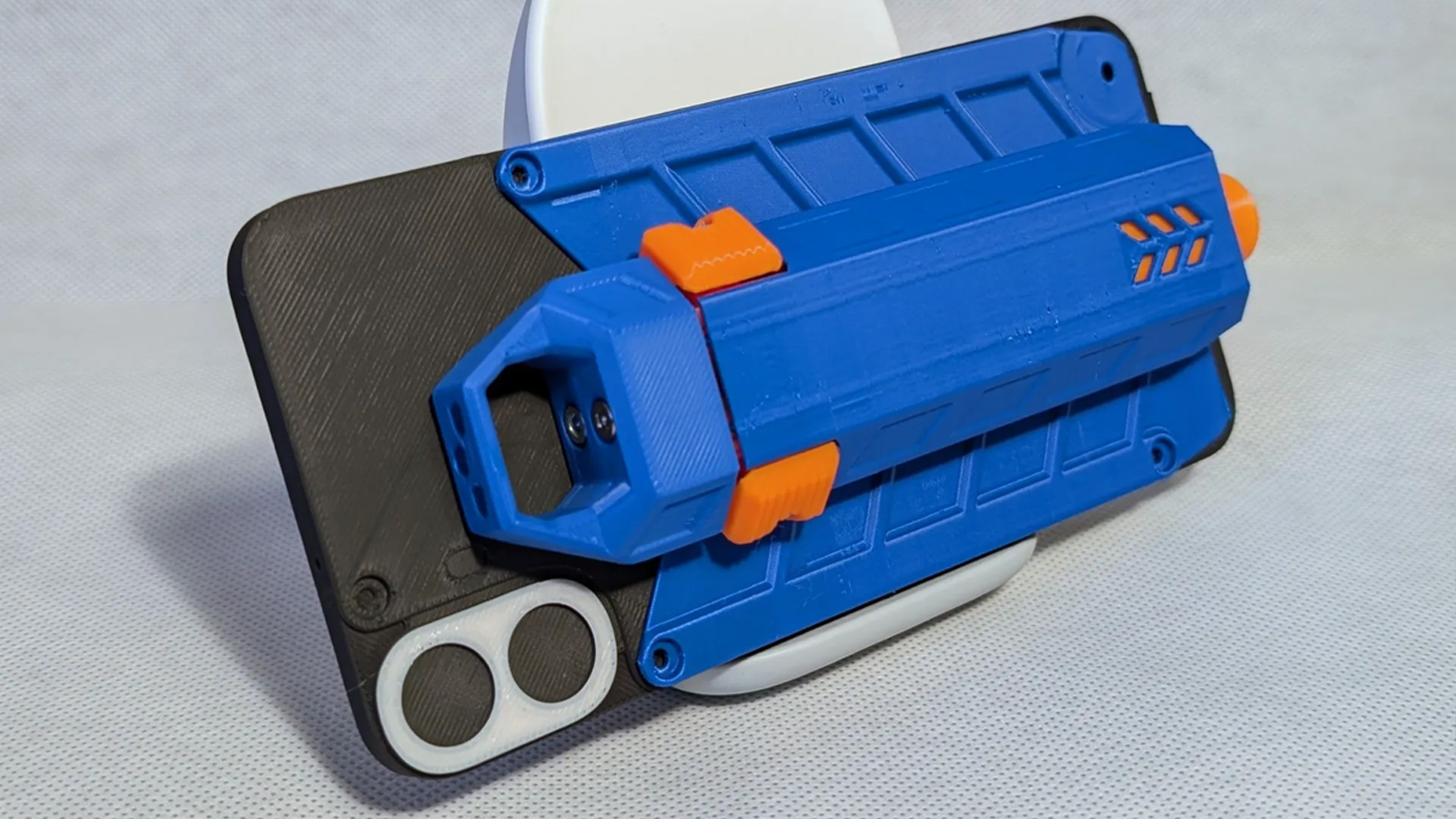
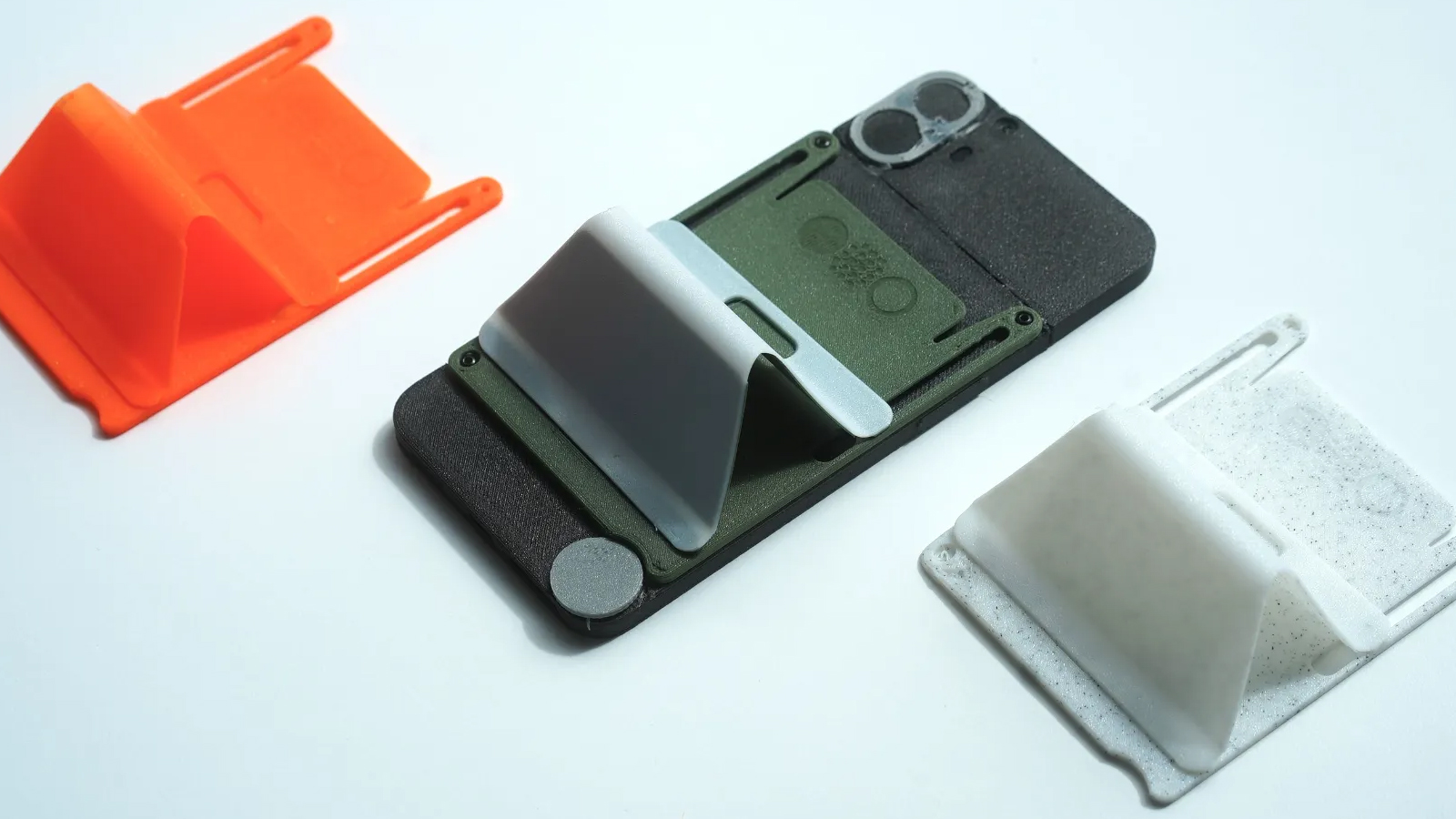
The synergy between modular tech and 3D printing began in earnest with the launch of the CMF Phone 1. Unlike traditional smartphones sealed behind uniform glass and aluminum sandwiches, the CMF Phone 1 featured a removable backplate secured by visible screws and mounting points explicitly designed for user-generated modifications.
Recognizing an opportunity to engage the maker community, Nothing and Bambu Lab (via its MakerWorld repository) launched an initial design challenge. The results stunned both companies. Creators produced wildly inventive solutions that far outpaced traditional corporate accessories:
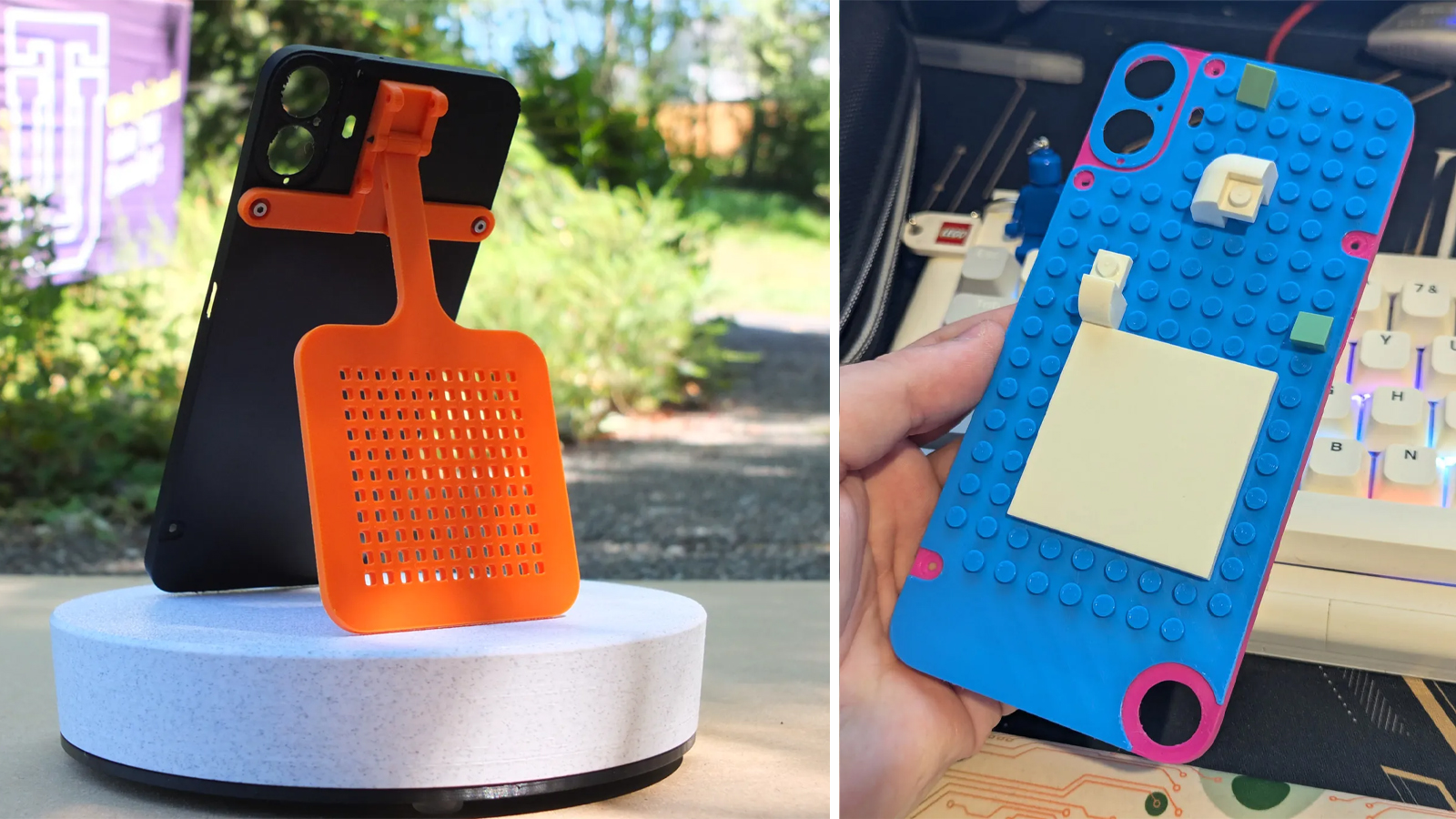
The Unexpected Winner: A fully functional, collapsible fly swatter designed by user guysread, which folded neatly out of the back of the CMF Phone 1. Judges praised its clever engineering, noting that it was delightfully unexpected while retaining genuine utility.
The Aesthetic Winner:BuildyBryce’s "Brick Case," which integrated standard toy brick building plates onto the phone’s chassis, offering infinite tactile customization.
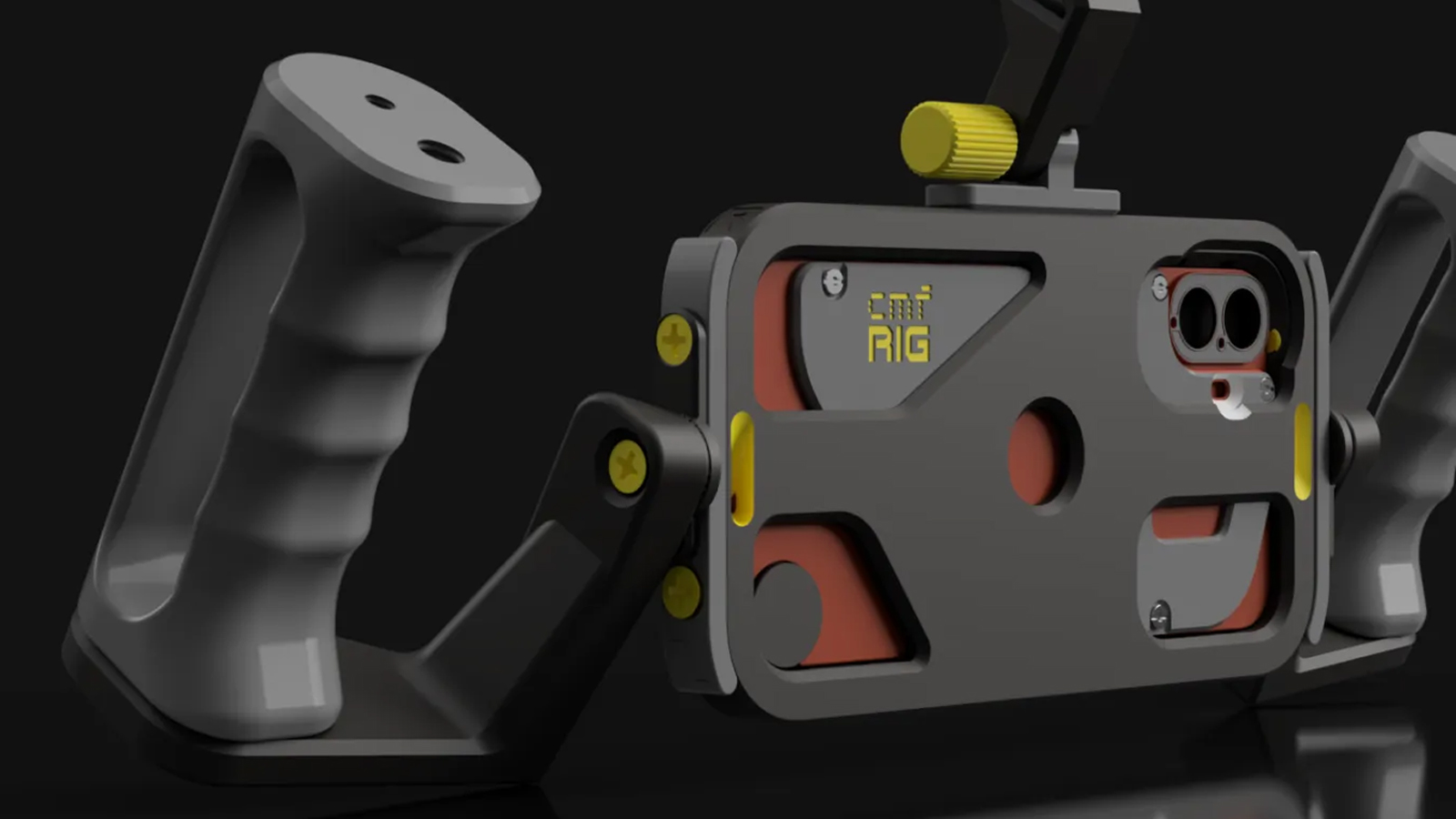
The Functional Winner:3D Kimba’s "CMF RIG," a magnetic phone cage engineered specifically for content creators, complete with professional mounting points, material lists, and detailed layer-height optimization guides.
Phase 2: Expanding into Audio Ecosystems
Building on the massive engagement of the smartphone accessory contest, Nothing and Bambu Lab have transitioned their collaborative gaze from mobile telephony to personal audio. The modern consumer headphone market is notoriously crowded, saturated with iterative design updates and closed ecosystems that resist user repair or personalization.
By targeting the Nothing Headphone (1), Headphone (1) Pro, and Headphone (a), the partners are shifting the customisation paradigm to wearables. Headphones are worn on the body, making them deeply personal fashion statements as well as functional acoustic tools.
This new challenge tasks designers with solving real-world ergonomic, protective, and aesthetic challenges associated with over-ear and on-ear headphones—ranging from custom headphone stands and wall mounts to protective shell armor, modular cable managers, and cosmetic embellishments that echo Nothing’s signature transparent design language.
Supporting Context & Metrics: The Maturation of Consumer 3D Printing
The timing of this collaboration is no coincidence. The consumer 3D printing landscape has undergone a radical transformation over the past three years, driven largely by companies like Bambu Lab lowering the barrier to entry through automated calibration, high-speed CoreXY mechanics, and seamless cloud-slicing ecosystems.
The Rise of MakerWorld
Central to this partnership is MakerWorld, Bambu Lab’s proprietary model-sharing platform. Traditional 3D printing repositories often suffer from friction: users must download raw STL files, import them into slicing software, configure support structures, guess optimal infill percentages, and hope for the best.
MakerWorld streamlines this friction by introducing "Print Profiles." When a designer uploads a model, they can pre-configure the exact print settings—such as filament type (PLA, PETG, ABS), layer height, wall loops, and structural supports—verified by a successful test print. Users can then initiate a print directly from their mobile device or desktop with a single click.
Metrics of Community Engagement
Industry data indicates that open hardware challenges yield exponential returns in brand loyalty and organic marketing:
User-Generated Value: Brands save thousands of hours in research and development by crowdsourcing accessories they would never have the internal bandwidth to design, manufacture, and inventory.
Ecosystem Lock-in: Hardware owners who invest time in printing custom accessories for a specific device exhibit significantly lower churn rates and higher brand affinity.
Cross-Pollination: The crossover between tech enthusiasts (Nothing’s core demographic) and makers (Bambu Lab’s core demographic) represents a nearly 1:1 intersection of early adopters who value both industrial design and hands-on creation.
Bambu Lab’s 5 Golden Rules for Winning the Challenge
To assist prospective designers in navigating the competitive landscape of the MakerWorld challenge, Bambu Lab has released an official set of design guidelines. Winning entries require much more than just a clever CAD render; they demand rigorous technical execution and user-centric presentation.
1. Be Creative and Original
Judges actively filter out derivative designs. To stand out, creators must push past the obvious accessory categories. As demonstrated by the CMF Phone 1 challenges, the winning entries are those that challenge conventional expectations. Whether it is an ingenious folding mechanism, a multi-functional hybrid tool, or an aesthetic departure that complements Nothing’s minimalist, translucent design ethos, originality is paramount.
2. Ensure Printability and Structural Integrity
A brilliant design holds zero value if it fails on the print bed. Successful submissions must be optimized for FDM (Fused Deposition Modeling) printing. Designers are expected to:
Consider overhangs and minimize or eliminate the need for complex support structures.
Provide comprehensive material recommendations (e.g., advising flexible TPU for dampening rings or rigid PETG for high-stress structural clips).
Document infill densities, wall counts, and orientation guidelines to ensure that users printing the model at home achieve identical, high-quality results.
3. Master the Visual Presentation
In a digital competition, presentation is everything. Creators are urged to document their models thoroughly:
Capture crisp, high-resolution photographs from multiple angles, demonstrating the accessory both in isolation and actively mounted to the Nothing headphones.
Utilize real-world animated GIFs rather than AI-generated mockups to showcase moving parts or mechanical assembly.
Craft an engaging cover image that immediately communicates the accessory’s core value proposition to scrolling community members.
4. Write an Informative, Comprehensive Model Page
A model repository page should read like an instruction manual rather than a simple download link. Top-tier submissions include:
Clear descriptions of the accessory’s purpose and operational mechanics.
A detailed Bill of Materials (BOM) for parts requiring non-printed hardware, such as standard M3 screws, rubber bands, neodymium magnets, or specific adhesives.
Iteration logs showing prototype evolution, illustrating how flaws were ironed out during the design process.
5. Solve Real-World Problems (Practicality Wins)
While novel and artistic designs have their place, accessories that solve genuine ergonomic or functional pain points frequently take home top honors. For instance, creating modular solutions that enhance portability, improve cable management, offer custom display stands, or protect vulnerable moving joints on the headphones will immediately resonate with both the judging panel and the broader consumer community.
Official Statements and Industry Implications
Industry analysts view the Nothing x Bambu Lab partnership as a blueprint for the future of consumer tech accessories.
"When we launched the CMF ecosystem, our goal was to reject the sterile, immutable nature of modern gadgets," noted a representative close to the Nothing design team. "Partnering with Bambu Lab for our audio line is a natural extension of that philosophy. We design the core instrument, but we want our community to compose the symphony of accessories around it."
From the manufacturing perspective, Bambu Lab emphasizes that sustainability and consumer empowerment go hand in hand. By shifting the production of accessories from centralized factories in Asia to millions of localized desktop 3D printers worldwide, the carbon footprint associated with shipping injection-molded plastic trinkets is drastically reduced. Consumers print only what they need, when they need it, using recyclable filaments.
Future Outlook: What This Means for the Future of Consumer Hardware
The success of the MakerWorld × Nothing challenges signals a permanent shift in consumer expectations. We are moving away from the era of proprietary walled gardens where third-party modifications are discouraged or legally barred.
As desktop 3D printing continues to mature—becoming faster, quieter, and more multi-material capable—hardware manufacturers will increasingly design products with extensibility baked into the engineering blueprints from day one. Future headphones and mobile devices may ship with official CAD files, open mounting interfaces, and modular anchor points as standard selling features.
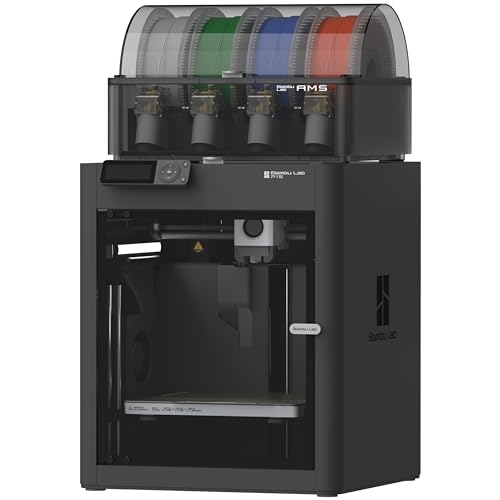
For makers, designers, and audio enthusiasts, the message is clear: the tools are more accessible than ever, the platforms are built, and the canvas is waiting. Whether you are an experienced CAD engineer or an enthusiastic hobbyist armed with a Bambu Lab A1 or P1S printer, the opportunity to shape the physical manifestation of consumer technology is no longer restricted to corporate boardrooms—it is happening on your desk.