Executive Overview
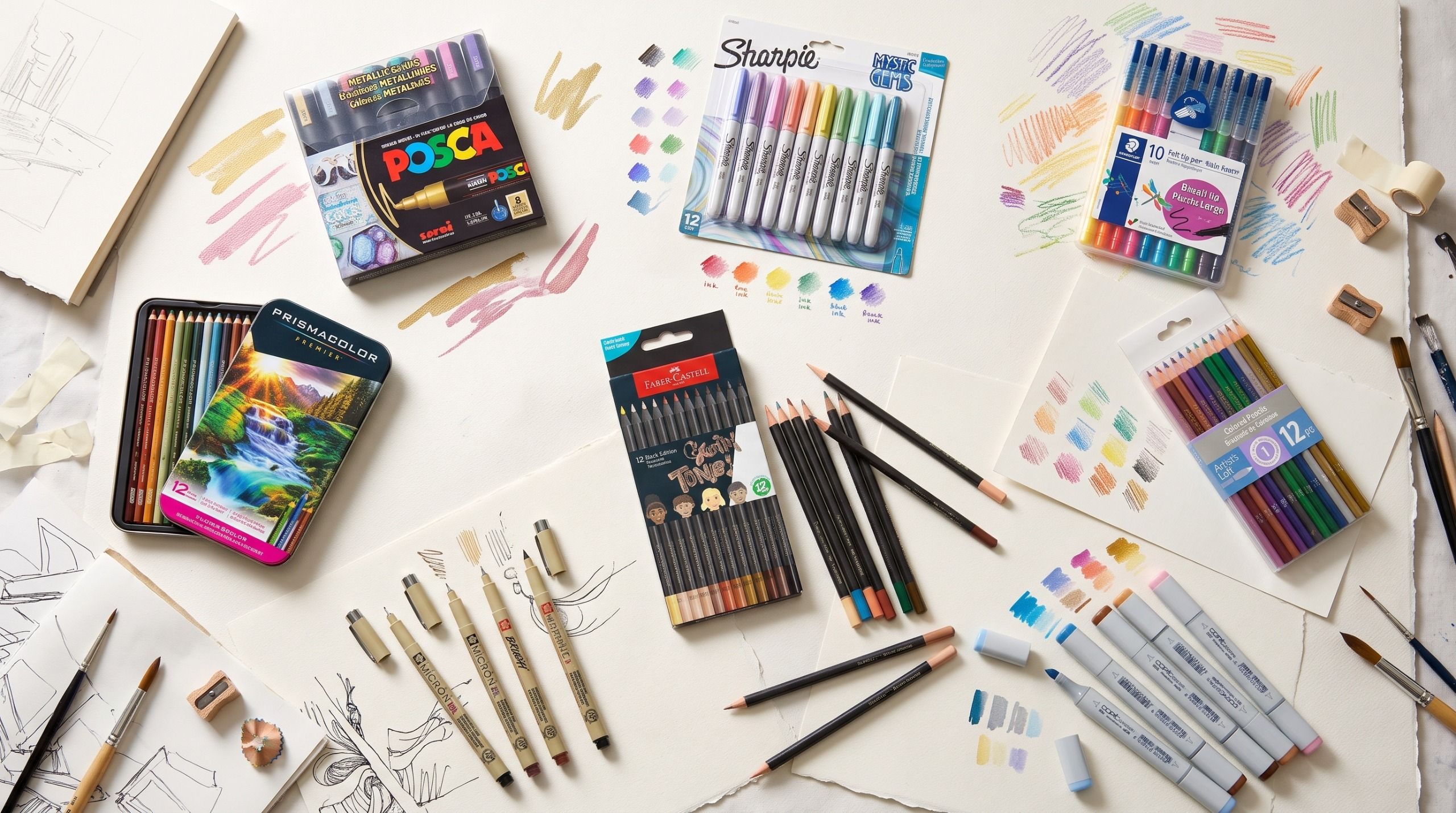
As the retail landscape shifts into its most lucrative and fast-paced period of the year, the boundary between post-Thanksgiving savings and early-season shopping has officially evaporated. Leading the charge in the creative sector is a robust wave of early Black Friday promotions, highlighted by major retail markdowns on professional-grade art supplies. Prominent among these is Michaels, the arts and crafts retail giant, which has rolled out a sweeping promotional campaign offering up to 25% off online across industry-standard brands like Posca and Faber-Castell, alongside targeted in-store "buy one, get one 50% off" mix-and-match incentives.
This early-bird pricing strategy is far more than a mere marketing gimmick; it represents a fundamental shift in consumer behavior and retail economics. Driven by prolonged inflationary pressures, shifting supply chain dynamics, and an increasingly savvy consumer base seeking value well in advance of December, retailers are launching holiday discounts weeks—sometimes months—ahead of traditional timelines. For artists, illustrators, hobbyists, and gift-givers, this early retail window offers a rare opportunity to procure premium materials at a fraction of their standard cost. This report explores the mechanics of these early holiday sales, the economic drivers behind the surge in professional art supply discounts, consumer trends, and what this means for the broader creative economy as the holiday shopping season accelerates.
Detailed Chronology: The Evolution of Early Holiday Retail
To understand why professional-grade art supplies are seeing steep markdowns as early as November, it is essential to trace how the holiday shopping calendar has mutated over the past decade.
The Shift from Post-Thanksgiving to October Kickoffs
Historically, the holiday retail season was anchored by a strict chronological sequence: Halloween marked the preliminary mood, Thanksgiving provided the festive pause, and Black Friday served as the explosive, single-day starting gun for holiday gift acquisition. Cyber Monday followed closely behind to capture the digital-first audience.
However, the advent of e-commerce giants and the systemic disruptions caused by global supply chain bottlenecks in the early 2020s fundamentally altered this timeline. Retailers realized that compressing consumer demand into a single 96-hour window strained logistics, frustrated shoppers with out-of-stock items, and created volatile revenue spikes that were difficult to manage.
By 2022 and 2023, "Holiday Sneak Peeks" and "Early Black Friday" events began migrating backward into October. By late 2024, the strategy had matured into a continuous, staggered promotional runway. Retailers like Michaels began introducing tiered discounting structures—combining online percentage-off sales with brick-and-mortar BOGO (Buy One, Get One) promotions—as early as the first week of November. This allows supply chains to distribute fulfillment loads more evenly while capturing budget-conscious consumers before they exhaust their discretionary funds on competitor platforms.
The Rise of the Strategic Consumer
This chronological shift has fostered a new breed of consumer. No longer waiting in frigid lines outside storefronts at 4:00 AM on the day after Thanksgiving, modern shoppers approach holiday purchasing with methodical research. Data analytics show that consumers track price histories weeks in advance, utilizing browser extensions and price-comparison tools to pounce the moment an early promotion matches their target threshold.
For the creative community—a demographic that often balances the high baseline costs of professional materials with fluctuating freelance or hobbyist incomes—this early pricing transparency is revolutionary. Sketchbooks, archival inks, lightboxes, and specialty markers are notoriously expensive. By bringing Black Friday deals forward, retailers have effectively converted November into an extended procurement month for creative professionals looking to replenish depleted inventories before year-end project deadlines.
Supporting Context & Metrics: The Economics of Art Supplies and Holiday Retail
The decision by major arts retailers to slash prices on high-end brands like Posca and Faber-Castell is underpinned by specific market dynamics governing the creative supplies sector.
The Cost of Creativity: Premium Materials vs. Tight Budgets
Art supplies occupy a unique retail category. Unlike fast-moving consumer goods or apparel, items such as lightfast colored pencils, Japanese acrylic markers, and 100% cotton cold-press watercolor papers are capital-intensive to produce. Brands like Faber-Castell rely on centuries-old manufacturing techniques, sustainable forestry practices for wood casings, and rigorous quality control to ensure pigment consistency and lightfastness. Similarly, Posca markers utilize specialized water-based pigment formulations that adhere to porous and non-porous surfaces alike, commanding a loyal professional following that justifies higher retail price points.
However, these premium qualities come with a barrier to entry. For aspiring artists, students, and casual hobbyists, the cost of building a versatile palette of professional markers or a comprehensive sketching kit can easily run into the hundreds of dollars.
Metrics of the Current Retail Climate
Economic indicators heading into the final quarter show a consumer base that remains highly value-conscious. While employment figures have held relatively stable, persistent cost-of-living increases mean that discretionary spending on hobbies and crafts faces intense scrutiny.
- Promotional Depth: Industry analyses indicate that promotional depth—the average percentage discount offered during major retail events—has increased by roughly 4% to 7% year-over-year across specialty craft categories, as retailers fight harder for every dollar of disposable income.
- Omnichannel Impact: Retailers employing a dual-strategy (such as Michaels’ online-exclusive 25% off threshold paired with in-store BOGO mechanics) report higher overall cart values. Consumers often utilize online browsing to secure specific brand discounts, then pivot to physical stores to take advantage of mix-and-match bundle deals, driving foot traffic and impulse purchases of complementary items like sketch pads and carrying cases.
- The Gifting Factor: Art supplies historically perform exceptionally well as holiday gifts, particularly for children, teenagers, and self-identifying creative adults. Retail metrics demonstrate that fourth-quarter sales account for up to 40% of annual revenue for specialty art retailers, making early promotions a critical high-stakes endeavor to capture market share before competitors lock in gift shoppers.
Official Statements and Industry Insights
Retail strategists, brand representatives, and creative industry insiders have weighed in on how early promotional windows are transforming both consumer purchasing habits and the positioning of creative goods.
"The modern creative consumer is pragmatic, highly informed, and unwilling to pay full price when early-season incentives are readily available," notes Sarah Jenkins, senior retail analyst at Consumer Trends Group. "When retailers like Michaels introduce deep discounts on gold-standard brands like Faber-Castell and Posca weeks ahead of Black Friday, they aren’t just clearing inventory—they are capturing the loyalty of shoppers who are budgeting much earlier in the year due to broader economic considerations."
Art educators and professional illustrators have also remarked on the democratization effect these sales have on artistic practice. Access to professional-grade tools has historically been a differentiator in the quality and longevity of creative output. When archival inks and high-grade pigments become accessible through tiered promotional pricing, barriers to entry are significantly lowered.
"For years, students and emerging artists had to ration their professional supplies, saving their Posca markers or high-end pencils only for final pieces," shares Marcus Vance, a freelance illustrator and design educator. "When early holiday sales make these tools affordable, it encourages experimentation. Artists can afford to make mistakes, test new mediums, and build professional workflows without breaking the bank. It changes the entire creative process."
Retail management representatives emphasize that the combination of online percentage discounts and in-store bundling is specifically designed to cater to diverse shopping preferences. While digital-first buyers appreciate the frictionless application of coupon codes for direct shipping, tactile shoppers still value the experience of walking the aisles, selecting individual marker colors, and utilizing mix-and-match promotions to curate bespoke holiday bundles for gifting.
Future Outlook: Where Retail and Creativity Converge
As the retail calendar continues to compress and evolve, the phenomenon of early Black Friday art sales offers a clear window into the future of creative commerce.
The Permanence of Extended Holiday Windows
Gone are the days when holiday shopping was confined to the mad rush between Thanksgiving and Christmas Eve. The success of early November promotions in driving both online conversions and in-store foot traffic guarantees that the "Holiday Season Kickoff" will continue to creep earlier into the calendar year. For the art supply industry, this means October and November will increasingly serve as the primary battleground for annual sales targets, permanently altering how manufacturers plan their production runs and promotional schedules.
Sustainability and Conscious Consumerism
Looking ahead, the intersection of art supplies and holiday gifting is also beginning to reflect broader societal shifts toward sustainability. As consumers increasingly scrutinize the lifecycle of the products they buy, manufacturers of professional art supplies are under growing pressure to emphasize eco-friendly packaging, non-toxic formulations, and sustainably sourced materials (such as certified wood for pencils and recyclable barrels for markers). Retailers leveraging sales on heritage brands like Faber-Castell—which has long championed carbon-neutral manufacturing processes—are finding that today’s creative shoppers are willing to invest more when sustainability aligns with deep promotional value.
Empowering the Next Generation of Creators
Ultimately, the proliferation of early, aggressive discounting on professional art supplies does more than just boost quarterly retail metrics—it fuels the creative pipeline. By making premium tools more accessible to students, hobbyists, and professional makers alike during the crucial holiday gifting season, these sales play an unsung role in nurturing artistic expression. Whether a set of Posca markers ends up under a tree as a thoughtful stocking stuffer for an aspiring young illustrator or serves as a much-needed studio restock for a working professional, the early Black Friday phenomenon ensures that the tools of imagination remain within reach.