Executive Overview
For millions of television viewers across the globe, the delivery of breaking news is perceived as an effortless display of authority. When a major global event unfolds—whether it is an international criminal trial, a royal transition, or a geopolitical crisis—correspondents appear before the camera lens as unflappable pillars of information. They speak with measured cadence, command vast arrays of unscripted facts, and project total reassurance into millions of living rooms.
Yet, beneath this veneer of absolute calm often lies an entirely different reality: a crucible of acute anxiety, physiological stress, and a profound crisis of confidence.
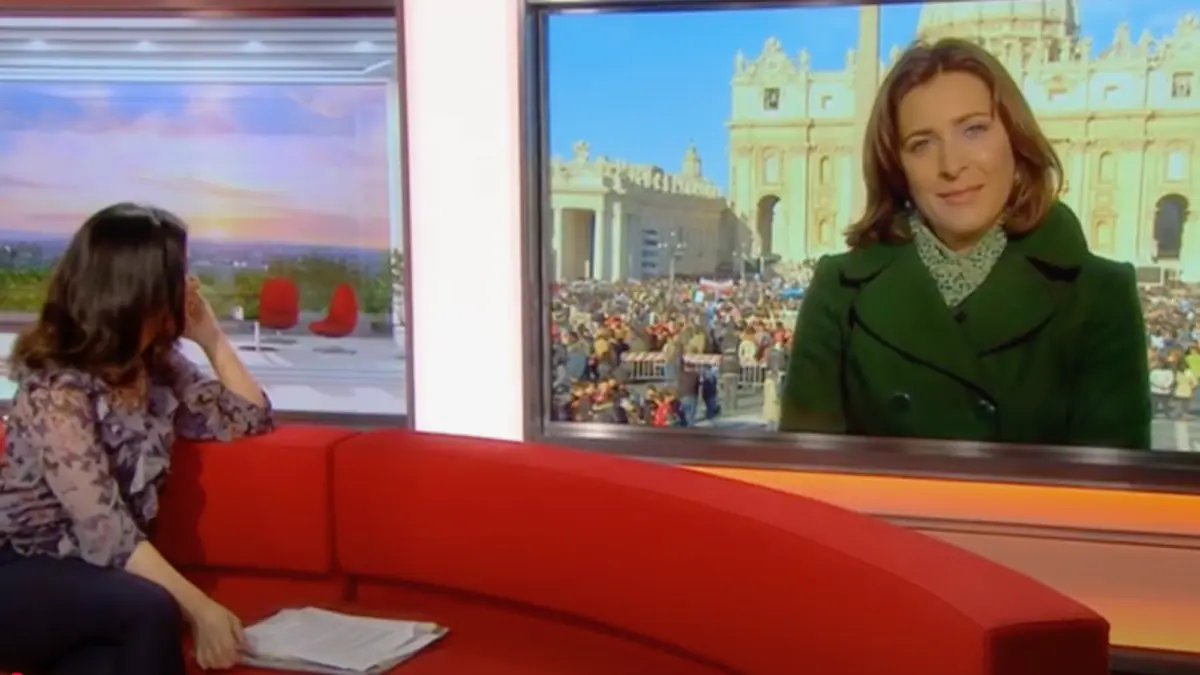
Consider the experience of veteran broadcast journalist Luisa Baldini in 2011. Tasked with covering one of the most polarizing and heavily scrutinized legal spectacles of the 21st century—the Amanda Knox trial in Perugia, Italy—Baldini stood before the cameras on BBC News and the BBC World Service to deliver a live verdict watched by a global audience. Outwardly, she was the picture of journalistic poise. Inwardly, she was grappling with a debilitating wave of terror. The performance required such exhaustive psychological and physical exertion that the moment the broadcast concluded, the accumulated stress manifested in a physical collapse, landing her bedridden for an entire week.
This dichotomy between public assurance and private panic is far from unique to broadcast journalism. It is a pervasive, unacknowledged reality across high-performance industries. Whether it is a high-stakes media broadcast scrutinized by peers and executives, a sudden crisis assignment dropped onto a reporter’s desk with minutes to deadline, or a high-visibility corporate project overseen by critical stakeholders, professionals frequently construct immense psychological pressure chambers in their own minds.
More often than not, they suffer in silence. Admitting to a lack of confidence or expressing vulnerability is frequently perceived as a professional death sentence—a sign of weakness that might cause editors, audiences, or corporate leadership to lose faith in one’s competence.
Today, having transitioned from the front lines of international journalism to co-founding the executive communication and media training firm Composure Media, Baldini is lifting the veil on this hidden professional tax. Her journey from chronic internal distress to executive coaching sheds light on a systemic issue within newsrooms and corporate boardrooms alike: the pervasive stigma surrounding confidence, the heavy cost of silent endurance, and the urgent need to reshape how organizations support high-performing talent under pressure.
Detailed Chronology: The Perugia Crucible and the Breaking Point
To understand the mechanics of high-pressure broadcast reporting, one must examine the precise conditions of the newsroom floor during a defining global event.
The Amanda Knox Phenomenon
In late 2011, the media circus surrounding the murder trial of American student Amanda Knox reached its frenzied climax. Perugia, a picturesque medieval hilltop university town in central Italy, had been transformed overnight into an armed camp of international media outlets. Every global network, tabloid reporter, and satellite truck had descended upon the location, transforming a localized tragedy into a planetary media phenomenon.
For the BBC, the stakes were monumental. Millions of viewers across multiple continents tuned in for real-time updates. Every utterance, hesitation, or factual misstep would be instantly analyzed, clipped, rebroadcast, and critiqued by rival networks and digital commentators alike.
The Live Broadcast
Assigned to anchor and report live from the ground, Luisa Baldini found herself at the epicenter of this journalistic storm. As the moment approached to break the highly anticipated verdict live to a massive simulcast spanning BBC News and the BBC World Service, the psychological weight became crushing.
"Internally, I was terrified, gripped by anxiety and the weight of the moment," Baldini recalls. "I don’t think anyone knew that every single time [on live TV] I was putting myself through the mill with a lot of nervousness and anxiety."
The cognitive load required during such broadcasts is immense. A broadcast journalist must simultaneously process incoming updates through an earpiece from the gallery, manage timing down to the fraction of a second, monitor their physical posture and vocal delivery, ensure absolute factual accuracy under threat of libel or misreporting, and project an aura of serene authority.
For Baldini, maintaining this split identity—terrified human being on the inside, unflappable anchor on the outside—demanded an extraordinary expenditure of emotional energy.
The Immediate Aftermath and Physical Collapse
When the broadcast concluded and the red tally light of the camera finally switched off, the adrenaline surge that had sustained her evaporated instantly. The human nervous system, having been held at peak arousal for hours or days of continuous live reporting, experienced a severe crash.
The physical toll of this sustained hyper-vigilance was immediate and absolute. The accumulated stress and intensity of the assignment manifested as physical illness, confining Baldini to bed for a full week. It was a stark illustration of the mind-body connection under extreme occupational stress—a stark reminder that human beings are not machines, and that the suppression of psychological distress extracts a heavy, tangible price from physical health.
Supporting Context & Metrics: The Hidden Epidemic of Professional Anxiety
Baldini’s harrowing experience in Perugia is far from an isolated incident. Across the media landscape, corporate offices, and emergency services, high-stakes communication is routinely accompanied by severe, unaddressed psychological distress.
The Audience Multiplier Effect in Journalism
Journalists face a unique professional vulnerability: their primary product is consumed publicly, scrutinized instantly, and archived permanently. As Baldini notes, the concept of "audience" in modern journalism is multi-layered and intimidating:
- The Public Audience: Millions of viewers, listeners, and digital readers who consume the final product and form immediate opinions on the reporter’s credibility.
- The Peer and Leadership Audience: Immediate colleagues, senior editors, executive producers, and network executives whose opinions directly influence career trajectory, promotions, and assignments.
This dual-layered audience creates an environment where imposter syndrome thrives. Professionals fear that exposing any chink in their armor will be interpreted by management as an inability to handle pressure, thereby forfeiting future high-profile assignments. Consequently, the cultural norm becomes "suffering in silence."
Escalating Pressures: The Royal Beat
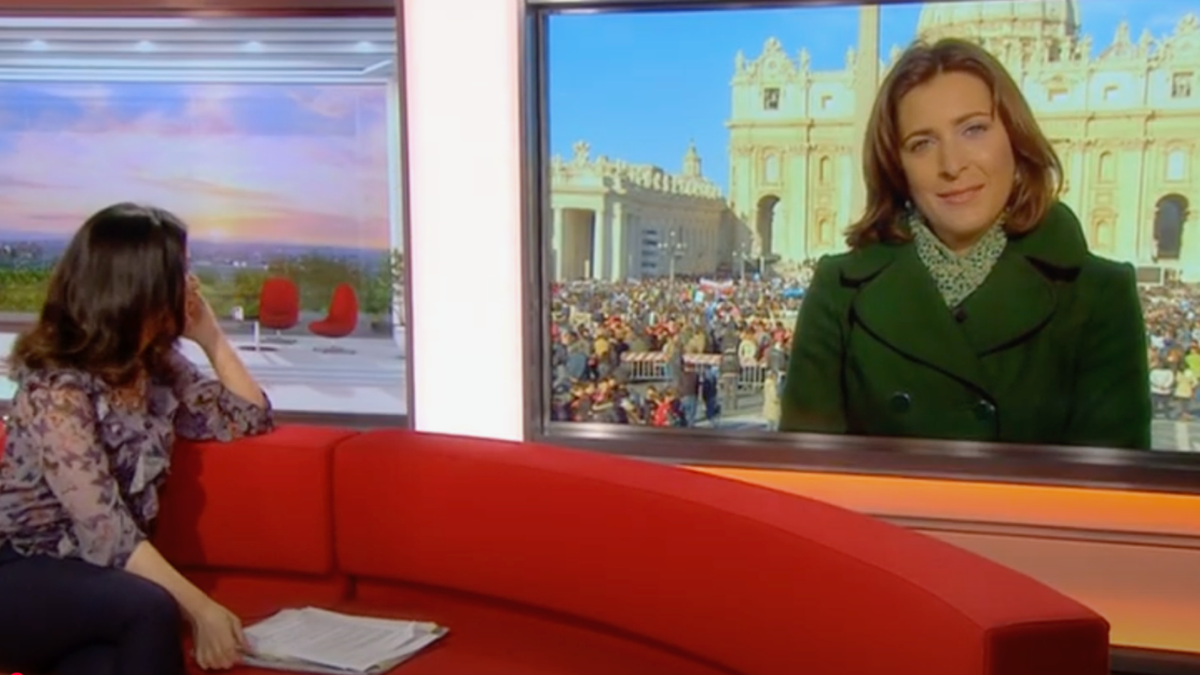
If reporting on a polarizing international criminal trial was intense, Baldini’s subsequent tenure as deputy royal correspondent during her final two years at the BBC introduced an entirely new tier of stress.
The royal beat carries its own distinct operational hazards: relentless public obsession, protocol-driven minefields, infinitesimal scrutiny of every spoken word, and the chaotic unpredictability of breaking news events concerning the British monarchy.
"That was another level of anxiety," Baldini explains, "because of the extra scrutiny you’d receive in a breaking news story. Every adjective is weighed, every historical reference is checked by millions of armchair experts, and the margin for error is effectively zero."
The Cultural Stigma of Discussing Confidence
In corporate and journalistic cultures alike, confidence is frequently treated as a fixed personality trait rather than a fluctuating emotional state. Employees are expected to arrive fully formed, perpetually resilient, and impervious to stress.
When organizations fail to normalize discussions around confidence crises, they inadvertently foster toxic coping mechanisms. Workers internalize their doubts, overcompensate through overworking, or experience chronic burnout. The stigma prevents early intervention, transforming manageable bouts of anxiety into debilitating mental and physical health crises.
Official Statements and Industry Insights
Reflecting on her decades inside the high-pressure ecosystem of the BBC, Baldini has gained unique clarity on what is missing in modern organizational leadership. Her transition from front-line reporter to executive coach through Composure Media has given her a panoramic view of how different industries manage—or fail to manage—the psychological wellbeing of their key communicators.
The Need for External Confidential Support
Looking back at her most grueling reporting assignments, Baldini identifies a glaring gap in the support infrastructure available to journalists: the absence of confidential coaching.
"Looking back on my time in newsrooms, I wish I’d had a career coach to confide in: someone who could help share the burden of doubts and nerves."
In traditional newsrooms, conversations with editors or line managers about personal anxiety are fraught with peril. Because those same managers are responsible for deploying talent to high-profile stories, admitting vulnerability can inadvertently signal unreadiness. Therefore, an independent, confidential sounding board—someone outside the direct reporting line who understands the specific pressures of high-stakes media—is invaluable.
Redefining Executive Composure
Through Composure Media, Baldini works with business leaders, executives, and spokespeople who face their own versions of the Perugia broadcast: major corporate announcements, hostile media interviews, high-stakes board meetings, and crisis management communications.
Her core philosophy centers on redefining what "composure" actually means. True composure is not the absence of fear or anxiety; rather, it is the mastery of one’s physiological responses so that clear communication can occur despite internal turmoil.
"As a good communicator and presenter, you need to instil confidence in your audiences," Baldini emphasizes. "But you cannot pour from an empty cup. If organizations want sustainable, high-level performance from their key people, leadership has a hand to play in fostering a culture where confidence can be discussed openly, without fear of professional reprisal."
Future Outlook: Transforming Workplace Culture Under Pressure
As the speed of global news accelerates and corporate accountability is broadcast in real-time across digital and social platforms, the pressure on spokespeople, journalists, and executives will only intensify. Addressing the hidden toll of high-stakes communication requires a fundamental shift in both individual coping strategies and organizational leadership.
1. Dismantling the Myth of Infallibility
Organizations must actively dismantle the cultural expectation that effective leaders and communicators are emotionless automata. When senior executives and veteran journalists share their own historical struggles with anxiety and imposter syndrome, it de-stigmatizes the experience for junior staff. Normalizing the conversation around confidence is the first step toward preventing burnout.
2. Implementing Structural Support Systems
Newsrooms and corporations must move beyond superficial "wellness apps" and invest in robust, confidential coaching frameworks. Providing access to specialized communication coaches who understand the specific neurological and psychological demands of high-visibility performance gives professionals a safe space to process stress before it manifests as physical illness.
3. Cultivating Emotional Literacy in Leadership
Leaders must be trained to recognize the subtle behavioral signs of chronic stress and anxiety among their teams. Proactive check-ins, transparent debriefs following major coverage or project launches, and a management style that values sustainable output over perpetual heroics can dramatically alter the health of a workplace.
Conclusion
Luisa Baldini’s journey from the tense, floodlit square of Perugia to the boardrooms of executive coaching offers a vital lesson for the modern professional world. The demand for absolute poise under pressure will never disappear; high-stakes moments are an inherent feature of modern leadership and journalism.
However, the expectation that professionals must suffer in silence to maintain their credibility is both outdated and dangerous. By acknowledging the human cost behind the broadcast, fostering open dialogues about confidence, and building institutional support systems, organizations can ensure that their brightest talents do not have to collapse in bed to pay the price for their professionalism.