Executive Overview: The Mid-Range Renaissance
For years, the tablet market was bifurcated into two distinct tiers: the ultra-premium powerhouses—designed for creative professionals and enterprise use—and the "disposable" low-end slates that often failed to deliver a functional user experience. Samsung, however, has spent the last several cycles aggressively targeting the "sweet spot" of the consumer market. The Galaxy Tab A11+ stands as the centerpiece of this strategy, offering a sophisticated balance of hardware capabilities and cost-efficiency.
Currently available for under $200 via major retailers like Amazon, the Tab A11+ represents a significant value proposition. While its standard MSRP of approximately $300 places it firmly in the mid-range, the current discount shifts its competitive positioning to disrupt the entry-level segment. This article provides a comprehensive analysis of the device’s technical specifications, its role in Samsung’s broader ecosystem, and what this aggressive pricing strategy signals for the future of the Android tablet landscape.
Detailed Chronology: Evolution of the A-Series
Samsung’s "A-series" branding has long been the company’s workhorse line, designed to bring high-end design aesthetics to the mass market. To understand the significance of the Tab A11+, one must look back at the trajectory of the series.
The Foundation of Affordability
In the early 2010s, Samsung’s tablet offerings were either top-tier "Note" devices or budget-constrained hardware that suffered from sluggish interfaces and poor build quality. By the late 2010s, Samsung shifted its design philosophy. The company recognized that the average consumer did not require the processing power of a high-end chipset for daily media consumption or web browsing. Instead, users prioritized display quality, battery longevity, and a seamless software experience.
The Birth of the A11+
The Galaxy Tab A11+ arrived as a direct response to the saturation of the sub-$300 market. Unlike its predecessors, which often cut costs by sacrificing display resolution or RAM, the A11+ was engineered with a "quality-first" approach for the non-professional user. By integrating a 1920×1200 resolution panel and a 90Hz refresh rate, Samsung successfully bridged the gap between basic utility and premium viewing.
The current market cycle has seen this model move from a standard mid-range offering to a recurring fixture in major promotional events. The recent drop to under $200 is not merely a seasonal discount; it is a calculated effort to capture market share from competing budget manufacturers who rely on lower-quality LCD panels and inferior build materials.
Supporting Context & Metrics: Under the Hood
To determine if the Galaxy Tab A11+ is truly a bargain or merely a budget compromise, we must analyze the hardware through the lens of modern software demands.
Display and Visual Performance
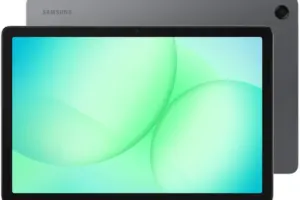
The 11-inch display is the device’s standout feature. In a market where many budget tablets settle for 720p or low-refresh-rate screens, the 1920×1200 resolution provides a crisp, clear image for 1080p content streaming. The inclusion of a 90Hz refresh rate is a critical differentiator. While 120Hz is reserved for the "Ultra" class of devices, 90Hz offers a perceptible improvement in UI fluidity, making scrolling and navigation feel significantly more responsive than the standard 60Hz panels found in competing tablets.
Processing Power and Multitasking
The device is powered by the MediaTek MT8775, an octa-core processor that occupies the reliable middle ground of mobile silicon. While enthusiasts might dismiss this chipset for heavy gaming or video rendering, it is optimized for the primary use cases of the A-series:
- Media Consumption: Smooth playback of high-definition content from Netflix, YouTube, and Disney+.
- Productivity: Efficient handling of office suites, email clients, and web-based applications.
- Multitasking: With 6GB of RAM—an upgrade over many budget competitors—the tablet manages multiple active tabs and background processes without the aggressive "app killing" that plagues devices with only 3GB or 4GB of memory.
Storage and Expansion
Modern applications and high-definition video files are storage-intensive. While 128GB of internal storage is sufficient for many, Samsung has wisely included a microSD card slot. This remains a crucial "pro-consumer" feature, allowing users to expand their storage capacity without paying the exorbitant premiums required for higher-tier internal memory configurations.
Official Statements and Industry Positioning
While Samsung rarely issues official press releases for individual mid-range price fluctuations, their corporate stance on the tablet market has been clear. In recent investor briefings, Samsung executives have emphasized the "Galaxy Ecosystem" as a primary driver of growth.
The strategy is simple: introduce users to the Samsung experience through affordable, high-quality hardware like the Tab A11+. Once a user is accustomed to the One UI interface, the integration with Samsung smartphones, wearables, and ecosystem services creates a "stickiness" that encourages long-term brand loyalty. By pricing the Tab A11+ at such an accessible point, Samsung is effectively "seeding" the market, turning budget-conscious buyers into long-term stakeholders in the Samsung ecosystem.
Industry analysts suggest that this strategy is a direct counter-offensive to the rise of specialized budget brands. By maintaining a high standard of build quality even at lower price points, Samsung prevents its competitors from establishing a foothold in the minds of average consumers.
Future Outlook: The Tablet Market in Transition
As we look toward the next generation of portable hardware, the Galaxy Tab A11+ serves as a harbinger of what is to come. We are witnessing a "democratization of performance," where features previously reserved for flagship devices—such as higher refresh rates, sufficient RAM, and refined software skins—are becoming the new baseline.
The Impact of AI Integration
The future of the A-series will likely involve the integration of lighter, more efficient AI-driven features. As Samsung pushes its "Galaxy AI" initiative, we may see AI-powered upscaling for video playback or battery management tools reach these mid-range devices. This would effectively extend the lifespan of the tablet, keeping the hardware relevant for several years beyond its initial purchase date.
Sustainability and Longevity
One of the primary criticisms of budget tablets has always been the lack of long-term software support. However, Samsung has significantly improved its update cadence. Even for its A-series devices, the company has begun offering longer security support windows. This shift is vital; a tablet is no longer just a media device, but a tool for communication and learning. Ensuring these devices remain secure and functional for four to five years is now a competitive necessity.
Final Verdict
The Samsung Galaxy Tab A11+ is an anomaly in the current market: a device that feels more expensive than it is. For the user who prioritizes a high-quality screen, stable performance, and the comfort of the Samsung software suite, it is a difficult value proposition to beat.
While it is not designed to replace a dedicated workstation or a high-end gaming PC, it excels in its intended role. It is a reliable, versatile, and—at its current sub-$200 price point—extraordinarily affordable gateway to the Android tablet ecosystem. As market trends favor more specialized, durable, and value-oriented hardware, the Tab A11+ demonstrates that Samsung is not just competing on price, but on the enduring quality of the user experience.
Whether you are a student, a parent looking for a family device, or a professional in need of a secondary screen for travel, the Tab A11+ proves that you don’t need to break the bank to get a device that feels like a premium piece of technology. In an age of diminishing returns on flagship smartphones, the mid-range tablet is where the real value lies, and Samsung is currently leading the charge.