Executive Overview
The landscape of AAA action role-playing games has experienced a seismic shift over the past several years, driven largely by high-profile developments originating from Chinese studios utilizing Unreal Engine 5. Following the global cultural and commercial shockwaves of titles like Black Myth: Wukong and the visceral combat mechanics of Wuchang: Fallen Feathers, the gaming world has cast its watchful eye toward S-Game’s long-anticipated project, Phantom Blade Zero.
Scheduled for release on October 29, 2026, for PC and PlayStation 5 (with this review conducted specifically on the high-performance PlayStation 5 Pro), Phantom Blade Zero arrives bearing the heavy expectations of a 15-year creative journey. Originating from director Soulframe Liang’s indie passion project, Rainblood: Town of Death, the game has evolved into a fully realized, high-budget epic.
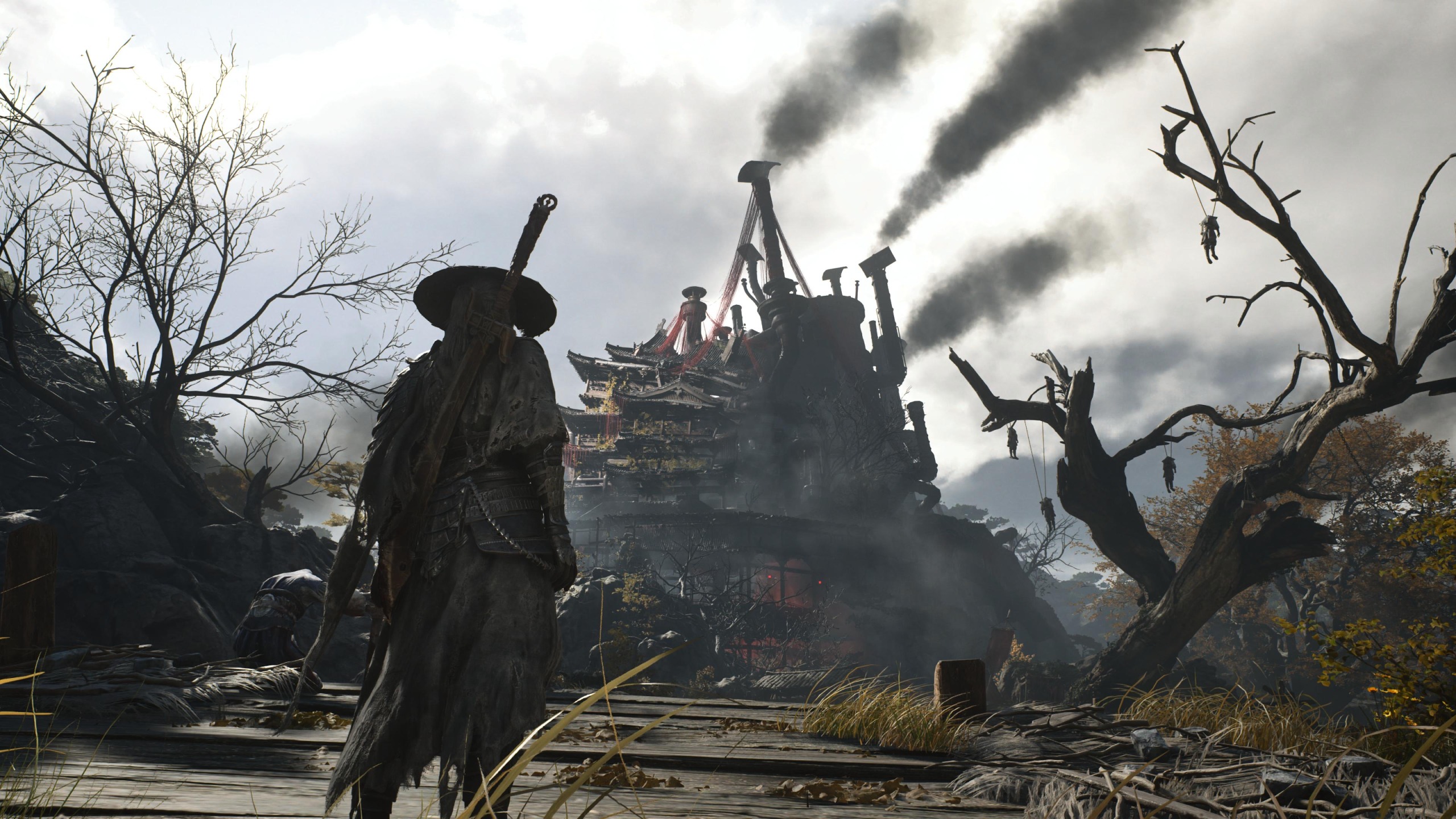
At its core, Phantom Blade Zero sets itself apart through an intoxicating aesthetic vision that S-Game has coined as "kungfupunk." This sub-genre merges traditional wuxia elements—bamboo forests, ancient temples, and poetic pipa arrangements—with gritty, industrialized steel-factory architecture and heavy electric-guitar riffs. Mechanically, the game leans heavily into authentic, motion-captured martial arts, featuring the direct involvement of legendary Hong Kong action icon Donnie Yen and his elite stunt team.
Yet, despite its breathtaking visual fidelity, staggering weapon variety, and exceptionally fluid combat sequences, Phantom Blade Zero struggles to achieve the status of an absolute masterwork. A combination of frustrating level design choices, artificial traversal restrictions, uneven boss balancing, and glaring technical optimization issues on console prevents it from fully realizing its immense potential. While it boasts moments of absolute brilliance that rival genre-defining classics like Bloodborne, the overall package suggests a project that could have benefited from a bit more time in development.
Detailed Chronology and Narrative Framework
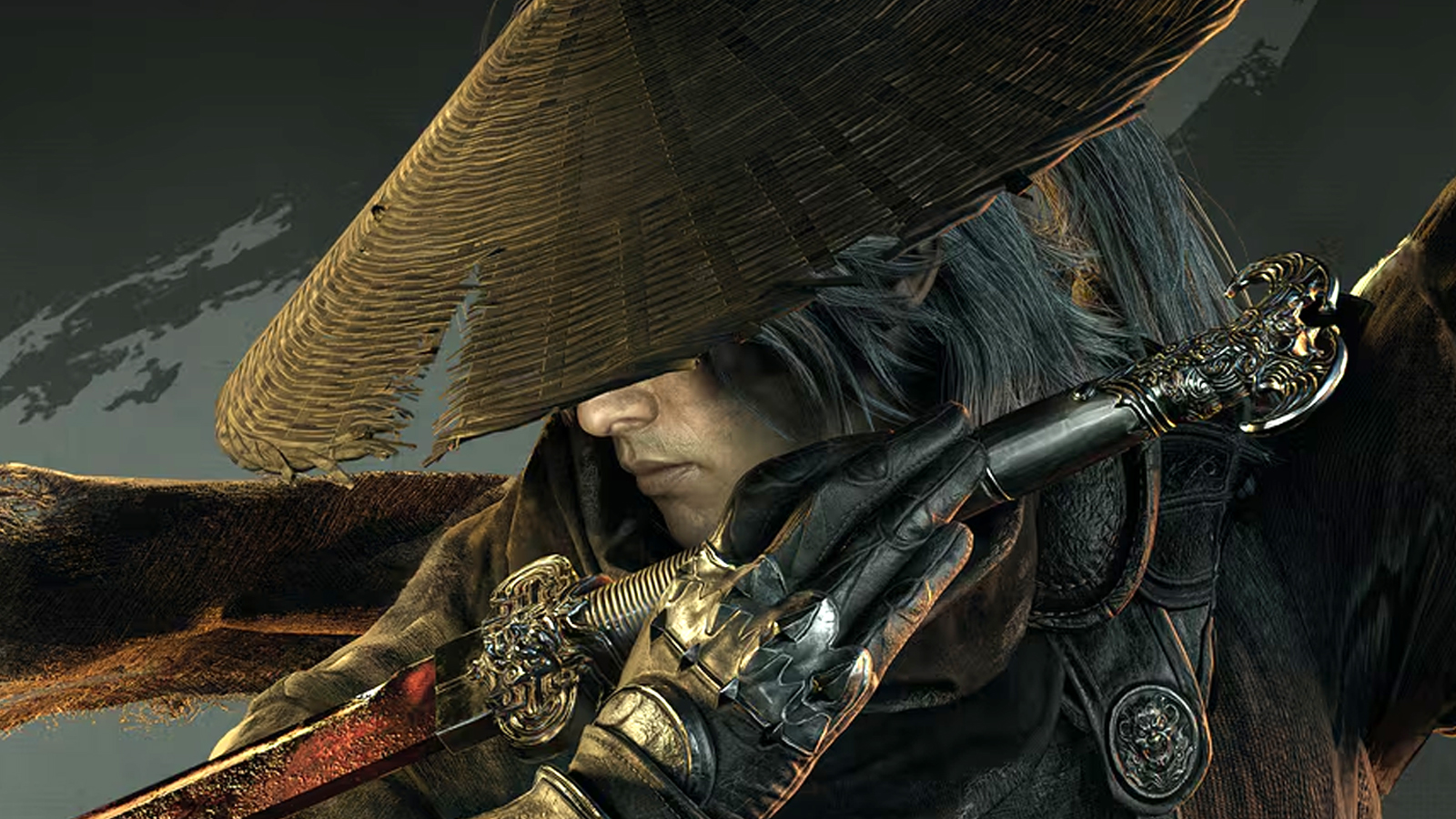
The narrative of Phantom Blade Zero wastes no time thrusting players into the high-stakes underworld of the Wulin. You step into the shoes of Soul, an elite, hardened assassin working for "The Order." From the opening cinematic moments, the game strives to make the player feel like an authentic kung fu master.
The inciting incident of the plot is severe: a fateful, devastating duel leaves Soul framed for a crime he did not commit, poisoned, and given a strict death sentence of exactly 66 days to live. Unlike many traditional action RPGs or Metroidvania-style adventures where a near-death experience strips the protagonist of their hard-earned power and forces a frustrating gameplay reset, Soul’s journey is one of escalating martial prowess. As the clock ticks down, his command over his deadly arts only grows more terrifying.
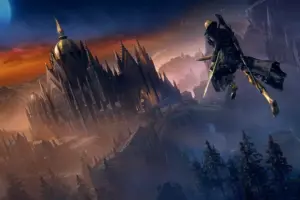
S-Game’s narrative pacing structures the journey through a richly dense, interconnected world. Players travel from the shadowy, claustrophobic depths of river valleys up to sweeping mountain peaks, and across massive, navigable lakes traversed by boat. The story culminates around the magnificent central hub of Pangzhen—a labyrinthine, lore-heavy town that easily matches the atmospheric density of Bloodborne‘s Yharnam.
However, traversing this meticulously crafted world reveals narrative and exploratory friction. While the main path drives Soul forward with urgent momentum, side quests offer deep character interactions and branching narratives that genuinely impact the game’s ultimate conclusion. Unfortunately, reaching these story beats often requires navigating a world hindered by invisible barriers, rigid traversal scripts, and map design that occasionally works against the player’s natural sense of spatial intuition.
Supporting Context & Mechanics: Combat, Exploration, and Technical Performance
Martial-Arts Mocap and the Arsenal of the Wulin
Without a doubt, the undisputed centerpiece of Phantom Blade Zero is its combat engine. Every movement, strike, and counter has been meticulously recorded using real-world martial artists. This gives Soul’s baseline animations a sense of weight, momentum, and authenticity rarely seen in standard video game swordplay.
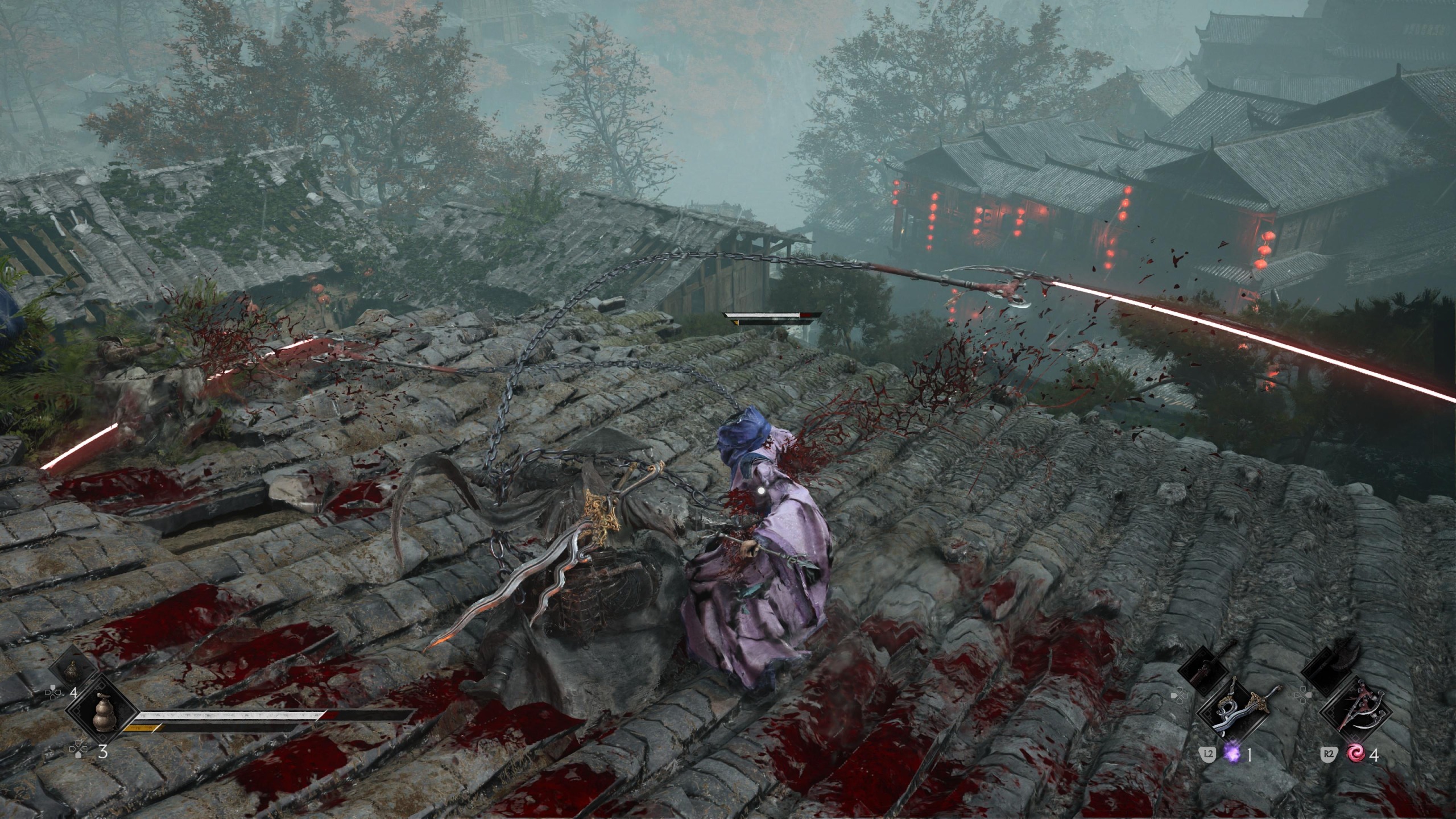
Players have access to over 50 distinct weapons, each fundamentally altering Soul’s fighting style. While basic combo inputs generally rely on alternating light and heavy attacks, the weapon variety keeps encounters fresh:
- Jagged Steel: A swift, one-handed blade designed to rack up persistent bleed damage against agile targets.
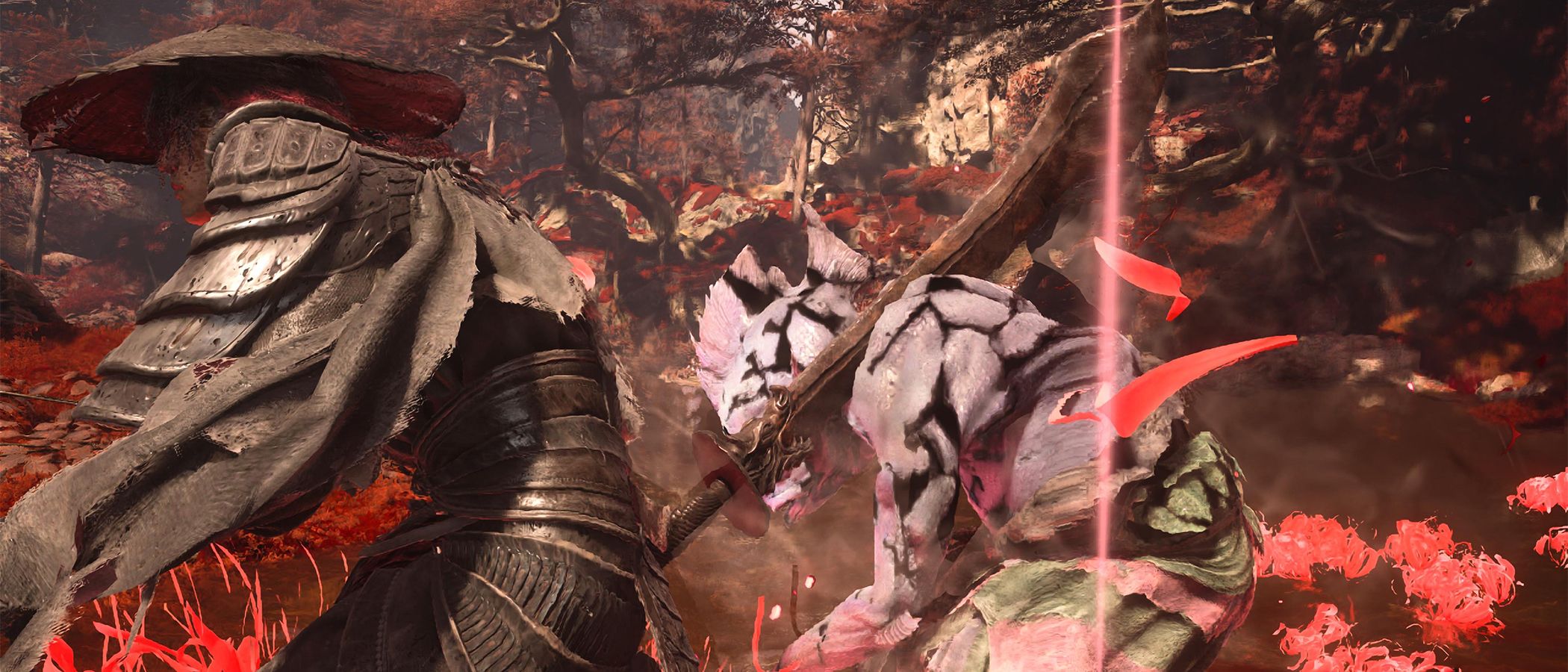
- Scarlet Wraithblade: A heavy, two-handed weapon that leaves lingering, energy-draining red spider lilies on the terrain.
- Phantom Edges: Special armaments with limited uses that can turn the tide of battle, such as a massive axe capable of shattering enemy shields or a chain sickle that clears out surrounding mobs.
Furthermore, the game introduces an innovative weapon-switching mechanic tied to Sha-Chi—the in-game energy gauge that acts simultaneously as your stamina pool for heavy combos, guarding, and technological powers. Swapping weapons mid-combat automatically refills the Sha-Chi gauge, allowing skilled players to maintain relentless offensive momentum, provided they manage internal cooldown timers effectively.
Level Design and Traversal Frustrations
While the combat sings with fluid confidence, the level design tells a more contentious story. The world map is presented as an elegant Chinese ink wash painting that gradually fills in as you discover new checkpoints. Regrettably, interacting with the physical environment can frequently break the immersion.
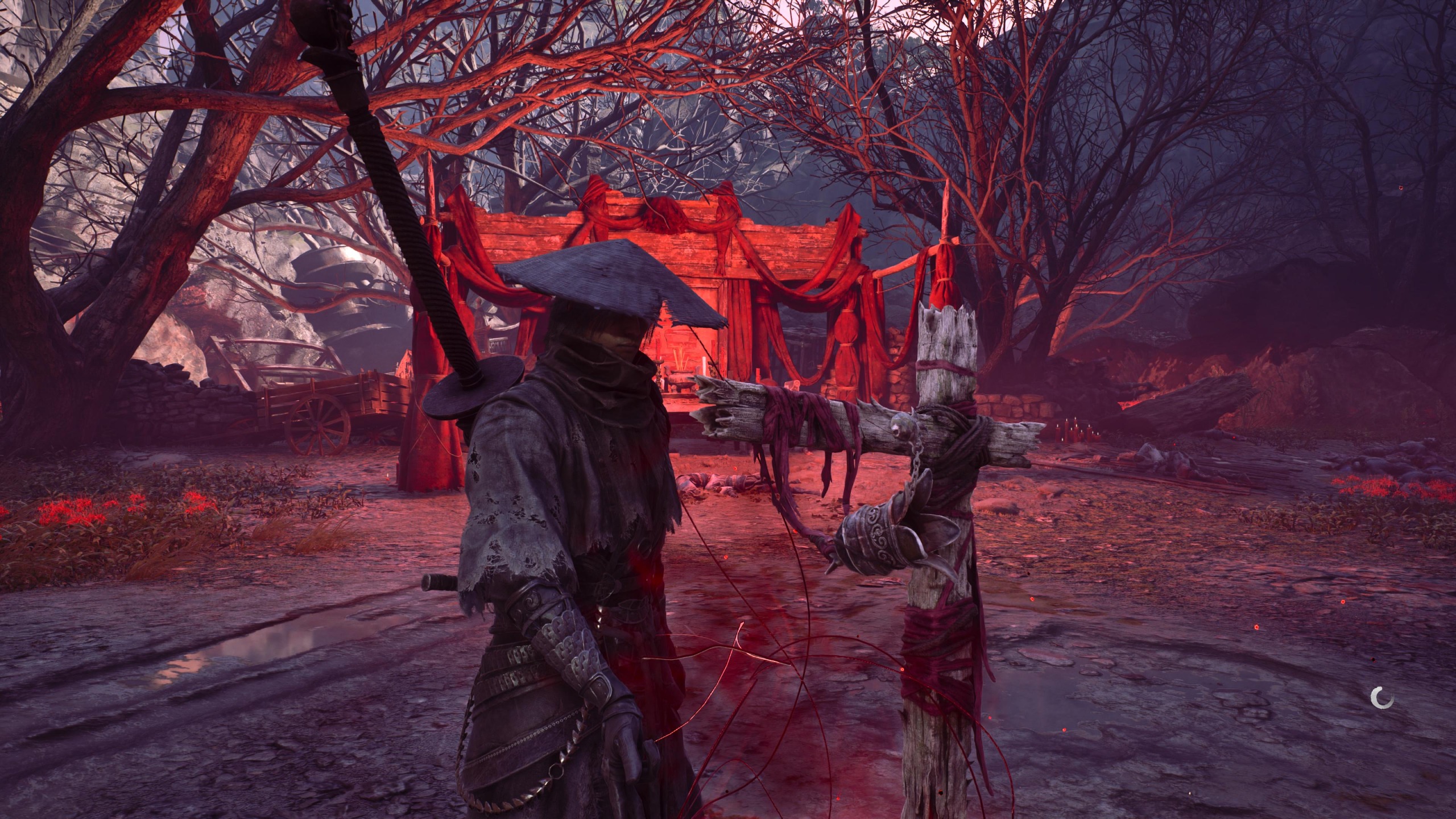
Despite featuring tools like a chain sickle that doubles as a grappling hook, traversal is strictly regulated. Wall-running, scaling cliffs, and grappling are restricted to specific, mandatory button prompts at pre-determined environmental anchors. Players will frequently encounter chest-high ledges or short drops that Soul’s master-level kung fu skills inexplicably refuse to mantle, forcing tedious, long-winded detours around invisible walls.
Boss Fights and the "Soulslike" Dilemma
A recurring point of discussion regarding Phantom Blade Zero is its classification within the Soulslike genre. In several key ways, it defies the genre’s conventions: resting at checkpoints does not respawn defeated enemies, and dying does not result in the permanent loss of currency or resources.
However, the moment you step into combat with a major boss, the game fully embraces Soulslike severity. Bosses hit extraordinarily hard, and healing resources are strictly limited, with upgrade materials for your healing gourd scarce until the game’s midpoint.
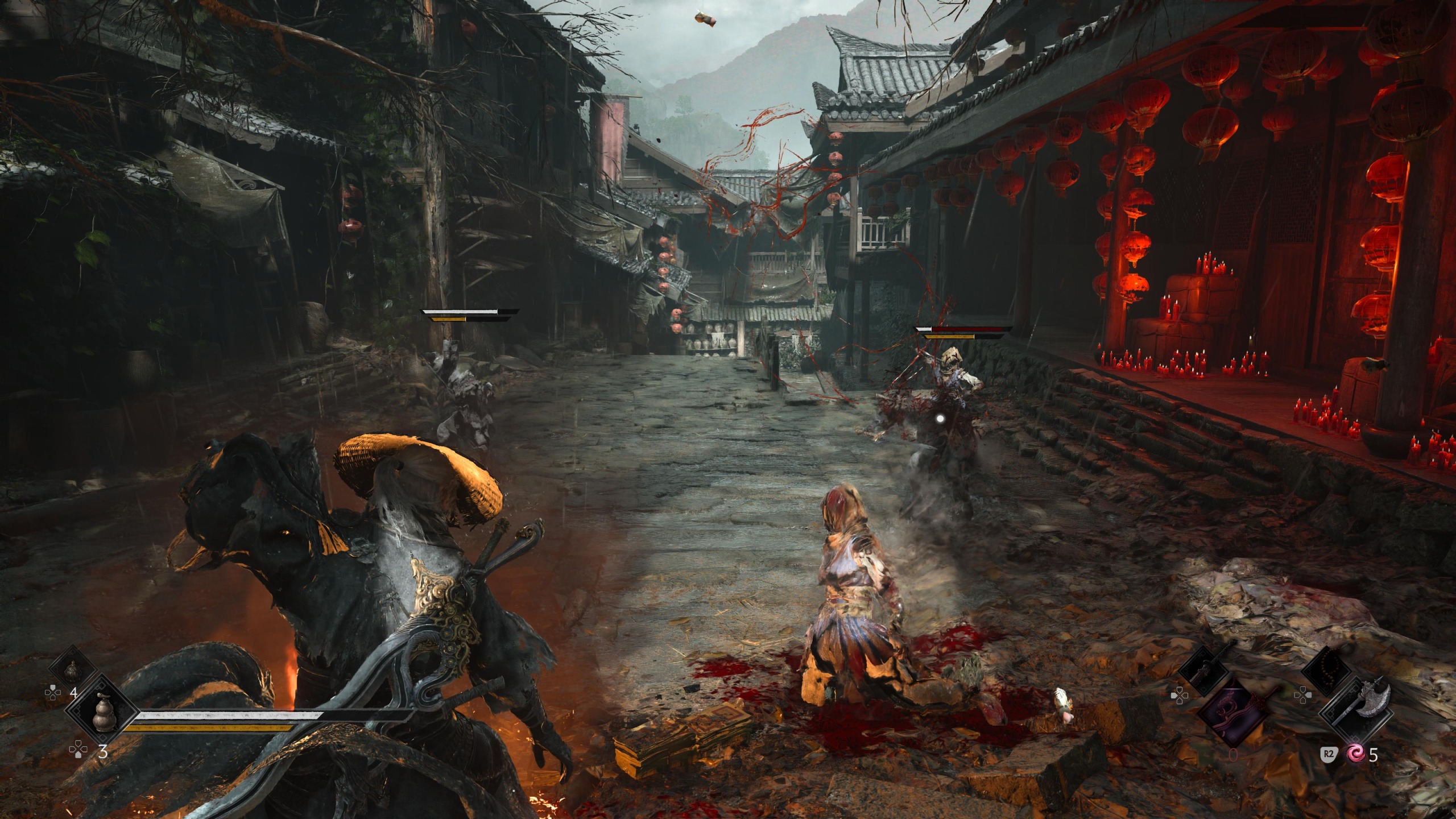
While S-Game attempts to mitigate frustration by incorporating multi-phase boss fights that spawn checkpoints between phases (sparing players from repeating the first phase with depleted resources), significant balancing issues remain. Bosses frequently feel excessively damage-spongey. Even when successfully staggering an opponent through aggressive play, heavy follow-up attacks often do little more than chip away at health bars. Furthermore, aggressive positioning during chaotic multi-phase fights can cause the camera to clip into environmental geometry, obscuring critical visual cues for parries and dodges.
PlayStation 5 Pro Performance Analysis
Reviewed on the high-end PlayStation 5 Pro hardware, Phantom Blade Zero revealed unexpected technical instability, particularly in the latter half of the campaign. Even after disabling ray tracing and locking the display settings to Performance mode, technical blemishes persisted:
- Audio Desynchronization: Voice acting tracks frequently slipped out of sync with cinematic and in-game musical cues.
- Environmental Texturing Bugs: Large water puddles and reflective surfaces occasionally failed to render reflections, appearing instead as solid mirror sheets or flat black holes in the terrain.
- Framerate Instability: The most egregious technical failing occurred during high-intensity combat sequences. Heavy visual effects during staggered boss execution animations routinely triggered severe framerate drops, reducing the action to an unplayable slideshow right when precise input recognition was most critical.
(Note: S-Game deployed a post-launch patch aimed at addressing many of these specific optimization hurdles, though it arrived too late to impact this review cycle’s final verdict.)
Official Statements and Studio Vision
S-Game’s development philosophy for Phantom Blade Zero has centered heavily on cultural authenticity combined with radical genre-blending. Director Soulframe Liang has repeatedly emphasized that the studio’s goal was never to merely replicate the industry standards set by FromSoftware or competing domestic AAA titles, but rather to establish a distinct artistic identity.
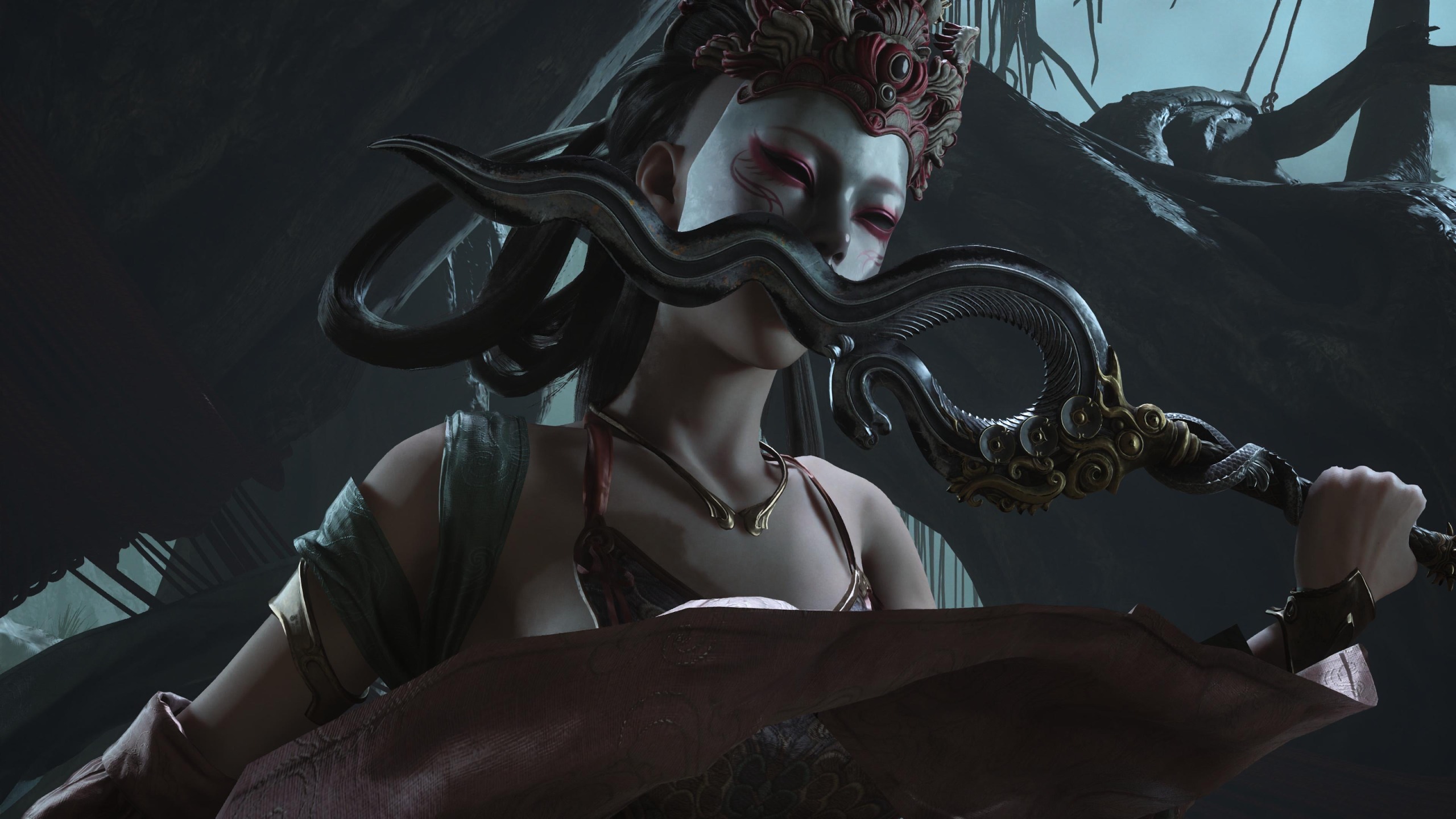
Speaking on the integration of martial arts royalty into the project, S-Game highlighted the invaluable contributions of Donnie Yen. While Yen’s physical likeness and motion-capture data form the backbone of the game’s most intricate combat choreography, the studio made the deliberate creative choice to place him behind a mask as a hidden, non-essential narrative encounter. This decision underscores the developer’s commitment to rewarding deep exploration rather than spoon-feeding iconic cameos to the player base.
Regarding the aesthetic identity of "kungfupunk," S-Game representatives noted that the philosophy extends far beyond surface-level visual pastiche. Sha-Chi is framed not just as a magical resource bar, but as the foundational socio-technical fuel of the world, directly mirroring how industrialization violently collided with traditional agrarian and spiritual societies throughout history.
Future Outlook
Phantom Blade Zero stands as a monumental achievement for S-Game, bridging a 15-year gap from an indie isometric RPG to a sweeping, high-budget console experience. It proves that Chinese AAA development is rapidly maturing, offering distinct artistic interpretations that go far beyond standard genre tropes.
The combat engine—backed by authentic motion capture, staggering weapon variety, and visceral pacing—is easily among the best in recent memory. Exploring the dense, beautifully rendered streets of Pangzhen hints at a masterclass in world-building that will satisfy fans of dark fantasy and martial arts epics alike.
Nevertheless, the game’s future success will heavily rely on ongoing post-launch support. S-Game must aggressively address console optimization, frame-rate stability during VFX-heavy engagements, and quality-of-life adjustments regarding invisible barriers and traversal restrictions. If subsequent patches can successfully iron out these technical and design creases, Phantom Blade Zero has all the foundational ingredients required to cement its legacy as a true modern classic of the action-RPG genre.