Adobe MAX has officially commenced, bringing with it the perennial storm of excitement, apprehension, and existential industry debate that has come to define the modern creative landscape. Walking into this year’s flagship event, the prevailing sentiment among attendees—particularly traditional designers, illustrators, and digital artists—was one of cautious skepticism. With generative artificial intelligence expanding its footprint at a breakneck pace, many creators arrived fatigued by the relentless industry pivot toward automated tools.
Yet, the opening day keynotes delivered a surprising tonal shift. Rather than doubling down on a purely technocratic narrative, Adobe’s leadership leaned into self-awareness, directly addressing the deep-seated anxieties swirling within the creative community. By positioning its proprietary AI engine, Firefly, not as a replacement for human imagination, but as a robust, integrated "creative studio," Adobe attempted to bridge the chasm between technological disruption and traditional craft.
This report explores the unfolding events of Adobe MAX, examining the strategic messaging from incoming leadership, the complex economic and ethical pressures facing modern designers, and what these sweeping technological shifts mean for the future of the creative industry.
Detailed Chronology: The Opening Day Unveiling
Morning Keynote: Confronting the Elephant in the Room
The morning kicked off with high anticipation and palpable tension. Major industry conventions are historically designed to hype up new software builds with unbridled enthusiasm, but Adobe’s executive team recognized that the room required a different approach this year.
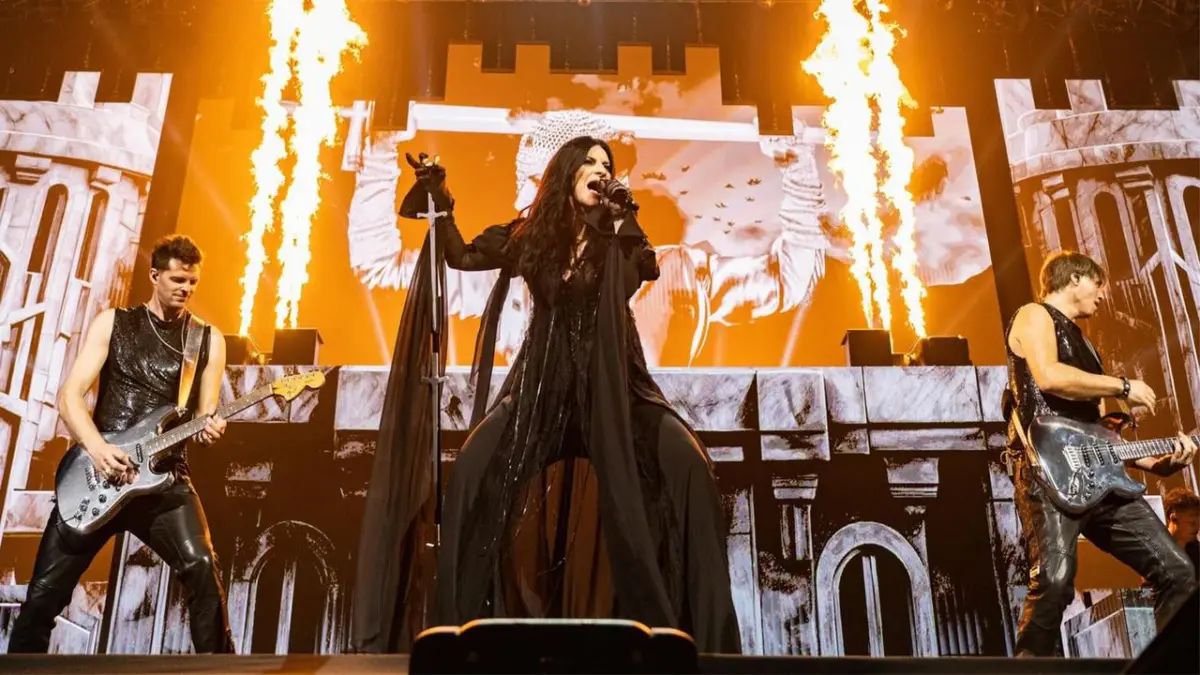
Stepping onto the stage, Vice President Deepa Subramaniam bypassed the typical corporate platitudes to directly acknowledge the atmosphere in the auditorium. "Things feel uncertain," she stated plainly, immediately addressing the unease surrounding artificial intelligence. For a multi-billion-dollar software giant to openly validate the emotional and professional whiplash experienced by its user base was a notable strategic pivot.
Subramaniam emphasized that Adobe’s foundational identity was forged by creatives who care deeply about the nuances of craft. "Creativity isn’t a side project; it’s a way of life," she noted, striking a chord with a crowd that has long feared being automated out of relevance. The address sought to anchor the company’s aggressive technological investments in a heritage of artistic enablement rather than displacement.
The Evolution of Firefly: From Tool to Studio
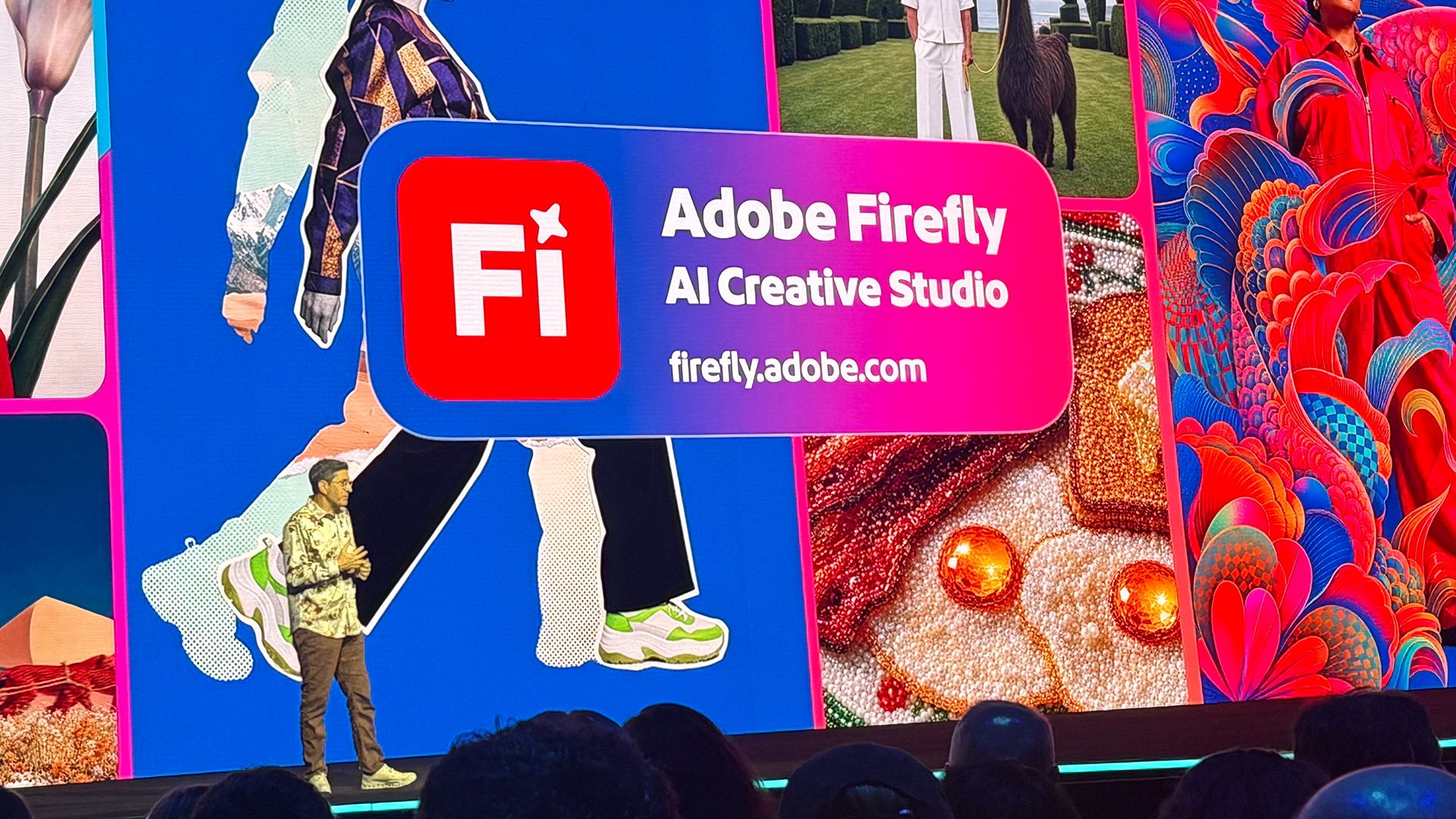
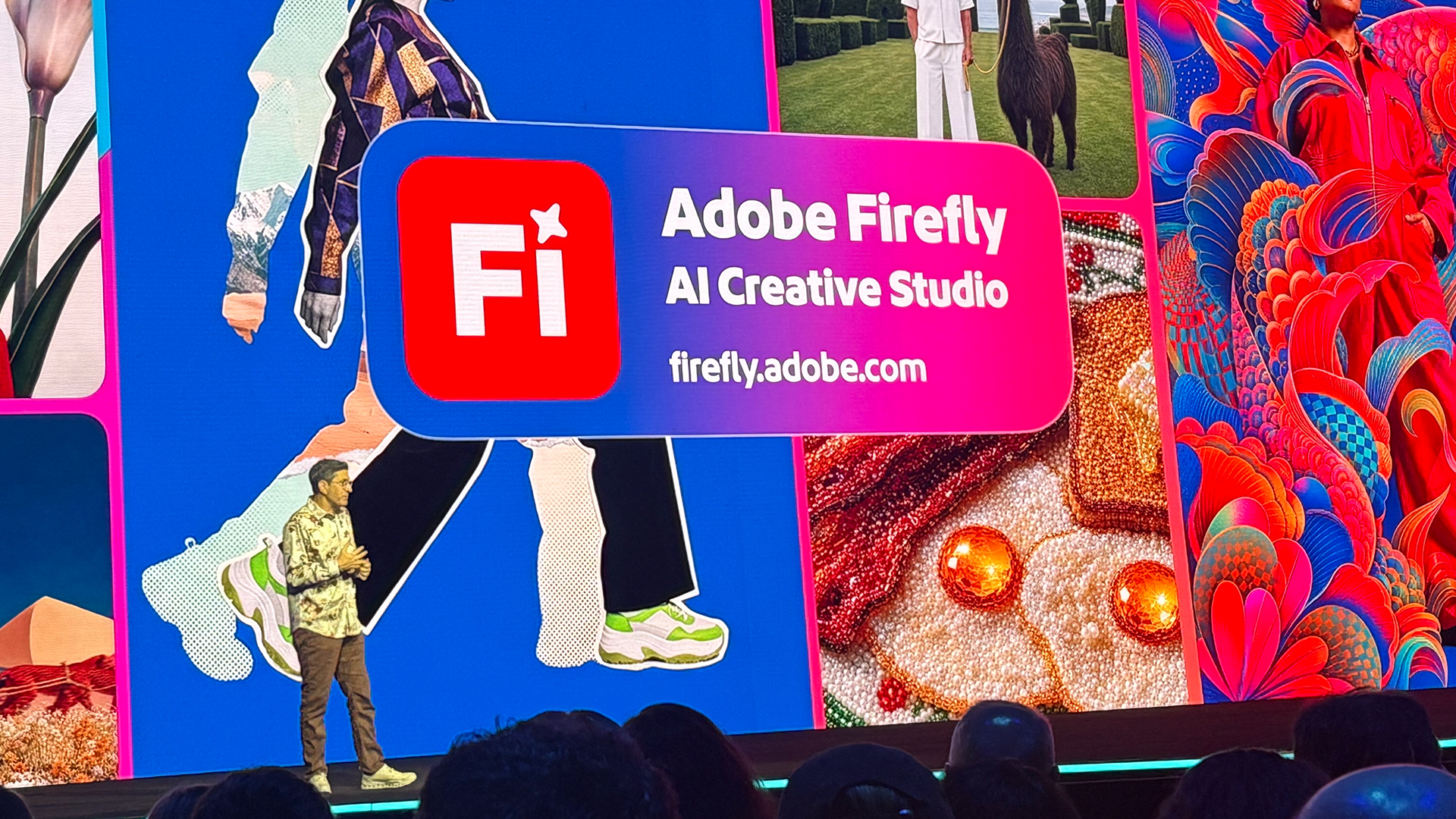
Following the introductory remarks, the conference pivoted to product demonstrations, with Firefly taking center stage. Over the past several cycles, Firefly has evolved from a standalone image-generation model into an deeply embedded ecosystem spanning Photoshop, Illustrator, Premiere Pro, and beyond.
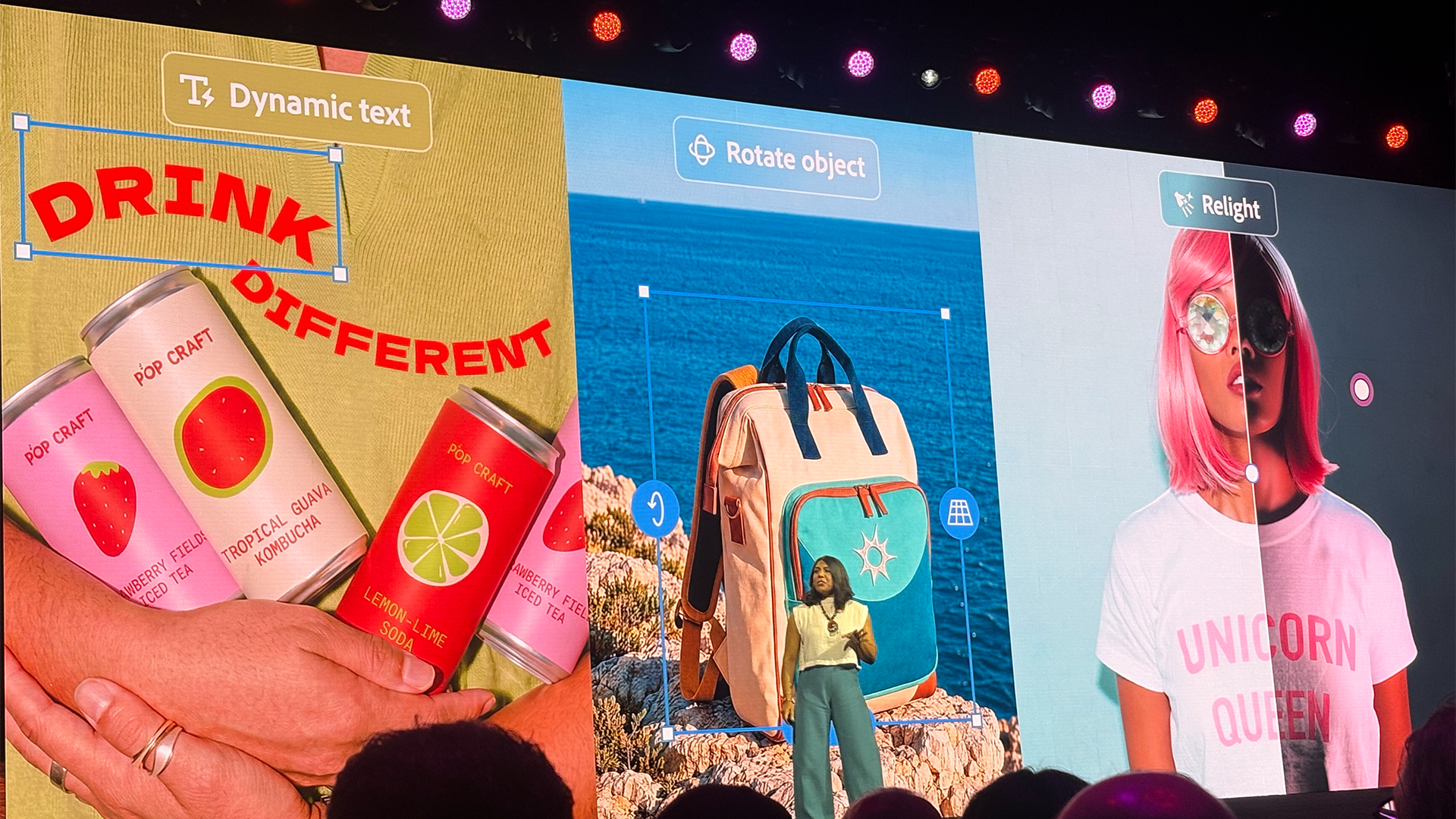
Adobe showcased Firefly’s transition into a "full-fledged creative studio," highlighting features designed to integrate generative capabilities directly into existing non-destructive workflows. Rather than opening a separate browser window or relying on external prompts, users can now leverage AI contextually within their established workspaces.
Future CEO Anil Chakravarthy took to the stage later in the morning to reinforce this operational philosophy, assuring the audience that "Adobe will meet you where you are." The demonstration aimed to prove that these tools are modular—designed to be adopted incrementally by artists who wish to speed up tedious production tasks without sacrificing their core artistic signature.
Supporting Context & Metrics: The Modern Creative’s Burden
To understand why Adobe’s messaging struck a delicate nerve, one must examine the modern professional environment in which graphic designers, motion artists, and digital creators operate.
The Rise of the Multi-Hyphenate Designer
Gone are the days when a graphic designer could focus solely on print layouts or brand identity systems. Industry data and workforce trends highlight a dramatic expansion in job expectations over the past half-decade:
The Generalist Shift: Over 78% of creative professionals report being asked to handle cross-disciplinary tasks outside their primary specialty.
Content Velocity: The demand for localized, multi-platform assets has increased exponentially, requiring designers to output assets for social media, web integration, motion graphics, and video simultaneously.
Resource Compression: Budgets and timelines continue to shrink, leaving creative teams with less time to conceptualize and execute campaigns from scratch.
This convergence of high expectations and restricted timelines creates a fertile ground for burnout. Subramaniam highlighted this exact paradox during her keynote, noting that the "humble graphic designer" is now expected to function simultaneously as a web architect, motion specialist, and social media strategist.
The Efficiency Paradox and the Moral Dilemma
This is precisely where Adobe’s technological push finds its justification—and its controversy. Proponents argue that time-saving generative tools act as a pressure valve, absorbing the repetitive grunt work of asset resizing, background removal, rotoscoping, and texture generation. By automating these mechanical tasks, AI theoretically returns valuable hours to the creator, allowing them to focus on high-level conceptualization and storytelling.
However, this efficiency introduces a profound moral dilemma for the creative community: Where do we draw the line?
Devaluation of Skill: When complex effects or intricate vector illustrations can be generated with a text prompt, clients may begin to undervalue the years of training required to master traditional software.
Homogenization: Over-reliance on standardized AI models risks flooding the visual landscape with derivative, hyper-polished aesthetics that lack distinct human perspective.
Economic Anxiety: Even as software companies promise augmentation rather than replacement, enterprise adoption of generative workflows frequently translates to smaller creative teams and tighter labor budgets.
Official Statements and Industry Insights
The discourse at Adobe MAX 2026 underscores a broader industry pivot toward emotional intelligence in tech marketing. Corporations can no longer afford to adopt a purely techno-optimist stance that ignores the lived realities of end-users.
"Adobe will meet you where you are." — Anil Chakravarthy, Future CEO of Adobe
Chakravarthy’s statement serves as a strategic commitment to flexibility. By acknowledging that different studios, freelancers, and enterprises operate at varying speeds of technological adoption, Adobe is attempting to position its software suite as a customizable toolkit rather than an enforced paradigm shift.
"Things feel uncertain… Creativity isn’t a side project; it’s a way of life." — Deepa Subramaniam, Vice President
Subramaniam’s address targeted the psychological friction between artists and algorithms. By framing Adobe’s product development as a defensive shield and a productivity booster against overwhelming market demands, the company is actively attempting to co-opt the narrative of creator protection.
Industry analysts observing the conference note that Adobe’s strategy relies heavily on trust. By emphasizing ethical sourcing—training Firefly exclusively on licensed content and public domain assets—Adobe has carved out a distinct market position compared to competitors facing widespread copyright litigation. Yet, establishing legal compliance is only half the battle; winning the psychological trust of skeptical designers remains an ongoing project.
Future Outlook: Navigating the Road Ahead
As Adobe MAX continues its multi-day run, the broader implications for the creative sector are becoming clearer. The roadmap laid out by Adobe hints at a radically different future for foundational applications like Photoshop, bolstered by cross-platform partnerships (such as recent integrations hinting at deeper Google ecosystem synergies) and increasingly autonomous AI agents.
Key Trends Shaping the Next Era of Design:
Hybrid Workflows as Standard: The debate over whether to use AI is rapidly shifting into a discussion of how to integrate it responsibly. Mastery of AI-assisted curation and prompt engineering will likely become standard components of creative education.
The Premium on Human Authenticity: As synthetic media becomes frictionless to produce, genuine human flaws, analog textures, and distinct auteur perspectives are predicted to command a higher premium in the marketplace.
Evolving Software Literacy: Adobe’s focus on its "rich learning ecosystem" suggests that software companies will invest heavily in educational resources to help traditional artists transition into supervisory and directorial roles within automated workflows.
Conclusion: Cautious Hope at the Crossroads
Leaving the opening day keynotes, the prevailing mood among many attendees shifted from defensive skepticism to an introspective cautious hope. Adobe has not completely resolved the existential dread that accompanies the AI revolution, nor can it eliminate the market pressures forcing creatives to produce more with less.
However, by acknowledging the tension, prioritizing safety and reliability, and framing technology as a companion to human craft rather than its executioner, Adobe has opened a constructive dialogue. Whether the reality of upcoming software releases will live up to the empathetic rhetoric of the keynote stage remains to be seen. For now, the creative community watches closely, balancing an eye on innovation with a steadfast commitment to preserving the human soul of design.