
Tag: ux
From ZizzMedia, the free news encyclopedia
105 articles in this section
-
 Executive Overview Cascading Style Sheets (CSS) has historically evolved through careful additions to its layout and styling capabilities, while selector syntax has remained relatively rigid. For decades, front-end developers facing the common design pattern of sharing base styles across multiple...
-
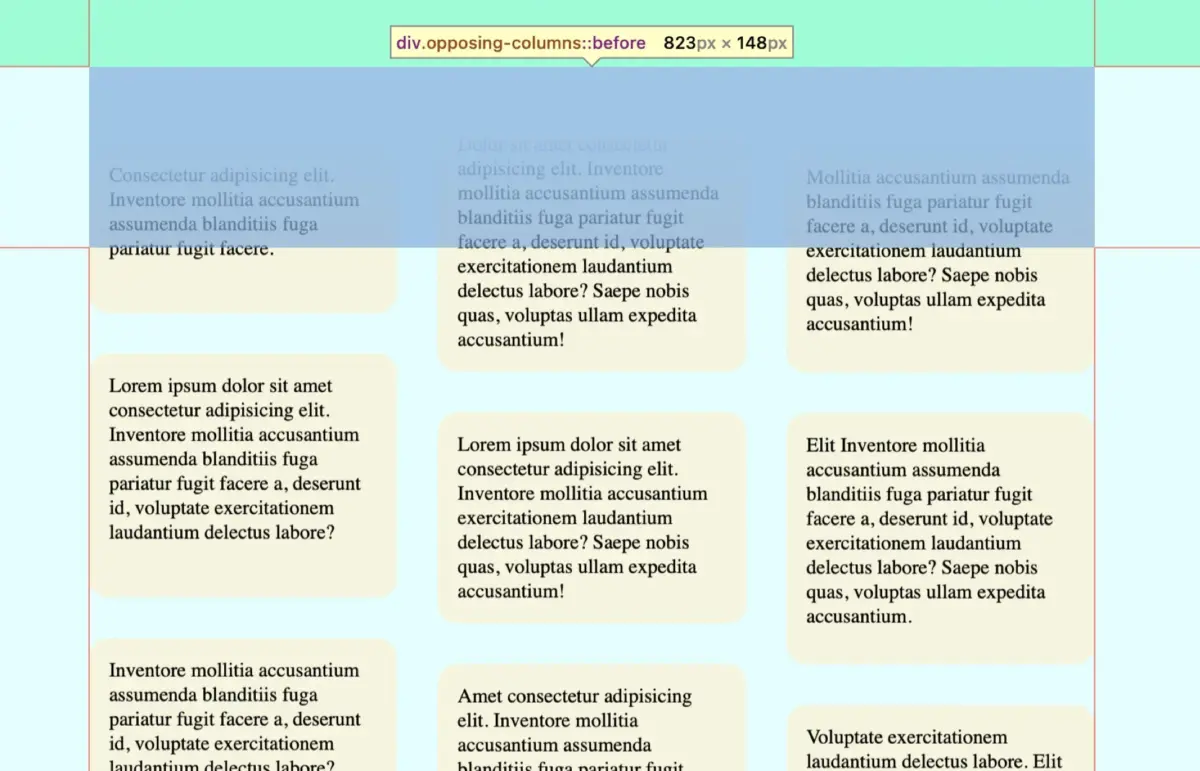 Executive Overview In the rapidly evolving landscape of modern front-end web development, the boundary between static layouts and cinematic user experiences continues to blur. For years, complex scrolling interactions—such as multi-directional parallax grids, opposing vertical momentum, and dynamic item clipping—demanded...
-
 Executive Overview In the evolution of web design, few tools have fundamentally reshaped how developers approach layout, micro-interactions, and performance quite like CSS transforms. At the very heart of this toolkit lies the translate() function. Defined within the CSS Transforms...
-
 Executive Overview In the ever-evolving landscape of modern web development, creating fluid, performant, and visually engaging user interfaces is paramount. Among the vast toolkit available to front-end engineers, the CSS transform property stands out as a foundational pillar for manipulating...
-
 Executive Overview In the evolution of web design and user interface (UI) engineering, the pursuit of fluid, performant, and delightful motion has transitioned from a luxury to an expectation. Modern applications demand micro-interactions, smooth page transitions, and responsive components that...
-
 Executive Overview For decades, the fundamental architecture of the World Wide Web was tethered to the flatlands of two-dimensional space. Designers and developers manipulated elements strictly along the horizontal ($X$) and vertical ($Y$) axes. While layout engines grew increasingly sophisticated—evolving...
-
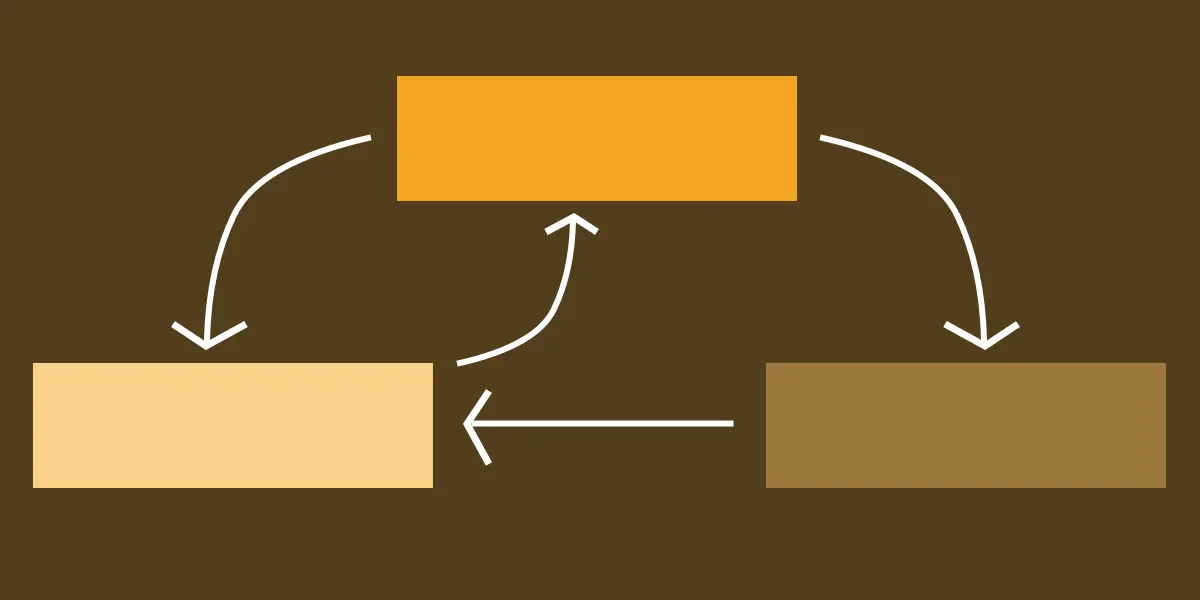 Executive Overview For decades, the architectural boundaries of web development were cleanly drawn: HTML provided the structural foundation, JavaScript handled the dynamic logic and state changes, and Cascading Style Sheets (CSS) merely painted the canvas. But as modern applications demand...
-
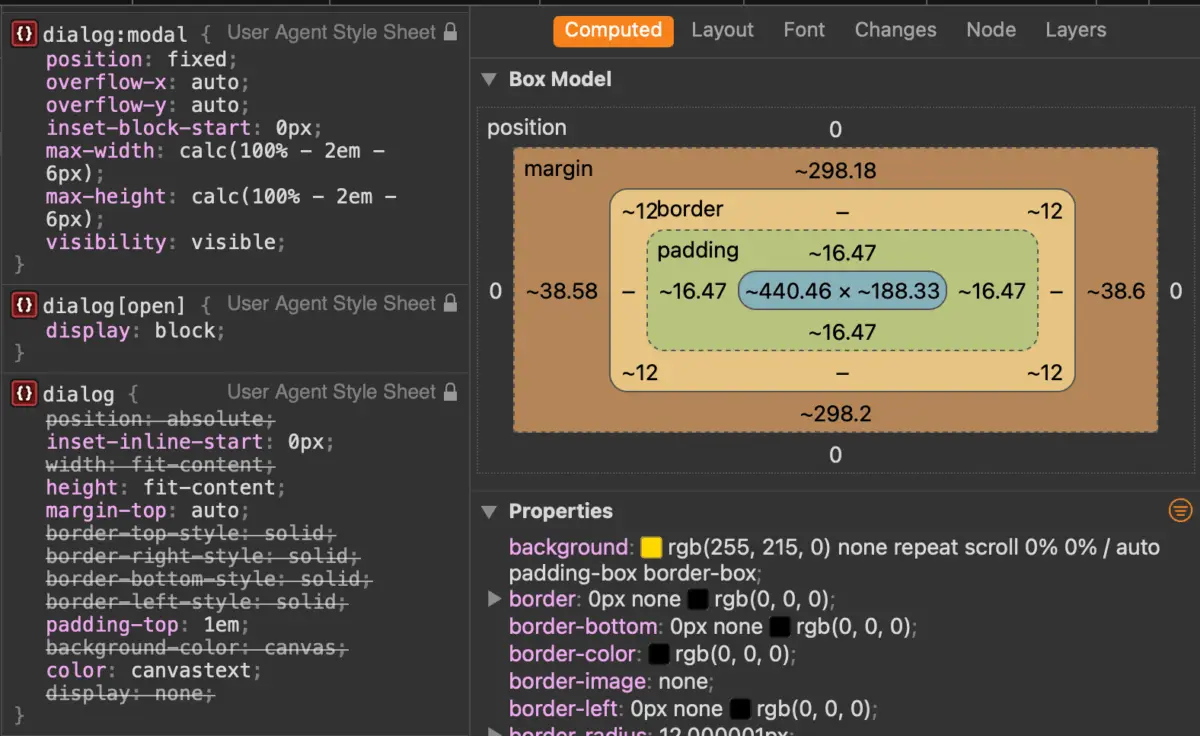 Executive Overview It is difficult to overstate the revolutionary impact the native HTML <dialog> element brought to web development. Nearly a decade after its initial introduction and widespread browser implementation, this seemingly compact piece of web architecture continues to offer...
-
 Executive Overview The web development landscape continues its relentless march forward, characterized by an intriguing juxtaposition: while stable browser releases have experienced a brief, quiet interlude, the developer community and standards bodies are operating at a breakneck pace. Edition #14...
-
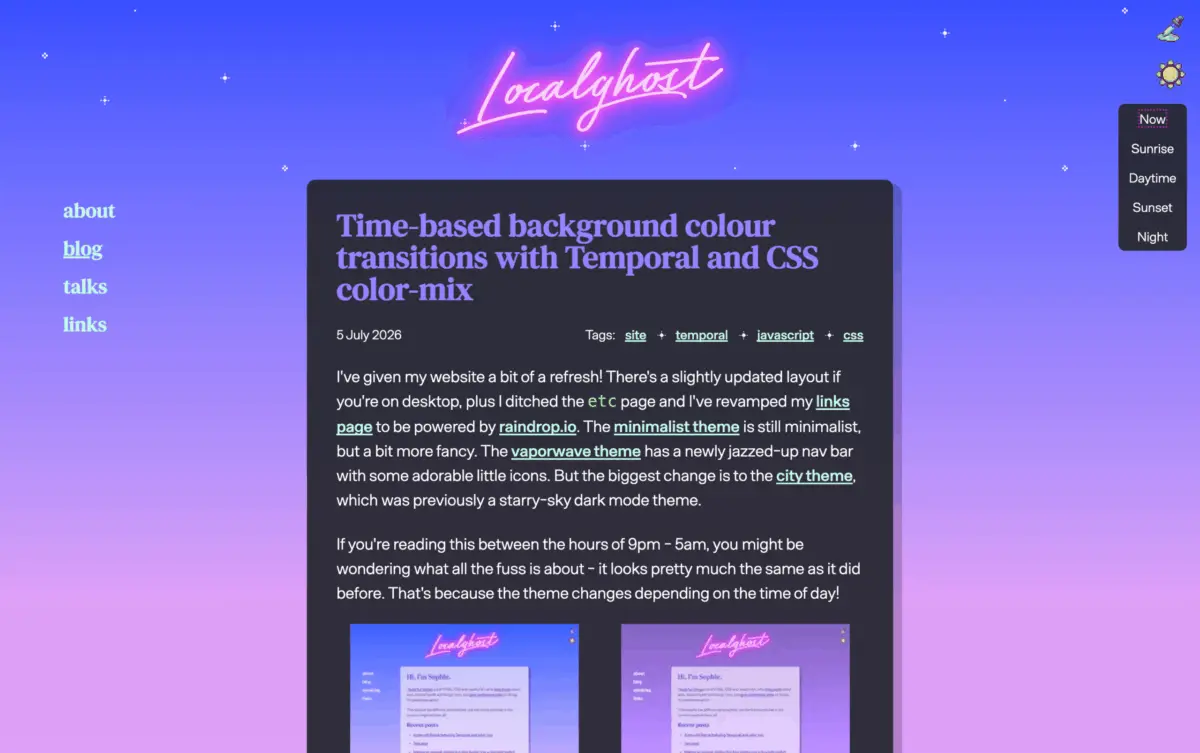 Executive Overview The web development landscape is undergoing a period of profound structural evolution. As browsers continue to rapidly adopt advanced styling primitives, layout engines, and dynamic scripting APIs, frontend engineers are being handed unprecedented control over visual presentation and...