By Joel Cunningham, Deputy Editor
November 11, 2026
Executive Overview: Bridging the Gap Between Digital Convenience and Analog Nostalgia
In an era defined by the glow of high-definition OLED screens and the constant, rapid-fire consumption of digital imagery, the concept of the "digital photo frame" has largely stagnated. For years, the market has been dominated by devices that essentially function as tethered, miniaturized tablets—bright, vibrant, and relentlessly demanding of a power outlet. However, a quiet revolution is taking place in the home decor space, led by Aura.
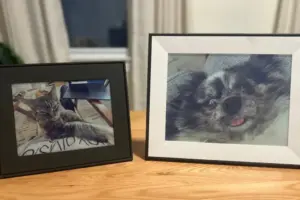
Following the release of its inaugural 13-inch e-ink display last year, the company has officially launched its second-generation 10-inch Aura Ink frame. This device represents a strategic pivot for the brand, addressing the physical and aesthetic limitations of its predecessor while leaning further into the "paper-like" experience that modern consumers are increasingly craving. While the technology is not without its inherent trade-offs—specifically regarding refresh rates and color saturation—the 10-inch Aura Ink serves as a compelling proposition for those who desire the convenience of a cloud-connected library without the clinical, light-emitting aesthetic of a standard LCD panel. This analysis explores whether the refined hardware and more accessible price point of the 10-inch model successfully reconcile the technical limitations of e-ink with the demands of a high-end consumer product.
Detailed Chronology: From Concept to the 10-Inch Iteration
To understand the significance of this new release, one must look back at the development cycle of the Aura Ink series. When Aura, a company already boasting a user base that uploads over one billion photos annually, first pivoted to e-ink in 2025, it was an ambitious experiment.
The original 13-inch model was met with cautious optimism. Critics and early adopters lauded the device for its commitment to a non-intrusive aesthetic—a frame that looked, for all intents and purposes, like a piece of art rather than a tech gadget. However, the 13-inch frame was bulky, expensive, and carried a steep learning curve regarding how users interacted with the hardware.

Fast forward to November 2026: The announcement of the 10-inch model marks a refinement phase. Aura has clearly listened to feedback regarding the footprint of their hardware. By shrinking the display to a more standard 10-inch size, the company has managed to lower the barrier to entry, both in terms of physical space and cost. The development timeline suggests a focus on battery efficiency and software optimization, allowing the device to maintain its core value proposition—untethered, long-term operation—while slimming down the chassis. The progression from the "proof-of-concept" 13-inch model to the more refined 10-inch version signals that Aura is committed to carving out a permanent niche for e-ink display technology in the smart-home ecosystem.
Supporting Context & Metrics: The E-Ink Paradigm Shift
The fundamental appeal of the Aura Ink lies in its display technology. Unlike traditional LCDs, which use a backlight to push light through a matrix of liquid crystals, e-ink relies on microcapsules of pigment that physically migrate to the surface of the screen.
The Aesthetic Trade-off
When you view a photo on a standard digital frame, you are looking at a light source. When you look at the Aura Ink, you are looking at reflected light, similar to how your eye perceives a physical print on paper. This is the device’s greatest strength, but it is also the source of its most significant technical hurdles.
- Refresh Latency: Because the screen relies on physical pigment migration, it cannot perform the rapid pixel-switching required for fluid video playback or fast-paced slideshows. In our testing, the transition between images takes approximately 45 seconds. For the average user accustomed to the instant gratification of a smartphone, this can feel like an eternity.
- Color Reproduction: E-ink uses a "dithering algorithm" to approximate millions of colors by blending tiny pixels. While the result is remarkably sophisticated for the medium, it lacks the punchy saturation and contrast of an OLED display. Under close inspection, one may notice a granular texture. However, when viewed from a distance, this texture effectively mimics the grain of high-quality photographic paper, lending the image a tactile quality that digital screens usually lack.
- Power Management: The primary metric that separates the Aura Ink from its competitors is its battery efficiency. Because the screen only consumes power when the image changes, the device can operate for months on a single charge. This frees the user from the "cord clutter" that plagues traditional digital frames, allowing the frame to be placed on bookshelves, side tables, or mantels where power outlets are non-existent.
Official Statements & Industry Positioning
Aura has positioned the new 10-inch Ink frame not as a replacement for the high-octane performance of their LCD frames like the Aura Aspen, but as an alternative for a different kind of user experience.
In discussions surrounding the product launch, company representatives have emphasized the "curated" nature of the device. The integration with the Aura app remains robust; users can pull photos from various sources, and the new text-to-frame feature simplifies the process of adding photos on the fly. Aura’s recommendation—capping photo rotations at 12 times per day—is a testament to their focus on the long-term, static viewing experience. They aren’t selling a gadget to be poked at; they are selling a digital heirloom that evolves slowly, mirroring the way one might rotate physical photos in a collection.

Industry analysts note that by lowering the price to $350, Aura is aggressively targeting the luxury gifting market, hoping to replace traditional picture frames with a device that provides the same "set it and forget it" simplicity of a printed photo, with the added benefit of global, cloud-based updates.
Future Outlook: The Intersection of Tech and Interior Design
Looking ahead, the success of the 10-inch Aura Ink will likely serve as a bellwether for the future of color e-ink in consumer electronics. As technologies like the Kindle Colorsoft bring color e-ink to the mainstream, the expectation for high-fidelity, low-power displays will only grow.
However, the "right person" for this device remains a specific subset of the population. If your goal is to showcase high-action video clips or if you demand the hyper-vibrant color accuracy of a studio monitor, the Aura Ink will undoubtedly disappoint. Conversely, if you are looking to reclaim your home from the encroachment of glowing, distracting technology—if you want your digital memories to feel grounded, physical, and timeless—the 10-inch Aura Ink is arguably the best implementation of this technology to date.
The future of this product line will likely depend on software refinements that make the "dithering" process even more seamless and perhaps a further reduction in the refresh latency. As we move deeper into the next year, it will be fascinating to see if Aura can continue to bridge the gap between the rigid, fast-paced world of silicon chips and the slower, more deliberate world of traditional home decor. For now, the 10-inch Aura Ink stands as a sophisticated, albeit niche, bridge between those two worlds. It is a bold, deliberate choice for the modern home, proving that sometimes, the most effective way to innovate is to slow things down.