Executive Overview
The digital marketing landscape is currently gripped by a singular, pervasive anxiety: the rise of Generative AI (genAI). As platforms like ChatGPT, Perplexity, and Google’s AI Overviews redefine how users access information, businesses are scrambling to determine whether they need to pivot from traditional Search Engine Optimization (SEO) to Generative Engine Optimization (GEO).
However, a cold assessment of the data suggests that the panic surrounding GEO may be premature. Current evidence indicates that genAI platforms drive a negligible amount of direct traffic to websites—often cited at less than 1%—and the metrics required to prove their impact on the consumer journey remain frustratingly elusive. This article explores the tension between the promise of AI visibility and the reality of performance marketing, concluding that for the foreseeable future, traditional SEO is not just the safer bet—it is the foundational prerequisite for any success in the AI era.
Detailed Chronology: From Search Engines to Answer Engines
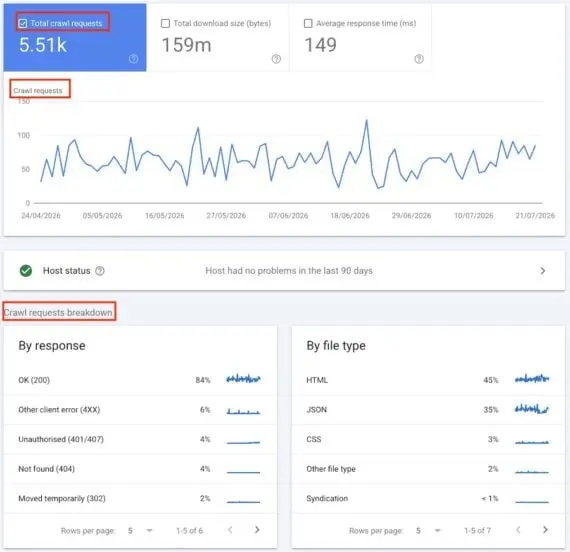
For two decades, the "Search" paradigm was binary: a user typed a query, the engine returned a list of blue links, and the website received a click. This model allowed for precise tracking through Google Search Console, Google Analytics, and various attribution models.
The shift toward genAI represents a fundamental change in intent. Users are no longer looking for a navigation point; they are looking for a synthesis. When a user asks ChatGPT or Gemini a complex question, the goal of the interface is to provide a comprehensive answer within the chat window, effectively terminating the user’s need to click through to an external site.
This shift has created a "visibility vacuum." While industry experts have spent the last 18 months debating the necessity of GEO, the consensus remains fragmented. Prominent search strategists, such as Marie Haynes, have argued that GEO is largely a distraction—a reaction to fear rather than a strategy built on proven ROI. As we stand in this transition period, the industry finds itself stuck in a "black box" phase where the mechanics of citation and referral are opaque, proprietary, and highly volatile.
Supporting Context & Metrics: The Traffic Deficit
The most compelling argument against a full-scale migration to GEO lies in the hard data regarding website referrals. Recent benchmarks from Ahrefs confirm that traffic driven by ChatGPT to external sites sits at a mere 0.43%. Even within the technology sector, where one might expect higher engagement, that figure peaks at approximately 0.70%.
The Attribution Problem
If traffic is not the metric, what is? Proponents of GEO argue that "AI visibility" should be measured through brand sentiment, awareness, or "answer inclusion." Yet, these metrics are notoriously difficult to isolate.
- The Survey Gap: Many businesses have turned to post-purchase surveys asking, "Where did you hear about us?" This method, while classic, is prone to human error. In a world where a customer might touch a brand through a YouTube video, an Instagram ad, an organic search result, and finally an AI summary, the ability of a consumer to accurately attribute their decision to a specific genAI interaction is effectively zero.
- The Missing KPI: Without a "GenAI Search Console" that provides clear impression and click-through data, marketers are effectively flying blind. We are currently relying on anecdotal evidence and third-party tools that struggle to provide a comprehensive view of how AI models prioritize one brand over another.
The Strategic Imperative: Why SEO Still Reigns Supreme
Despite the hype, the most effective way to optimize for an AI-driven future remains, ironically, the refinement of traditional SEO. There are two primary reasons for this "back-to-basics" approach.
1. The Measurability Gap
Google Search remains the only organic channel that provides a transparent, intent-based, and measurable pathway for businesses. When you invest in SEO, you are investing in a system where performance can be tracked from query to conversion. GEO, by contrast, is a proprietary ecosystem where the "rules" of inclusion change with every model update. Investing heavily in a channel where the metrics are a black box is a dangerous gamble for any marketing budget.
2. The Correlation Factor
Research into how genAI platforms select their citations reveals a significant, albeit messy, correlation with existing organic search authority. While ChatGPT often leans toward large media partners and user-generated content hubs like Reddit, Google’s own AI features are deeply tethered to its massive web index.
Crucially, there is no evidence of a site that maintains high rankings in Google Search but is consistently ignored by genAI models. By doubling down on the pillars of SEO—high-quality content, topical authority, and technical excellence—brands are inherently optimizing for the very indexes that AI models consume. In short: if you want to be "seen" by an AI, you must first be "respected" by the web.
Official Perspectives: The Industry Divide
The debate has polarized the SEO community. On one side are the "GEO Purists," who believe that if brands do not adapt to the linguistic and structural preferences of LLMs (Large Language Models), they will be relegated to digital obscurity. They advocate for structuring content to be "answer-ready," using schema markup to help AI parse data, and focusing on conversational intent.
On the other side are the "SEO Pragmatists," who argue that the time spent chasing the fluctuating algorithms of OpenAI or Anthropic is time stolen from optimizing the only channel that actually drives revenue. They point out that even if you achieve a "citation" in a ChatGPT response, the conversion rate from that citation is often lower than a direct click from a Google search result, as the user has already received the information they were seeking.
Future Outlook: A Hybrid Strategy
Looking ahead, the most successful brands will likely be those that adopt a "SEO-First, AI-Enabled" hybrid approach.
The Future of GEO Tactics
Rather than treating GEO as a separate, isolated discipline, businesses should view it as an evolution of content strategy. The tactics that work for SEO—such as participating in high-authority listicles, fostering brand mentions on platforms like Reddit, and building deep topical authority—are the same tactics that increase the likelihood of being cited by an AI.
For example, when a brand focuses on building a presence on Reddit, they are not just "doing SEO." They are building a digital footprint that AI models frequently scrape to provide "human" context in their responses. By focusing on these activities, businesses gain a double advantage: they capture traditional search traffic and simultaneously improve their "AI visibility."
Final Recommendations
As we move further into the age of Generative AI, businesses should:
- Prioritize the Known: Keep the majority of resources allocated to SEO and measurable performance marketing.
- Audit for Authority: Focus on creating content that is comprehensive, unique, and authoritative, as LLMs prioritize high-trust sources to reduce "hallucinations."
- Embrace the "Indirect" Play: Instead of trying to "hack" the AI response, focus on being present where the AI looks for information. If the AI is scraping Reddit, ensure your brand is active and well-regarded there.
- Wait for the Tools: Until the major genAI platforms provide transparent reporting, treat GEO as an experimental side-project rather than a core pillar of your marketing strategy.
The digital landscape is changing, but the fundamental law of business remains the same: follow the data. Until the data proves that GEO is a sustainable, measurable, and profitable channel, it should remain a supplementary effort to the enduring power of organic search.