
Executive Overview
The ecommerce landscape is undergoing a profound structural transformation. As we move through the fourth quarter of 2026, the industry is witnessing a decisive shift from passive software tools to proactive, “agentic” commerce. This evolution—where AI systems no longer merely report data but execute complex, multi-step business decisions—has become the central theme of this week’s product releases.
From B2B search personalization and cross-border payment orchestration to automated financial platforms and autonomous marketing agents, merchants are being equipped with a new generation of digital infrastructure. This report examines the latest wave of tools designed to reduce operational friction, optimize cross-channel returns, and streamline global expansion. As artificial intelligence moves from the periphery to the core of the merchant stack, the definition of "efficiency" is being rewritten.

Detailed Chronology of Key Releases
The Rise of Agentic Commerce
The most significant trend this week is the maturation of "agentic" capabilities—software that can reason, plan, and act on behalf of a human user.
- Lightspeed Commerce has pioneered this shift by introducing AI agents that analyze a retailer’s catalog, inventory, and sales data. Unlike traditional analytics, Lightspeed’s system recommends specific actions—such as inventory reordering or promotional adjustments—and prepares these tasks for immediate human approval.
- Marklo has emerged from stealth with $5 million in funding, specifically targeting Shopify brands. Its agentic platform functions as a "digital marketer," identifying revenue gaps and autonomously drafting campaigns for Slack or email review.
- Square is reimagining the physical retail experience with its new Kiosk. By integrating an agentic voice layer, the system can engage in real-time, conversational commerce with customers, effectively managing menu complexity without manual intervention.
- Loops has secured $3.5 million to build an "AI operating system" for commerce. Their focus is on consolidating fragmented AI tools into a single, unified agent that guides consumer product discovery based on intent, rather than just keywords.
Financial Infrastructure and Global Payments
As merchants expand beyond their home borders, the complexity of payments and compliance has created a bottleneck. Several new tools are attempting to remove these barriers:

- Fiserv’s Commerce Hub provides a centralized, single-integration solution for cross-border operations. By unifying APIs for local payment methods, settlement, and fraud protection, Fiserv is standardizing the "plumbing" of global trade.
- Mastercard and BVNK have joined forces to launch the Global Money Platform. This service is a milestone for modern finance, as it allows businesses to manage both traditional fiat currencies and stablecoins through one API, offering real-time FX and global funds transfers.
- Oracle NetSuite’s QuickStart addresses the "idea-to-IPO" timeline for startups. By offering a free, AI-first financial platform, NetSuite is embedding automated accounting and subscription management into the very foundation of emerging companies.
- FinStackk has launched SalesTaxx, an end-to-end tax compliance platform that solves one of the most painful aspects of U.S. ecommerce: nexus monitoring. By providing line-by-line transparency and automated alerts for tax thresholds, it mitigates the risk of audit surprises.
Discovery, Distribution, and Marketing
- Algolia has launched a native Shopify B2B integration. This is a game-changer for wholesalers, as it enables account-specific search discovery, ensuring that business buyers see only the products, prices, and quantities they are authorized to access.
- Google’s Universal Cart is expanding in the U.S. By leveraging the Shopping Graph—which contains a staggering 60 billion product listings—Google is creating a friction-free bridge between discovery in Search/Gemini and final checkout, whether through Google Pay or directly on the merchant’s site.
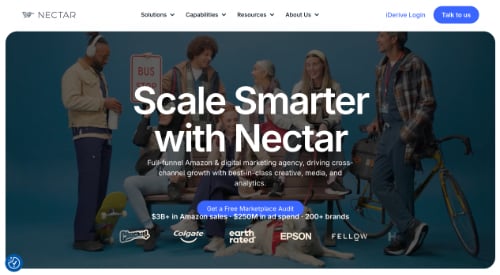
- Nectar’s Customer Atlas for Amazon Marketing Cloud represents a shift from keyword-based advertising to audience-based targeting. By indexing purchase history against Amazon’s thousands of audience segments, brands can now optimize their ad spend based on actual shopper behavior.
Supporting Context & Metrics: The State of the Industry
The rapid adoption of these tools is not happening in a vacuum. Current industry data suggests that merchants are facing a "complexity crisis."
- Fragmented Data: According to recent market analysis, the average mid-sized merchant operates across 4.2 distinct sales channels. This fragmentation is the primary driver behind Appriss Retail’s Engage Insights, which seeks to unify cross-channel returns and claims data into a single dashboard. Without this, merchants often suffer from "data leakage," where they cannot identify if a return in a physical store is linked to a customer’s online behavior.
- The Rise of Marketplaces: The launch of EasyShop across 21 European countries highlights the ongoing demand for cross-border simplicity. By automating VAT calculations and logistics for retailers, marketplaces are acting as "growth engines" for brands that lack the localized expertise to navigate the European regulatory environment.
- The Creator Economy: ShopBack’s SparkHub addresses the conversion gap in creator marketing. By providing tools for Gen Z-focused brand-creator partnerships and, crucially, tracking purchases directly from creator content, the platform attempts to solve the long-standing "attribution problem" in influencer marketing.
Official Statements and Strategic Vision
Industry leaders are framing these releases not just as incremental improvements, but as a fundamental shift in the relationship between human merchants and their tools.
- On Agentic AI: A spokesperson for Lightspeed noted: "We are moving from a world where software is a mirror, reflecting what happened yesterday, to a world where software is a co-pilot, anticipating what needs to happen tomorrow."
- On Global Payments: The Mastercard/BVNK partnership reflects a wider institutional acceptance of blockchain-adjacent assets. "By combining the reach of our network with the speed of stablecoin technology, we are making global commerce as seamless as local commerce," stated a representative from the joint venture.
- On Marketplace Ethics: EasyShop’s leadership emphasized a "retailer-first" approach: "We are not a competitor to the brands on our platform. We do not hold inventory. We are a utility designed to give retailers access to 21 markets with the simplicity of one."
Future Outlook: The Autonomous Retail Era
Looking toward the next 18 to 24 months, the trajectory of these releases suggests three major developments:
1. The Death of Manual Reporting
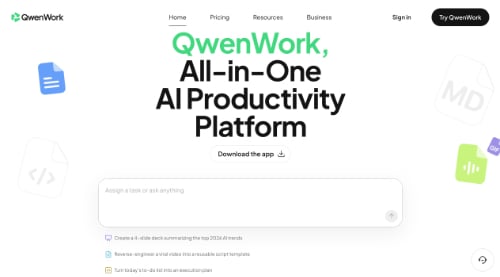
As platforms like Marklo and QwenWork gain traction, the "weekly report" will become obsolete. AI agents will monitor performance continuously, meaning that by the time a manager sits down to review their store’s health, the most pressing issues will have already been identified—and likely resolved—by the system.

2. Hyper-Personalized B2B
The Algolia-Shopify integration is a precursor to a wider trend. As B2B ecommerce adopts the "B2C experience" (fast search, personalized pricing, and intuitive checkouts), the barrier to entry for wholesale brands will drop, leading to a massive influx of B2B manufacturers selling directly to their retail partners online.
3. The Consolidation of the Tech Stack
We are approaching an "AI-first" consolidation phase. Currently, merchants use a disparate set of tools for accounting, tax, marketing, and returns. As platforms like Loops and Oracle NetSuite continue to expand, we expect to see a reduction in the number of "point solutions" in favor of comprehensive AI-operating systems that handle the end-to-end commerce lifecycle.
Conclusion
The era of manual, click-heavy ecommerce management is coming to a close. Whether it is through the intelligent automation of sales tax, the deployment of voice-activated kiosks, or the use of agentic marketing platforms, the message to merchants is clear: The competitive advantage in 2027 will not go to those who work the hardest, but to those who best leverage autonomous, agentic systems to scale their operations.
If you have an ecommerce product release you would like to have considered for future industry rundowns, please contact our editorial desk at [email protected].