Executive Overview
In the rapidly evolving landscape of mobile artificial intelligence, Google’s transition from the venerable Google Assistant to the generative AI-powered Gemini has been one of the most significant—and controversial—software shifts of the decade. Following the official deprecation of the classic Google Assistant on Android devices on September 4, 2026, many long-time users found themselves forced into a new ecosystem. However, a recent community-driven discovery has surfaced, offering a potential lifeline for those who prefer the functional simplicity of the original Assistant over the experimental nature of Gemini.
A workaround, initially documented by a user on Reddit and corroborated by tech enthusiasts, suggests that by rolling back updates to the core Google app, users can circumvent the mandatory Gemini integration. While this method restores the classic interface and functionality, it raises broader questions about user autonomy in the age of platform-driven AI integration. This article examines the technical feasibility of this workaround, the implications for the Android ecosystem, and whether the classic Assistant still has a place in a world increasingly dominated by Large Language Models (LLMs).
A Detailed Chronology of the Transition
To understand the significance of this workaround, one must look at the timeline of the "Gemini-fication" of the Android OS.
The Announcement
In early 2026, Google signaled its intent to pivot its mobile strategy entirely toward Gemini. The company argued that Gemini, with its deep integration of generative AI, would provide a more contextual, creative, and "proactive" experience compared to the command-driven nature of Google Assistant.
The September 4th Cut-off
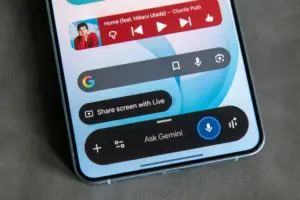
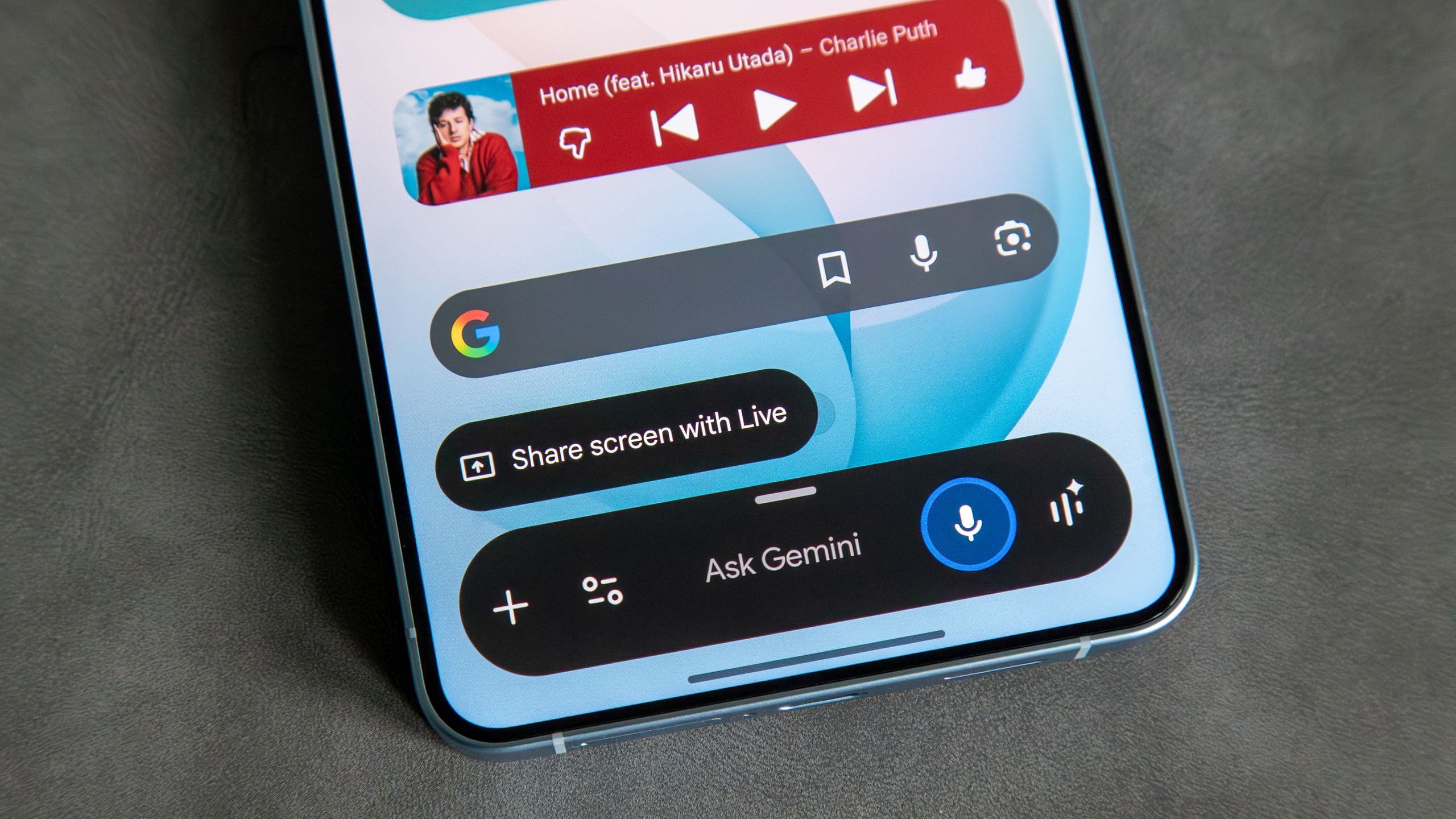
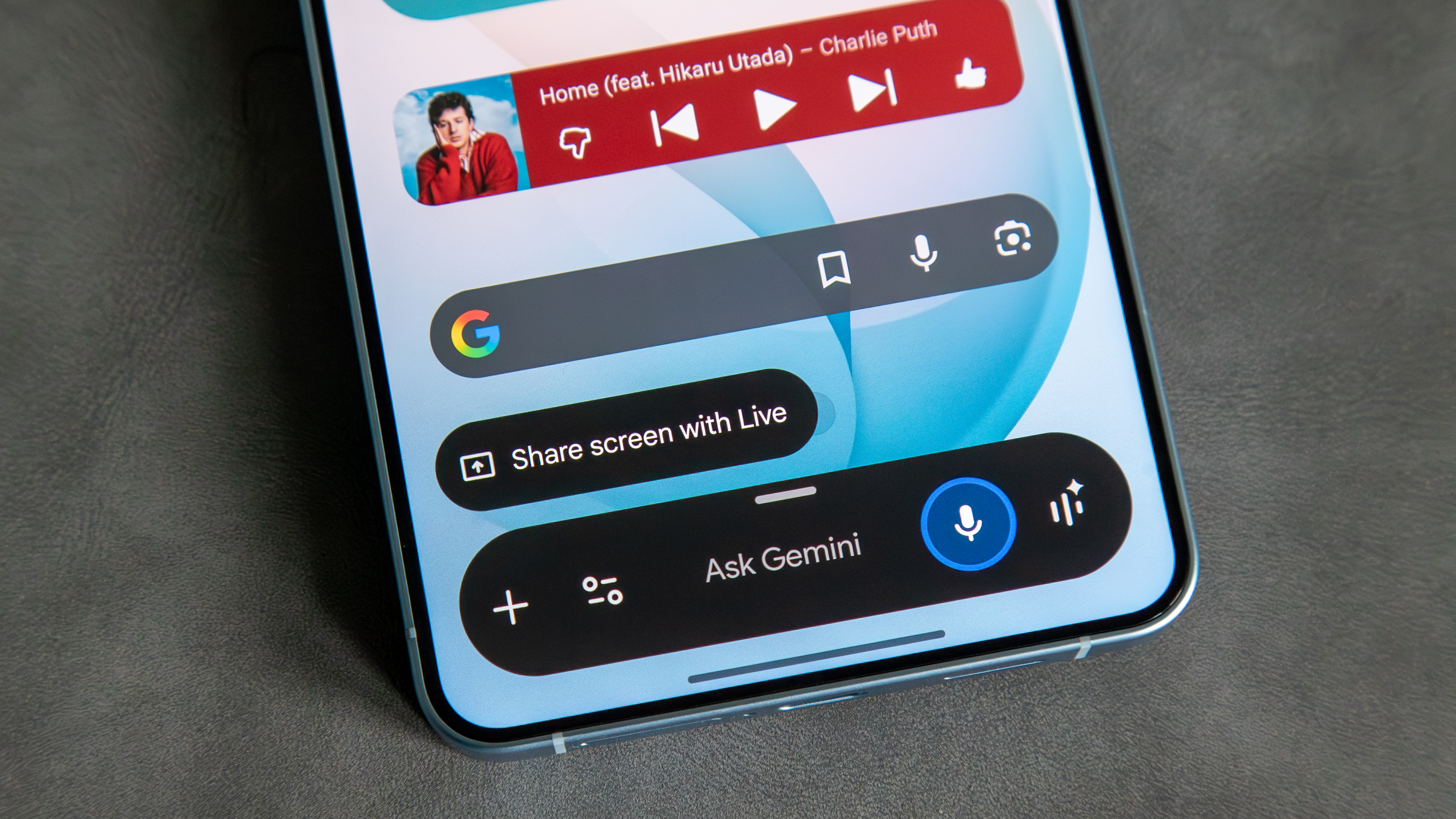
By the first week of September 2026, the transition moved from a voluntary opt-in to a mandatory system-wide default. For millions of Android users, the familiar "Hey Google" invocation no longer triggered the lightweight, high-speed Assistant overlay. Instead, users were greeted by the Gemini interface, which—while powerful—often felt slower and more resource-intensive for simple tasks like setting alarms, controlling smart home devices, or performing quick web lookups.
The "Redditor" Discovery
Shortly after the transition was enforced, a user on the r/GoogleAssistant subreddit reported a breakthrough. By navigating to the Google app’s settings, uninstalling all updates to revert to the factory-shipped version, and then re-accessing the Assistant configuration menus, the user was able to bypass the "Upgrade to Gemini" prompt. Crucially, the system offered a "decline" option that had been conspicuously missing from the updated version of the app, allowing users to restore the classic Google Assistant as their primary digital helper.
Supporting Context: Why Users Are Fighting Back
The pushback against Gemini is not necessarily a rejection of progress, but rather a preference for a different kind of utility.
Performance Metrics and Efficiency
Google Assistant was engineered over a decade to be a low-latency, "always-ready" service. It was designed to excel at intent-recognition for system-level commands. Gemini, as an LLM-based architecture, is fundamentally different. It processes queries by generating text, which can lead to higher latency when a user simply wants to turn on their bedroom lights. For users on older hardware or those with limited data plans, the performance overhead of Gemini is a tangible frustration.
The "Command vs. Conversation" Divide
The classic Google Assistant functioned as a command-line interface for the physical world. It understood schemas: "If [Time] then [Action]." Gemini is designed for synthesis: "If [Prompt] then [Construct Creative Response]." While the latter is a marvel of engineering, many users found that for basic utility, the conversational overhead of Gemini was, in fact, a regression in productivity.
Privacy and Data Processing
A significant segment of the user base has expressed concerns regarding the data footprint of Gemini. Because LLMs require massive amounts of contextual data to generate nuanced responses, users are often wary of the cloud-processing requirements compared to the more localized, streamlined nature of the classic Assistant’s intent-matching models.
Official Statements and Corporate Strategy
Google has maintained a stance of "unifying the experience." In various support threads and developer conferences, the company has emphasized that Gemini is not merely an app but a "new assistant paradigm."
While Google has not released a specific statement regarding the Reddit-discovered workaround, the company’s policy is clear: it intends to phase out legacy support entirely. The "deprecation" is not just a UI change; it is a fundamental shift in the backend API calls that power Android’s voice-trigger system.
Industry analysts suggest that Google’s commitment to Gemini is tied to its broader war for AI supremacy against OpenAI and Microsoft’s Copilot. By forcing the integration, Google is ensuring that its LLM is trained on the broadest possible dataset of user interactions, effectively turning every Android phone into an active training node for the Gemini model.
Technical Implications: The "Version-Lock" Strategy
For those interested in testing the workaround, the process requires more than just a simple uninstallation. It requires "version-locking" the Google app.
- Rollback: Users must navigate to
Settings > Apps > Google > App Detailsand selectUninstall Updates. - Configuration: Upon reopening the app, the system reverts to an older state. When prompted to "Upgrade to Gemini," users must select the option to decline or "Stay with Google Assistant."
- The "Play Store" Gatekeeper: This is the most critical step. Users must go to the Play Store, locate the Google app, and disable "Auto-update."
The Risks
This method is effectively a "soft-jailbreak." By preventing updates, users are technically running a version of the Google app that lacks the latest security patches and feature updates. Furthermore, this is a fragile solution. Google frequently makes server-side changes; it is highly probable that in the near future, the server will simply stop responding to legacy requests from older versions of the app, rendering the classic Assistant a "zombie" service that fails to execute commands.
Future Outlook: The End of the Legacy Era
The story of the classic Google Assistant is emblematic of the current tech cycle: companies are rapidly pivoting to generative AI, often leaving behind a loyal user base that valued the previous generation of software for its speed and stability.
The Inevitability of the Shift
The reality is that this workaround is a temporary stay of execution. As Google migrates its infrastructure entirely to Gemini-based models, the legacy APIs supporting the original Assistant will inevitably be decommissioned. Eventually, even with updates disabled, the classic Assistant will stop connecting to the cloud, making it a local-only shell.
A Lesson for Future Development
This situation provides a vital lesson for software developers. When introducing disruptive new technologies, forcing a transition can lead to a significant "brand tax." Had Google provided a seamless toggle between "Classic Mode" and "Gemini Mode" from the start, the current backlash—and the community-led attempts to "hack" the system—would likely have been avoided.
What Comes Next?
For now, users who choose to revert to the classic Assistant can enjoy a more familiar, command-based experience. However, they should be prepared for a future where their favorite features slowly cease to function as the server-side environment evolves.
The struggle for the "soul" of the digital assistant is far from over. As AI continues to permeate every facet of our digital lives, the tension between the "fast and functional" and the "smart and conversational" will continue to define the user experience. Whether Google eventually bows to user demand and introduces a "Classic Mode" in a future build remains to be seen, but for the moment, the community’s ingenuity serves as a testament to the fact that for many, sometimes the best technology is simply the one that works exactly the way they want it to.