Executive Overview
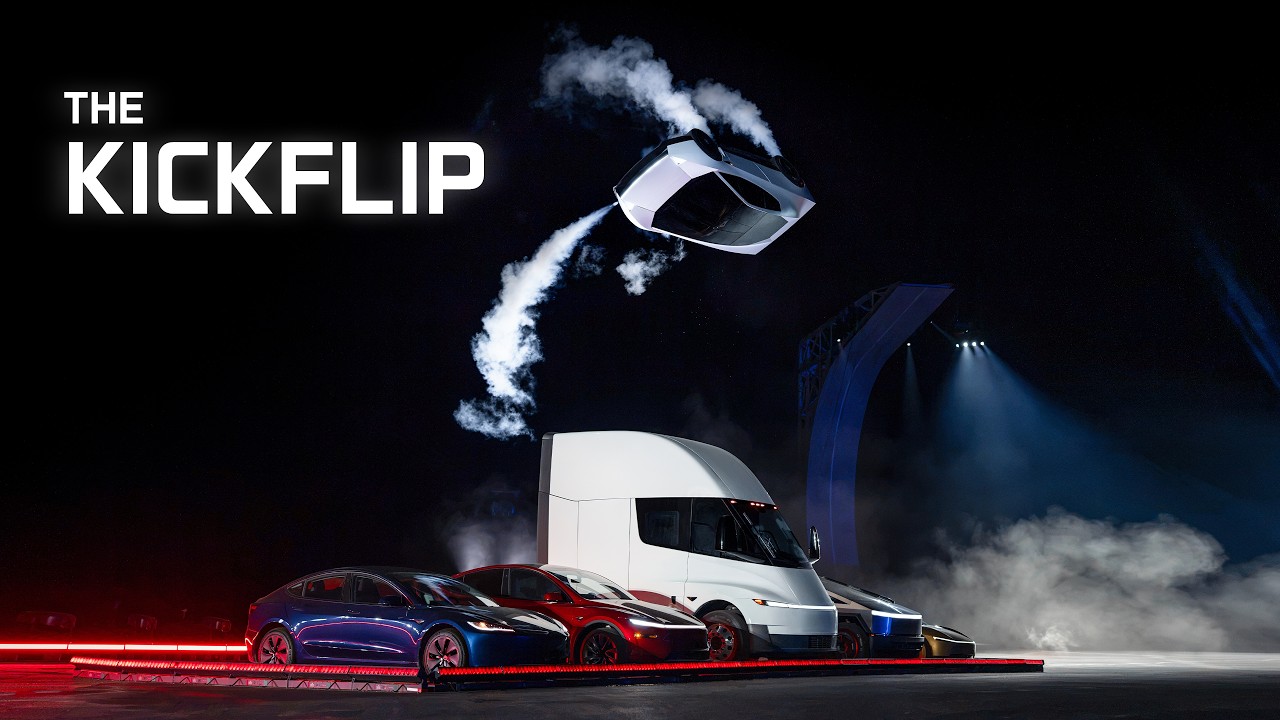
The long-awaited, highly scrutinized second-generation Tesla Roadster has made another theatrical leap into the public consciousness—literally. During a live-streamed presentation at SpaceX’s state-of-the-art testing facility in Texas, Elon Musk’s automotive and aerospace juggernaut rolled out a concept model of the rocket-boosted EV that defied traditional automotive physics. On a stage reminiscent of a grand Las Vegas illusionist show, the driverless, two-seater concept climbed a steel ramp, executed a programmed kickflip off a half-pipe, and glided gracefully back down to the ground. In a subsequent demonstration, the stationary vehicle lifted off the tarmac to "hop" cleanly over a row of parked cars.
"Flying cars are real," Musk declared during the event—a proclamation widely interpreted as both a victory lap for his engineering teams and a direct nod to emerging market competitors like Alef Aeronautics.
Yet, beneath the spectacle of compressed-air thrusters, half-pipe acrobatics, and sci-fi aesthetics lies a persistent pattern of delayed timelines. Originally announced in 2017 with an initial delivery target of 2020, the futuristic sports car has seen its launch window pushed back repeatedly. Tesla now projects a 2028 release date for the production vehicle.
While the demonstration showcased the unprecedented cross-pollination of automotive engineering and aerospace propulsion, it has also reignited intense debate across the industry. Skeptics question whether the heavy, high-pressure air tanks and ephemeral "flight" capabilities represent a functional engineering breakthrough or merely an elaborate, highly expensive marketing gimmick. Against the backdrop of surging high-performance EV competitors from Europe and Asia—such as Rimac, Porsche, Xiaomi, and BYD—the Roadster’s grand unveiling arrives at a critical juncture for a brand navigating shifting consumer confidence and mounting market pressures.
Detailed Chronology: A Decade-Long Journey to the Launchpad
The saga of the next-generation Tesla Roadster is a masterclass in protracted product development, shifting design philosophies, and ambitious, often staggering promises.
The 2017 Genesis
When Tesla first unveiled the Roadster concept in November 2017 alongside the surprise debut of the Semi, it was billed as an unequivocal halo car meant to "smack down the gasoline car." Musk promised staggering performance metrics: 0 to 60 mph in a blistering 1.9 seconds, a top speed exceeding 250 mph, and a 620-mile range from a massive 200 kWh battery pack. At the time, reservations required a $50,000 deposit, with the base model priced at $200,000 and a limited "Founders Series" demanding the full $250,000 upfront.
The 2018 "SpaceX Package" Pivot
The narrative shifted dramatically in June 2018 when Musk took to Twitter (now X) to tease an optional upgrade package developed in collaboration with aerospace firm SpaceX. Musk claimed the package would feature roughly 10 small cold-gas rocket thrusters seamlessly integrated around the car. According to the CEO, these thrusters would radically enhance acceleration, top speed, braking performance, and lateral cornering grip. In a hallmark moment of hyperbole, Musk tweeted: "Maybe they will even allow a Tesla to fly."
Delays and Shifting Goalposts
As the years pressed on, the promised 2020 delivery date quietly evaporated. Global supply chain disruptions, the pandemic, and the prioritization of high-volume vehicles like the Model Y and the polarizing Cybertruck forced the Roadster to the back burner. Throughout 2021 and 2022, Musk periodically updated followers, citing ongoing engineering challenges related to integrating rocket science into a street-legal consumer platform.
The 2026 Texas Demonstration
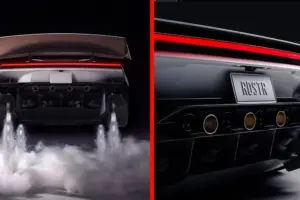
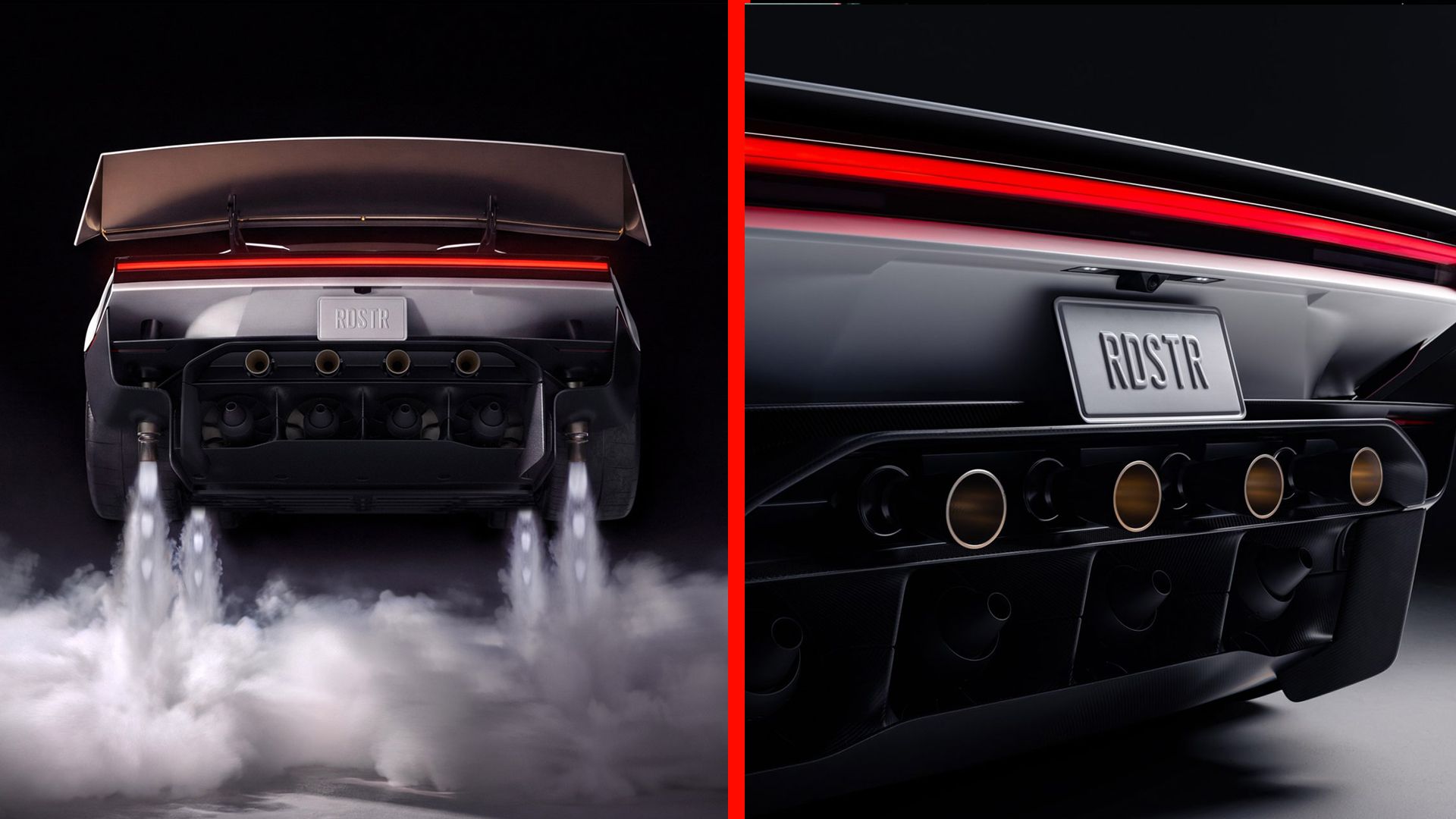
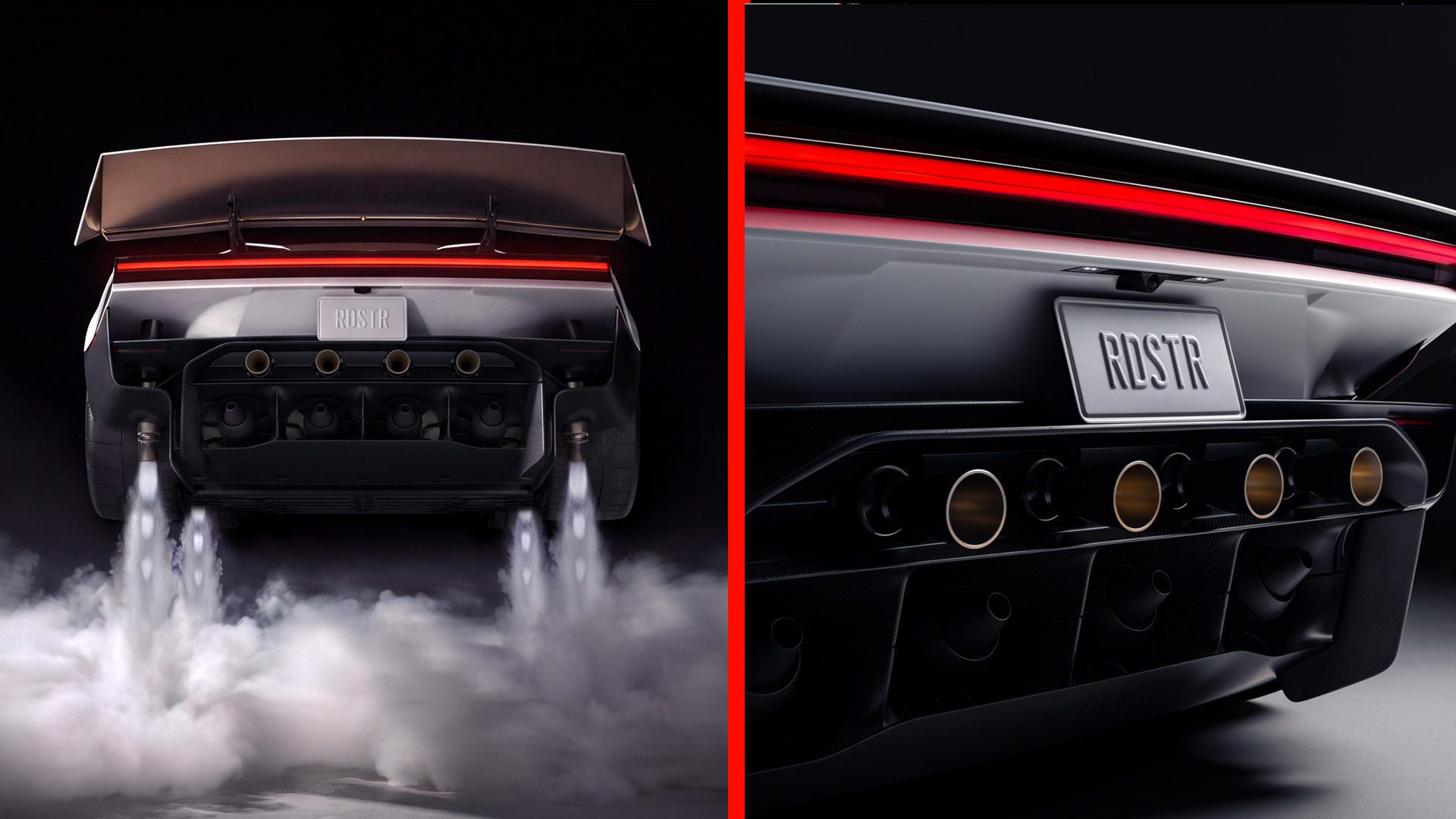
The recent livestreamed event at the SpaceX Texas testing facility marked the first substantive public viewing of the vehicle’s dynamic capabilities in years. Featuring rechargeable ultra-high-pressure air tanks, a fan suction system designed to adhere the vehicle to steel ramps, and cold-gas thrusters capable of rearward firing, the event demonstrated a vehicle engineered for vertical propulsion and theatrical stunts. Despite these milestones, the delivery timeline was officially pushed to 2028—a full decade after initial reservations opened.
Supporting Context & Metrics: Engineering the Impossible
To understand the engineering hurdles behind the Tesla Roadster’s "SpaceX package," one must examine the fundamental differences between terrestrial automotive design and aerospace propulsion.
Propulsion Mechanics and Thermal Dynamics
The concept vehicle relies on a dual-system approach to achieve its airborne maneuvers and record-shattering acceleration:
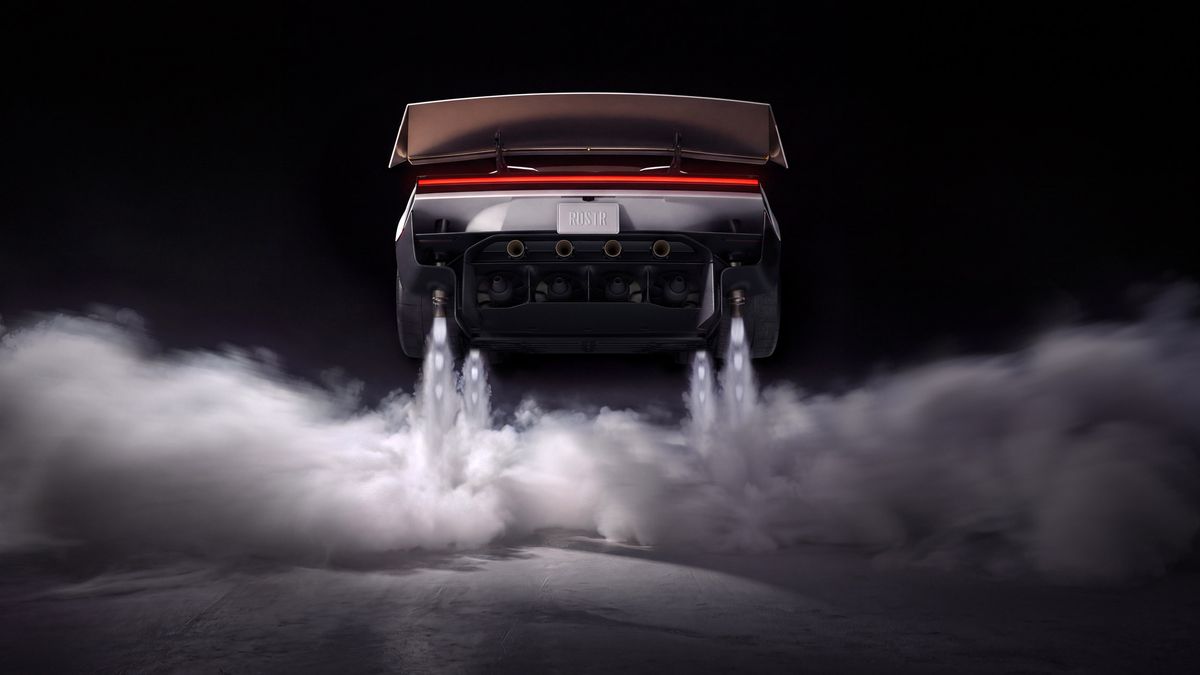
- Cold-Gas Thrusters: Unlike chemical combustion rocket engines, which generate extreme heat and thrust via fuel combustion, cold-gas systems store inert gases (such as compressed air or nitrogen) under extreme pressure. When released through precision nozzles, they provide instantaneous thrust.
- Fan Suction System: Borrowed in concept from ground-effect racing and experimental aviation, the undercarriage fan system evacuates air beneath the chassis, creating a low-pressure zone that sucks the car down onto surfaces, enabling it to cling to vertical or inclined steel ramps during demonstrations.
- Acceleration Metrics: Tesla claims that rearward-firing thrusters assist the electric powertrain to launch the vehicle from 0 to 60 mph in a mind-boggling 0.81 seconds—a figure that pushes the limits of human physiological G-force tolerance.
Financial Tiers and Reservation Structure
Tesla’s updated reservation and pricing framework reflects the extreme engineering complexity of the vehicle:
- Base Roadster: Requires a standard £50,000 / $50,000 deposit for the foundational high-performance electric sports car without booster systems.
- "Thrust" Version: Equipped with rearward-facing boosters for enhanced acceleration, demanding a $250,000 deposit.
- "Rocket" Variant: A single-seater configuration boasting a "full flight system," available strictly by invitation. Regulatory compliance for this variant remains entirely unaddressed, casting doubt on whether it will ever see public roadways.
The Competitive Landscape
While Tesla spent the better part of a decade refining its rocket-boosted halo car, the ultra-luxury and high-performance EV market has matured rapidly. Competitors have flooded the vacuum left by the delayed Roadster:
- Rimac Nevera: Setting hypercar benchmarks with its quad-motor setup and hyper-precise torque vectoring.
- Porsche Taycan & Next-Gen EV Platforms: Establishing dominant track credentials and everyday usability.
- Xiaomi & BYD: Redefining manufacturing velocity and software integration in the Asian EV market.
- Luxury Legacy Brands: Recent high-end concept and production announcements—including the Jaguar Type-01, Bentley Torcal, and Ferrari Luce—have crowded the high-end design space, challenging Tesla’s historical monopoly on cutting-edge EV cultural relevance.
Official Statements and Industry Perspectives
The unveiling has triggered a polarized wave of commentary from automotive executives, aerospace engineers, and rival startup leaders.
Tesla Leadership Insights
Chief Designer Franz von Holzhausen emphasized that the Roadster’s striking, angular silhouette and dramatic scissor doors were directly inspired by an "aerospace aesthetic." Echoing this sentiment, Elon Musk framed the vehicle as the ultimate synthesis of automotive and aerospace engineering: "This is what happens when you have a collaboration with the world’s best car company and the world’s best rocket company."
Addressing the immense technical risks, Musk adopted a pragmatic tone, noting that while "success is not guaranteed," the underlying physics mean "it will probably work." This echoed his infamous 2022 claim regarding the Cybertruck—that it would be "waterproof enough to serve briefly as a boat… so it can cross rivers, lakes & even seas that aren’t too choppy."
The Challenger Response: Alef Aeronautics
Tesla is not alone in chasing vertical mobility. Alef Aeronautics, a California-based startup developing the dual-mode street-legal/flying Model A, recently began limited hand-built production for controlled testing. Following Tesla’s showcase, Alef CEO Jim Dukhovny offered a pointed welcome:
"Welcome, Tesla, to the flying car race; we’ve been here alone for eleven years."
Alef subsequently published footage on YouTube showcasing its Model A flying directly over a Tesla Roadster and Cybertruck, noting that the demonstration marked the 1,000th recorded flight for their vehicle. Industry analysts quickly pointed out the fundamental philosophical divide between the two approaches: while Tesla relies on volatile, high-pressure compressed air thrusters for short, theatrical hops, Alef utilizes distributed electric propulsion powered by eight internal, enclosed propellers integrated within a porous, mesh-like body shell designed for genuine aerial transit.
Future Outlook: Gimmick or Groundbreaking Milestone?
As the dust settles on the SpaceX testing facility stage, industry watchers are left weighing the brilliant engineering theatrics against practical market realities.
From a utilitarian standpoint, the rocket-boosted Roadster presents significant design compromises. The inclusion of heavy high-pressure air tanks, complex valving networks, and dedicated thrusters consumes precious cargo and cabin space while adding substantial dead weight once the compressed air is depleted. Because the "flight" capability lasts only a matter of seconds before requiring high-pressure refilling infrastructure, urban utility is effectively zero. Consumers will not be leaping over traffic jams or scaling vertical buildings on public highways—not least because aviation authorities and municipal regulators would immediately prohibit such maneuvers on safety grounds.
Instead, the vehicle functions primarily as a psychological and cultural reset for a brand facing financial and reputational headwinds. With Tesla shares trading down roughly 4.5% week-over-week and over 16% for the year-to-date, the company faces mounting skepticism from institutional investors who have grown weary of delayed product cycles and over-promised timelines—a phenomenon markets have dubbed the "CEO who cried wolf" effect.
Whether the 2028 production reality can match the breathless hype of the Texas demonstration remains to be seen. What is certain, however, is that Tesla has successfully forced the conversation about the intersection of automotive design and aerospace engineering back to the forefront. Even if the flying Roadster ultimately proves to be the ultimate high-tech gimmick, it has undeniably reminded the world that when it comes to spectacle, nobody captures the public imagination quite like Elon Musk.