Executive Overview
For over a decade, the smartphone industry has found itself trapped in an evolutionary holding pattern. Consumers have grown accustomed to iterative updates—modestly faster processors, imperceptibly brighter displays, and camera arrays that add microscopic improvements to
low-light photography. Apple, the titan of Cupertino that once redefined modern living with the introduction of the iPhone and the iPod, became a victim of its own success, favoring predictable, risk-averse engineering over radical design disruption.
That narrative changed with the arrival of the iPhone Duo.
Spending a week with Apple’s long-awaited folding device evokes a sensation long absent from the technology sector: genuine awe. Reminiscent of unboxing a piece of sci-fi hardware or holding a classic, monochrome-screen fourth-generation iPod for the first time, the iPhone Duo does not feel like a mere telephone. It feels like an artifact from the future that has somehow materialized in the present.
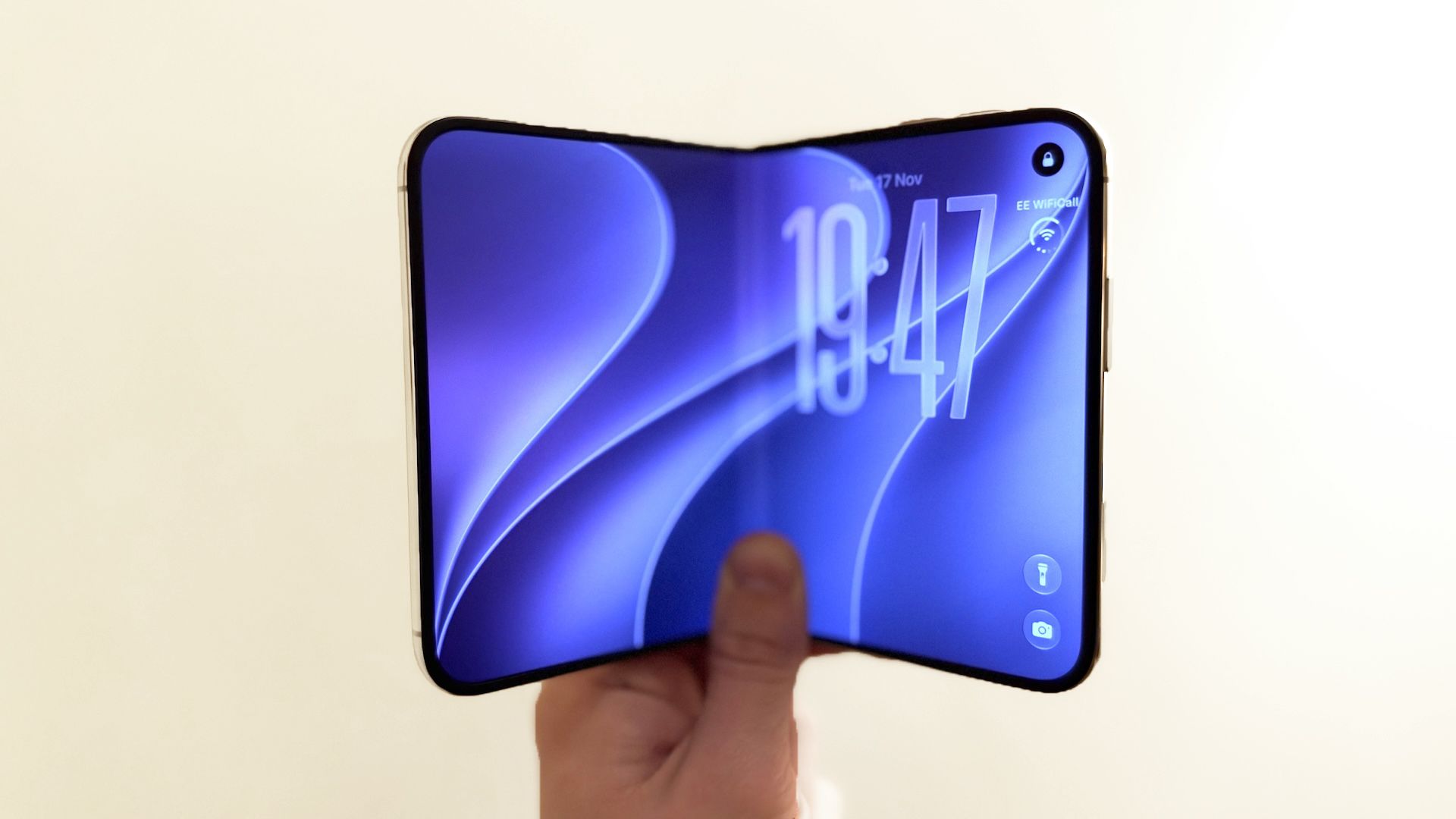
While critics have been quick to point out its staggering price tag and compact dimensions, the device represents a masterclass in industrial design. By marrying Art Deco elegance with cutting-edge foldable engineering, Apple has bypassed the clumsy growing pains that plagued early-generation foldables from competitors. For digital creators, designers, and mobile power users, the iPhone Duo is not just another luxury gadget; it is a foundational shift in how we interact with portable technology.
Detailed Chronology: From the Monochrome iPod to the Foldable Frontier
To understand the magnitude of the iPhone Duo, one must trace the arc of Apple’s design philosophy over the past twenty years.
The Era of Emotional Hardware
In the mid-2000s, portable media consumption was revolutionized by the iPod. For many early adopters, the breakthrough device was the fourth-generation iPod—the final iteration to feature the iconic monochrome screen. Backed by competing technologies like Sony’s Minidisk players, consumers learned a quick lesson in market longevity: Apple’s hardware did not just function; it compelled you to look at it, hold it, and admire its craftsmanship. It was designed with a sculptural purity.
The Stagnation of the Slab
When the original iPhone debuted in 2007, it established the monolithic glass slab as the undisputed gold standard for mobile computing. Over the next fifteen years, this form factor was perfected, but it eventually plateaued. Screens grew larger, bezels vanished, and materials shifted from aluminum and plastic to surgical-grade steel and titanium. Yet, the core experience remained fundamentally static. Phones became bigger, heavier, and increasingly cumbersome to handle with a single hand, forcing users into a relentless cycle of incremental upgrades.
The Genesis of the Foldable Gamble
While brands like Samsung, Motorola, and Google experimented with foldable displays over the last half-decade, the market remained divided. Early foldables were often plagued by bulky hinges, fragile internal screens, glaring creases, and a general lack of refinement. They were perceived as tech-enthusiast prototypes rather than mainstream consumer essentials.
Apple, true to form, watched from the sidelines, biding its time until the material science and software ecosystems matured. The quiet development of the iPhone Duo culminated in a device that addresses the core ergonomic and visual complaints of its predecessors. By introducing a compact clamshell design coupled with a matte nano-texture internal display, Apple has finally cracked the foldable code, bridging the gap between nostalgic pocket-sized portability and expansive tablet-grade productivity.
Supporting Context & Metrics: Design, Ergonomics, and Display Physics
Analyzing the iPhone Duo requires looking beyond the marketing hyperbole and examining the physical and technical choices that define the hardware.
The Art Deco Aesthetic and Pocket-Sized Ergonomics
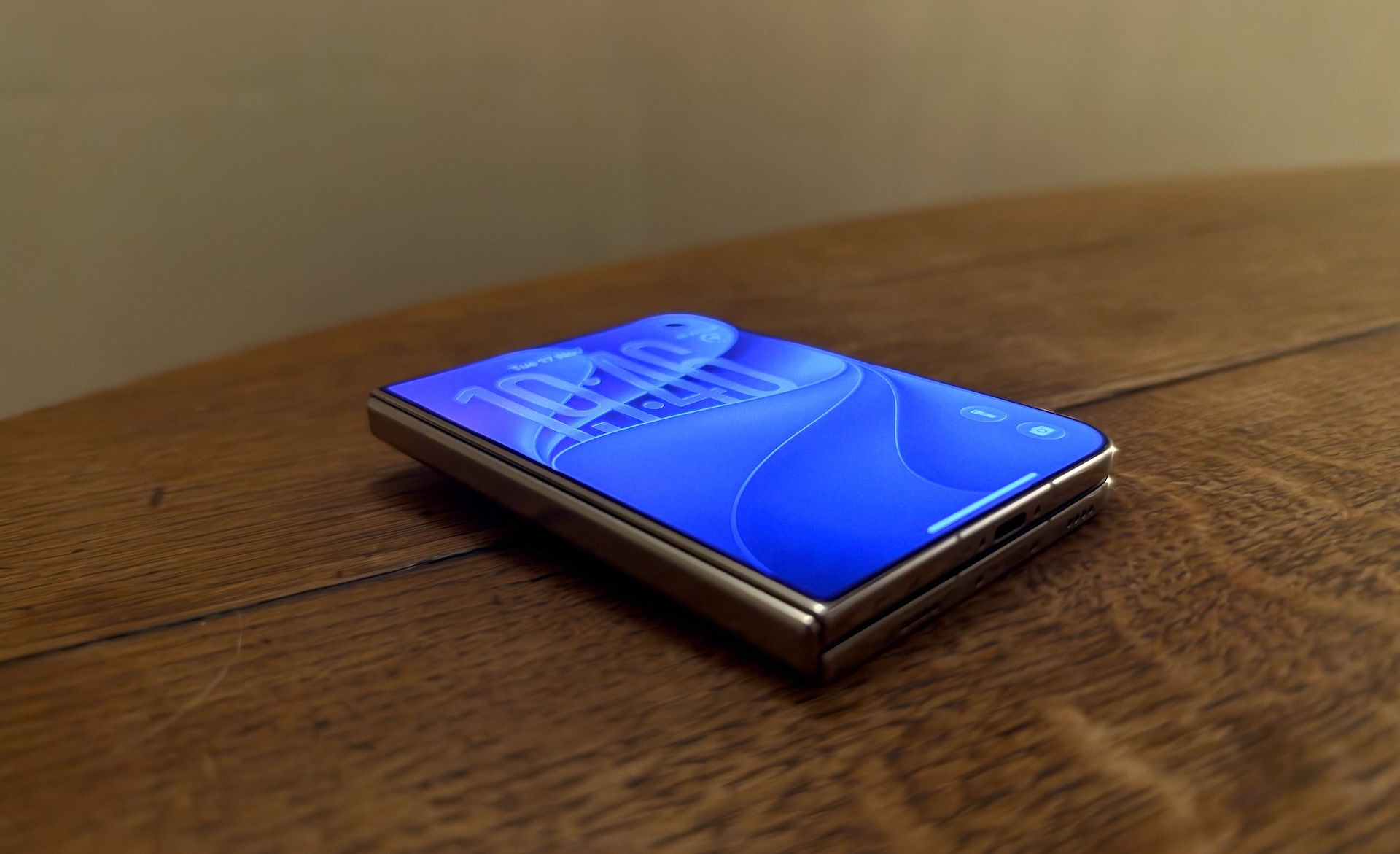
One of the most polarizing aspects of the iPhone Duo is its physical footprint. In an era where competing flagship phones routinely push past 6.8 inches and require two-handed operation, the Duo proudly champions a more intimate scale. When closed, its gleaming metallic finish and compact proportions evoke comparisons to a vintage cigarette holder or a bespoke luxury accessory.
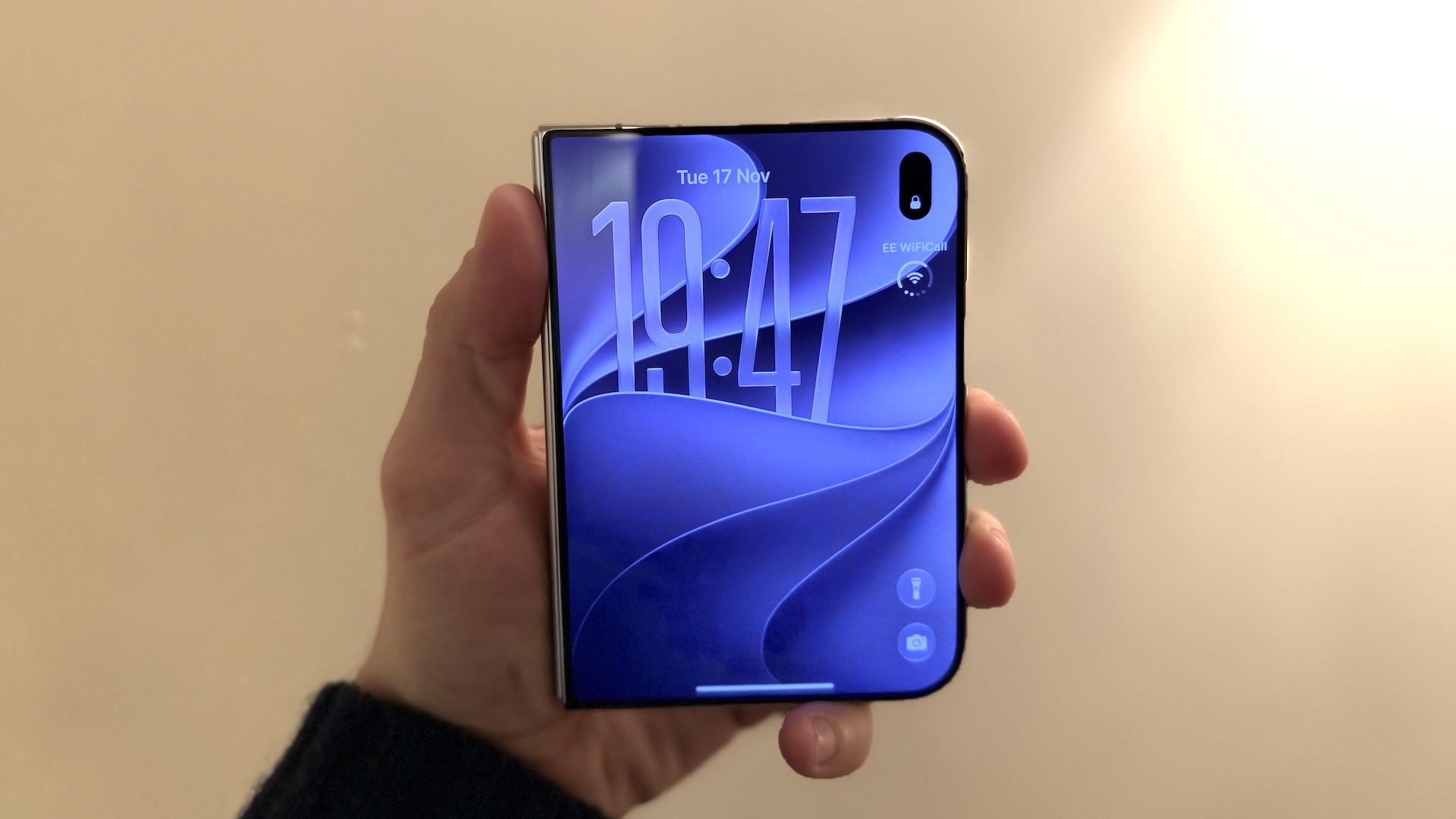
Online commentators have criticized the device for being "too small," with rumors already swirling that Apple is engineering a larger variant. However, this misses the entire point of the device’s philosophy. For defenders of the discontinued "iPhone mini" lineage, the Duo’s diminutive closed dimensions are its crowning achievement. It slips effortlessly into tight pockets, sits comfortably in the palm, and breaks the exhausting trend toward unwieldy, brick-like mobile devices.
The Internal Display: Solving the Crease and Glare Dilemma
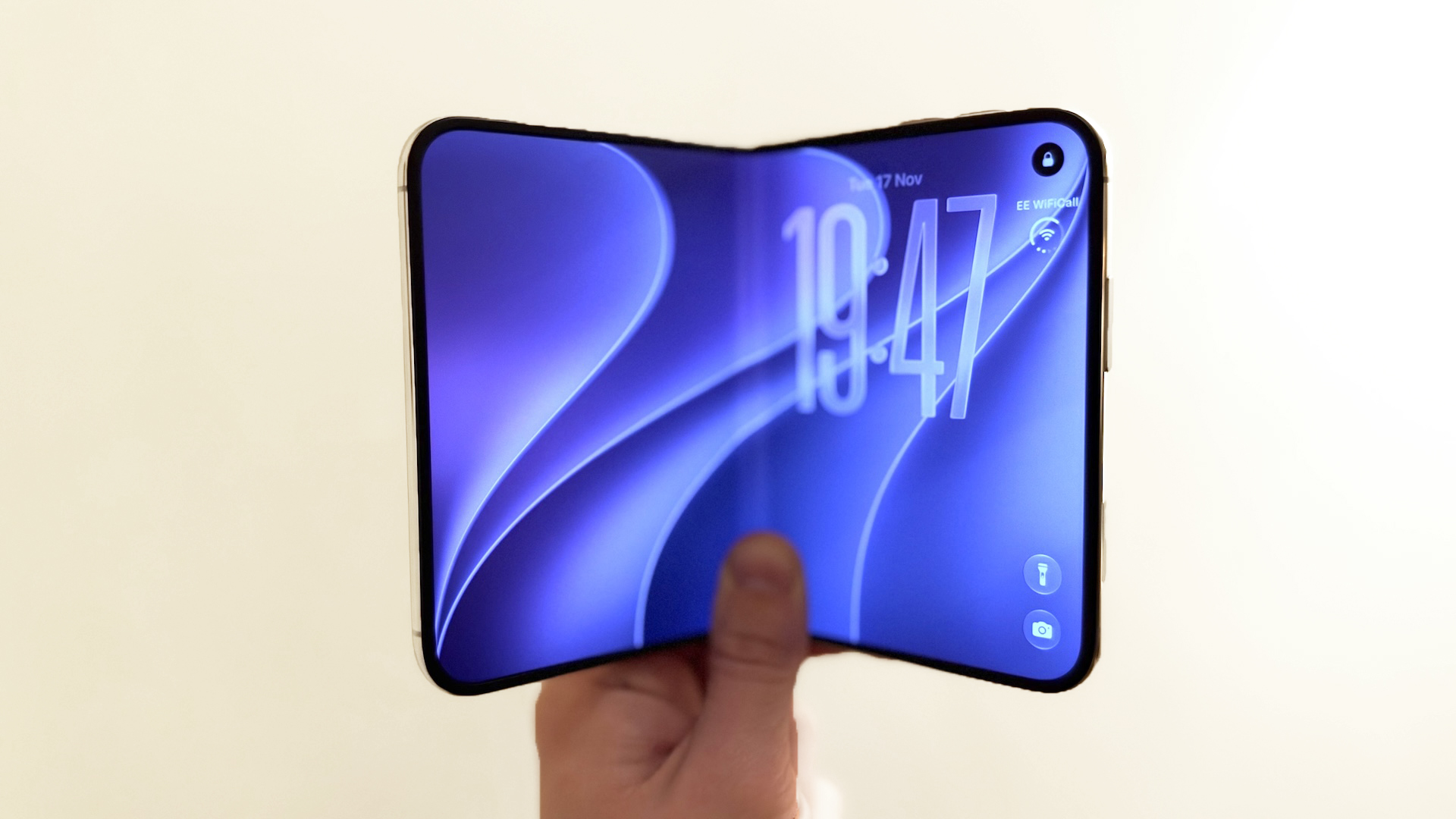
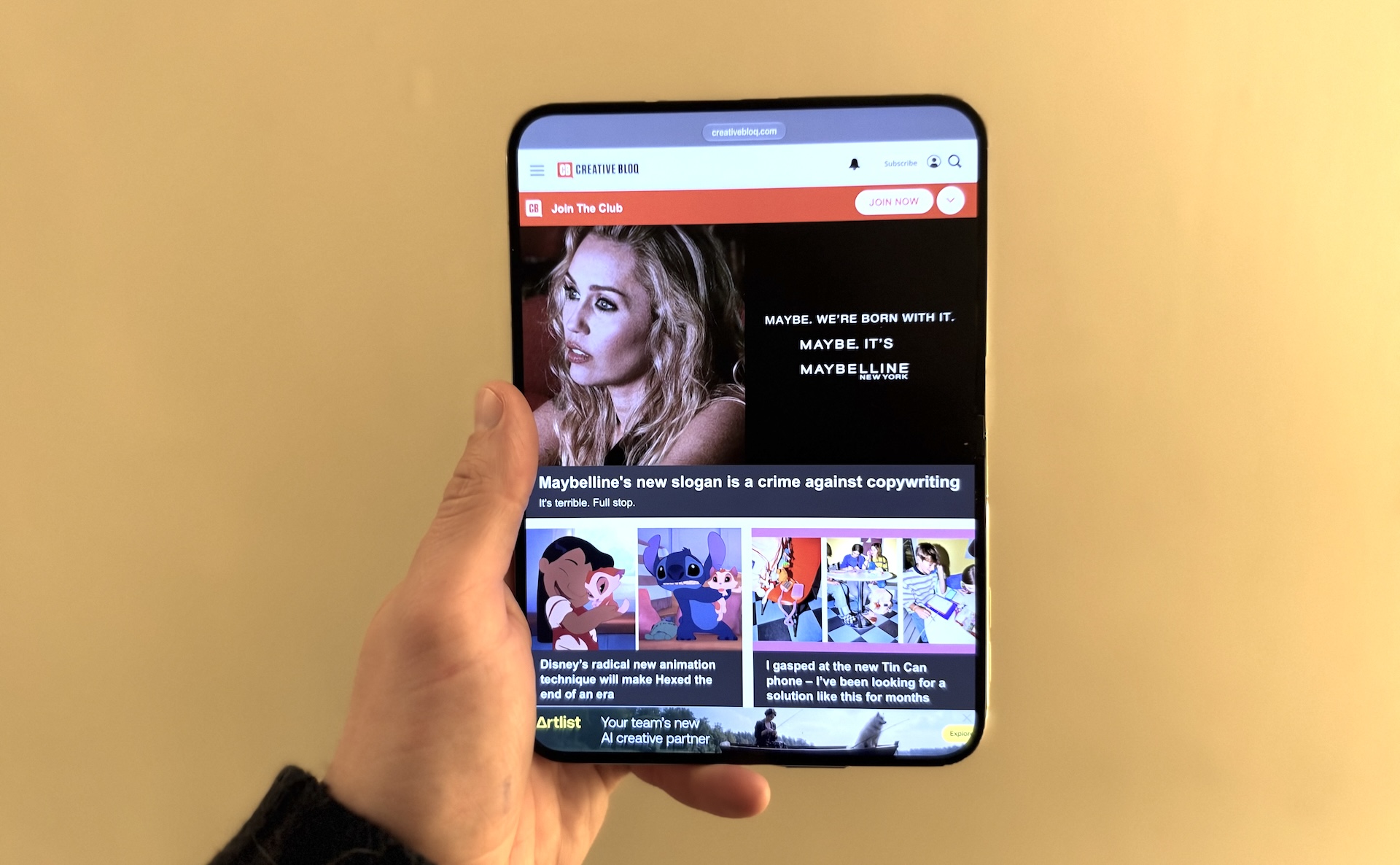
Unfolding the device reveals its true centerpiece: a larger internal display that has already sparked fierce debate within tech communities. The inclusion of a matte nano-texture layer on a foldable screen is a bold engineering stroke.
While nano-texture glass—previously seen on high-end displays like Apple’s Pro Display XDR—takes time to get used to and requires more diligent cleaning, its advantages are monumental:
- Radical Glare Reduction: Ambient reflections are diffused effectively, making outdoor visibility significantly better than traditional glossy foldable screens.
- Concealing the Crease: The optical properties of the nano-texture surface successfully disguise the dreaded central crease, rendering it far less visible to both the eye and the touch.
Software Integration and Fluid Animations
Hardware alone does not make an Apple product; the software ecosystem breathes life into the metal and glass. The iPhone Duo introduces delightful software touches that elevate the user experience:
- Spatial Transition Animations: Opening and closing the device triggers a subtle blur animation, visually explaining how content is migrating seamlessly from the outer cover screen to the expansive internal canvas.
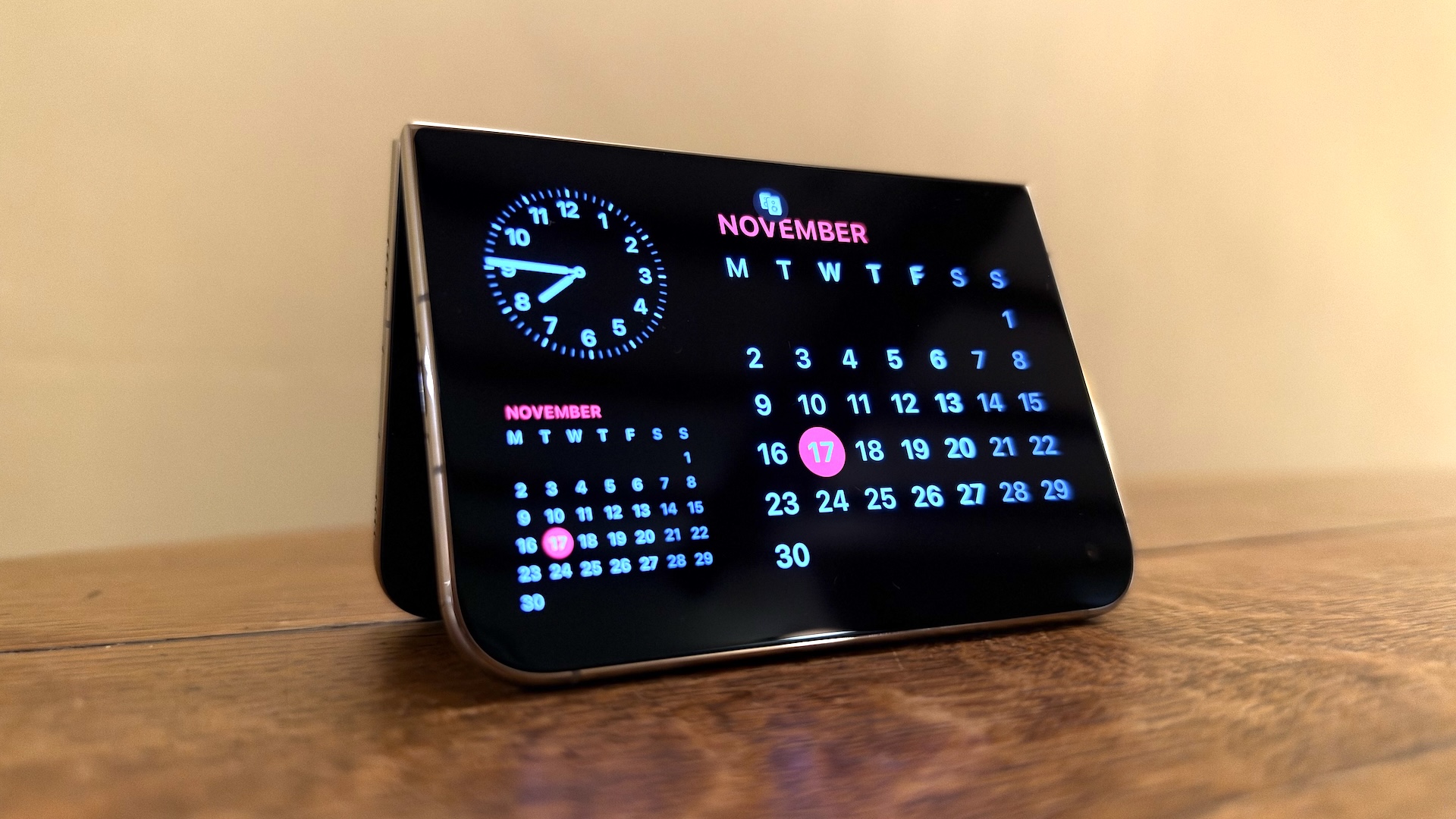
- Tent Mode and StandBy: When propped open in a triangular "tent" configuration, the device automatically triggers an enhanced StandBy mode, transforming the portable computer into a sophisticated bedside clock, calendar, or ambient photo frame.
Official Statements and Industry Reception
While Apple has maintained its traditional aura of selective communication regarding future roadmap leaks, industry analysts and early reviewers have offered a comprehensive portrait of the device’s reception.
Design critics have lauded the Cupertino firm for its refusal to rush into the foldable market prematurely. In early hands-on assessments from design publications like Creative Bloq, experts have emphasized that the iPhone Duo is the first folding phone that feels entirely intentional rather than reactionary.
"After years of incremental upgrades, we finally have something that feels genuinely new and exciting. Foldables have always felt awkward, but Apple has somehow made it elegant." — Industry Design Reviewer
Market analysts note that while the stratospheric price tag will initially restrict the Duo to early adopters, enterprise users, and affluent creative professionals, it establishes a high watermark that competing manufacturers will be forced to chase. Rather than competing on raw specifications alone, Apple has successfully repositioned the smartphone as a luxury lifestyle and creative instrument.
Future Outlook: The Ultimate Smartphone for Creatives?
As the initial novelty of the hardware gives way to rigorous daily testing, the true test of the iPhone Duo lies in its long-term utility, particularly for creative professionals.
Expanding the Creative Workflow
For photographers, illustrators, graphic designers, and content creators, the implications of the Duo are profound. Having immediate access to a larger internal canvas means reviewing high-resolution imagery, managing color-grading pipelines, or browsing mood boards and design inspiration can be done natively on a device that fits in a jacket pocket. It eliminates the friction of needing to haul out an iPad or a laptop for minor editorial tasks, representing a genuine leap forward in mobile productivity.
What Lies Ahead?
The launch of the iPhone Duo marks a psychological turning point for Apple. It signals that the company’s legendary sense of playfulness and risk-taking is fully revitalized.
Looking forward, the success of the Duo will likely dictate the next decade of mobile architecture. If Apple can successfully scale manufacturing, optimize nano-texture durability, and potentially introduce varying form factors in subsequent generations, the standard glass slab phone may finally be nearing its twilight.
For now, the iPhone Duo stands alone at the apex of mobile design—a luxurious, bold, and unapologetically futuristic machine that proves the best days of mobile innovation may still be ahead of us.