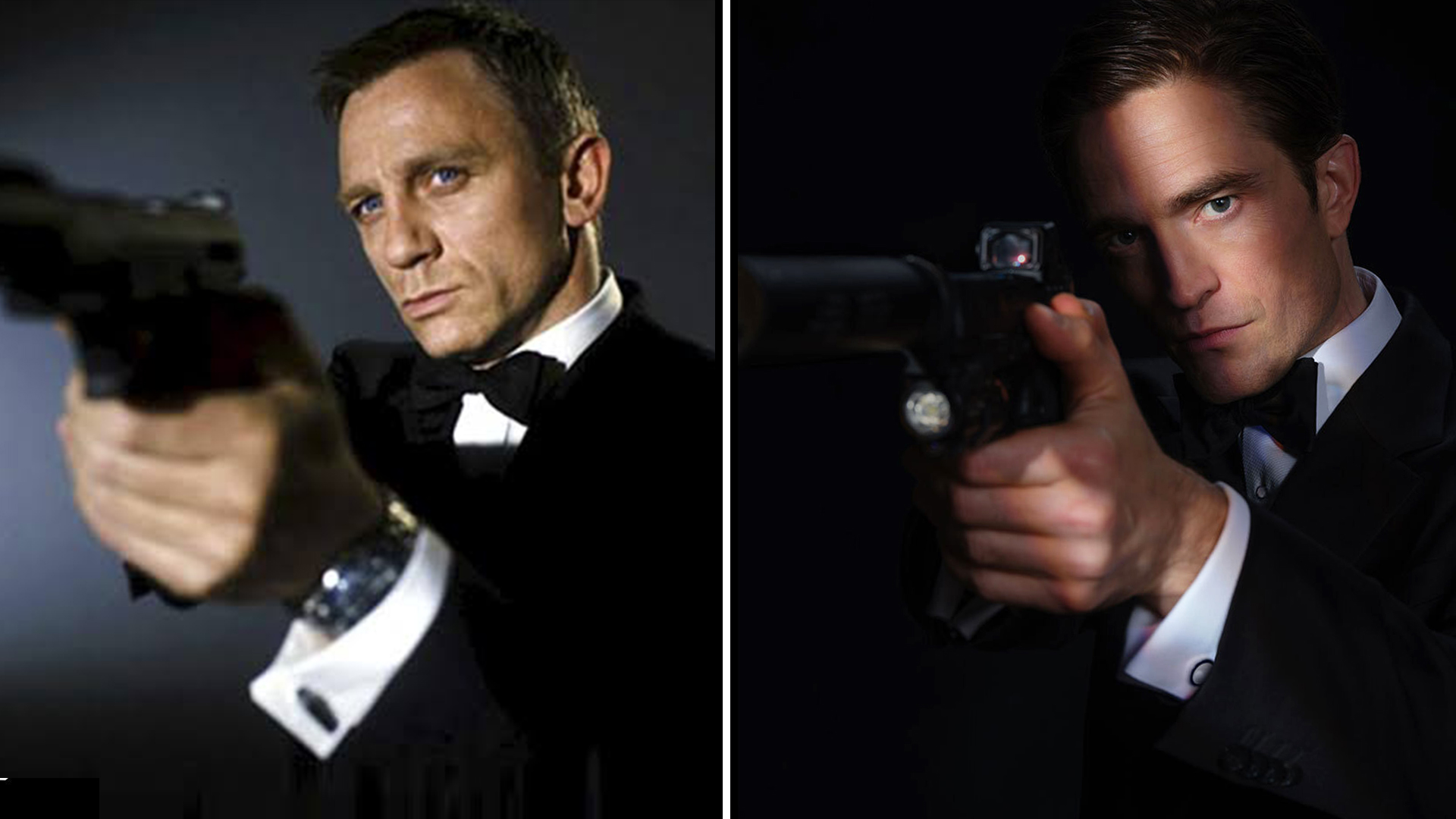
The cinematic landscape shifted seismically with the announcement that Robert Pattinson has secured the most coveted role in modern cinema: James Bond. Stepping into the impeccably tailored shoes previously filled by Daniel Craig, Pierce Brosnan, and Sean Connery, Pattinson does not merely inherit a legendary tuxedo; he assumes command of a multi-billion-dollar global ecosystem of luxury brand partnerships, promotional integrations, and monocultural event filmmaking.
For decades, the James Bond franchise has served as the gold standard for product placement, defining a specific, unyielding archetype of British masculinity through meticulously curated items—from Aston Martin sports cars and Omega timepieces to Tom Ford suiting and Bollinger champagne. However, Pattinson’s casting introduces a vastly different energy to MI6’s top operative. Known for his eclectic filmography, cerebral cool, and a distinct undercurrent of unpredictable danger, Pattinson represents a modern departure from traditional action-hero tropes.
According to Matt Kerr, Global Executive Creative Director at brand design agency Marks, this transition requires a radical evolution in how major luxury brands approach the 007 franchise. Brands can no longer rely on formulaic placements or generic definitions of high-end aspiration. Instead, as the franchise transitions into an era directed by a new creative vision and spearheaded by Amazon, the marketing apparatus surrounding Bond must adapt to a changing demographic, a sophisticated female-led consumer market, and an actor whose unique cultural footprint commands a thoroughly reimagined approach to product storytelling.
Detailed Chronology: From Indie Darling to MI6 Operative
The journey toward Robert Pattinson stepping into the iconic role of James Bond is the culmination of a deliberate, decade-long reinvention of a major cinematic career.
The Early Blueprint (2008–2012): Pattinson first exploded onto the global consciousness as Edward Cullen in the Twilight franchise, capturing the imaginations of a generation of teenagers. While this role cemented his status as a global phenomenon, it also typecast him in the eyes of mainstream Hollywood—a label he systematically dismantled over the subsequent decade.
The Auteur Rebirth (2014–2019): Eschewing traditional blockbusters, Pattinson deliberately pivoted toward challenging, independent art-house cinema. Collaborating with visionary auteurs, he delivered critically acclaimed performances in David Cronenberg’s Cosmopolis and Maps to the Stars, the Safdie brothers’ frantic Good Time, Robert Eggers’ psychological horror The Lighthouse, and James Gray’s The Lost City of Z. These roles proved his range, transforming him into a daring, unpredictable performer with a distinct edge.
Return to the Blockbuster (2020–2022): Having proven his artistic pedigree, Pattinson returned to studio filmmaking on his own terms. He starred in Christopher Nolan’s mind-bending sci-fi epic Tenet (2020) and took on the mantle of the Dark Knight in Matt Reeves’ gritty, neo-noir detective thriller The Batman (2022). These roles demonstrated his bankability in high-stakes action environments, quietly auditioning him for the physical and thematic demands of global espionage.
The Luxury Alignment (Ongoing): Simultaneously, Pattinson forged deep ties within the high-fashion world, most notably serving as a long-standing global ambassador for Dior. This sophisticated relationship established him as a fixture of high-end luxury aesthetics long before the conversations surrounding the next 007 began.
The 007 Era Begins (Present): With Amazon now steering the strategic future of the James Bond franchise following its acquisition of MGM, the casting of Pattinson signals a clear directional pivot. No longer tied to the gruelling, brute-force realism of the Daniel Craig era, the franchise is poised to embrace a cooler, more enigmatic, and psychologically complex iteration of Ian Fleming’s immortal spy.
Supporting Context & Metrics: Decoding the Modern Consumer Landscape
The commercial stakes of the James Bond franchise cannot be overstated. As the industry looks toward the next installment, brand strategists are forced to re-examine traditional marketing playbooks in light of contemporary consumer behavior and demographic realities.
The Power of Female Purchasing Influence
Historically, the marketing surrounding James Bond has targeted a narrow, traditionally masculine demographic. However, modern consumer data reveals a starkly different reality. According to comprehensive metrics from Nielsen, women influence between 70% to 80% of all consumer spending, spanning high-end travel, automotive purchases, and luxury goods.
Pattinson’s casting offers a masterclass in demographic expansion. While Bond remains the ultimate masculine icon, Pattinson commands an extraordinarily loyal, passionate demographic of female consumers who grew up alongside him—from the release of the first Twilight film when they were teenagers to their current status as financially independent women in their thirties and forties. If a brand partnership only speaks to the traditional male viewer looking to emulate Bond, it alienates the very demographic that has propelled Pattinson’s career longevity.
The Evolution of Product Integration
In Ian Fleming’s original novels, descriptive passages of consumer goods functioned as a deliberate catalog of mid-century British luxury: Sea Island cotton shirts, Rolex watches, and bespoke tailoring. Fleming understood that his protagonist’s choices revealed his psychology.
In cinematic adaptations, this philosophy evolved into legendary integrations, such as the silver Aston Martin DB5 in Goldfinger. However, as Matt Kerr points out, mere logo placement is no longer sufficient. Successful product partnerships—such as Omega’s collaboration with Daniel Craig on the lightweight titanium Seamaster Diver 300M 007 Edition for No Time to Die—prove that audiences demand authenticity. The product must have a "job" within the narrative, reflecting the specific operational and psychological needs of the actor inhabiting the role.
Official Perspectives & Creative Analysis
Transitioning brand strategies to fit Pattinson’s unique iteration of Bond requires a sophisticated creative overhaul. Industry leaders are already mapping out the necessary adjustments.
Reflecting on the intrinsic qualities of the new 007, Matt Kerr notes:
"There’s a little bit of danger in Pattinson’s acting. He has this laid-back British cool thing going on, but there’s also a bit of an awkward edge to him—he’s a bit of a conundrum, and I’d say there’s something of Fleming’s Bond in that. So, for an agency taking a brief or a brand handing one out, I’d start there. What would this particular Bond choose, and when would we get to see why he chose it?"
This psychological nuance must bleed into every commercial touchpoint associated with the franchise. Analyzing the shift in luxury brand collaborations—such as hospitality and travel partnerships—Kerr emphasizes the necessity of catering to a broader audience:
"According to Nielsen data, women influence 70 to 80% of consumer spending, so maybe brands should ask what a hotel brand could offer a woman who has followed Pattinson for years and fancies booking the weekend herself. Give her a detail to spot at check-in and let it pay off later that evening. She gets to have some of the fun Bond has in the film. If the partnership carries through to another film, the hotel can give her something different to come back for."
Furthermore, creative standards must be rigorously maintained to avoid falling back on tired tropes. Kerr suggests a simple yet devastatingly effective test for future brand designs:
"When the first design concepts come in, I’d put my thumb over the 007 mark. If the cufflink shot underneath could sell any Saville Row suit, I’d send the team back to the drawing board. It must fit this new era of Bond—something that Craig’s or Connery’s might have passed on."
Future Outlook: The Last Great Monoculture Event
As Amazon and the franchise’s producers chart the course for the next five to ten years, the stakes for James Bond extend far beyond the box office. In an increasingly fragmented media landscape characterized by streaming algorithms, hyper-niche content, and siloed audience attention, the next James Bond film stands out as one of the very last true monoculture events—a piece of global entertainment capable of uniting the entire world in a shared cultural experience.
For brands looking to secure their place within this elite ecosystem, the path forward requires abandoning lazy pastiche. They must understand that Robert Pattinson’s 007 is not a carbon copy of his predecessors. He is intellectual, slightly dangerous, effortlessly enigmatic, and deeply appealing to a modern, gender-diverse audience with immense purchasing power.
By designing products that reflect this specific psychological profile—and by building campaigns that reward the intelligence and agency of all fans who have grown up alongside Pattinson—luxury brands can ensure they do not merely belong in the background of a spy film, but become an essential part of a historic new chapter in cinematic history.