Executive Overview
In a significant milestone for wearable health technology, Samsung Electronics has officially announced that its advanced Sleep Apnea detection feature has received regulatory clearance from both the U.S. Food and Drug Administration (FDA) and the South Korean Ministry of Food and Drug Safety (MFDS). This landmark approval positions the Samsung Galaxy Ring as the world’s first smart ring to offer clinically validated sleep apnea risk detection, marking a pivotal shift in how consumer-grade wearables can assist in identifying serious, often undiagnosed, medical conditions.
As of November 3, 2024, the feature is rolling out to compatible devices, providing users with deeper, more granular insights into their nocturnal breathing patterns. By leveraging the unobtrusive form factor of the Galaxy Ring, Samsung aims to bridge the gap between casual wellness tracking and meaningful, actionable medical data. This development not only underscores Samsung’s commitment to "preventative health" but also signals a broader industry trend where wrist-worn and finger-worn devices serve as the first line of defense in respiratory health monitoring.
The Technology: A New Standard for Discreet Monitoring
The core of this update lies in the refinement of how the Samsung Health ecosystem processes physiological data during sleep. Sleep apnea, a condition characterized by interrupted breathing that can lead to severe cardiovascular and metabolic issues if left untreated, is notoriously difficult to diagnose without a formal, often cumbersome, clinical sleep study.
Enhanced Insights and User Experience
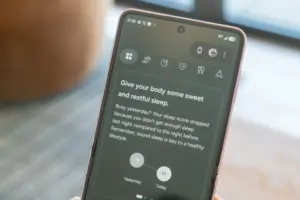
Samsung’s updated software does not merely track sleep stages; it provides a comprehensive breakdown of breathing disruptions. Users can now access detailed data within the Samsung Health app, identifying the frequency and severity of respiratory disturbances occurring throughout the night.
To ensure accuracy and minimize the risk of false positives, the system requires a baseline of "two nights of monitoring within a 10-day period." This threshold ensures that the data is statistically significant before the app provides insights, allowing the software to differentiate between transient breathing issues and potential indicators of obstructive sleep apnea. By providing these metrics, Samsung is empowering users to initiate informed conversations with their healthcare providers, potentially accelerating the path to a formal diagnosis.
Detailed Chronology: The Long Road to Regulatory Approval
The journey to this launch was neither short nor simple. It is a testament to the rigorous scrutiny that tech companies face when crossing the threshold from "fitness tracker" to "medical device."
2023: The Foundation
The foundation for this technology was laid throughout 2023, when the MFDS in South Korea first signaled its approval for sleep apnea detection on the Galaxy Watch series. This was a crucial initial validation, proving that the sensors integrated into Samsung’s wearables—specifically those measuring blood oxygen levels and heart rate variability—could reliably detect the physiological signatures of apnea.
2024: The FDA Milestone
For the United States market, the regulatory pathway was significantly more demanding. The FDA’s clearance process for "Software as a Medical Device" (SaMD) requires extensive clinical evidence. Throughout early 2024, anticipation built as Samsung teased the integration of this feature into its upcoming hardware, most notably the highly anticipated Galaxy Ring.
During the summer of 2024, Samsung’s Galaxy Unpacked event served as the global stage for the official announcement. The company promised that the feature would be available "this fall." The official rollout in November fulfills this promise, concluding a multi-year effort to synchronize global regulatory compliance with hardware availability.
Supporting Context: Why Wearables Matter for Respiratory Health
The medical community has long acknowledged that sleep apnea is vastly underdiagnosed. Estimates from the American Academy of Sleep Medicine suggest that millions of adults live with the condition, unaware of the risks it poses to their long-term health, including hypertension, heart disease, and stroke.
The Advantage of the Smart Ring
While smartwatches have dominated the health-tracking space for years, they are not universally comfortable for 24/7 wear. Many users find a watch cumbersome during sleep. The Galaxy Ring, by contrast, offers a minimalist, low-profile design that is far less intrusive. By extending this medical-grade monitoring to a form factor designed specifically for comfort, Samsung has effectively increased the likelihood of consistent, long-term data collection.
Compliance is the "holy grail" of remote health monitoring. If a user finds a device comfortable to wear, they are more likely to wear it, leading to a more robust dataset for the health algorithms to analyze. This is a critical advantage in identifying sleep-related disorders, which require longitudinal data to accurately characterize.
Official Statements and Compatibility
Samsung has been transparent about the device rollout schedule, though the timeline for older hardware remains a point of interest for long-time users.
Current Compatibility
- Galaxy Ring: The primary beneficiary of this announcement, the ring is now officially the first in its class to feature FDA-cleared sleep apnea detection.
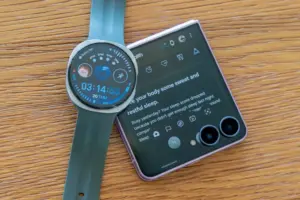
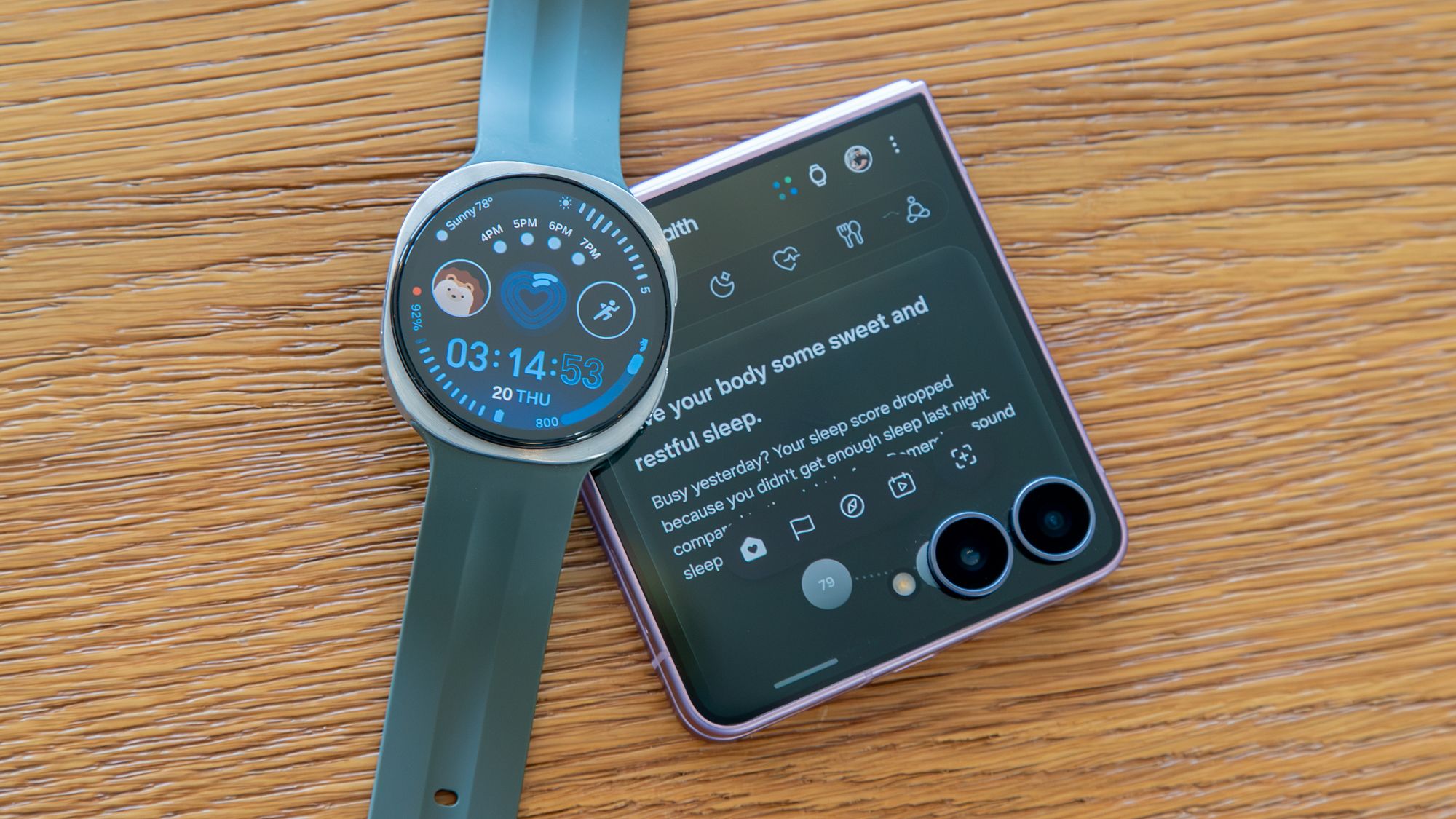
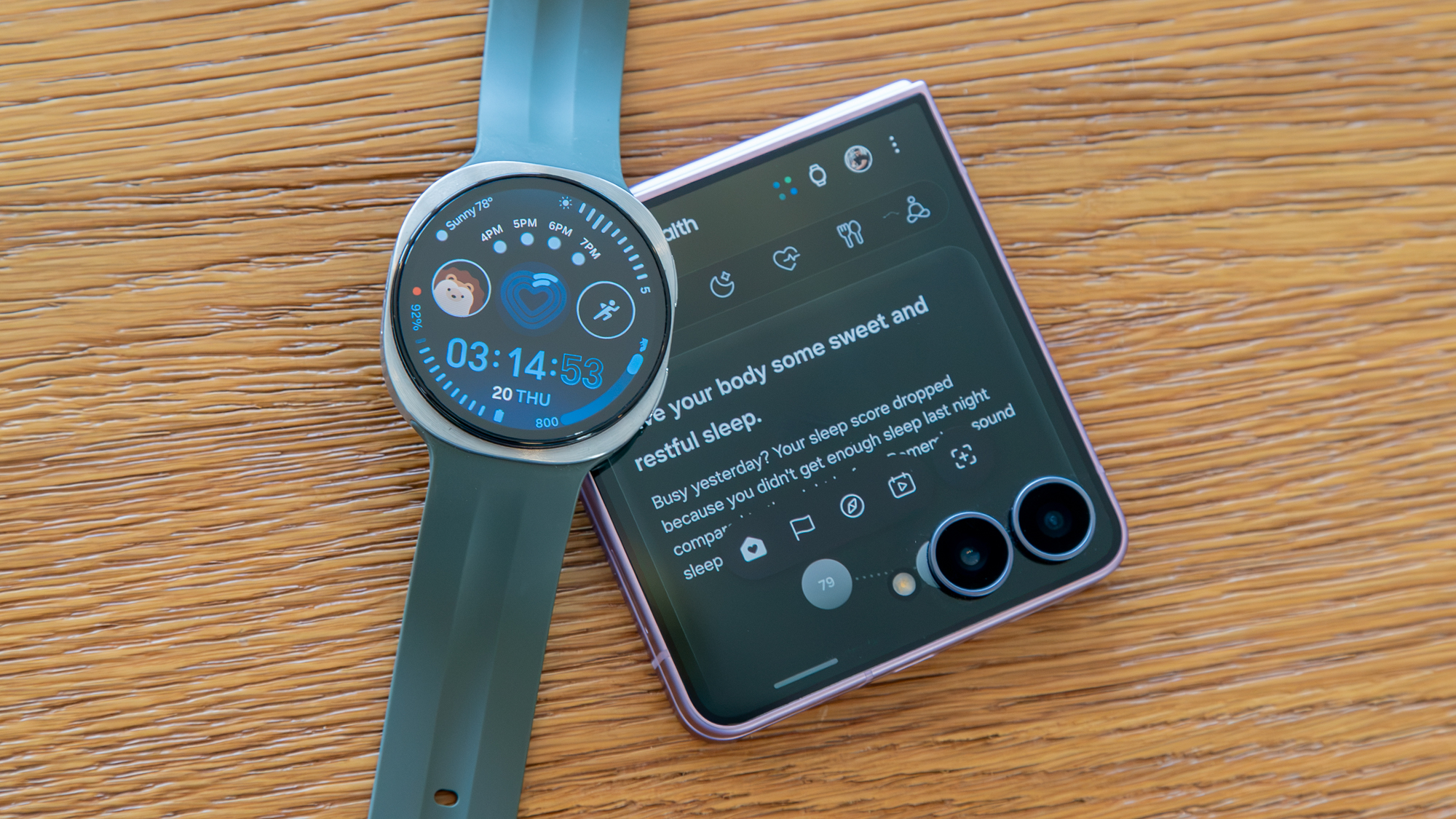
- Galaxy Watch 9: The feature is being pushed to the latest generation of Galaxy watches via the Samsung Health app today.
- Galaxy Watch 7 & 8: While Samsung has confirmed that these models are eligible for the update, they have not provided a specific date for the rollout. Owners of these devices should expect a firmware update in the coming weeks, which will unlock the necessary sensor sensitivity and software processing capabilities.
Samsung’s official communications emphasize that this feature is intended to "help users better identify how severe their underlying condition could be." It is important to note, however, that these devices are not diagnostic tools. They serve as a screening mechanism to encourage users to seek professional medical advice.
Future Outlook: The Evolution of Preventative Tech
The integration of sleep apnea detection is likely just the beginning of a broader, more aggressive push into clinical-grade health tracking. As AI-driven health analytics become more sophisticated, the "Health" tab in the Samsung ecosystem is poised to become an increasingly vital component of a user’s personal medical record.
The Path Ahead
Industry analysts expect Samsung to expand its repertoire of FDA-cleared features. Potential future developments could include:
- Continuous Blood Pressure Monitoring: A notoriously difficult metric to track via light-based sensors, which remains a "holy grail" for wearable manufacturers.
- Advanced Arrhythmia Detection: Building upon existing ECG capabilities to provide deeper insights into heart health over time.
- Integration with Healthcare Providers: As these devices become more capable, we may see closer integration with hospital systems, where a patient’s "wearable data" can be securely shared with their primary care physician prior to an annual check-up.
A New Era of Personal Health
By successfully clearing the high bar set by the FDA and the MFDS, Samsung has elevated the expectation for what a consumer wearable should be. We are moving away from the era of "counting steps" and into an era of "monitoring physiology."
For the average consumer, this means that the device on their finger or wrist is no longer just a notification center or a fitness tracker—it is a sophisticated health monitor. While the tech industry must continue to navigate the complexities of data privacy and medical ethics, the benefits of early detection for conditions like sleep apnea cannot be overstated.
As this feature reaches the hands of millions of users, the real-world impact will be measured in the number of individuals who, prompted by a notification from their Galaxy Ring, choose to seek a doctor’s appointment. In that regard, Samsung’s latest update is not just a software enhancement; it is a significant contribution to public health. We look forward to seeing how users integrate these insights into their daily routines and how quickly the company moves to bring similar capabilities to the rest of its wearable lineup.