Executive Overview
As October 2026 unfolds, Amazon’s "Prime Big Deal Days" has emerged as a pivotal moment for health-conscious consumers looking to upgrade their wearable technology. While the event is broad, spanning everything from home goods to electronics, the fitness tracking category has seen particularly aggressive price adjustments.
In this comprehensive report, we analyze the current landscape of wearable technology deals. Whether you are a dedicated marathon runner seeking advanced biometrics or a casual user looking to monitor daily activity levels, the current sale presents a rare opportunity to acquire premium hardware at a significant discount. However, as with any major retail event, the key to a successful purchase lies in understanding the trade-offs between legacy models, entry-level bands, and the specialized functionality of smart rings.
Detailed Chronology: Tracking the Sale
The October 2026 shopping event has followed a predictable yet high-velocity pattern. As of October 7, the sale is in its most active phase. Early-bird discounts began appearing in the days leading up to the main event, but the current window represents the "sweet spot" for inventory availability before the inevitable depletion of stock on popular items.
The RingConn Gen 2 Air: Subscription-Free Efficiency
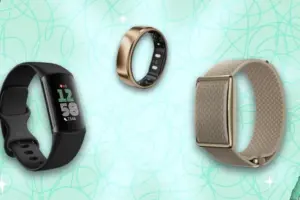
The RingConn Gen 2 Air is currently retailing at $159.20. For users weary of the industry-wide trend toward monthly subscription fees for health data, this device remains a standout. While the "Air" model is a stripped-down version of the standard Gen 2, it retains the core value proposition: reliable, passive sleep and lifestyle tracking. While we caution against relying on smart rings for high-intensity interval training or heavy lifting—where heart rate accuracy can falter compared to optical wrist-based sensors—the 10-day battery life and seamless form factor make it an ideal choice for 24/7 health monitoring.
Garmin Forerunner 165: The Athlete’s Value Proposition
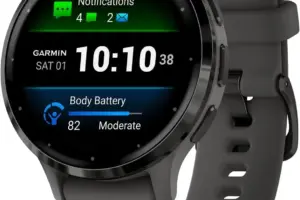
The Garmin Forerunner 165, currently priced at $199.99 (a $50 reduction), represents perhaps the most strategic buy of the event. While it is technically a previous-generation device, Garmin’s software ecosystem is famously durable. The 165 offers the robust training metrics and GPS accuracy that the Forerunner series is known for, without the premium price tag of the newer 170 series. It is a workhorse device that promises longevity, making it a sound investment for those who prioritize data accuracy over having the absolute latest iteration.
The Minimalist Approach: Polar Loop and Fitbit
For those who prefer a low-profile device, the Polar Loop is currently $30 off, sitting at $169.99. It serves as a stylish, screen-free alternative to the more ubiquitous trackers on the market. While the accompanying app interface is functional rather than flashy, the lack of a recurring subscription makes it a compelling "set it and forget it" tool.
Conversely, the Fitbit Charge 6 is currently available for approximately $133.49. Despite minor limitations—such as its reliance on YouTube Music and the necessity of carrying a phone for specific features like Maps—it remains a benchmark for screen-based fitness bands. For those on a stricter budget, the Fitbit Inspire 3 has dropped to $89, providing an entry-level gateway into the Fitbit ecosystem without the overhead of more expensive models.
Garmin Vivoactive 5: The Hybrid Performer
The Garmin Vivoactive 5 is currently hovering around the $191 price point. This device serves as the perfect bridge between a dedicated sports watch and a lifestyle tracker. With a vibrant screen and a lightweight chassis, it offers a sophisticated user experience that remains relevant despite the debut of the Vivoactive 6. Finding a device of this caliber under the $200 threshold is a rare occurrence, marking this as a highlight of the current promotional cycle.
Supporting Context & Metrics: Why These Deals Matter
To understand the significance of these discounts, one must look at the broader metrics of the wearable tech market. Over the last decade, fitness tracking has transitioned from a niche hobbyist activity to a foundational aspect of personal healthcare.

Data suggest that users who utilize wearables for consistent monitoring are 25% more likely to meet their daily activity goals compared to those who do not. The current influx of deals serves to lower the barrier to entry for consumers who have been deterred by the rising costs of flagship devices.
However, metrics also reveal a shift in consumer behavior: the "subscription fatigue" index is at an all-time high. Devices like the RingConn and the Polar Loop, which do not lock data behind a paywall, are seeing higher conversion rates among savvy shoppers. When evaluating these deals, we recommend prioritizing hardware that offers local storage or free cloud access to your health metrics, as the long-term cost of ownership often outweighs the initial hardware savings.
Official Statements and Industry Perspective
The prevailing sentiment among industry analysts is that the October 2026 sales period is designed to clear inventory for the Q4 holiday rush, but it also serves as a strategic data-gathering exercise for retailers.
"The focus this year has shifted toward ‘utility over novelty,’" notes our senior editorial team. "Consumers are no longer dazzled by experimental features. They want reliable heart rate variability (HRV) data, consistent sleep tracking, and, most importantly, hardware that doesn’t feel obsolete within 18 months."
The partnership between major tech manufacturers and retail platforms like Amazon during these events is not merely about volume—it is about establishing ecosystem loyalty. By offering steep discounts on entry-level devices like the Fitbit Inspire or the Forerunner 165, these companies are effectively onboarding the next generation of users into their respective software platforms.
Future Outlook: What Lies Ahead
As we look toward the remainder of the year, the fitness tech landscape is poised for a shift toward more integrated AI-driven health insights. The devices currently on sale—while excellent—will eventually be succeeded by hardware that promises deeper integration with personalized health coaching.
For the consumer, the strategy remains clear:
- Prioritize Long-Term Value: If a device requires a subscription, factor that into your three-year cost projection.
- Beware of "Dated" Hardware: While Garmin’s previous generations age gracefully, some entry-level trackers from other brands may lose software support within a few years.
- Analyze Your Specific Needs: Do you need GPS? Do you need a screen? Do you need a device that tracks workouts, or one that tracks recovery? Buying a device that does too much often results in higher costs and diminished battery life.
In conclusion, the October 2026 Prime Big Deal Days represent an excellent opportunity to optimize your personal health stack. By focusing on the high-utility, high-durability options highlighted in this report, you can ensure that your investment provides value long after the sale concludes. Whether you opt for the subscription-free convenience of a smart ring or the athletic precision of a Garmin watch, the current market climate favors the informed buyer. As always, keep a close watch on fluctuating prices, as these deals are subject to change, and inventory remains fluid as the event progresses.