By the Investigative Desk
Published: October 7, 2026
Executive Overview
The architecture of American political communication has undergone a tectonic shift. For generations, the pipeline of midterm election news flowed downward from legacy television networks, major metropolitan newspapers, and wire services into the living rooms and morning commutes of the electorate. Today, that pipeline has not merely fractured; it has been entirely bypassed.
According to data released in October 2026, nearly half of all United States adults—roughly 45%—now turn to independent content creators, digital influencers, and platform-native commentators on a weekly basis to source their midterm election news. This seismic transformation marks a definitive departure from traditional media gatekeeping. Voters are no longer waiting for the evening news broadcast or the morning broadsheet to understand shifting political landscapes, legislative battles, or candidate viability. Instead, they are logging onto YouTube, TikTok, Substack, Twitch, and specialized independent audio-video feeds to ingest commentary packaged by individuals rather than institutions.
This report examines the root causes, demographic realities, and democratic implications of the "creator-led" news cycle. As millions of Americans trade traditional journalism for decentralized perspectives, the fundamental definition of what constitutes a "journalist" or an "election analyst" is being rewritten in real-time.
Detailed Chronology: The Evolution of Digital Media Hegemony
To understand how independent creators captured nearly half of the American electorate’s attention ahead of the midterms, one must trace the gradual erosion of trust in legacy institutions and the simultaneous maturation of the creator economy.

Phase One: The Fragmentation of Audiences (2016–2020)
The modern reliance on digital creators did not happen overnight. The groundwork was laid during the contentious political cycles of the late 2010s. As social media algorithms grew more sophisticated, they began rewarding hyper-personalized, direct-to-consumer video content over broad-appeal broadcasting. During this period, political streamers, independent podcasters, and YouTube essayists began filling niches left vacant by shrinking local newsrooms. While legacy outlets focused on high-level national narratives, independent figures built hyper-engaged communities by diving deep into granular local policy, political media criticism, and cultural commentary.
Phase Two: The Professionalization of the Creator (2021–2024)
By the early 2020s, content creation transitioned from a hobbyist endeavor into a highly capitalized, professional industry. Backed by sophisticated monetization tools, crowdfunding platforms like Patreon and Substack, and lucrative direct brand sponsorships, political commentators were able to build mini-newsrooms consisting of researchers, video editors, and fact-checkers. During the 2024 presidential cycle, these independent operators demonstrated reach that rivaled mid-tier cable networks. They conducted long-form candidate interviews that bypassed traditional press conferences, offering unedited, conversational dialogues that resonated deeply with media-skeptical demographics.
Phase Three: The Midterm Watershed (2025–2026)
By the time the 2026 midterm election cycle ramped up, the creator ecosystem was fully institutionalized. Major political campaigns recognized this shift early, reallocating substantial portions of their communication budgets from traditional television ad buys to creator partnerships, influencer briefings, and digital-first sponsorships. The milestone revealed in October 2026—that nearly 50% of US adults look to creators weekly for election updates—signals that independent digital commentators are no longer an alternative fringe; they are the primary infrastructure of modern political awareness.
Supporting Context & Metrics: Who, What, and Where
The migration of news consumers toward independent creators is not uniform across all demographics. A granular look at the metrics reveals stark generational divides, distinct platform preferences, and complex questions surrounding news literacy and trust.
Demographics and the Age Gap
The reliance on creators is heavily skewed toward younger voters, though its gravitational pull has steadily crept upward into Gen X and older cohorts:

- Gen Z (Ages 18–29): Over 75% of young adults report getting their primary political and election information from creators on platforms like TikTok, YouTube, and Instagram. Traditional text-based articles and cable news broadcasts register minimal regular engagement within this demographic.
- Millennials (Ages 30–44): Approximately 60% of Millennials turn to independent podcasts, newsletters, and video essayists at least a few times a week for policy breakdowns and election analysis.
- Gen X and Boomers (Ages 45+): While legacy television and print media retain a stronger foothold among older demographics, digital creator engagement within these cohorts has risen to nearly 25%, driven largely by independent political commentators utilizing YouTube and Facebook video formats.
Platform Breakdown and Content Formats
Different platforms serve vastly different functions in the digital election news ecosystem:
- YouTube: Dominates long-form analysis, panel discussions, and investigative video essays. Voters use YouTube to gain deeper context on ballot measures, candidate records, and economic trends.
- TikTok and Instagram Reels: Serve as the frontline for rapid-fire updates, soundbites, and trend-based political commentary. While lacking deep investigative rigor, these platforms excel at driving initial awareness of unfolding events.
- Substack and Independent Newsletters: Have absorbed a massive share of the audience fleeing traditional opinion columns. Voters turn to these written platforms for reasoned, long-form arguments from specialized policy wonks.
- Twitch and Live Streaming Platforms: Offer real-time reaction coverage of debates, town halls, and election night returns, complete with interactive chat environments that foster a sense of shared community participation.
Official Statements and Industry Reactions
The reality that half of the American public relies on independent digital creators for high-stakes political news has sparked urgent debates across the journalism, political science, and technology sectors.
Dr. Elena Rostova, a senior researcher at the Center for Media and Democracy, notes that this shift represents both a democratization of information and a complex regulatory challenge:
"We are witnessing the democratization of political discourse. People no longer want to be talked down to by a polished anchor sitting behind a desk in New York or Washington. They want peer-to-peer communication. However, this decentralized model strips away traditional editorial guardrails, making fact-checking and algorithmic bias critical concerns for the democratic process."
Conversely, legacy media executives have taken a defensive yet adaptive posture. Speaking at a recent media summit, Marcus Vance, president of a major broadcast network, addressed the changing landscape:
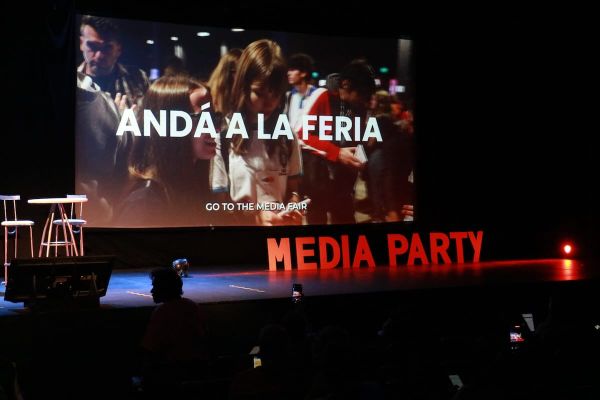
"The traditional newsroom must evolve. We cannot ignore that audiences are finding their news elsewhere. Our challenge is not to compete with the speed of a lone creator with a ring light, but to double down on deep, rigorous, verified investigative journalism that these smaller entities often lack the resources to produce."
Meanwhile, political campaign strategists have fully embraced the shift. Campaign managers across the ideological spectrum have confirmed that credentialed digital creators are now granted press credentials on par with White House correspondents, reflecting their immense influence over voter turnout and public opinion.
Future Outlook: The Intersection of Creators, Democracy, and AI
As the United States moves deeper into the digital age of political engagement, the prominence of independent creators will only accelerate. Several key trends will define the future intersection of creators and elections:
1. The Blurring Lines of Professional Journalism
The traditional distinction between a "journalist" and a "content creator" will continue to dissolve. Newsrooms are increasingly hiring independent creators directly for their digital-native storytelling skills, while top-tier creators are investing in rigorous journalistic standards, hiring investigative reporters, and adopting strict ethics policies.
2. The Algorithmic Battleground and Disinformation
As algorithmic feeds become the primary news editors for millions of voters, the risk of echo chambers and rapid disinformation dissemination grows. Policymakers, platform executives, and civil society groups will face mounting pressure to address transparency, content moderation, and algorithmic bias without stifling free expression.

3. Campaign Finance and Strategic Evolution
Political advertising and outreach will continue their migration away from traditional broadcast television. Future campaigns will rely even more heavily on decentralized creator networks to micro-target specific demographics, test messaging, and humanize candidates through long-form, unscripted digital appearances.
Conclusion
The milestone revealing that nearly half of US adults turn to creators weekly for midterm news is not a temporary anomaly; it is the new baseline of American political life. Independent creators have permanently altered how citizens consume, discuss, and participate in democracy. Whether this decentralized model ultimately strengthens civic engagement or further fractures public consensus will depend on the commitment of creators, platforms, and voters alike to demand accountability, rigorous fact-checking, and intellectual honesty in the digital public square.