Executive Overview
The foldable smartphone landscape is undergoing a period of rapid maturation, moving from experimental form factors to essential premium hardware. As we approach the dawn of 2027, all eyes are on Motorola, a brand that has arguably done more to normalize the "flip" phone resurgence than any other. Fresh reports surfacing this week suggest that Motorola is not merely iterating on its previous successes but is preparing to address some of the most persistent criticisms leveled at its 2026 lineup.
Leaked intelligence indicates that the upcoming Motorola Razr 2027 is poised to feature a more immersive 4-inch cover display that effectively eliminates the intrusive borders of its predecessors. Beyond aesthetics, the device aims to bolster performance metrics through increased battery capacity and faster charging, signaling a shift toward addressing the power-user demographic. However, while these hardware gains are promising, lingering concerns regarding processor choices and software longevity suggest that Motorola still has significant ground to cover to keep pace with industry titans like Samsung and Google.
Detailed Chronology: From Concept to Leak
The journey toward the 2027 Razr has been defined by a constant tug-of-war between design elegance and hardware utility. In the wake of the 2026 Razr series—which, while aesthetically pleasing, left many enthusiasts wanting more in terms of storage and long-term support—the rumor mill has begun to churn with intense speculation.
On November 24, a significant report from Android Headlines provided the first concrete glimpse into what the 2027 iteration might entail. According to the leak, the design language is evolving to prioritize screen real estate. The most striking claim involves a 4-inch cover display that extends significantly toward the hinge. This design shift is a direct response to the market pressure exerted by devices like the Samsung Galaxy Z Flip 8. By closing the gap between the bezel and the device’s physical boundary, Motorola appears to be prioritizing a "full-screen" experience that allows for more complex widgets and seamless interaction without the need to unfold the device.
Current timelines suggest that we may not have to wait for the traditional mid-year release cycle. Industry insiders believe that Motorola is positioning the Razr 2027 for a grand reveal at CES 2027 in Las Vegas. If this holds true, it represents an aggressive strategic pivot, moving the launch window forward to capture early-year market momentum.
Supporting Context & Metrics: Hardware Gains and Trade-offs
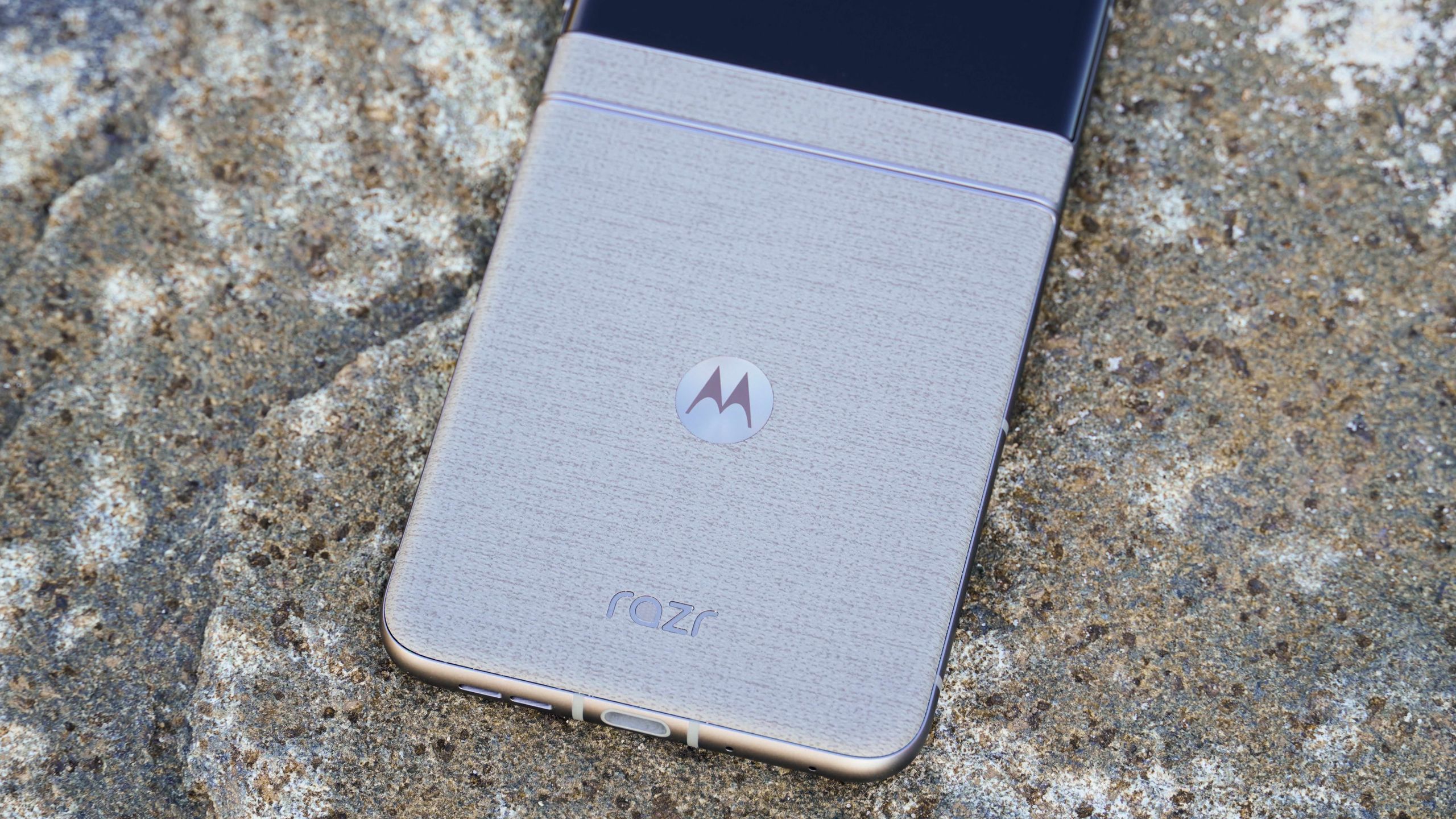
To understand the significance of these leaks, one must examine the metrics of the current generation. The 2026 Razr arrived with a 4,800mAh battery and 30W charging. While functional, these specs often fell short of the demands placed on modern, always-on cover displays.
Power and Efficiency
The rumored upgrade to a 5,000mAh battery cell is a substantial move for a folding device, where internal space is at a premium. Furthermore, the jump to 45W charging suggests that Motorola is listening to consumer complaints regarding downtime. In an era where 65W or even 100W charging is becoming common in non-foldable flagships, 45W provides a much-needed bridge for the flip phone category.
The Processor Conundrum
Perhaps the most contentious aspect of the leaks concerns the silicon. The report suggests that Motorola will remain committed to MediaTek’s Dimensity chipset line for the base 2027 model. While MediaTek has made massive strides in performance and power efficiency, the consumer perception remains that "premium" should equate to the absolute bleeding edge of mobile processing power. Given that the 2026 model carried a price tag that felt steep relative to its specs, the inclusion of a mid-range chipset in the 2027 version may invite continued scrutiny from power users who compare the device against the Snapdragon-powered competition.
Storage and Memory
The inclusion of 8GB of RAM and 256GB of base storage is a welcomed, albeit overdue, adjustment. The 2026 model’s decision to halve storage capacity while simultaneously raising the price was widely criticized as a "distasteful" maneuver. By restoring the 256GB threshold, Motorola seems to be acknowledging that a premium phone in 2027 cannot justify entry-level storage configurations.
The Software Gap: A Critical Hurdle
While hardware specifications dominate the conversation, the software narrative remains a point of friction. In the competitive landscape of Android, the standard for excellence has been reset by Google and Samsung, both of which now offer seven years of OS and security updates.
Currently, the Motorola Razr 2026 is limited to a three-year OS upgrade cycle and five years of security patches. Leaks indicate that the 2027 iteration may not see a significant extension of this policy. For a device intended to be a long-term companion, this discrepancy is a significant liability. Consumers are increasingly viewing smartphones as multi-year investments, and a shorter update lifecycle makes the Razr a harder sell compared to the competition.
The GrapheneOS Integration
One area where Motorola is attempting to differentiate itself is through the potential integration of GrapheneOS. Known for its privacy-centric architecture, GrapheneOS represents a bold experiment for a mainstream manufacturer. However, reports suggest that this specialized software may be reserved for the higher-end Razr Ultra and Fold models initially. This leaves the base Razr 2027 potentially stranded on standard Android, missing out on the unique value proposition that could have made it a standout device for privacy-conscious users.
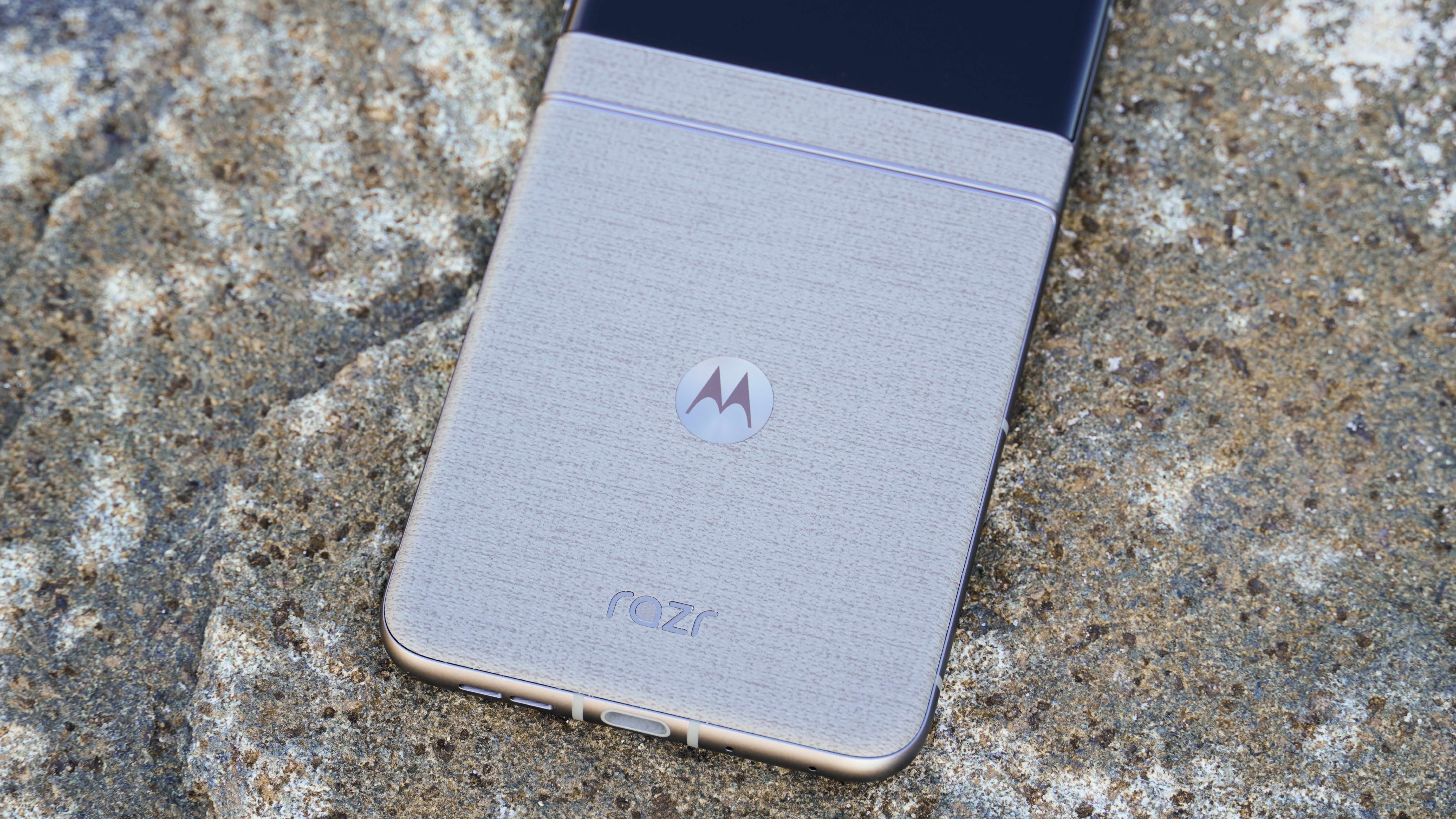
Future Outlook: Can Motorola Reclaim the Crown?
As we look toward 2027, Motorola stands at a crossroads. The company has successfully established the Razr as a cultural icon, blending nostalgia with modern utility. The hardware design improvements—specifically the bezel-less cover screen and the increased battery capacity—show a company that is listening to the core user base.
However, design is only half the battle. To truly compete in the upper echelons of the smartphone market, Motorola must address the "mid-range" perception of its hardware. A foldable phone at a flagship price point requires a flagship experience across the board—not just in the folding mechanism, but in the processing speed and the long-term software support.
If Motorola can bridge the gap in software longevity and ensure that its "mid-range" chips are optimized to the point of irrelevance, the Razr 2027 could very well be the device that cements the company’s place as a leader in the foldable space. Conversely, if it continues to rely on brand nostalgia and iterative hardware updates while lagging in the software and chip departments, it risks being relegated to a secondary option in a market that is becoming increasingly dominated by those who offer the best "all-around" longevity.
Final Verdict: The Road Ahead
The upcoming CES 2027 event will be a bellwether for Motorola’s ambition. By pulling the curtain back early, the company is signaling confidence in its new design language. Whether that confidence is misplaced will depend on the fine print: the price, the chipset performance, and the commitment to keeping the device relevant long after it is unboxed. For now, the Razr 2027 looks to be a significant improvement—a necessary evolution that honors the brand’s past while attempting to secure its future in a crowded, high-stakes market.
As we await official confirmation, the message to Motorola is clear: the hardware is getting better, but the software and performance parity must catch up to match the premium promise of the iconic Razr name.