Executive Overview
The modern creative landscape has undergone a seismic shift. No longer tethered to traditional, static studio environments, professionals across graphic design, video editing, digital illustration, and architecture are increasingly embracing the nomadic lifestyle. Powered by cloud computing, high-speed cellular networks, and increasingly robust portable hardware, today’s creatives can seamlessly execute heavy workloads from airport lounges, remote cabins, or international co-working spaces.
However, this liberation from the physical office introduces its own unique set of operational challenges. The modern digital workflow is notoriously resource-intensive. Rendering complex 3D scenes, editing high-bitrate 4K footage, or simply keeping a multi-device ecosystem powered through long-haul transit presents persistent hurdles. A dead battery mid-render, a misplaced peripheral, or the cumbersome nightmare of navigating strict airport security with a bag full of sensitive, expensive hardware can derail a project—and a professional’s peace of mind—in seconds.
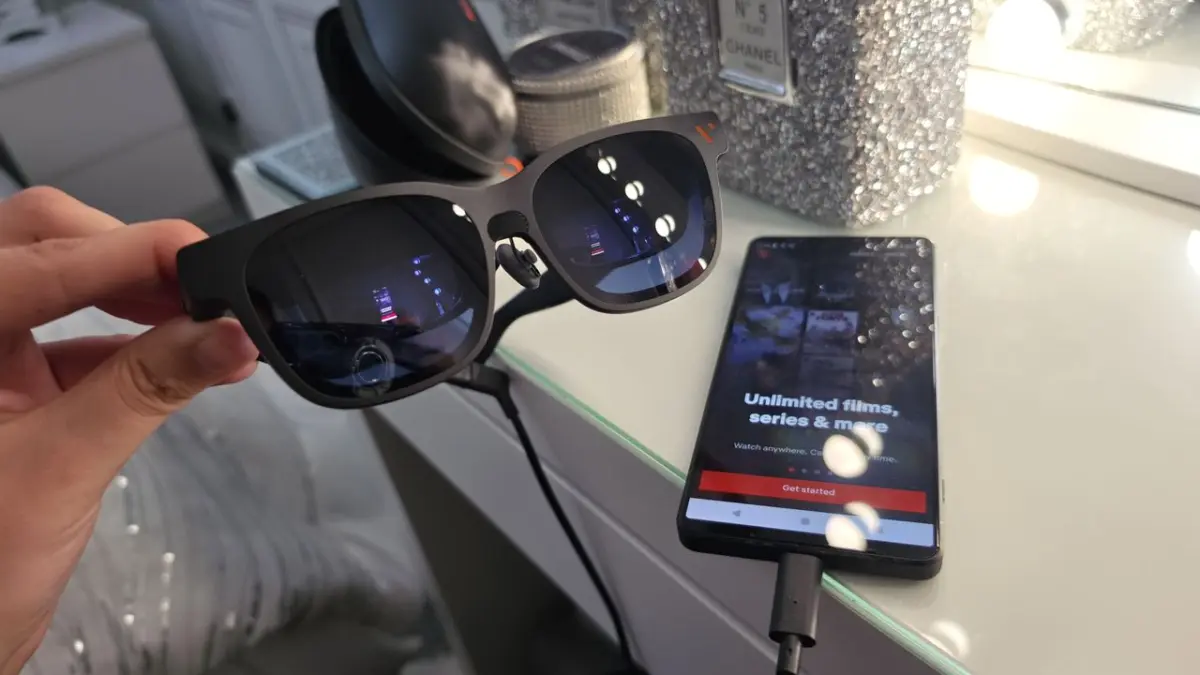
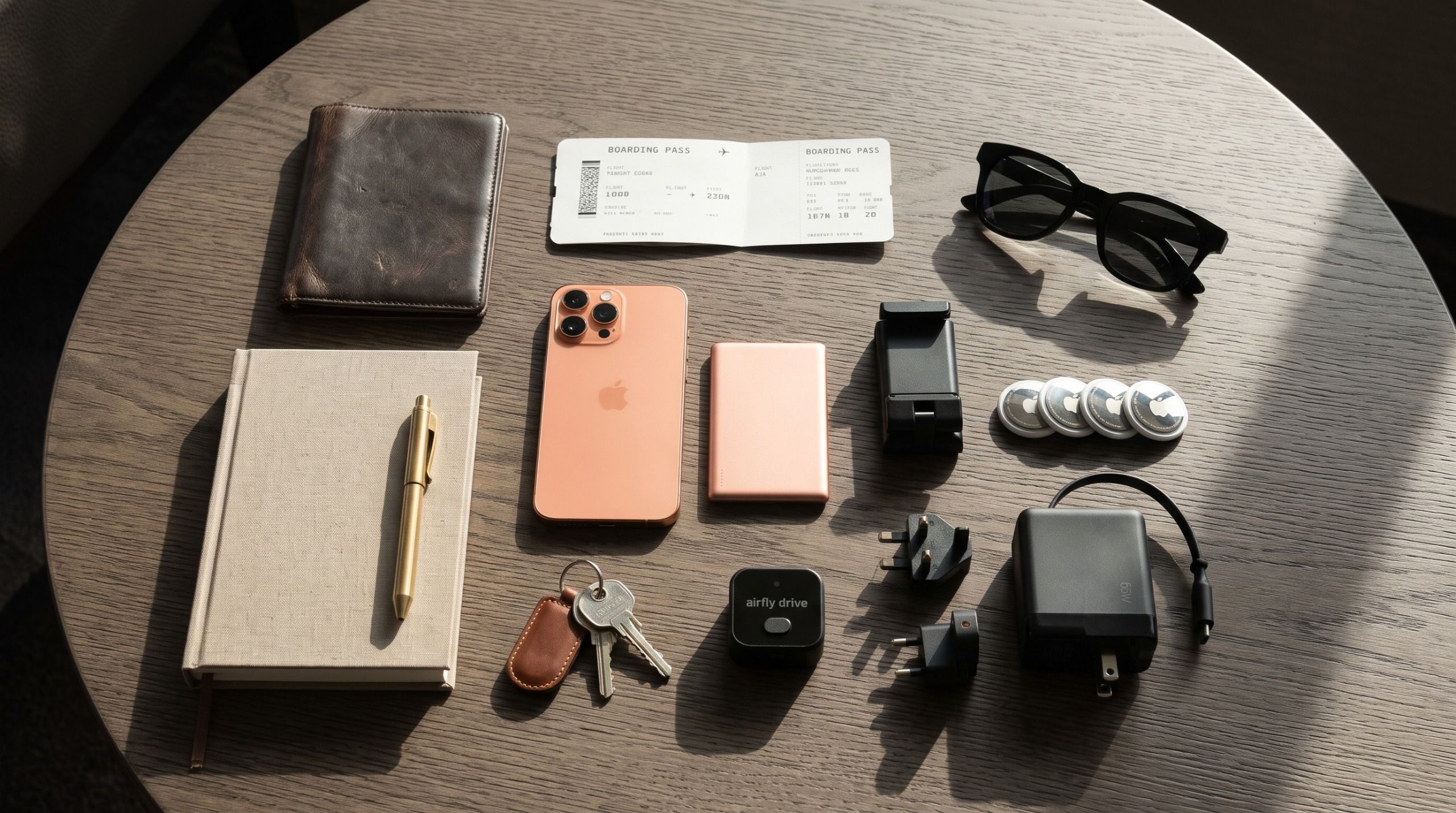
As holiday travel peaks and professional commitments demand year-round mobility, upgrading your travel toolkit is no longer a luxury; it is a critical business strategy. Fortunately, the ongoing convergence of early Black Friday sales and rapid technological innovation has yielded a new class of travel accessories designed specifically to mitigate these pain points. From intelligent power delivery systems and precision tracking tags to ergonomic portable workspaces, these eight
essential gadgets are engineered to safeguard your workflow, protect your gear, and ensure that your creative momentum never misses a beat, no matter where your journey takes you.
Detailed Chronology: The Evolution of the Nomadic Creative Ecosystem
To understand why modern travel accessories are critical to today’s creative professional, it helps to examine how the relationship between mobility, technology, and work has evolved over the past two decades.
Phase 1: The Tethered Era (Early 2000s)
At the turn of the millennium, mobile computing for creative professionals was largely an exercise in compromise. Laptops were heavy, underpowered, and plagued by notoriously short battery lives—often lasting less than two hours under heavy loads. Graphic tablets required physical desk space, dedicated power bricks, and tangled arrays of USB and video cables. "Working on the road" usually meant reviewing rough drafts or handling lightweight text editing; actual production work remained strictly confined to desktop workstations inside physical studios or offices.
Phase 2: The Ultrabook and Cloud Transition (2010–2018)
The proliferation of solid-state drives (SSDs), more efficient multi-core processors, and cloud-based storage platforms like Dropbox and Adobe Creative Cloud initiated a major paradigm shift. Laptops slimmed down significantly, morphing into capable portable workstations. During this period, the primary travel accessories were rudimentary: bulky neoprene sleeves, generic universal power adapters with interchangeable prongs, and external mechanical hard drives that were painfully susceptible to damage from travel vibrations and drops.
Phase 3: The Universal USB-C & GaN Revolution (2019–Present)
Today, we are living through the golden age of mobile creative infrastructure, driven largely by two major technological breakthroughs: Gallium Nitride (GaN) charging technology and the universal adoption of USB-C Power Delivery (PD).
- The Power Shift: Traditional silicon-based chargers were large, heavy, and generated immense amounts of heat. GaN chargers replaced silicon with gallium nitride, allowing manufacturers to pack immense power outputs (often 100W to 240W) into form factors small enough to slip into a pocket. This meant a single, lightweight wall brick could simultaneously fast-charge a high-end laptop, a drawing tablet, and a smartphone.
- The Ecosystem Integration: Modern peripherals are now engineered with portability at their core. Wireless styluses with inductive charging, modular magnetic hubs, ultra-thin portable displays, and enterprise-grade tracking ecosystems have transformed travel bags from chaotic bundles of cables into streamlined, highly efficient mobile studios.
Supporting Context & Metrics: The State of Remote Creative Work
The demand for high-performance travel accessories is underpinned by structural changes in how creative agencies and freelance professionals operate globally.
The Rise of the Distributed Workforce
According to recent workplace analytics and industry surveys:
- Over 68% of creative agencies now employ a hybrid or fully remote operational model, requiring staff to travel frequently between client sites, satellite offices, and home studios.
- Freelance professionals account for nearly 35% of the total creative workforce, with a significant majority identifying as "digital nomads" who split their time across multiple cities or countries annually.
- Hardware investments among remote creatives have shifted decisively toward portability; sales of lightweight, high-performance peripherals have grown by 42% year-over-year since 2022.
The True Cost of Tech Failures on the Road
When technology fails in the field, the consequences extend far beyond mere inconvenience:
- Productivity Loss: Industry data suggests that an unexpected hardware failure or power outage while working remotely costs an average of 3.5 hours of lost productivity per incident.
- Data Vulnerability: Traveling with sensitive intellectual property—such as unreleased video edits, proprietary CAD blueprints, or vector designs—increases the risk of physical loss or digital interception. Security-focused travel accessories, such as encrypted storage drives and smart-tracking hardware, have become essential risk-mitigation tools.
- Airport Security Friction: The TSA and international aviation authorities continue to scrutinize lithium-ion batteries and complex electronics. Modern travel accessories designed with modularity and quick-access profiles significantly reduce the time spent unpacking and repacking expensive gear during security screenings.
Official Statements & Industry Insights
Industry leaders and design veterans emphasize that the physical tools chosen for travel directly impact the quality and velocity of creative output.
"When you’re designing on location, the psychological friction of worrying about battery life or hardware damage is the silent killer of creative flow. You need to trust your ecosystem completely so that your brain can remain 100% focused on the canvas or the timeline."
— Elena Vance, Lead UX Strategist at Nomad Design Guild
Tech hardware analysts also point out that seasonal retail events, such as the ongoing Black Friday sales cycle, offer a critical window for professionals to upgrade their kits without incurring enterprise-level expenditures.
"We are seeing unprecedented discounts on high-end GaN chargers, ruggedized external SSDs, and precision input devices. Creatives often overlook these accessories until they fail on a trip. Investing in robust, commercial-grade travel tech ahead of holiday travel is the highest-ROI decision a mobile professional can make this season."
— Marcus Thorne, Senior Consumer Tech Analyst at Creative Bloq
Future Outlook: What’s Next for Mobile Creative Tech?
As we look toward the horizon of 2025 and beyond, several emerging technologies promise to further redefine the travel experience for creative professionals:
- Solid-State Batteries: As solid-state battery technology transitions from automotive and laboratory settings into consumer electronics, expect to see external power banks that are half the weight, twice as dense, and entirely free of fire-hazard risks associated with traditional lithium-ion cells.
- Wireless Power Matrix Integration: Future airport lounges, co-working spaces, and hotels will increasingly integrate universal wireless power grids into furniture surfaces, reducing the need to carry multiple wall chargers entirely.
- AI-Enhanced Edge Peripherals: Next-generation travel mice, keyboards, and drawing tablets will feature onboard neural processing units (NPUs) that handle context-aware macro shortcuts, noise cancellation in noisy cafes, and predictive battery management directly at the hardware level.
- Satellite Connectivity as Standard: With direct-to-device satellite communication becoming standard in modern smartphones and expanding into laptops and tablets, remote creatives working in deep nature or transit will no longer fear losing cloud synchronization mid-project.
Conclusion
The modern creative professional is no longer defined by the four walls of a studio, but by the agility of their workflow. While travel will always present minor logistical hurdles, equipping yourself with the right accessories transforms potential disasters into manageable footnotes. By leveraging modern advancements in power delivery, secure storage, and precision tracking—especially while seasonal discounts make premium gear more accessible than ever—you can build a bulletproof mobile studio.
Protect your work, extend your operational endurance, and ensure that your next creative journey is defined by inspiration rather than technical frustration.