Executive Overview
Assembling a custom desktop computer has long been a rite of passage for PC enthusiasts, gamers, and digital creators. Thanks to a thriving ecosystem of social media content, PC-building video tutorials, and modular hardware, the process of slotting a processor into a motherboard or snapping in a stick of RAM has been demystified for millions. Yet, as mainstream interest in custom PCs continues to surge, a distinct sub-genre of desktop building has quietly captured the imagination of the enthusiast community: the Small Form Factor (SFF) or mini PC build.
Characterized by their diminutive footprints—often housed in Mini-ITX or compact microATX enclosures—these pint-sized powerhouses offer a tantalizing proposition. They promise the performance of a bulky mid-tower rig compressed into a chassis small enough to sit unobtrusively on a minimalist desk, slip into a backpack, or hide behind a monitor.
However, beneath the aesthetic appeal of a clean, clutter-free workstation lies a deceptive engineering challenge. While building a standard ATX tower is a forgiving, modular process akin to assembling high-tech Lego bricks, constructing a high-performance mini PC is closer to a game of high-stakes, three-dimensional tetris. From inflated component pricing and severe thermal constraints to strict installation sequences and proprietary hardware limitations, building your own mini PC is significantly harder, more expensive, and more frustrating than most builders anticipate.
Detailed Chronology: The Evolution of Compact Computing and the SFF Surge
To understand why building a mini PC has become such a daunting undertaking, it is necessary to examine how the desktop landscape has evolved. For decades, the personal computer industry operated on an unwritten rule: performance required physical space. Large ATX motherboards, massive cooling towers, and sprawling multi-fan graphics cards were the undisputed standard for anyone seeking top-tier gaming or productivity performance.
Early attempts at miniaturization largely fell into two camps: pre-built, proprietary systems like Apple’s Mac mini or Intel’s NUC (Next Unit of Computing) series, and low-powered HTPCs (Home Theater PCs) that sacrificed heavy computational power for quiet, compact operation. These pre-built commercial systems relied heavily on Systems-on-a-Chip (SoCs)—architectures that combined the CPU and GPU onto a single die, often with RAM soldered directly onto the motherboard. While space-efficient, these devices were fundamentally unupgradeable, locking consumers into a specific performance tier for the lifespan of the machine.
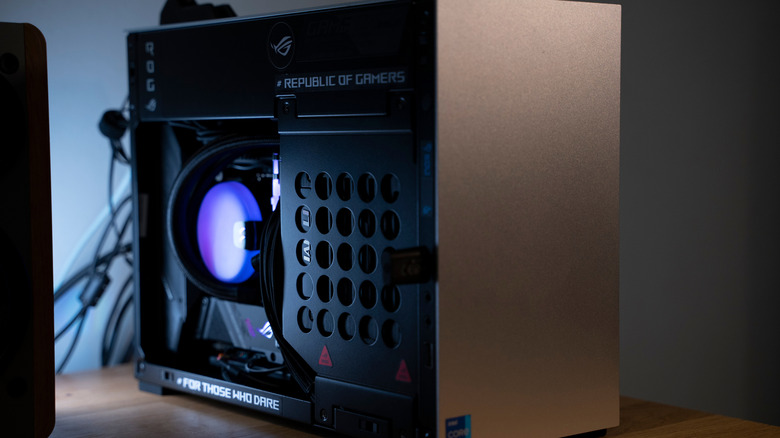
Over the past several years, however, the DIY hardware market experienced a paradigm shift. Advancements in power efficiency from manufacturers like AMD, Intel, and NVIDIA meant that high-end components no longer automatically required massive heat sinks to remain stable. Concurrently, a passionate community of SFF enthusiasts and boutique case manufacturers (such as Lian Li, FormD, and Cooler Master) began engineering commercial Mini-ITX chassis capable of housing full-sized discrete desktop graphics cards.
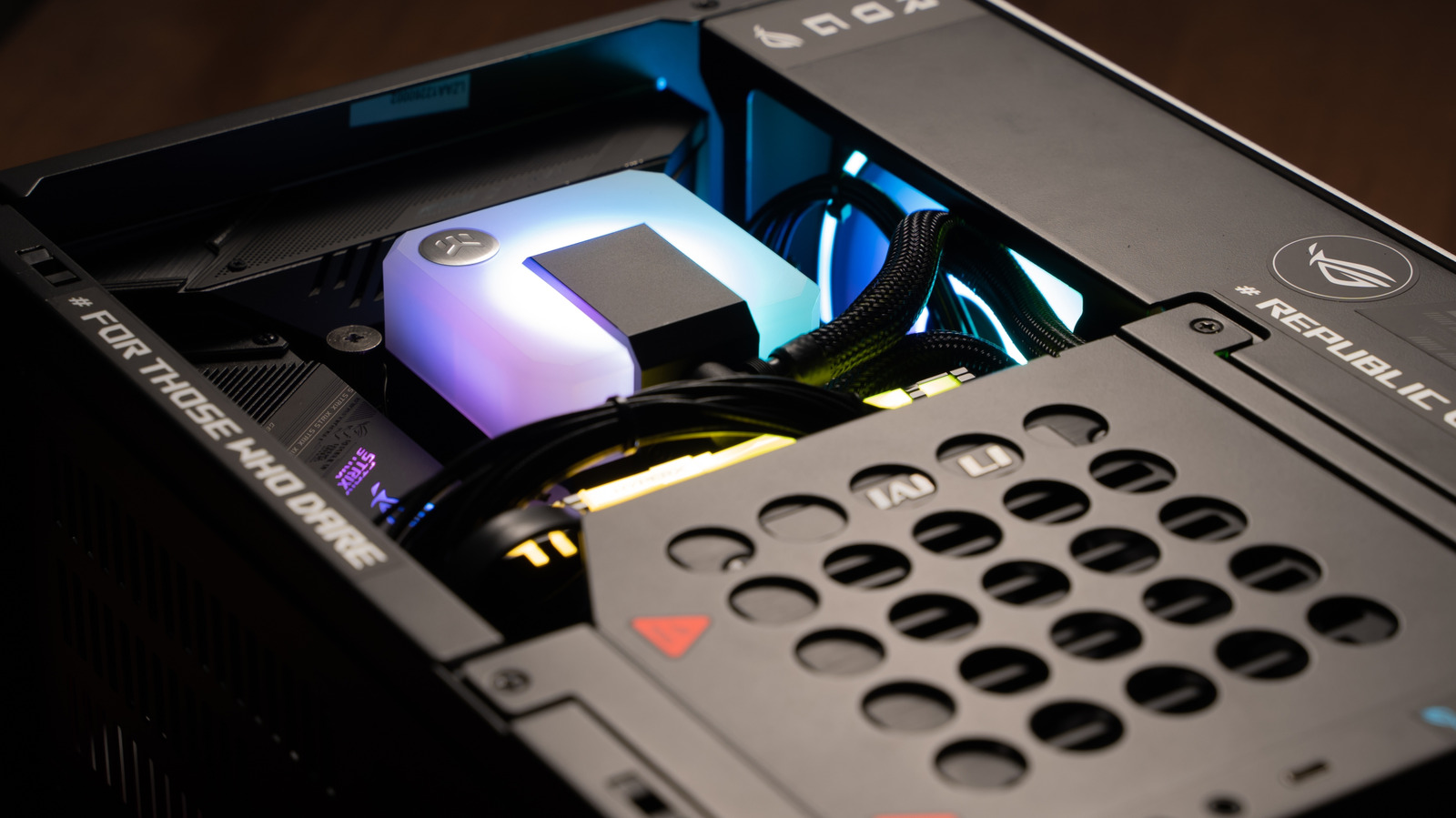
What began as a niche corner of enthusiast forums transformed into a mainstream movement. Social media feeds flooded with mesmerizing photos of neatly wired, water-cooled mini ITX builds glowing on wooden desks. Yet, as everyday builders rushed to replicate these setups, they frequently discovered a stark disconnect between the polished aesthetic of finished builds and the grueling, highly technical reality of putting them together.
Supporting Context & Metrics: Navigating the Complexities of Small Form Factor Hardware
Embarking on a mini PC journey requires a fundamental recalibration of how a builder approaches hardware selection, financial budgeting, and physical assembly. The margins for error in an SFF build are measured in millimeters, and ignoring these constraints can result in hundreds of dollars of incompatible or malfunctioning hardware.
1. The Financial Paradox of Miniaturization
A common misconception among first-time builders is that smaller hardware should inherently cost less. After all, less raw material is used to manufacture a Mini-ITX motherboard compared to a sprawling E-ATX or standard ATX board.
In practice, the exact opposite is frequently true. Specialized small-form-factor components carry an "SFF tax." Because these parts require dense circuit board layouts, custom-engineered power delivery systems, and specialized manufacturing techniques, components like Mini-ITX motherboards, SFX (Small Form Factor) power supplies, and low-profile CPU coolers command a significant price premium. When you factor in the cost of specialized PCIe riser cables—often required to mount a graphics card parallel to the motherboard in sandwich-style cases—the total cost of a mini PC build can easily eclipse that of a standard mid-tower system with identical internal specifications.
2. Thermal Dynamics and Airflow Management
In a standard mid- or full-tower ATX case, thermal management is relatively forgiving. Generous interior volume allows for natural convection currents, multiple intake and exhaust fans, and massive multi-slot GPU coolers to dissipate heat efficiently.
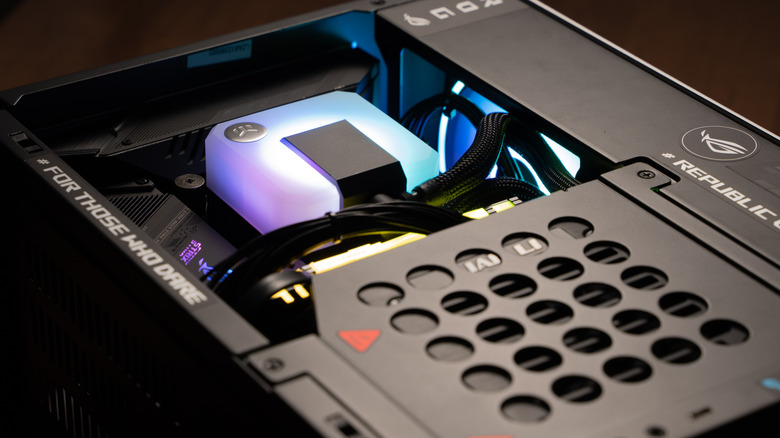
In a mini PC, airflow is an uphill battle. Once a processor, a dedicated graphics card, system memory, storage drives, and a power supply are packed into a 10-to-15-liter enclosure, internal components have virtually no room to breathe. Without carefully planned airflow paths, heat quickly traps within the chassis, leading to thermal throttling—a protective measure where components automatically slow down to reduce temperatures. Managing these thermal loads often forces builders to invest in exotic cooling solutions, such as custom-loop or specialized all-in-one (AIO) liquid coolers designed specifically for tight vertical clearances.
3. Component Compatibility and the Component Hunt
Finding the right internal components for a standard build is largely a matter of ensuring the socket matches the CPU. For an SFF build, compatibility checking is an intricate science. Builders must meticulously cross-reference:
- Maximum GPU Length and Thickness: Many high-end graphics cards are simply too long or too thick (exceeding 2.5 or 3 slots) to fit inside compact cases.
- CPU Cooler Height Clearance: Tower air coolers that fit in mid-towers will slam directly into the side panels of a mini case, forcing builders to choose between low-profile air coolers or specialized liquid cooling blocks.
- Power Supply Form Factor: Standard ATX power supplies are usually too bulky; builders must source SFX or SFX-L power supplies, which also dictate cable management constraints due to their shorter, stiffer factory cables.
Tools like PCPartPicker have become essential lifelines for the SFF community, helping builders vet dimensions, but unexpected clearance conflicts—such as a RAM stick blocking a radiator fan—remain a persistent hazard.
4. The Choreography of Assembly
Perhaps the most jarring surprise for builders transitioning from standard towers to mini PCs is the physical assembly process itself.
A standard ATX build is modular and forgiving; you can install the power supply first, mount the motherboard later, and plug in cables whenever it is convenient. A mini PC build, by contrast, demands a strict, rigid choreography. Because access to interior headers and screws is severely restricted once the chassis is partially assembled, builders must follow a precise sequence.
Typically, components must be installed outside the case onto the bare motherboard, cables must be pre-routed into tight channels before the motherboard is dropped into the chassis, and large components like the graphics card or power supply must be slotted in at exact moments. A missed screw or forgotten front-panel audio header can force a complete disassembly of the machine—a tedious and exhausting endeavor when working with razor-sharp metal edges and cramped internal cavities.
Official Insights & Industry Perspectives
Hardware manufacturers and seasoned system integrators have increasingly acknowledged the unique friction points associated with small form factor computing. While consumer demand for portable, high-performance workstations is at an all-time high, industry engineers emphasize that physics cannot be easily negotiated.
"The engineering challenge of SFF isn’t just about making things smaller; it’s about maintaining structural integrity, electrical stability, and acoustic performance under extreme thermal density," notes a lead product developer for a prominent PC chassis manufacturer. "When you compress a 600-watt heating system into a shoebox-sized volume, every millimeter of airflow design and cable routing matters. It transforms building a computer from an afternoon hobby into a meticulous engineering project."
Similarly, technical support channels across major hardware retailers report a disproportionately high rate of return and troubleshooting inquiries related to amateur SFF builds. Common user errors include purchasing incompatible power supplies, underestimating the rigidity of stiff custom power cables, and failing to account for the clearance required by PCIe riser assemblies. Industry experts stress that while the end result—a sleek, portable powerhouse—is deeply rewarding, prospective builders must approach the project with a high degree of patience, research, and technical preparedness.
Future Outlook: Where is Small Form Factor Computing Headed?
As the PC hardware landscape continues to innovate, the future of mini PC building hangs in a fascinating balance between aggressive miniaturization and demanding power requirements.
On one hand, the latest generations of graphics cards and processors are demanding more power and generating more heat than ever before. Flagship GPUs routinely pull over 450 watts under full load, creating immense thermal hurdles for compact cases. Maintaining silent, cool operation in a 10-liter enclosure while housing bleeding-edge hardware pushes modern engineering to its absolute limits.
On the other hand, component manufacturers are actively developing solutions to streamline the SFF building experience. Emerging standards, such as back-connect motherboards (where power connectors are hidden on the rear of the board) and standardized modular power distribution frameworks, aim to dramatically reduce cable clutter and simplify the assembly process. Furthermore, advancements in vapor-chamber cooling technology and ultra-efficient silicon architectures promise to deliver higher performance-per-watt ratios, making high-end SFF builds more thermally viable for the average consumer.
For those willing to embrace the challenge, building a mini PC remains one of the most gratifying projects in the tech space. It tests a builder’s patience, demands meticulous planning, and requires a respect for engineering constraints that standard towers simply do not demand. However, for anyone considering diving into the world of compact computing for the first time, the golden rule remains unchanged: measure twice, buy once, and prepare for an intricate battle of space, heat, and design.