Executive Overview
In a seismic shift that reshapes the landscape of modern media and streaming technology, Fox Corporation has officially finalized its blockbuster $22 billion acquisition of Roku. Announced initially in June, the lightning-fast, five-month regulatory approval process cleared the final hurdle under the Trump Department of Justice, culminating in a merger that binds one of America’s most influential conservative television networks with the nation’s most dominant streaming platform distributor.
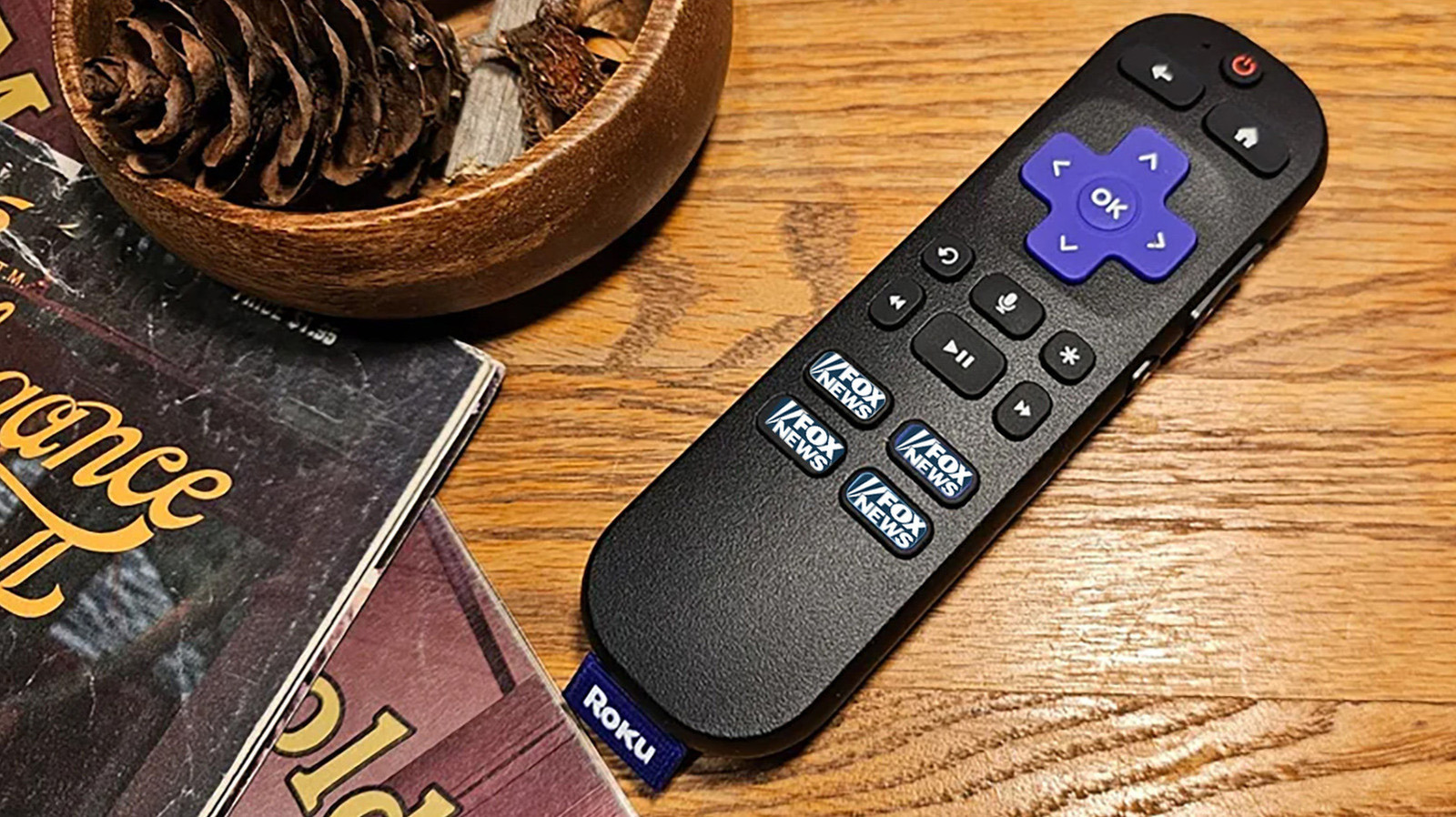
For Roku’s more than 100 million active households worldwide, the deal represents a pivotal turning point. Roku has long functioned as the neutral, ubiquitous operating system and hardware gateway bridging traditional television sets with subscription giants like Netflix, Disney+, and YouTube TV. Now, that foundational home screen infrastructure belongs to Fox Corporation—an entity famous for its dominant, right-leaning news and entertainment portfolio, including Fox News, Fox Sports, and the free ad-supported streaming television (FAST) service Tubi.
While corporate executives at Fox insist that Roku will remain an "open platform" for all current and future content partners, media watchdogs, tech analysts, and consumer advocates are sounding alarms. The acquisition raises profound questions regarding algorithmic curation, the promotion of political commentary, the monetization of connected TV (CTV) real estate, and the future of neutral gatekeeping in the living room. As traditional cable subscriptions continue their secular decline, Fox has effectively secured the master keys to the digital front door of millions of American households.
Detailed Chronology: From Rumor to Reality
The trajectory of the Fox-Roku merger stands out in corporate history not merely for its staggering $22 billion price tag, but for the astonishing velocity with which it moved from boardroom negotiations to regulatory clearance and final execution.
June: The Initial Announcement
The corporate world was sent into a tailspin in June when Fox Corporation formally announced its intent to acquire Roku for $22 billion. At the time, media analysts scrambled to assess the strategic rationale. Fox, traditionally anchored in linear cable networks, had been aggressively seeking a direct-to-consumer digital lifeline to offset declining cable bundle subscriptions ("cord-cutting"). Meanwhile, Roku had spent nearly two decades building a dominant market share in the smart TV operating system space, acting as a hardware-agnostic intermediary between consumers and content creators.
The Five-Month Regulatory Sprint
Mergers of this magnitude—particularly those involving massive data-harvesting advertising platforms and influential partisan news media—typically undergo grueling, multi-year antitrust reviews by federal regulators. However, the Trump Justice Department’s antitrust division cleared the transaction in an unusually swift five-month turnaround. The rapid greenlight bypassed the protracted scrutiny that usually accompanies vertical integration deals where a content creator absorbs a primary distribution pipeline.
November: Closing the Deal
By early November, all legal and operational prerequisites were satisfied, and Fox Corporation officially completed the acquisition. The swift closure immediately integrated Roku into Fox’s corporate ecosystem, setting off immediate strategic restructuring. Most notably, Roku founder Anthony Wood was appointed to Fox’s board of directors, where he will co-lead a newly minted subsidiary: Fox Digital Platforms. This new division will consolidate oversight of Roku, Tubi, Fox One, and the corporation’s broader portfolio of digital properties.
Supporting Context & Metrics: The State of Play
To fully comprehend the stakes of the Fox-Roku marriage, one must examine the intersection of shifting television viewership patterns, streaming demographics, and the sheer scale of Roku’s footprint.
The Roku Ecosystem
Roku is far more than a hardware manufacturer that sells cheap streaming sticks and Roku-branded smart TVs. It is an operating system juggernaut.
- Global Reach: Roku reaches well over 100 million households globally, predominantly concentrated in North America.
- The Operating System Lead: Roku OS commands a massive share of the connected TV operating system market, outstripping competitors like Amazon Fire TV, Google TV, and Apple TV in many key demographics.
- Monetization Engine: Beyond hardware sales, Roku generates massive revenue streams through its platform business—selling targeted advertising, user acquisition services, and subscription billing bundles for third-party apps.
- The Tubi Connection: Interestingly, the acquisition marks a reunion of sorts. Fox originally owned a significant stake in Roku shares until it sold them off in 2020 to fund its acquisition of Tubi—a FAST service that has since grown into a major profit center and viewership driver for the company.
Shifting Linear and Digital Viewership
The timing of the merger coincides with turbulent waters in cable news ratings and shifting media consumption habits. Recent industry data from October paints a complex picture for the media giant:
- Fox News Ratings Dip: Fox News experienced a 27 percent year-over-year decline in total viewership during October.
- Competitor Gains: Conversely, rival networks saw gains over the same comparative period, with CNN growing its audience by 3 percent and MS NOW (formerly MSNBC) rising by 16 percent.
- The Scale Advantage: Despite Fox News’ double-digit year-over-year dip, its raw audience numbers remain formidable, routinely out-drawing CNN and MS NOW combined.
By acquiring Roku, Fox is no longer solely dependent on the volatile, declining economics of cable television carriage fees. It has successfully anchored its future to the fastest-growing sector of media consumption: connected TV advertising and streaming aggregation.
Official Statements and Corporate Strategy
In the wake of the finalized deal, leadership from both Fox and Roku have gone to great lengths to soothe consumer anxieties and reassure investors about the operational continuity of the platform.
The "Open Platform" Promise
In official press releases and investor calls, Fox executives have repeatedly emphasized that Roku will operate with a high degree of autonomy. The company has explicitly stated that Roku will remain an "open platform" welcoming every existing and prospective content partner. Netflix, Disney+, Paramount+, YouTube, and rival news networks will theoretically continue to enjoy equal access to the Roku interface without punitive technical hurdles or forced bundling.
"Roku has built an exceptional, consumer-first ecosystem that defines how the world watches television," a Fox Corporation spokesperson noted in the official acquisition statement. "Our goal is to provide the capital, technological backing, and strategic scale necessary for Roku to accelerate its global growth, while preserving the core user experience that tens of millions of households rely on every single day."
Anthony Wood’s New Role
The integration of Roku founder Anthony Wood into Fox’s executive leadership structure is designed to signal stability and continuity. By installing Wood as the co-leader of the newly formed Fox Digital Platforms division, Fox is attempting to reassure software engineers, advertisers, and hardware partners that the visionary ethos which built Roku will remain intact. Wood will work alongside legacy Fox executives to steer the combined digital and streaming strategies, bridging traditional broadcast sensibilities with Silicon Valley tech innovation.
Future Outlook: What Does This Mean for Roku Owners?
Despite corporate assurances, consumer advocacy groups, media analysts, and everyday users are looking past the soothing rhetoric to examine the structural incentives created by the merger. When a partisan media powerhouse acquires a hardware-level distribution gatekeeper, the potential for conflicts of interest is immense.
The Real Estate Battle: Home Screen Curation
The core anxiety surrounding the Fox-Roku deal is not about outright censorship—few believe Fox will abruptly ban Netflix or delete rival news apps from the Roku Channel Store. Antitrust and media watchdogs argue that the real power of a connected TV operating system lies in home screen real estate and algorithmic promotion.
The Roku home screen is prime digital digital highway property. Every time a user turns on their television, they are greeted by sponsored carousels, featured app tiles, recommended shows, and targeted video advertisements.
- Will Fox News, Fox Sports, and Tubi receive preferential placement, native app shortcuts, and algorithmic elevation on the Roku home screen?
- Will breaking news alerts from Fox News be pushed directly to Roku device users via system-level notifications?
- How will ad-targeting data be shared between Fox’s vast political media apparatus and Roku’s sophisticated ad-tech platform?
The Political and Cultural Dimension
This acquisition also arrives at a politically sensitive cultural crossroads. Media trust is at an all-time low, and public skepticism regarding corporate media consolidation is pervasive. With Fox Corporation now owning the operating system running on millions of living room televisions across the United States, the infrastructure for targeted messaging, political advertising saturation, and content discovery is unprecedented.
As cord-cutting accelerates and connected TV becomes the primary battleground for political influence and consumer attention, Fox’s $22 billion bet on Roku is much more than a financial transaction. It is a structural recalibration of American media power. Whether Roku remains a genuinely neutral utility or morphs into an optimized funnel for the Fox corporate ecosystem is a question that will unfold on living room screens nationwide in the months and years to come.