Executive Overview: A Season of Unprecedented CSS Evolution
As we transition into the autumn season, the landscape of front-end development is undergoing a seismic shift. The latest updates from the CSS working groups and browser vendors indicate a move away from "hacks" and toward native, performant, and declarative solutions. The eighteenth edition of What’s !important highlights a period of intense innovation where developers are finally being handed the keys to browser-level features that were previously only achievable through complex JavaScript workarounds.
This report summarizes the most critical developments over the past few weeks, ranging from the democratization of syntax highlighting to the granular control now afforded to CSS Grid and Flexbox layouts. The industry is moving toward a philosophy of "Progressive Enhancement by Design," ensuring that as new browser APIs like interest-invokers or the class-prefix selector emerge, the web remains resilient, accessible, and performant for all users.
Detailed Chronology: Key Developments in Web UI
The Evolution of Interaction: Tooltips and Interest Invokers
User experience hinges on the subtleties of timing. Abhishek Jakhar recently sparked a vital conversation regarding tooltip UX, advocating for a "delayed-then-instant" approach. By implementing a deliberate delay before a tooltip appears, developers can prevent the "flicker" effect caused by accidental cursor movement, while an instant disappearance ensures the UI feels responsive when the user navigates away.
Chris Coyier expanded on this by introducing the concept of interest invokers. Supported currently by Chrome, these introduce the CSS properties interest-delay-start and interest-delay-end. These properties represent a shift in how we handle user intent; instead of relying on event listeners, we are moving toward declarative state management for interactive elements. While browser support remains a hurdle, the adoption of these properties serves as a masterclass in modern progressive enhancement.
Navigating the <geolocation> Element
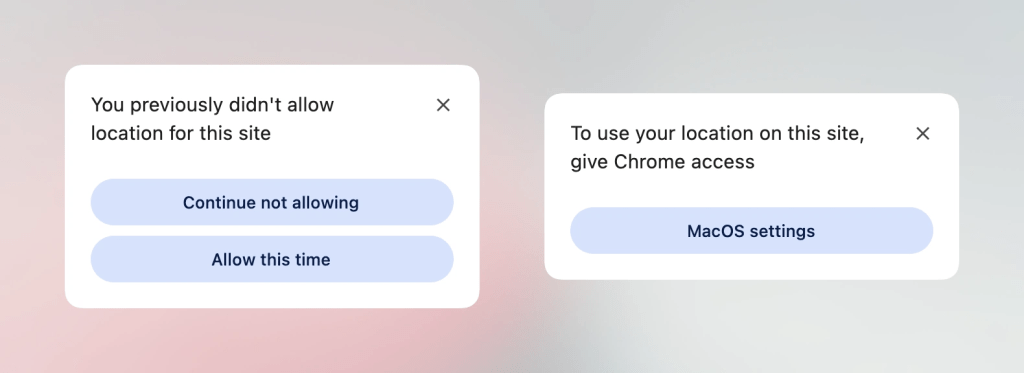
The Geolocation API has historically been one of the most volatile components of the web platform. Dependent on hardware-level permissions—GPS, Wi-Fi triangulation, and cell towers—the API often left developers grappling with inconsistent user permission states. The new <geolocation> element attempts to streamline this, though it introduces new styling constraints that designers must navigate.
By utilizing the <geolocation> element alongside legacy fallbacks, developers can bridge the gap between modern standards and older browser engines, ensuring that location-based features remain functional regardless of the client’s environment.
MicroLighter and the ::highlight() API
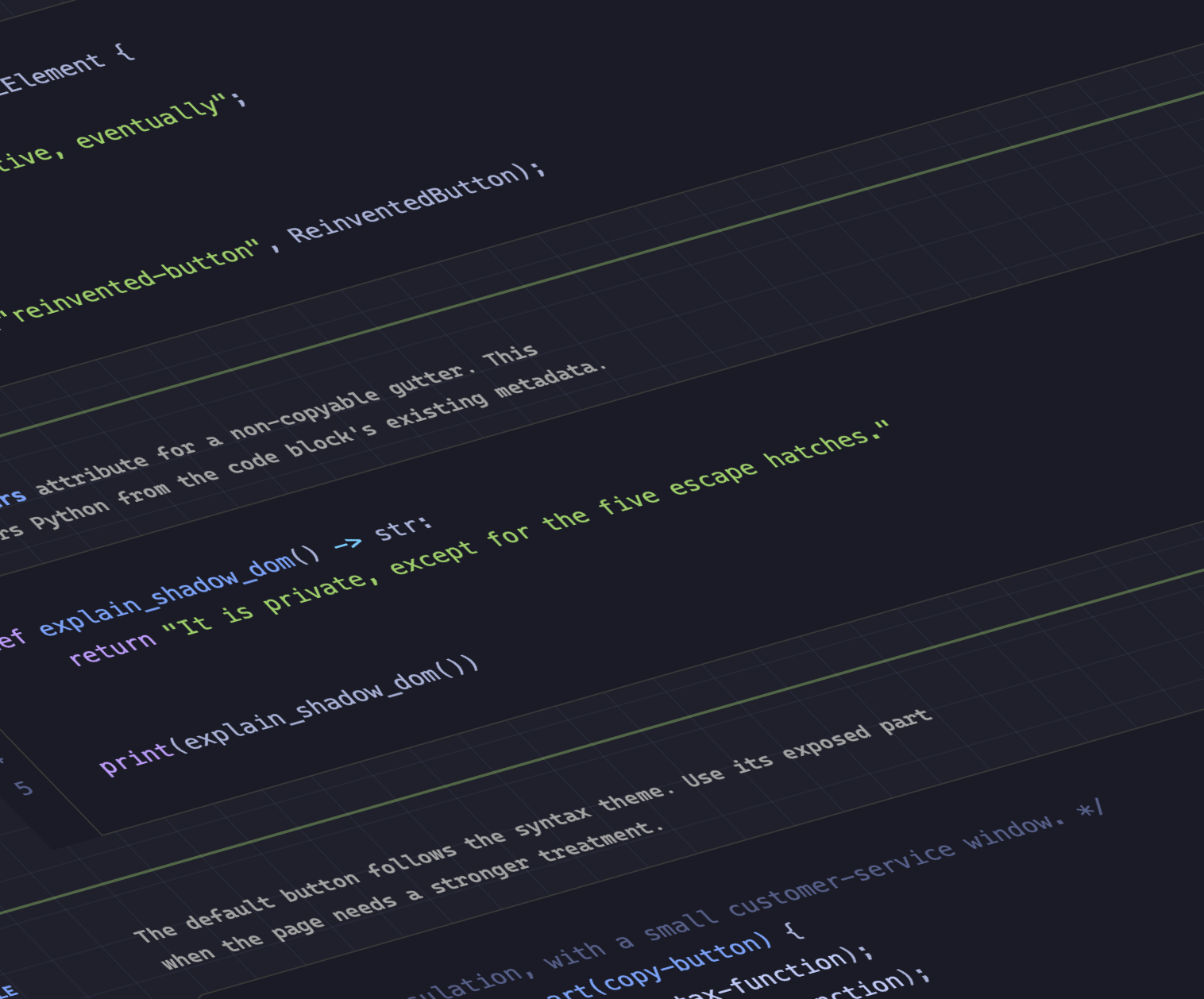
The era of heavy, script-laden syntax highlighters may be drawing to a close. Dave Rupert’s MicroLighter project utilizes the new ::highlight() pseudo-element, enabling high-performance syntax highlighting directly via the browser’s rendering engine. By leveraging the Custom Highlight API, MicroLighter demonstrates that complex visual tasks, which once required heavy DOM manipulation, can now be handled with minimal overhead. This is a significant win for performance-focused developers looking to reduce their JavaScript footprint.
Supporting Context & Metrics: Data-Driven Design
Extracting CSS Grid Metadata
One of the most persistent requests from the CSS community has been the ability to query layout state. Temani Afif has recently demonstrated a breakthrough: the ability to feed CSS Grid information—such as row/column counts and cell coordinates—directly into CSS custom properties.
While this technique currently requires uniform column widths, the implications for responsive design are vast. By mapping grid metadata to variables, developers can calculate "hover proximity" or dynamically adjust child elements based on their exact grid index. This creates a feedback loop between the layout engine and the stylesheet that was previously impossible.
The Dark Mode Dilemma: Two-State vs. Tri-State
The debate regarding dark mode toggles has reached a fever pitch. While Lea Verou argues for a clean, two-state toggle (Light/Dark), Bramus advocates for a tri-state approach (Light/Dark/System). Proponents of the tri-state model argue that users deserve the autonomy to override their system settings without being forced into an "auto" mode.
However, industry sentiment is leaning toward the "auto-until-overridden" approach, as highlighted by Vale.Rocks. This hybrid model respects user preference by default but empowers the user to "lock" their choice, providing the best of both worlds: accessibility and granular control.
Official Insights: The Future of Selectors and Logic
The Potential of the Class Prefix Selector
Bramus has proposed the "class-prefix" selector (.something-*), a feature designed to simplify how we target groups of classes. Currently, developers rely on cumbersome attribute selectors like [class^="something-"], which are not only verbose but carry higher performance costs due to string-matching requirements.
The introduction of a native prefix selector would be a transformative change for utility-first CSS frameworks. It promises cleaner, more maintainable code and faster style recalculations, as the browser could theoretically optimize these lookups much more efficiently than regex-based attribute matching.
named-feature(): Solving the Unsolvable
Perhaps the most technically significant update is the proposed @supports named-feature() function. This tool is designed to allow developers to query specific, niche browser capabilities that fall outside the scope of traditional feature detection.
For example, checking whether a browser correctly applies transforms to elements using anchor positioning is currently a "black box" scenario. named-feature() aims to provide a standardized, readable way to detect these edge cases, effectively turning "impossible to query" features into standard, manageable code branches.
Future Outlook: The Balancing Act of Modern Web Design
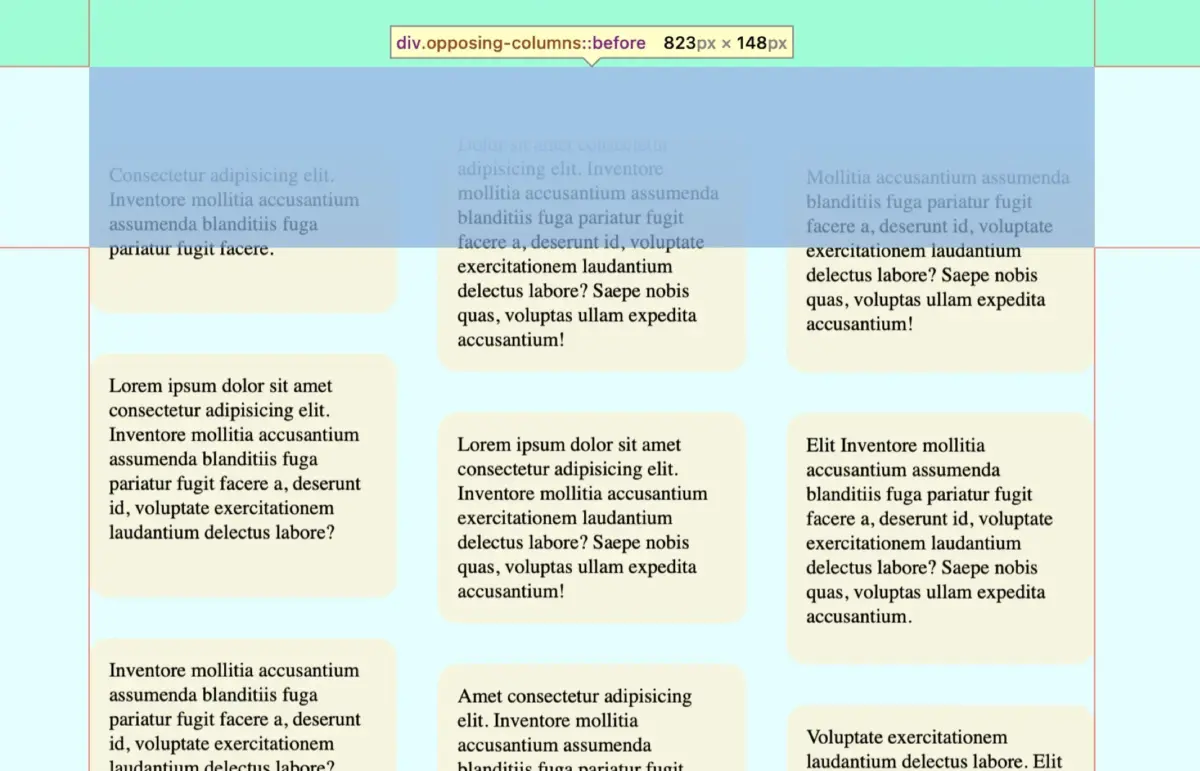
As we look toward the remainder of 2026, the trajectory is clear: the web platform is becoming more expressive. The arrival of flex-wrap: balance in Chrome—a direct evolution of the text-wrap: balance logic—is a testament to this trend. Ahmad Shadeed’s analysis of this feature confirms that we are finally seeing the "beautification" of layout. By balancing items across rows or columns, developers can avoid the awkward, ragged edges that often plague flex-based interfaces.
Challenges and Opportunities
The primary challenge facing the development community remains the fragmentation of browser implementation. While features like named-feature() and interest-invokers offer incredible power, they require a disciplined approach to progressive enhancement. We are entering an era where "writing CSS" is no longer just about aesthetics; it is about architectural logic.
Concluding Thoughts
The developments of the last few weeks prove that the web is not a static document format, but a living, breathing application engine. The move toward declarative logic—using grid coordinates in custom properties, leveraging pseudo-elements for highlighting, and standardizing interaction states—positions developers to build faster, more robust, and more accessible experiences.
As autumn settles in, our focus should remain on the balance between adopting these cutting-edge features and maintaining the integrity of our existing user base. The tools are here; the challenge now lies in how we weave them into the fabric of the modern web. The future of CSS is not just bright—it is becoming profoundly intelligent.
Key takeaways for the coming quarter:
- Performance: Move syntax highlighting to
::highlight()to reduce Main Thread load. - UX: Implement
interest-delaystrategies to refine tooltip interactions. - Architecture: Begin prototyping with custom properties derived from grid metadata.
- Resilience: Prioritize
@supportsqueries using the upcomingnamed-featuresyntax to ensure future-proof codebases.