Executive Overview
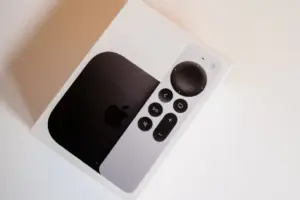
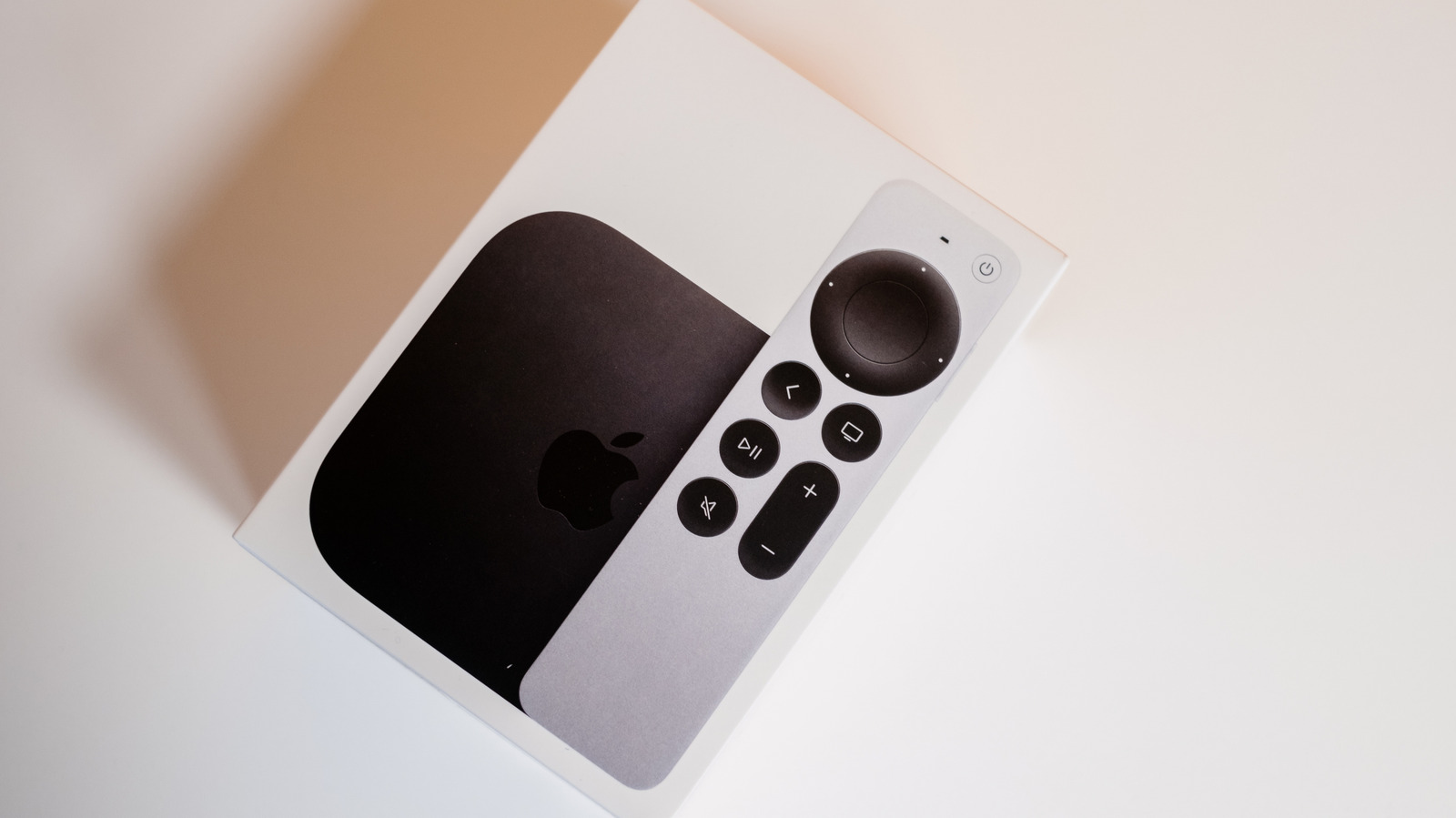
For consumers investing in the home entertainment ecosystem, hardware longevity is a critical purchasing metric. When dropping $299 on a premium streaming media player like the newly announced Apple TV 4K—slated for release on November 13 with a robust A19 chip, an updated Siri Remote, and advanced hands-free Siri controls—buyers are rightfully asking: How many years can this device realistically last before it becomes obsolete?
Unlike competitors such as Amazon, which explicitly commit to a minimum four-year window of security updates for Fire TV devices purchased directly from the company, Apple offers no official guarantees or hard timelines regarding software support for tvOS. There is no publicly available roadmap outlining the exact lifecycle of an Apple TV.
However, looking backward reveals a remarkably consistent corporate track record. Historically, Apple provides major software updates to its streaming boxes for roughly eight to ten years, followed by intermittent security patches. While this impressive history provides significant peace of mind, the arrival of tvOS 27 marks a definitive generational cutoff, rendering older hardware ineligible for the latest operating system features. This analytical report examines Apple’s historical update support, evaluates when an Apple TV actually reaches the end of its useful life, and weighs whether the high price tag of the newest hardware justifies an immediate upgrade.
Detailed Chronology: A History of Apple TV Software Support
To understand how long a modern Apple TV will remain supported, one must analyze the lifecycle of its predecessors. Apple’s long-term software commitment is arguably the best in the consumer streaming industry, though it operates entirely on an unwritten, unpromised schedule.
The Longevity of the Apple TV HD and First-Generation 4K
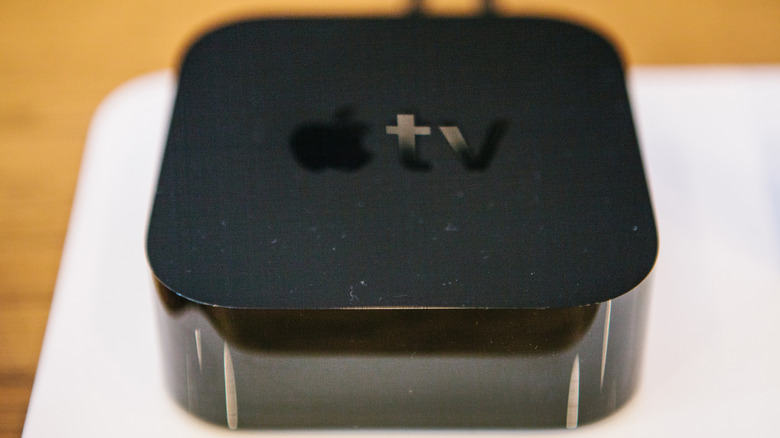
Consider the trajectory of two foundational devices: the Apple TV HD, introduced in 2015, and the first-generation Apple TV 4K, released in 2017. Despite their advanced age in tech years, both devices continued to receive major operating system upgrades well into the mid-2020s.
Astonishingly, both the 2015 HD model and the 2017 4K model were updated to tvOS 26 in 2025. Furthermore, Apple continued to push security patches to these legacy units, rolling out tvOS 26.6 as recently as July 2026. This equates to:
- Approximately 10 years of major software updates for the Apple TV HD.
- Approximately 8 years of major software updates for the original Apple TV 4K.
This extended software pipeline far exceeds the typical lifespan of competing streaming hardware, turning what is normally a rapidly depreciating consumer electronics purchase into a decade-long investment.
The Generational Cutoff: tvOS 27
All good things must eventually come to an end, and September 2026 marked a watershed moment for legacy Apple TV hardware. With the rollout of tvOS 27, Apple officially drew a line in the sand.
According to Apple’s official tvOS compatibility guidelines, support for the new operating system now begins exclusively with the second-generation Apple TV 4K released in 2021. Consequently, the 2015 Apple TV HD and the 2017 Apple TV 4K have been left off the compatibility list, meaning they cannot install tvOS 27.
At the time of writing, Apple has not confirmed whether these older boxes will continue to receive critical security patches outside of the main OS branch, or if they have entered an unmaintained twilight zone. This abrupt cutoff underscores the core risk of Apple’s policy: because there are no contractual guarantees, users never truly know when the final software axe will fall until it happens.
Supporting Context & Metrics: Apple vs. Competitors
When evaluating value, the initial $299 price tag of the latest Apple TV 4K forces buyers to look closely at the competitive landscape. How do other tech giants handle software lifecycles, and what metrics matter most to consumers?
The Amazon Fire TV Baseline
In stark contrast to Apple’s silent, track-record-dependent approach, Amazon provides clear, albeit much shorter, commitments. Amazon explicitly promises at least four years of security updates for Fire TV devices bought new directly from the company (or through the model’s published support date, whichever is later).
While an update guarantee of "at least four years" provides peace of mind and puts a minimum deadline in writing, it pales in comparison to Apple’s eight-to-ten-year actual support window. However, Amazon’s transparency stands as a rare consumer-friendly policy in a notoriously opaque product category.
Hardware Performance vs. Software Support
A common misconception among consumers is that losing software update eligibility transforms a streaming box into an expensive, useless paperweight. In reality, hardware life and software life are two distinct metrics.
Take Netflix, for example. The streaming giant continues to actively support the Apple TV HD and the first-generation Apple TV 4K, even though neither device can upgrade to tvOS 27. However, this grace period has an expiration date. As third-party app developers steadily raise their minimum software requirements to take advantage of new APIs and optimization tools, older devices eventually lose the ability to download, install, or update essential applications.
The Ecosystem Cost
At $299, the fourth-generation Apple TV 4K requires a significant financial commitment. This pricing strategy makes consumers much more cautious about upgrading, particularly when features overlap.
For instance, Apple’s upcoming Siri AI beta will roll out to the second-generation Apple TV 4K and newer models—provided the designated home administrator owns an Apple Intelligence-compatible iPhone or iPad. This means users sitting on a 2021 or 2022 model do not need to purchase the 2026 flagship just to access advanced AI capabilities. The 2026 iteration offers distinct hardware advantages—such as the blazing-fast A19 processor and built-in microphones for true hands-free control—but these upgrades are evolutionary rather than revolutionary for users content with their current setups.
Official Perspectives and Ecosystem Realities
Apple’s official stance on hardware longevity has always been intentionally conservative. By refusing to publish a formal support timeline, Cupertino retains total flexibility, avoiding the public relations fallout that occurs when software roadmaps face delays or premature cancellations.
When Should You Actually Replace Your Apple TV?
Rather than fixating on chronological age or whether your device made the latest tvOS cut, tech analysts recommend evaluating your Apple TV through three practical lenses:
- Performance Degradation: If navigation menus begin to stutter, apps persistently crash due to memory constraints, or loading times become frustratingly slow, it is time to upgrade.
- App and Service Compatibility: If your most-used streaming applications drop support for your operating system version, your hardware’s practical utility has expired.
- Smart Home Security: The Apple TV frequently serves as a foundational HomeKit or Matter smart home hub. If your device is no longer receiving security patches, running it on your home network introduces potential cyber vulnerabilities.
The Siri Remote Dilemma
Hardware replacement is frequently triggered not by internal technological failure, but by peripheral loss or damage. The diminutive Siri Remote is notorious for sliding deep into sofa cushions, getting lost, or sustaining accidental drops on hard flooring.
Consumers should note that replacing a lost or broken remote does not require purchasing a brand-new $299 streaming box. Users can easily utilize an iPhone or iPad as a fully functional virtual Apple TV remote via the Control Center. Alternatively, standalone replacements for Apple’s latest Siri Remote retail for $59 and are universally backward-compatible with all Apple TV 4K models, as well as the legacy 2015 Apple TV HD.
Future Outlook: What to Expect from Future Apple TV Lifecycles
Looking ahead, the market for streaming media players is shifting toward ambient computing, localized AI processing, and deeper smart home integration. As Apple weaves features like Apple Intelligence and spatial audio integration deeper into tvOS, the processing demands on future hardware will inevitably rise.
Given the inclusion of the advanced A19 chip in the 2026 Apple TV 4K, Apple is clearly future-proofing its flagship device for heavy machine learning and local AI workloads. While this justifies the higher price tag to some extent, it also suggests that older chips (such as those found in the 2021 and 2022 models) may reach their AI processing limits long before their video-streaming capabilities fail.
Summary Recommendations for Buyers
- If you own a 2nd or 3rd-generation Apple TV 4K (2021/2022): Unless you desperately need hands-free Siri controls via built-in microphones or raw A19 performance gains, you can safely skip the 2026 model. Your device will continue to receive operating system updates and support Apple Intelligence features via your paired iPhone or iPad.
- If you own a 2015 HD or 2017 4K model: You have received incredible value from your hardware—likely spanning eight to ten years. While Netflix and other services still function today, the lack of tvOS 27 support means app obsolescence is on the horizon. An upgrade is well-justified.
- If you are buying new: Expect a long, reliable run. While Apple won’t put it in writing, historical precedent strongly suggests that a new Apple TV 4K purchase today will likely net you roughly a decade of major operating system updates and long-term ecosystem support.