Executive Overview
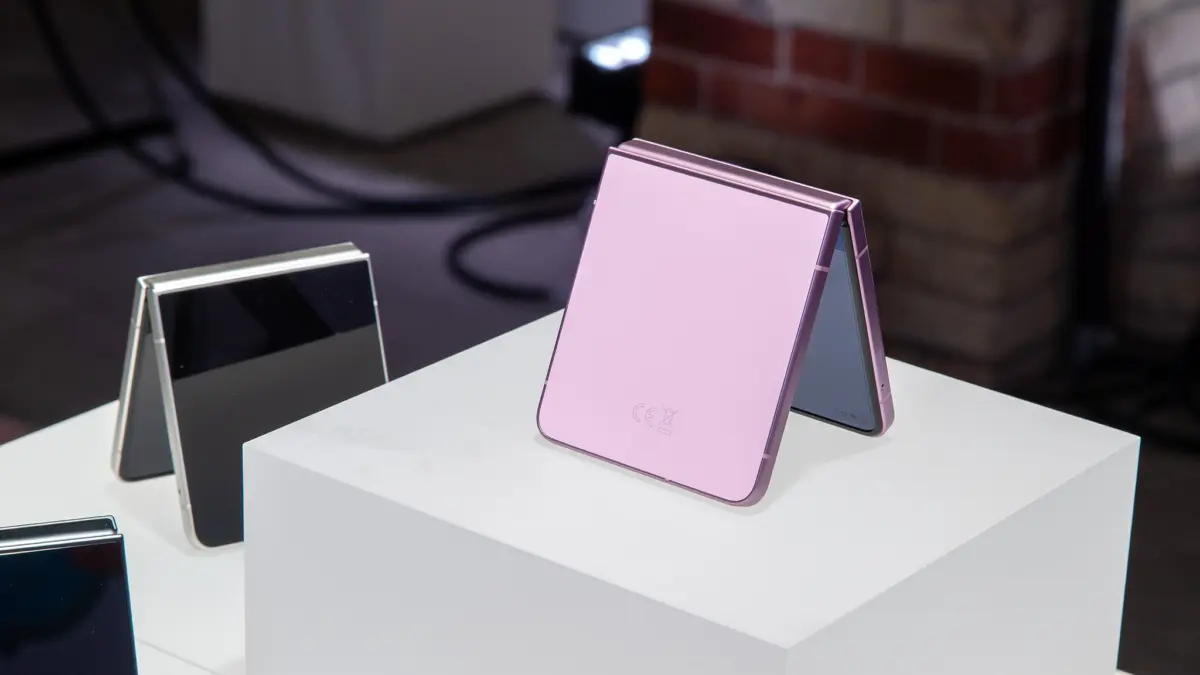
The North American foldable smartphone landscape has narrowed into a high-stakes arena dominated by two primary contenders: Samsung and Motorola. For years, Samsung enjoyed an uncontested reign at the top of the foldable hierarchy, steadily iterating on its hardware while its competitors played catch-up. However, the release of the Samsung Galaxy Z Fold 8 and its formidable sibling, the Galaxy Z Fold 8 Ultra, arrives at a time when the competition is fiercer than ever.
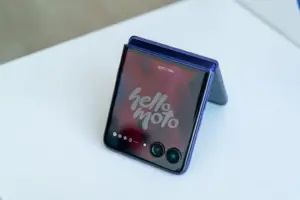
To determine whether Samsung’s latest dual-device strategy truly secures its position at the pinnacle of mobile photography, a rigorous, real-world testing regimen was initiated. Over the course of thousands of shutter clicks and rigorous field tests across diverse lighting environments, urban landscapes, and high-contrast scenarios, the Galaxy Z Fold 8 and Z Fold 8 Ultra were pitted not only against each other, but also against two of Motorola’s most compelling entries: the Motorola Razr Ultra 2026 and the Motorola Razr Fold.
The findings challenge conventional wisdom. While Samsung’s hardware prowess remains undeniable—particularly in the ultra-high-resolution sensors of the Ultra tier—the results reveal unexpected vulnerabilities. Motorola’s aggressive computational photography, superior low-light handling in select form factors, and sophisticated AI-driven zoom processing pose a genuine threat to Samsung’s dominance. This comprehensive report breaks down the hardware disparities, real-world performance metrics, and ultimate verdicts across Samsung and Motorola’s flagship folding lineups.
Detailed Chronology of the Testing Methodology
To provide an authoritative and unbiased evaluation of the Galaxy Z Fold 8 series, a strict testing framework was established immediately following the devices’ commercial launch on July 22. Juggling four distinct flagship foldables simultaneously is an exercise in meticulous logistical management. The goal was to eliminate variables as much as possible, ensuring that every comparative frame captured the exact same scene under identical environmental conditions.
The Rigors of Multi-Device Field Testing
Testing four complex folding devices side-by-side required strict operational discipline:
- Point-and-Shoot Consistency: To evaluate the raw algorithmic and sensor capabilities of each phone without user bias, all manual configurations were bypassed. Shutterbugs did not tap the viewfinder to manually adjust exposure, shift focus points, or alter white balance. Every photograph was captured as a pure point-and-shoot operation.
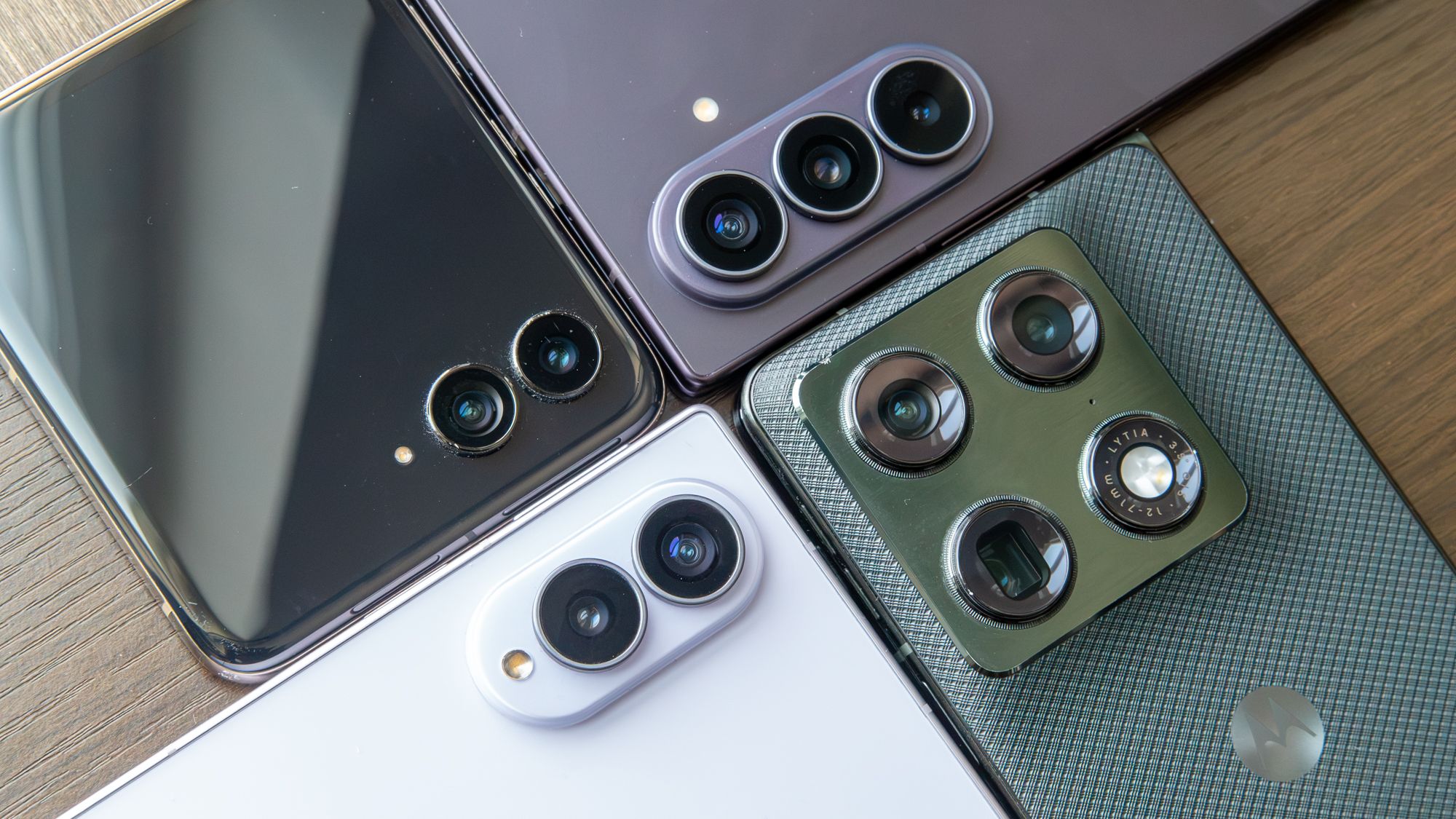
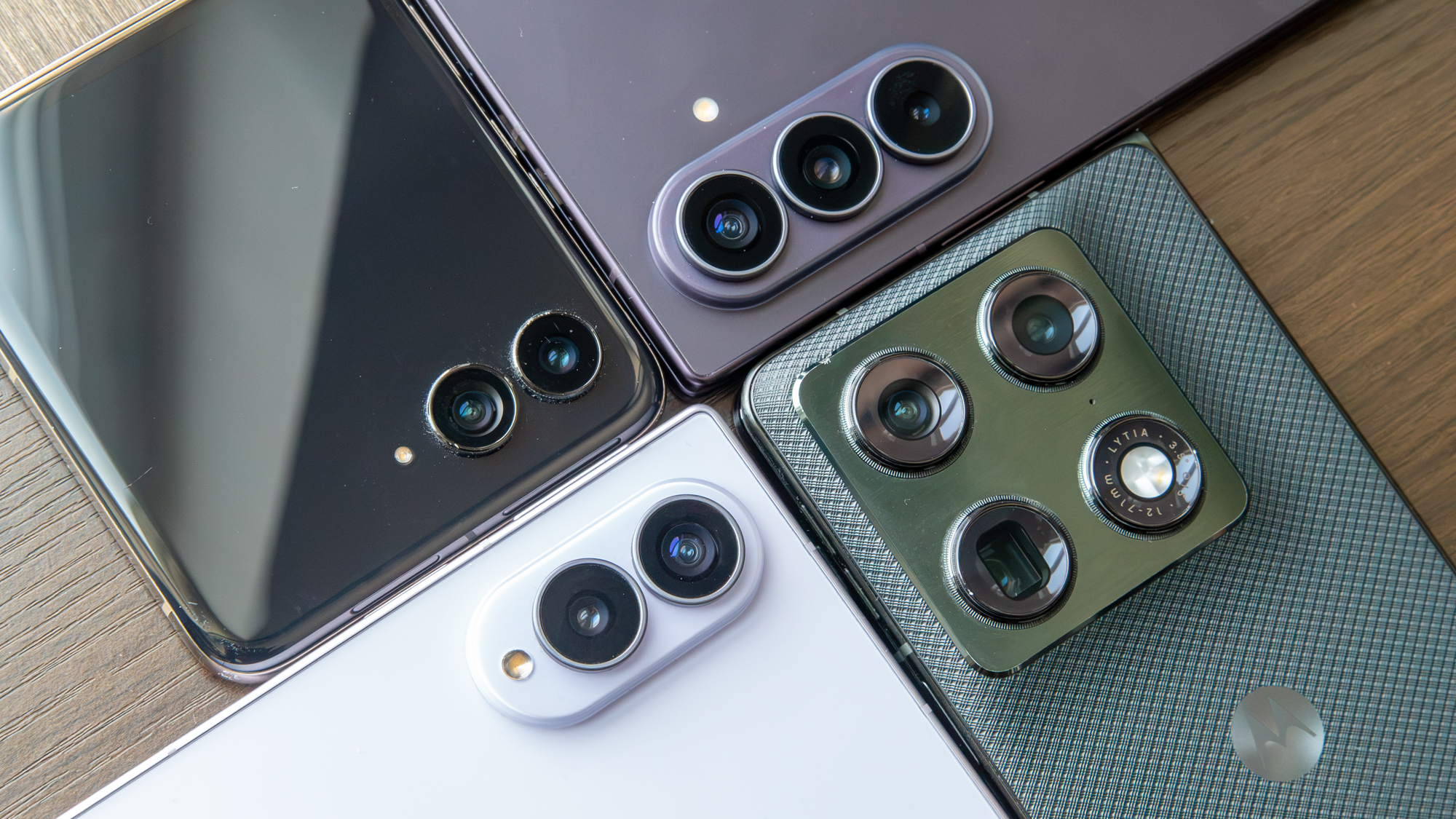
- Compositional Parity: Across multiple urban environments, parks, and low-light alleyways, physical steps were taken to align the camera modules of the Galaxy Z Fold 8, Fold 8 Ultra, Razr Ultra 2026, and Razr Fold to ensure matching focal perspectives and framing.
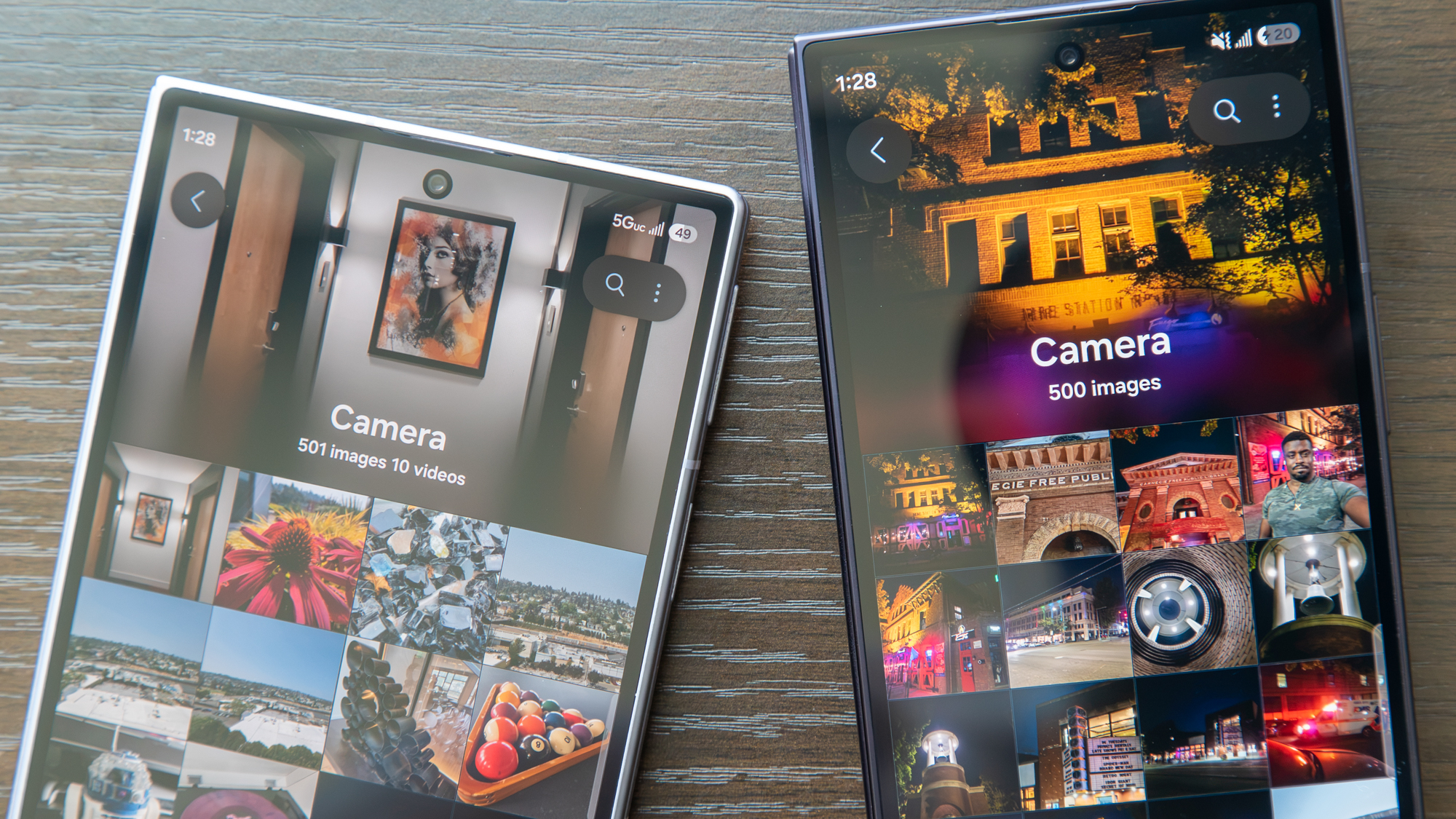
- The Scale of the Dataset: Over a multi-week evaluation period, a staggering cumulative total of 1,000 photos were captured across the Samsung Galaxy Z Fold 8 and Fold 8 Ultra alone, with an equivalent volume dedicated to the Motorola comparison units. From this exhaustive repository, representative image sets were curated to highlight specific imaging strengths and systemic weaknesses.
Supporting Context & Metrics: Hardware Disparities and Real-World Performance
The chasm between standard and "Ultra" branding within Samsung’s own ecosystem has never been more pronounced than in the Galaxy Z Fold 8 generation.
Samsung Galaxy Z Fold 8 vs. Galaxy Z Fold 8 Ultra
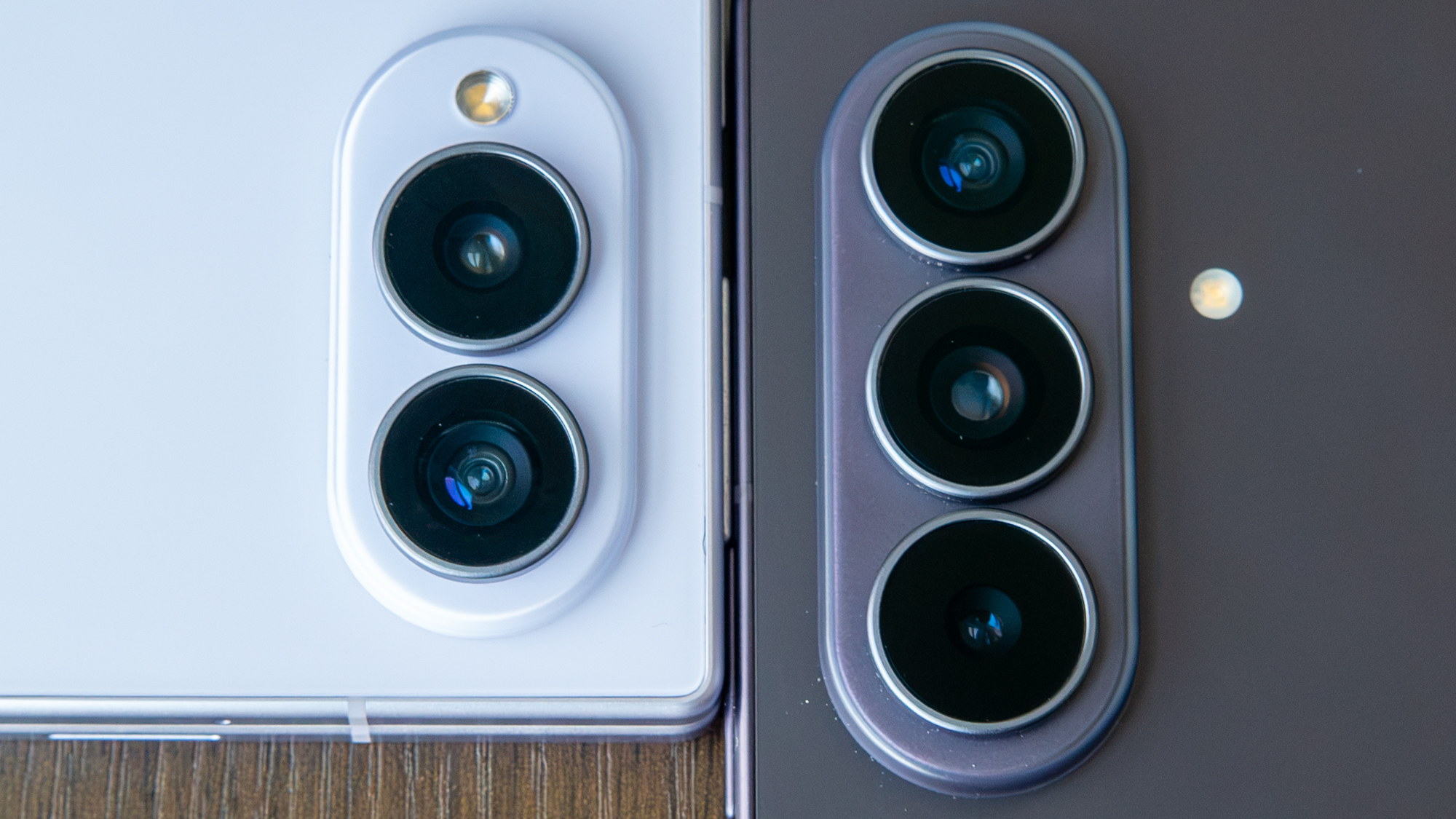
The base Galaxy Z Fold 8 relies on a more conservative dual 50-megapixel camera configuration for its primary and ultrawide duties. By contrast, the Galaxy Z Fold 8 Ultra commands attention with a colossal 200-megapixel primary sensor accompanied by a dedicated, high-tier telephoto module.
- Detail and Dynamic Range: The hardware disparity translates directly to the viewfinder. The Fold 8 Ultra consistently delivers images packed with dense, razor-sharp detail. Meanwhile, the standard Fold 8 leans toward a softer overall aesthetic.
- Color Science and Saturation: Color reproduction exhibits a distinct split personality between the two Samsung foldables. The Ultra produces punchy, vibrant hues—though it occasionally pushes saturation past natural limits, particularly when rendering reds and deep blues. Conversely, the standard Fold 8 defaults to a more subdued, muted color profile. Interestingly, this dynamic inverts when shifting to the ultrawide lenses: the base Fold 8 delivers a more visually striking punch with its ultrawide sensor compared to the Ultra’s counterpart.
- Skin Tones and Portraits: Both handsets perform adequately with human subjects, yet both continue to exhibit minor shortcomings in accurately tuning diverse skin tones without applying excessive smoothing or artificial warmth.
The Zoom Battleground
When examining telephoto and long-range capabilities, the Ultra tier naturally possesses a massive mechanical advantage. The standard Galaxy Z Fold 8 handles 2x magnification reasonably well via sensor-crop optical quality, but pushing beyond that threshold introduces noticeable degradation. While Samsung’s on-device AI attempts to reconstruct missing data at higher zoom levels—occasionally rendering text sharper than the Ultra’s purely optical output—the consistency is simply not there.
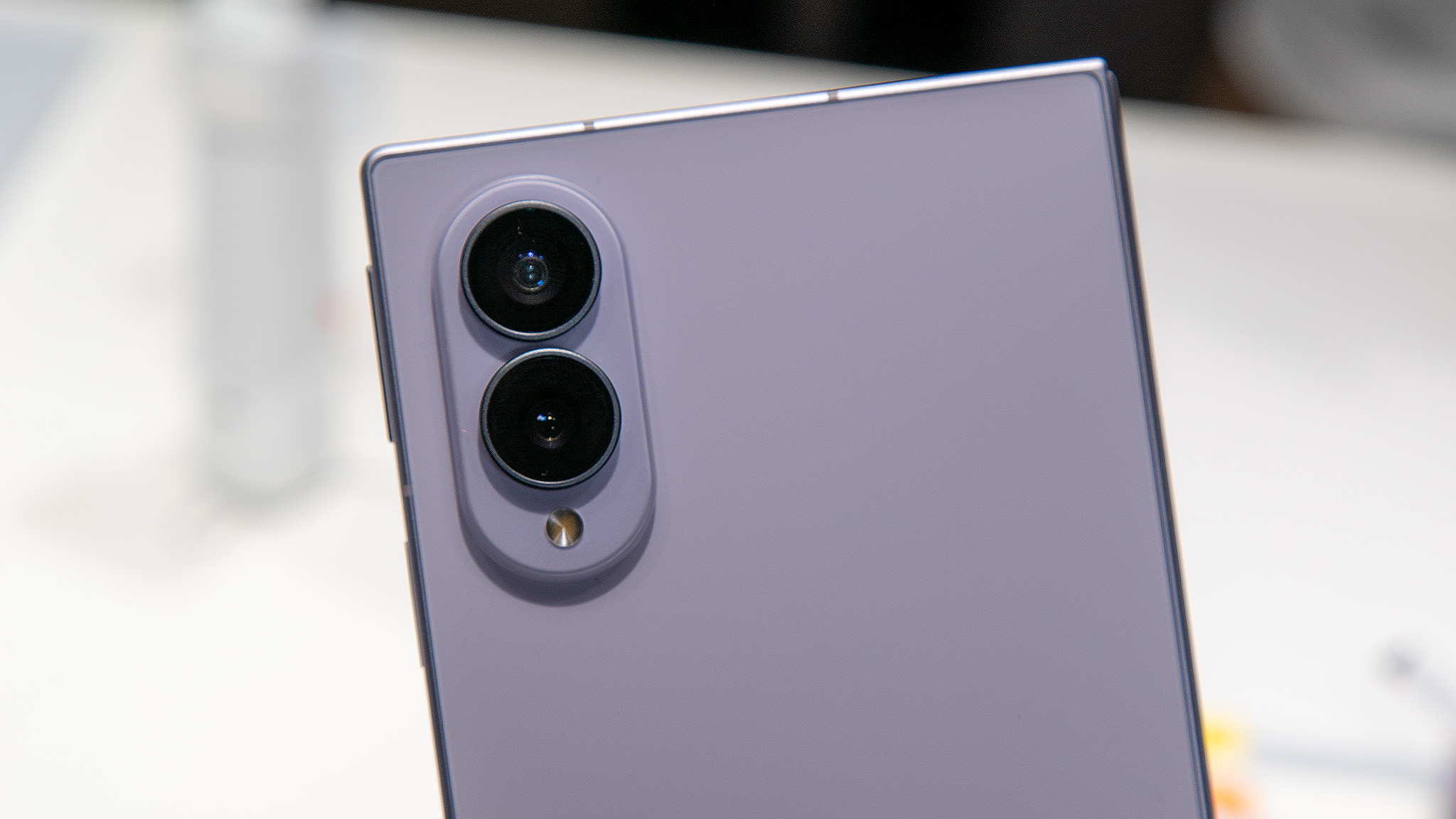
The Galaxy Z Fold 8 Ultra commands a clear victory in the mid-to-long-range zoom category, keeping images cleaner and significantly more detailed up to its 30x ceiling. However, as subsequent comparisons reveal, software-assisted zoom is a domain where Samsung faces severe competition from unexpected quarters.
Comparative Analysis: Samsung vs. Motorola
Samsung Galaxy Z Fold 8 vs. Motorola Razr Ultra 2026
Both the standard Galaxy Z Fold 8 and the Motorola Razr Ultra 2026 feature dual 50-megapixel setups for their primary and ultrawide lenses, yet their processing philosophies diverge sharply.
- Fidelity to Reality: The Razr Ultra 2026 excels at maintaining authentic color science that stays remarkably true to the physical scene. Natural elements, such as cloud formations and atmospheric lighting, gain dramatic depth through intelligent contrast enhancement. The Fold 8’s output feels comparatively flat.
- Challenging Lighting: Motorola’s computational engine handles tricky nocturnal lighting with remarkable agility, brightening shadowed subjects without blowing out highlights or introducing egregious amounts of luminance noise. However, Motorola’s unit demonstrated a distinct vulnerability to aggressive lens flare when capturing frames directly beneath harsh, unshielded street lamps.
- Selfies and Portraits: Samsung retains the crown for external cover-screen selfies, offering superior clarity and texture retention compared to the Razr Ultra’s sometimes heavy-handed post-processing smoothing. On the flip side, Motorola pulls ahead when rendering bokeh and edge-detection accuracy in dedicated portrait modes.
Samsung Galaxy Z Fold 8 Ultra vs. Motorola Razr Fold
The most fascinating technical clash occurs at the very top of the market: Samsung’s 200MP behemoth, the Galaxy Z Fold 8 Ultra, versus the Motorola Razr Fold.
- Low-Light Dominance: Theoretically, Samsung’s high-resolution sensor should completely eclipse Motorola’s 50MP sensor. In practice, the Razr Fold punches well above its weight class. In low-light environments—such as dimly lit urban alleyways, interior doorways, or complex night scenes—the Razr Fold introduces more ambient light into the frame while actively suppressing noise.
- Motion Handling: Samsung claws back ground when capturing subjects in motion. Motorola’s aggressive post-processing algorithms on the Razr Fold occasionally struggle with moving targets, resulting in motion blur or missed moments that the Fold 8 Ultra captures cleanly.
- The Zoom Discrepancy: The most shocking revelation of the entire testing process involved long-range zoom. While the Fold 8 Ultra and Razr Fold are neck-and-neck at 3x magnification, pushing further reveals Motorola’s superior artificial intelligence pipeline. Beyond conservative ranges, Motorola’s AI successfully reconstructs legible text, cleanly defines distant human figures, and maintains structural integrity up to extreme zoom limits. Samsung’s 30x output on the Fold 8 Ultra, by contrast, yields grainy, heavily artifacted results that feel largely unusable in daily practice.
Future Outlook
The smartphone industry is moving past the era where hardware specifications alone dictate a device’s photographic standing. Computational photography, machine learning, and sensor-software synergy now carry equal weight in defining the consumer experience.

For Samsung, the findings of this exhaustive 1,000-photo evaluation serve as both a validation and a warning. The Galaxy Z Fold 8 Ultra remains a premier imaging tool within the folding category, producing vibrant, highly detailed primary captures that satisfy casual and enthusiast photographers alike. Yet, its weaknesses—particularly in long-range zoom consistency and low-light calibration relative to its massive sensor size—demonstrate that supremacy is no longer guaranteed.
Meanwhile, Motorola has proven that its engineering teams can trade blows with the industry titan, offering exceptional low-light recovery, highly accurate color science, and remarkably potent AI-driven zoom capabilities in its foldable iterations.

As software updates roll out over the coming product lifecycle, Samsung will need to refine its image processing algorithms, re-evaluate its high-zoom sharpening routines, and improve skin-tone calibration to maintain its competitive edge. For consumers, this intense rivalry is the ultimate victory: foldable smartphones are finally shedding their reputation as camera-compromised novelties, evolving into legitimate, high-performance photographic powerhouses.