Executive Overview
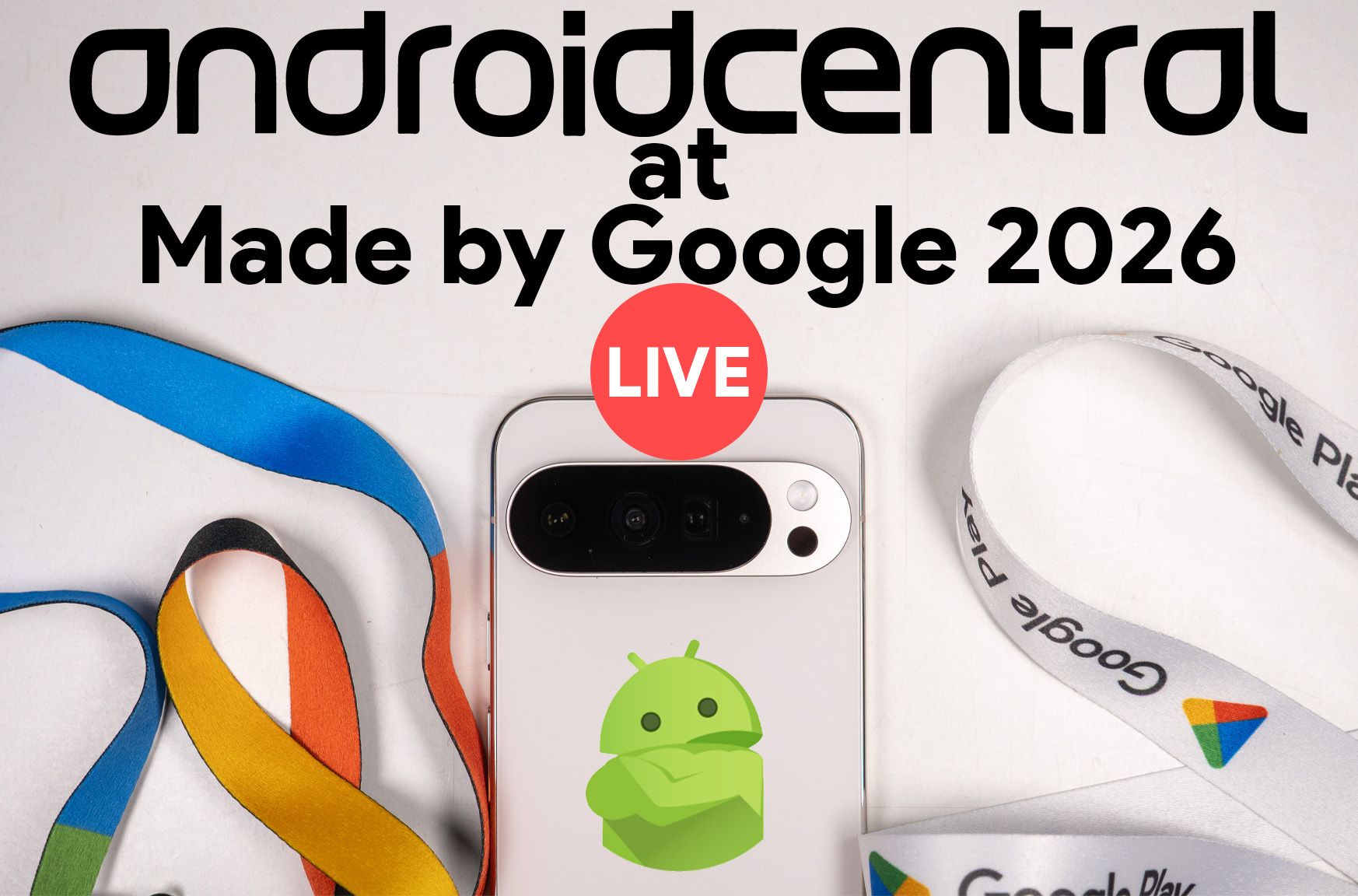
The technology industry stands on the precipice of a seismic shift, and Google is once again positioning itself at the vanguard of consumer hardware and software integration. The annual Made by Google event is officially upon us, promising a watershed moment for the company’s ecosystem. Scheduled for Wednesday, August 12, at 3 p.m. PT / 6 p.m. EDT, this year’s showcase is more than just a routine hardware refresh; it represents the maturation of Google’s long-term vision to pivot Android from a conventional operating system into a proactive "intelligence system."
Anticipation is reaching a fever pitch across the tech community. Industry observers and consumers alike are tracking an extensive lineup of expected hardware releases, headlined by the flagship Pixel 11 series. This year’s hardware rollout is anticipated to include a diverse array of smartphones, a highly anticipated new foldable device—the Pixel 11 Pro Fold—and the next-generation Pixel Watch 5, alongside potential surprise ecosystem additions.
True to Google’s tradition of blending high-end consumer tech with mainstream pop culture, the star-studded keynote will be hosted by comedian and television icon Trevor Noah. It will feature guest appearances and digital showcases from global cultural figures, including NBA superstar Stephen Curry, international cricket icon Shubman Gill, and acclaimed Japanese actress Ayami Nakajo.
Beyond the glitz of the celebrity-filled stage, however, the real story lies beneath the glass and silicon. Building upon the foundational rollouts of Android 17 earlier this year, Google is poised to unveil a suite of advanced artificial intelligence capabilities natively baked into its upcoming hardware. From Gemini-powered screen automation that acts as a virtual personal assistant across unsupported apps, to inventive digital wellness tools and custom-coded home screen widgets, the Pixel 11 series is shaping up to redefine what consumers should expect from a mobile device. Over the next few days, the tech world will be watching closely as Google demonstrates how generative AI and intuitive hardware can finally merge into a seamless daily companion.
Detailed Chronology: The Road to the Pixel 11 and Android 17 Integration
To fully understand the significance of the upcoming Made by Google event, one must examine thebreadcrumb trail Google has laid out over recent months. The journey toward the Pixel 11 ecosystem has been a masterclass in low-key brand reworking and strategic software seeding.
The Evolution of Android 17: From Operating System to Intelligence System
Earlier this year, Google began laying the groundwork for its next-generation hardware through incremental previews of Android 17. While the software update has already begun rolling out to existing devices, industry insiders recognized that several core functionalities were being intentionally held back to serve as the headline features for the upcoming Pixel 11 lineup.
Google’s internal rhetoric surrounding Android 17 has deliberately shifted away from traditional terminology. Company executives have begun insisting that Android is no longer merely an "operating system" in the classic sense, but rather an active "intelligence system." While skeptics might initially dismiss this as corporate marketing hyperbole, practical implementations tell a different story. The overarching philosophy moves the user interface away from traditional point-and-click (or tap-and-swipe) mechanics toward a paradigm where the system executes complex workflows based entirely on natural language commands.
Key Pre-Event Software and Feature Highlights
In the days leading up to the August 12 showcase, a clearer picture has emerged regarding the specific tools and user experiences that will anchor the Pixel 11 launch.
1. Gemini Automation and Non-Compatible App Integration
One of the most profound leaps forward involves the expansion of Gemini Intelligence and automation. Historically, AI assistants have struggled to interact with niche, obscure, or third-party applications that lack native API tie-ins with major tech ecosystems. Android 17 and the Pixel 11 aim to shatter these software silos.
Gemini’s intelligence layer is designed to parse visual and contextual data on your screen, allowing it to interact natively with almost any application, regardless of whether it was built with AI integration in mind. For instance, a user might photograph a poster or banner for an upcoming community event and express a desire to build a shopping list for it. Gemini can autonomously extract the relevant content from the photo, navigate to an obscure note-taking or list application, and populate the data without requiring manual user entry.
Furthermore, screen automation features allow Gemini to navigate entire multi-step processes across complex web apps and mobile interfaces with a single voice or text command. Testers utilizing early implementations have successfully commanded the assistant to order food and beverages from entirely separate culinary platforms concurrently, requiring human intervention only at the final payment confirmation screen. While ordering takeout via AI might seem like a novelty, the underlying technological achievement—navigating intricate, unpredictable graphical user interfaces without crashing—signals a massive leap in autonomous software execution.
2. The "Create A Widget" Phenomenon
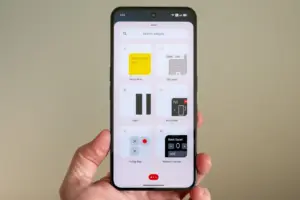
Taking a page from design trends pioneered by alternative smartphone brands—such as Nothing’s celebrated implementation of essential app playgrounds and coding interfaces—Google is introducing a native Create A Widget feature to the Pixel 11 ecosystem.
For years, users have hunted through the Google Play Store searching for niche widgets that display specific data points, often settling for bloated or ad-supported third-party solutions. With Gemini acting as an on-device professional coder, users can simply describe the exact widget they want in plain English. Gemini initiates an interactive coding process, allowing the user to request real-time revisions, styling modifications, and structural adjustments as the widget is generated from scratch on their home screen.
3. Social Media Integration: Screen Reactions
Acknowledging the heavy cultural reliance on short-form video and social media sharing, Android 17 introduces Screen Reactions. This deeply integrated utility allows users to effortlessly record their own reactions, commentary, or picture-in-picture video overlays directly over other streaming video content. Designed with extreme simplicity in mind, the feature streamlines content creation for platforms like TikTok, Instagram Reels, and YouTube Shorts, hinting at a broader hardware-software synergy on the Pixel 11 aimed directly at modern content creators.
4. Gaming Upgrades for the Pixel 11 Pro Fold
Foldable smartphones have historically struggled to bridge the gap between productivity devices and immersive gaming platforms. Google is looking to change that narrative with the introduction of a dedicated Gamepad mode tailored specifically for the Pixel 11 Pro Fold.
When activated, the feature reconfigures the foldable’s unique internal display, mapping a virtual, tactile-optimized control pad onto the bottom half of the screen while utilizing the top half for primary gameplay. Additionally, Google has confirmed the inclusion of native controller remapping tools directly within the operating system, allowing mobile gamers to map physical external controllers seamlessly without needing third-party mapping software.
5. Digital Wellness Reinvented: Pause Point
In a refreshing pivot toward consumer well-being, Google is also introducing Pause Point with Android 17. Designed to combat smartphone addiction and digital fatigue, Pause Point monitors high-friction engagement with distracting applications. When triggered, the system gently intervenes with custom timers, guided breathing exercises, and curated suggestions for alternative, less-distracting apps. It is a thoughtful, user-centric feature that proves Google is willing to implement software boundaries, even at the cost of short-term user engagement metrics.
Supporting Context & Metrics: The Hardware Landscape
While the software innovations of Android 17 provide the brainpower, the Made by Google event is, at its core, a hardware showcase. Industry analysts are projecting substantial shifts in Google’s market positioning as the company prepares to unveil its 2026 hardware portfolio.
- The Pixel 11 Portfolio Expansion: Building on the success of previous generations, Google is expected to diversify its smartphone offerings further. The lineup will reportedly feature multiple base smartphone configurations designed to compete directly with Apple’s iPhone 18 series and Samsung’s Galaxy S26 lineup, alongside the next-generation foldable flagship, the Pixel 11 Pro Fold.
- Wearable Evolution: The Pixel Watch 5 is slated to make its grand debut. Expectations point toward improved power efficiency, enhanced biometric sensors powered by Fitbit’s health algorithms, and tighter integration with the broader Gemini intelligence ecosystem, allowing users to interact with home automation and messaging directly from their wrists using conversational language.
- AI Processing Hardware: To support the heavy computational demands of on-device AI tasks—such as live screen automation, real-time widget coding, and complex multimodal photo analysis—the Pixel 11 series is expected to house Google’s latest custom Tensor silicon. Industry supply chain reports suggest significant upgrades to the Neural Processing Unit (NPU) architecture, ensuring that privacy-sensitive tasks can be processed locally on the device rather than relying exclusively on cloud servers.
Official Statements & Industry Perspectives
The path to the Made by Google event has been accompanied by carefully calculated messaging from Google executives and deep analysis from industry insiders.
Google’s software engineering leads have continually emphasized that the modern smartphone user is suffering from application fatigue. With millions of apps populating digital storefronts, navigating disparate user interfaces has become an administrative burden rather than a seamless experience. By framing Android 17 and the Pixel 11 as an "intelligence system," Google is formally articulating its corporate ambition to absorb that administrative friction on behalf of the user.
Industry analysts note that Google’s strategy represents a direct challenge to competitors like Apple and Samsung, who are racing to integrate generative AI into their respective ecosystems. However, where competitors have often relied on piecemeal cloud-based integrations, Google’s deep vertical integration—controlling the silicon (Tensor), the operating system (Android 17), the AI model (Gemini), and the hardware manufacturing (Pixel)—gives the company a unique structural advantage.
Tech commentators covering the pre-event buzz have expressed cautious optimism. While features like automated food ordering or custom widget coding may initially sound like sci-fi novelty acts, the underlying infrastructure paves the way for genuinely transformative accessibility and productivity tools, particularly for users with disabilities or those overwhelmed by complex digital workflows.
Future Outlook: What Lies Beyond August 12?
As the clock ticks down to Wednesday, August 12, at 3 p.m. PT, the immediate future of consumer technology hangs in the balance. The Made by Google event will stream live globally via the official Made by Google YouTube Channel and the Google Store website, where interested viewers can already click the "Notify Me" button to ensure they don’t miss a moment of the broadcast.
Looking past the keynote stage, the true test for Google will lie in consumer adoption. When the Pixel 11 series and Pixel Watch 5 finally land in retail hands, consumers will put the lofty promises of "intelligence systems" and Gemini automation to the test in the wild. Will automated app navigation prove to be an indispensable daily driver, or an over-engineered luxury? Will custom widget coding democratize personalization, or will it remain a niche hobbyist tool?
Furthermore, as privacy advocates scrutinize how deeply AI assistants read and interpret on-screen personal data, Google’s commitments to local, on-device processing will face intense regulatory and consumer scrutiny.
One thing is certain: the era of the static smartphone interface is officially drawing to a close. Tune in on August 12 as Google officially ushers in the next chapter of mobile computing.