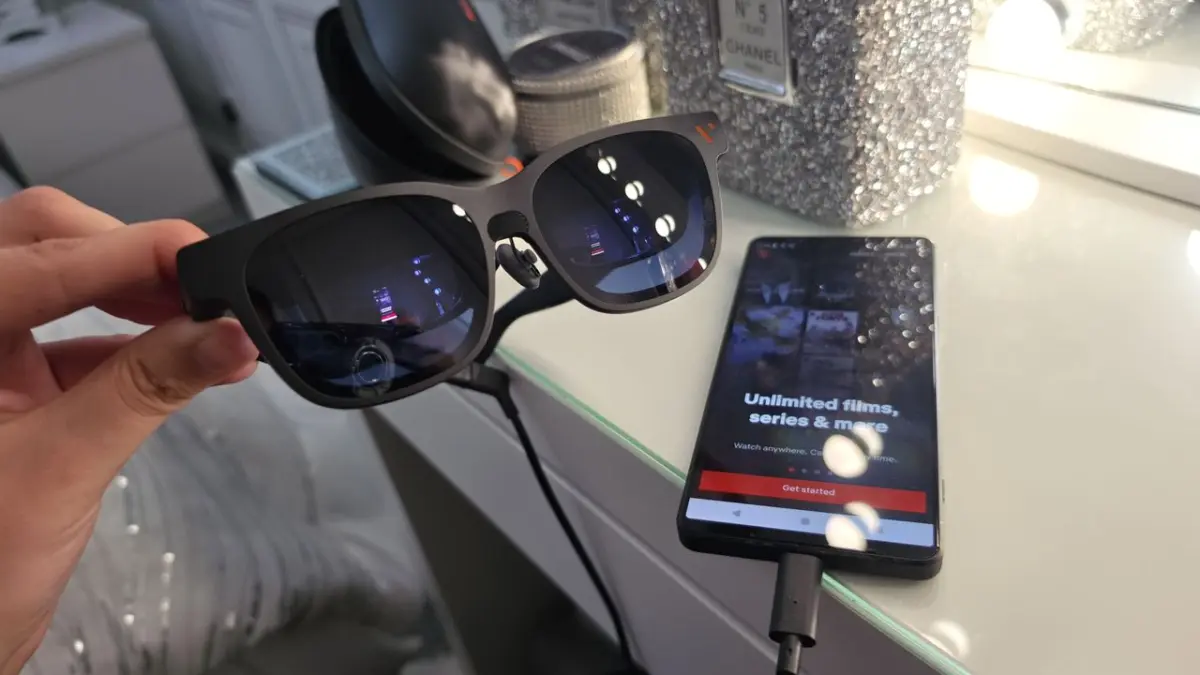
The wearable technology landscape is currently undergoing a severe ideological and cultural reckoning. As consumer awareness regarding digital surveillance scales new heights, the public backlash against camera-embedded smart accessories has reached a boiling point. Social media and privacy advocates have recently branded Meta’s flagship smart glasses with unflattering monikers like "pervert glasses," reflecting widespread anxiety over unauthorized or inconspicuous video and audio capture in public spaces. This acute sensitivity has translated directly into commercial trends, exemplified by the massive viral success of protest merchandise like the "Normal F** Sunglasses"—a satirical and literal middle finger to invasive recording tech.
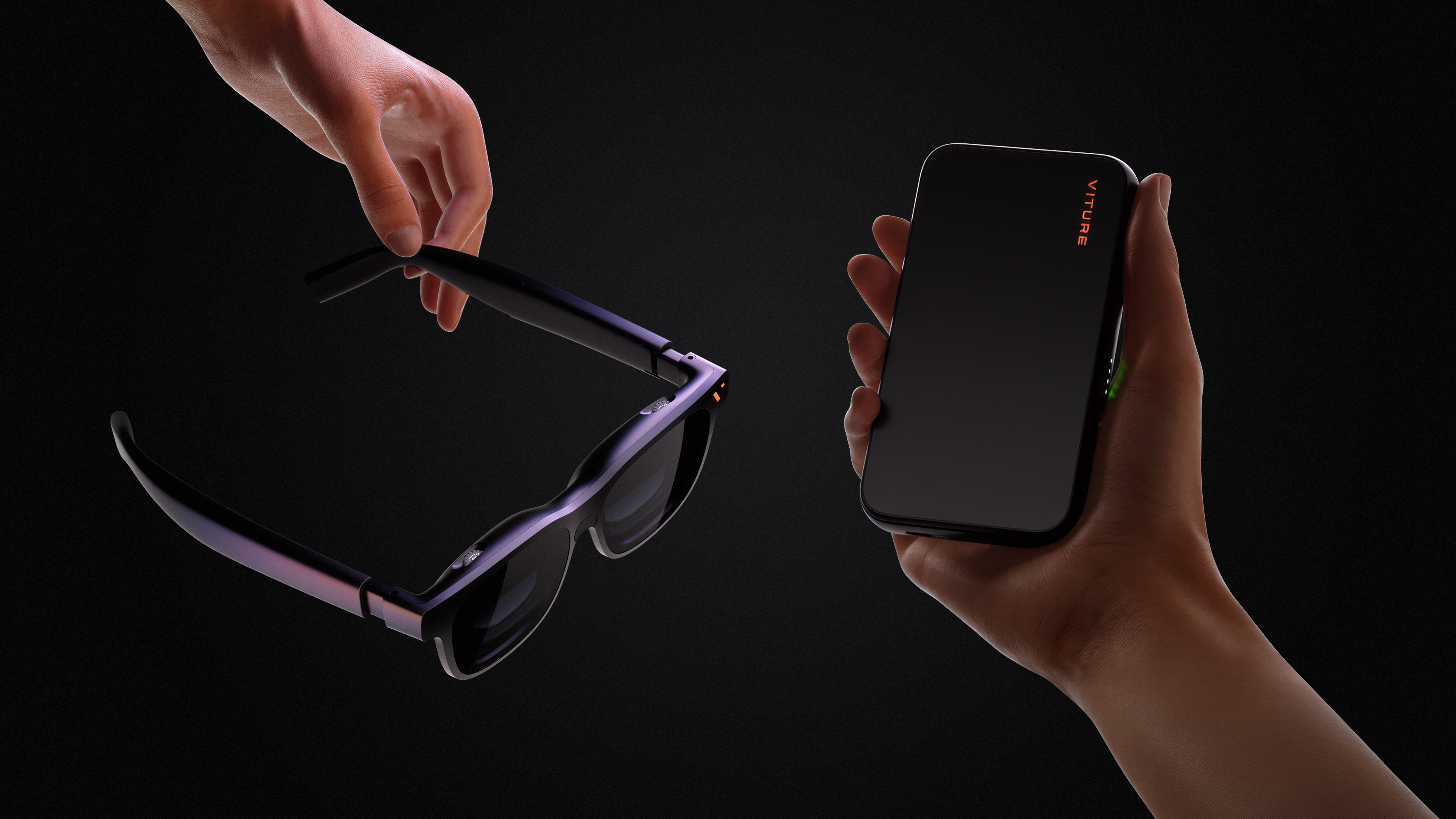
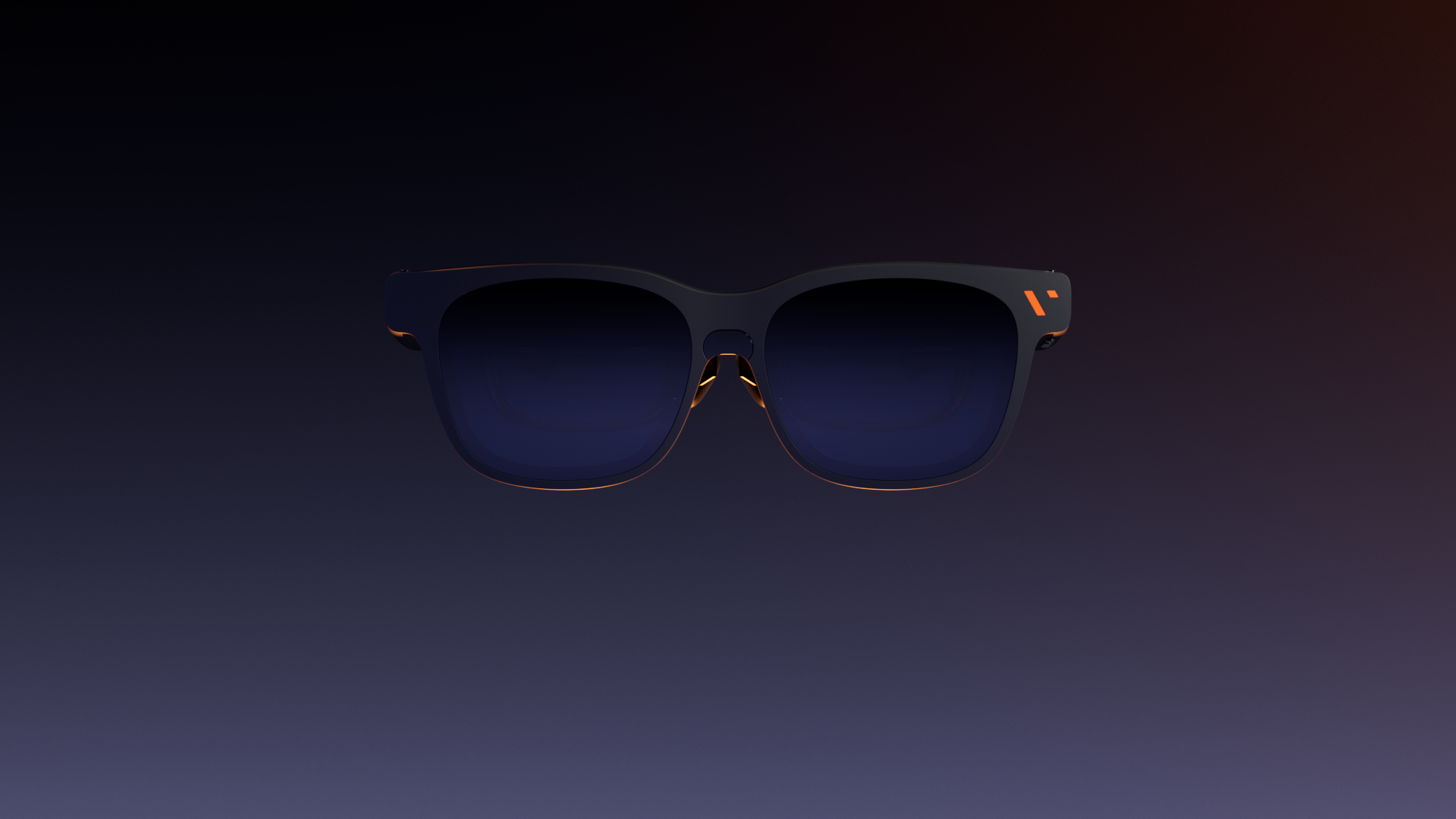
Yet, amid this polarizing climate, the demand for expanded personal digital workspaces and portable high-definition entertainment has never been higher. Enter the Extended Reality (XR) market, and more specifically, the freshly unveiled VITURE Pro 2 XR glasses. Priced at an accessible $299 and launched to mark VITURE’s fifth anniversary, these glasses sidestep the privacy minefield entirely. By deliberately omitting onboard cameras while delivering a staggering 146-inch virtual display, the VITURE Pro 2 XR presents a compelling, friction-free compromise for professionals, gamers, and creatives who want next-generation spatial computing without sacrificing their personal integrity—or raising the alarm of everyone in the room.
Detailed Chronology: The Evolution of Smart Glasses vs. XR
To understand why the VITURE Pro 2 XR represents a watershed moment for wearable displays, it is essential to trace the divergent paths of modern smart tech over the past half-decade.
Phase 1: The Camera-Centric Boom (2019–2023)
The revival of smart eyewear was spearheaded by tech giants aiming to merge fashion with ambient computing. Early iterations promised hands-free photography, livestreaming capabilities, and integrated voice assistants. However, as form factors shrank to mirror traditional Wayfarers and aviators, the visibility of recording indicators dwindled. By 2024, public unease peaked as users realized these devices could capture unsuspecting bystanders in cafes, transit systems, and private venues. The cultural label "pervert glasses" encapsulates this breakdown of social trust.
Phase 2: The Anti-Tech Counter-Movement (Late 2024–Early 2025)
As surveillance concerns intensified, the market responded with active resistance. The viral adoption of anti-surveillance novelty products underscored a broader cultural rejection of ambient capture. Consumers made it clear: they wanted sleek eyewear, but they refused to be unwilling participants in someone else’s content creation pipeline.
Phase 3: The Pivot to Content Consumption (Fifth Anniversary Milestone)
Recognizing this profound market divide, manufacturers like VITURE utilized their milestone product cycles to refine the distinction between content creation (recording video via onboard lenses) and content consumption (displaying digital interfaces privately to the user). Launched during its fifth-anniversary celebrations, the VITURE Pro 2 XR debuted as the company’s thinnest, sharpest, and most refined hardware package to date. By stripping away cameras entirely while upgrading optical clarity and ergonomic comfort, VITURE positioned itself squarely on the side of user privacy and dedicated workspace utility.
Supporting Context & Metrics: Decoding the Hardware
For creative professionals who require expansive screen real estate while on the move, traditional laptops often fall short. Multi-monitor setups are impossible on airplanes, and working on complex video timelines or graphic design projects on a cramped 14-inch screen severely hampers productivity.
The VITURE Pro 2 XR directly addresses this bottleneck through precise hardware specifications engineered for ergonomics and visual fidelity:
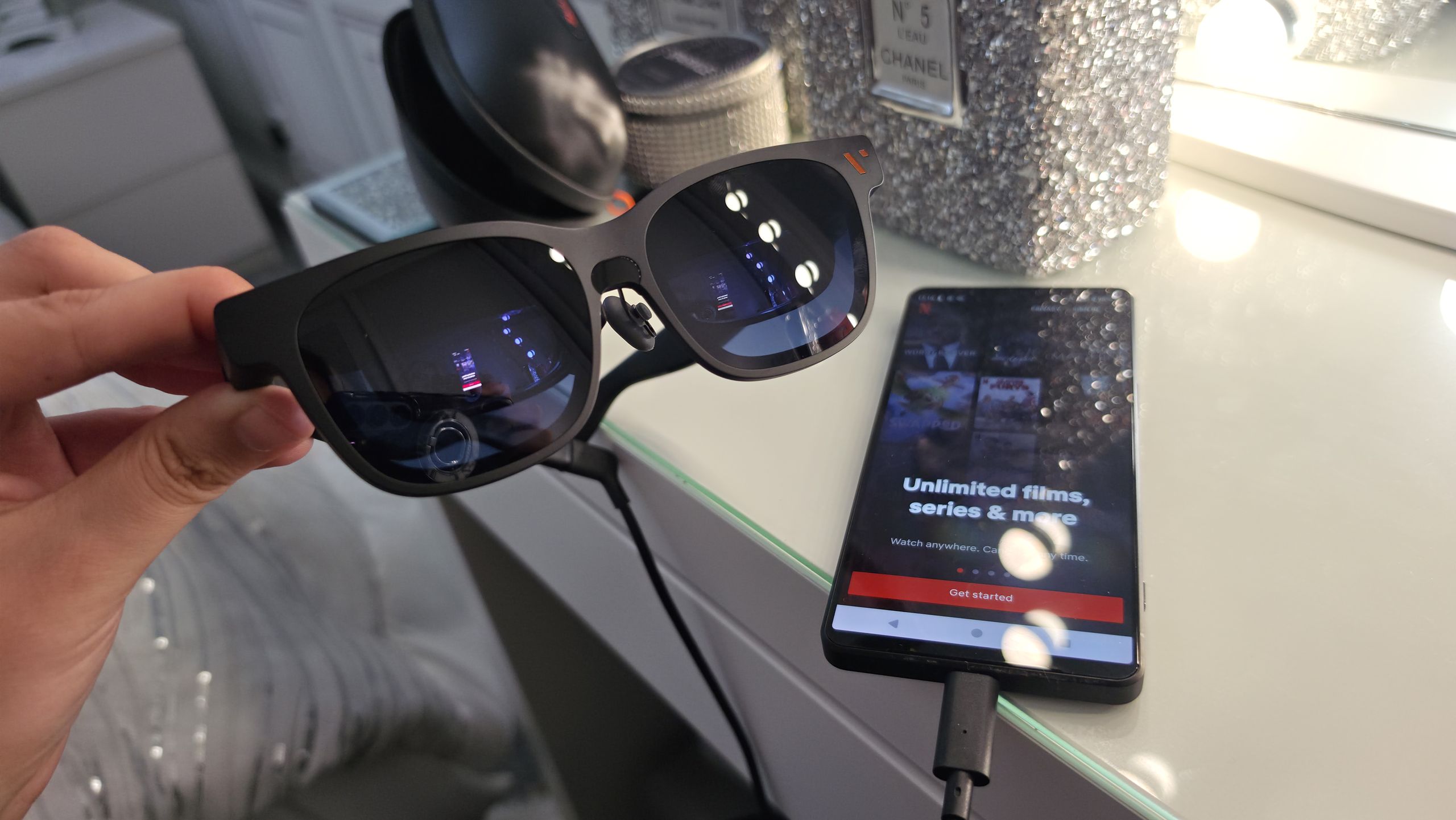
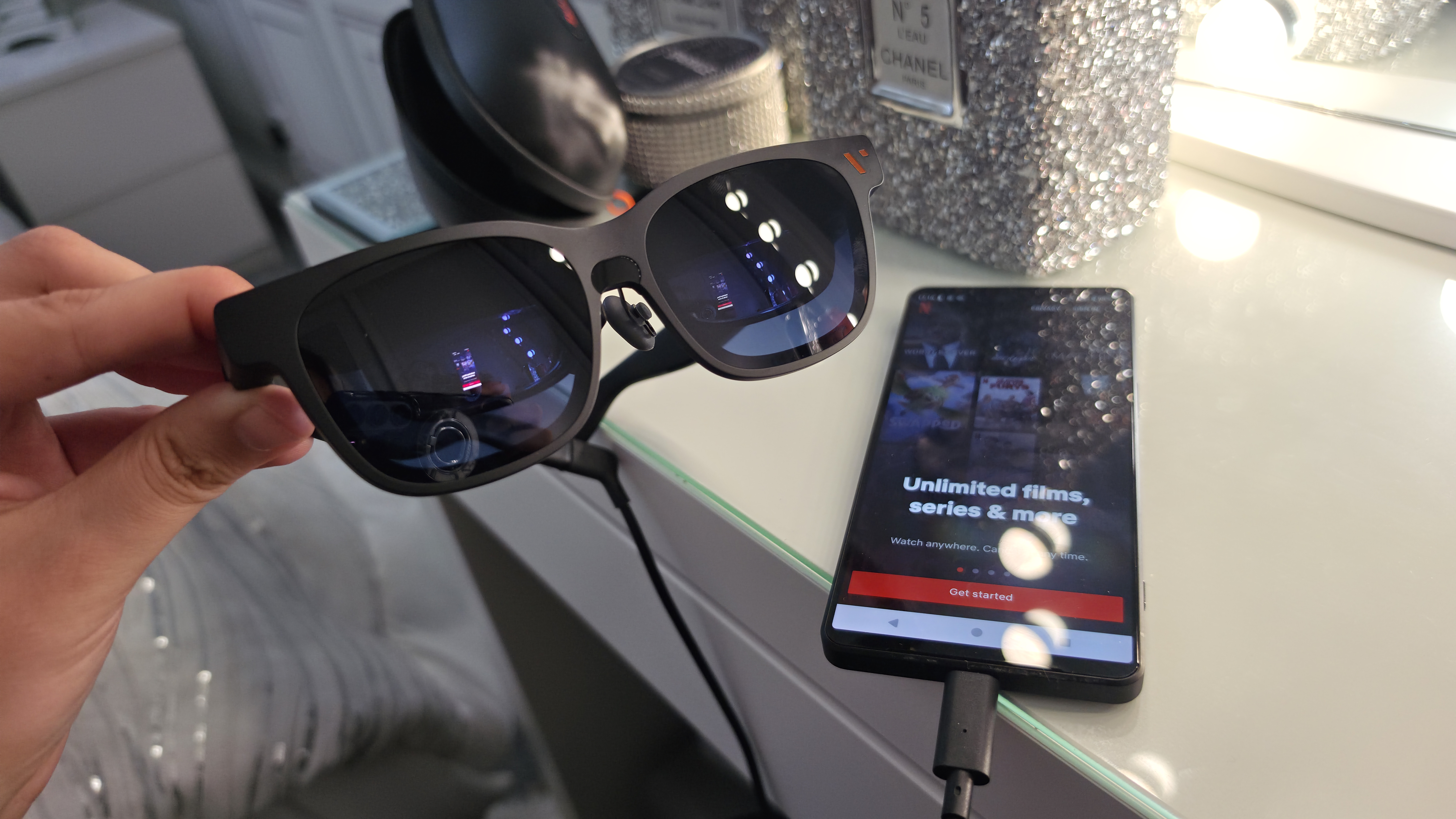
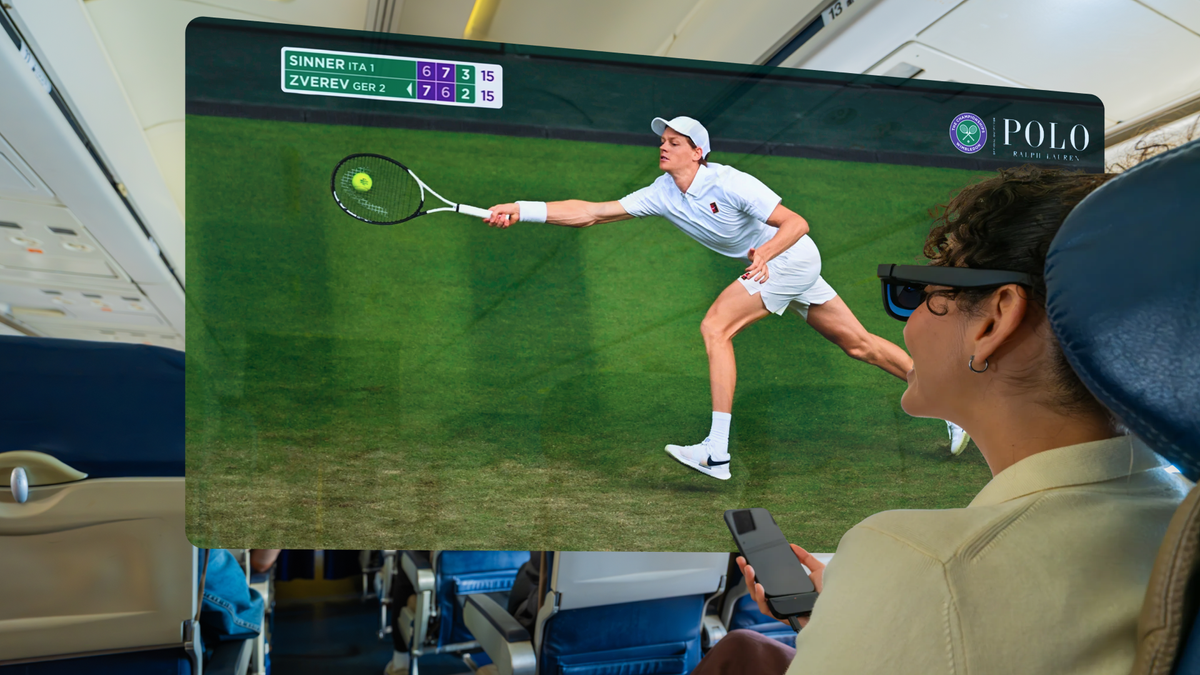
The Virtual Screen: When connected via USB-C to a smartphone, laptop, PC, or handheld gaming console, the glasses project a crisp, vibrant equivalent of a 146-inch virtual screen hovering in the user’s field of view.
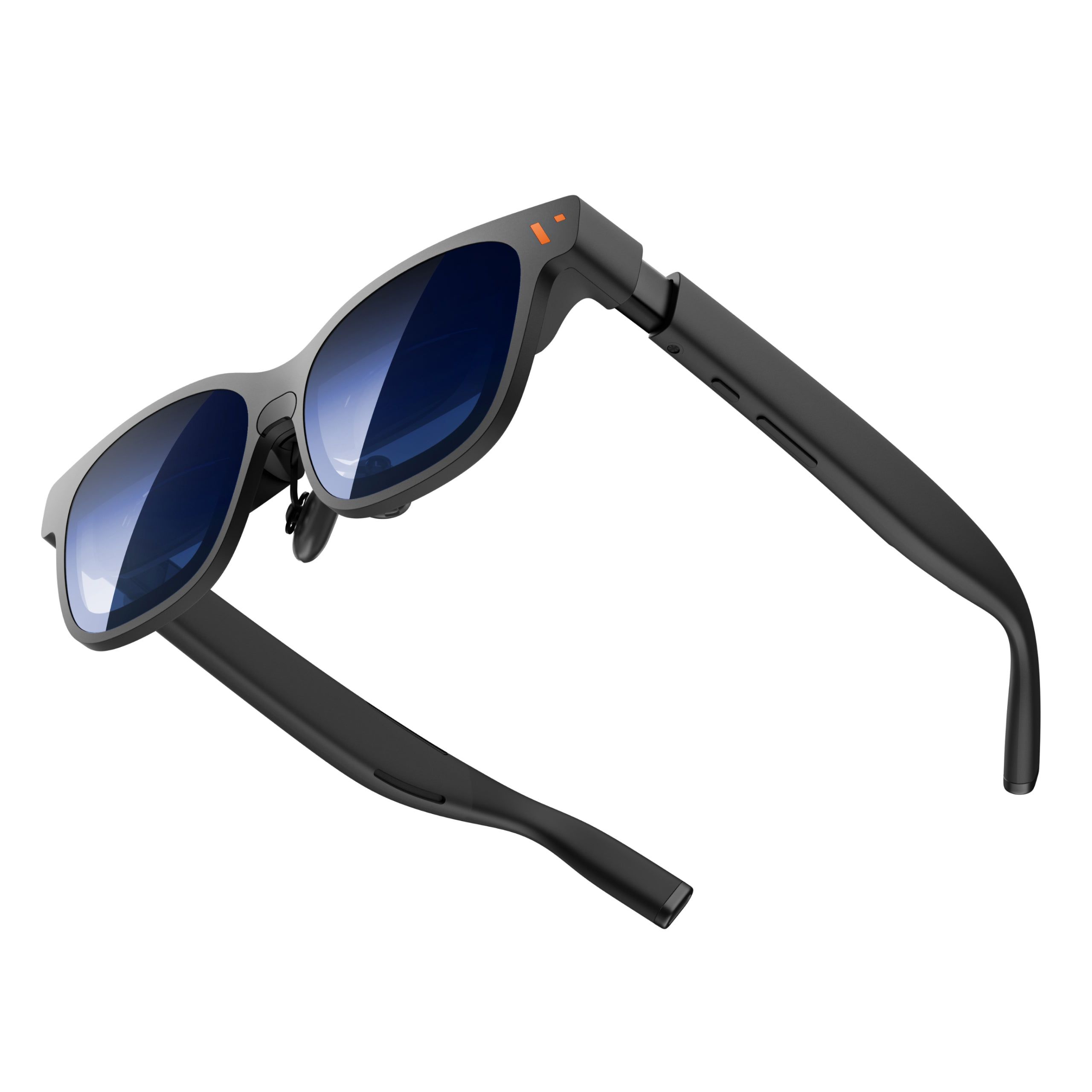
Zero-Camera Architecture: By completely eliminating optical sensors and cameras, the device provides absolute peace of mind to both the wearer and those around them. It cannot record, photograph, or monitor the surrounding environment.
Built-In Myopia Dials: One of the most innovative design choices in the Pro 2 XR is its integrated vision correction dials. Users can independently adjust the focus for each eye, accommodating most common forms of nearsightedness. This eliminates the cumbersome and often costly need to order separate magnetic prescription inserts.
Seamless Ecosystem Integration: For power users, the glasses support effortless plug-and-play desktop mirroring. Samsung device owners, for instance, can leverage Samsung DeX integration to transform a pocket-sized phone into a full, monitor-sized desktop environment housed entirely within the lenses.
Pricing and Competitors: Positioned competitively at $299, the VITURE Pro 2 XR undercuts or matches major rivals in the space, such as the RayNeo Air 4 Pro (retailing around $320 / £260) and XREAL’s baseline offerings. While competitors often match display sizes, VITURE’s physical diopter adjustment dials remain a standout differentiator.
Official Statements and Industry Insights
Industry analysts and early reviewers have been quick to point out the psychological and practical advantages of choosing XR over traditional smart glasses.
"There has been a lot of controversy around smart glasses this week, with the internet branding Meta’s leading accessory as ‘pervert glasses’, while anti-tech protest products like the Normal F** Sunglasses have been a huge hit. Believe me, I totally get the backlash towards camera-embedded glasses and the privacy concerns that they raise, and that’s why I think the brand new VITURE Pro 2 XR glasses are the perfect compromise for only $299."
Furthermore, tech commentators emphasize that XR glasses are rapidly becoming the ultimate travel hack for digital nomads. Whether deployed as a private entertainment center on long-haul flights or as an expansive, distraction-free virtual monitor in a bustling coffee shop, the privacy-first approach ensures that users can enjoy immersive tech without drawing hostile stares or triggering privacy regulations.
The ecosystem is also expanding to accommodate specialized hardware restrictions. For instance, brands like Nintendo enforce strict video-output protocols on their consoles (such as the anticipated Nintendo Switch 2) that standard USB-C connections cannot bypass. To counter this, accessories like the VITURE Mobile Dock Mini bridge the technological gap, allowing users to pipe console gaming sessions directly into their private eyewear display without compromising performance.
Future Outlook: Where Wearable Tech Goes From Here
The trajectory of wearable displays over the next decade hinges entirely on how manufacturers navigate the fine line between utility and intrusion. The current market bifurcation offers a clear roadmap:
Stricter Regulatory Scrutiny on Cameras: As local governments and public venues push back against ambient recording devices, camera-equipped smart glasses will likely face heavy zoning restrictions, mandatory LED recording indicator laws, and outright bans in corporate, educational, and entertainment spaces.
The Rise of Privacy-First Spatial Computing: Products that focus exclusively on display technology—such as the VITURE Pro 2 XR—are poised to capture the mainstream market. By acting strictly as private monitors rather than recording devices, they bypass regulatory hurdles and social friction entirely.
Mainstream Adoption by Creatives: As color accuracy, refresh rates, and comfort improve, XR glasses will transition from niche gadgetry to standard-issue kit for traveling professionals, video editors, coders, and digital artists.
Ultimately, the VITURE Pro 2 XR proves that the future of wearable tech does not need to compromise privacy to deliver magic. By giving users the power of an IMAX screen and a multi-monitor workstation inside a pair of sleek, camera-free frames, it points the way toward a more sustainable, socially acceptable era of personal computing.