Executive Overview
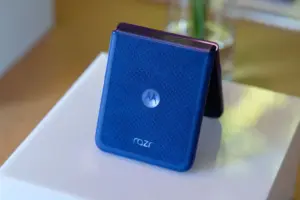
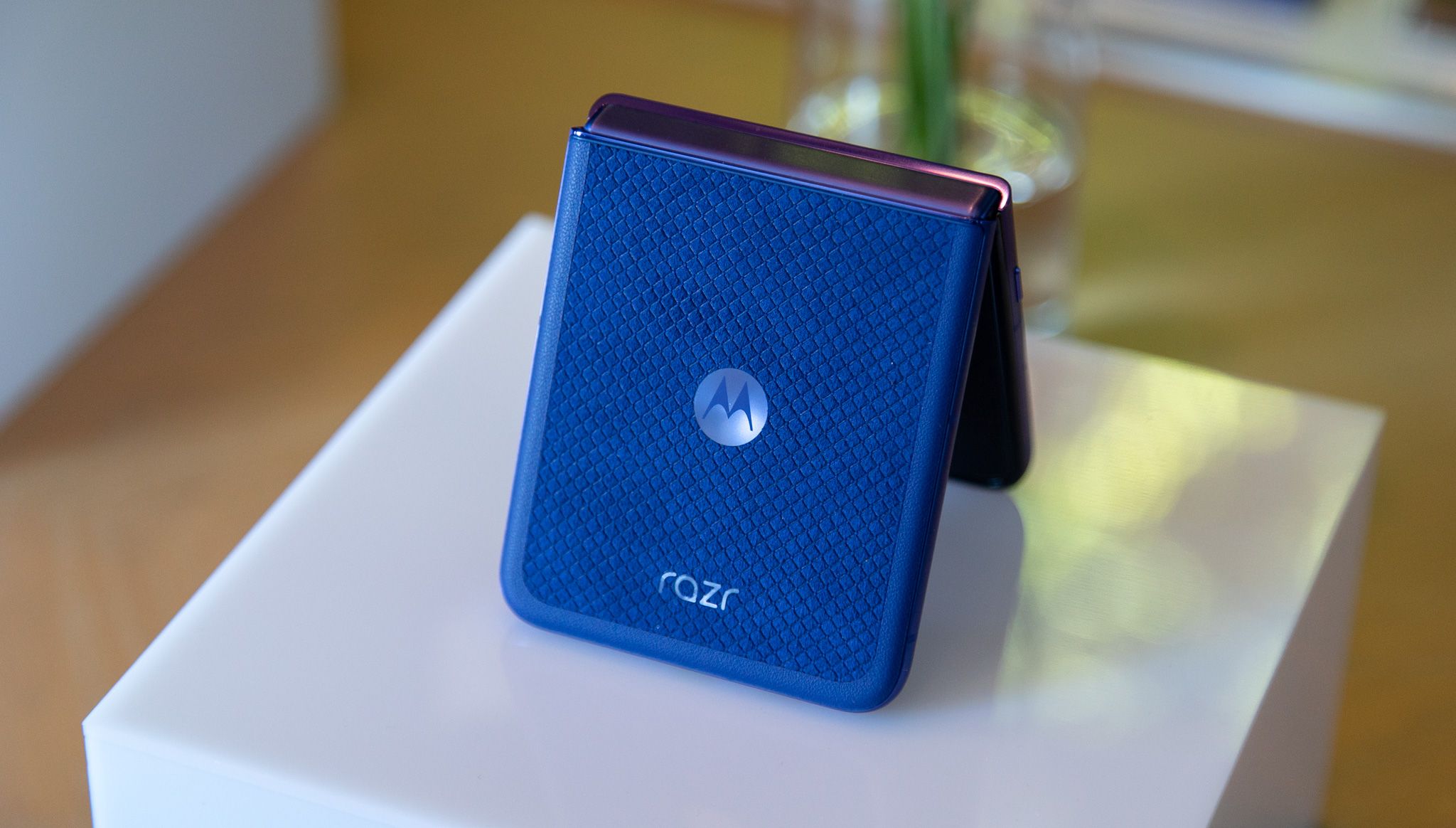
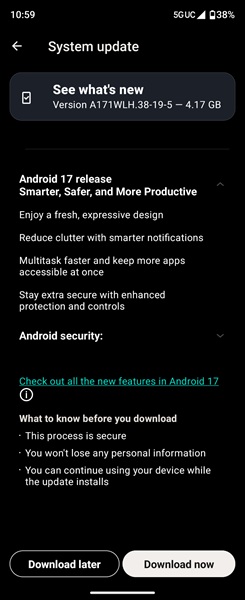
In a significant move for the foldable smartphone market, Motorola has officially begun the rollout of Android 17 to its flagship Razr Ultra 2026. This update, identified by build number vA171WLH.38-19-5, represents one of the most substantial software refinements in the history of the Razr lineup. With a file size of approximately 4.1GB, the update is far more than a routine security patch; it introduces a complete visual redesign, advanced artificial intelligence integration, and functional UI elements that bridge the gap between Motorola’s unique hardware and modern software expectations.
As of October 6, users in the United States have begun reporting receipt of the over-the-air (OTA) update. This deployment signals the beginning of a broader rollout schedule that will eventually encompass a wide array of Motorola devices, including the Razr 70 Ultra and the Razr+ 2026. For current owners of the Razr Ultra 2026, the transition to Android 17 promises a "smarter, safer, and more productive" ecosystem, marking a pivotal moment in Motorola’s ongoing strategy to differentiate itself in the competitive premium foldable segment.
Detailed Chronology of the Deployment
The path to this release began in August, when Motorola publicly outlined its roadmap for Android 17, identifying its latest flagship foldables as the primary beneficiaries of the new OS. Following months of speculation and internal testing, the official deployment commenced on the afternoon of October 6.
Early adopters and tech enthusiasts were the first to signal the update’s arrival on social media platforms, providing initial screenshots of the changelog. The update process, which requires a substantial 4.1GB download, underscores the density of the new features. By prioritizing the Razr Ultra 2026, Motorola is signaling its commitment to the "Ultra" tier of its catalog, ensuring that its most expensive hardware receives the latest optimizations before the update hits mid-range or legacy devices.
As the week progresses, the rollout is expected to expand across various carrier channels and regional segments. Motorola has traditionally employed a phased approach to software distribution to monitor for critical bugs; thus, while some users may receive the update immediately, others might see it appear in their system settings over the next few days.
Core Features: A Design and Utility Revolution
The Android 17 update for the Razr Ultra 2026 is comprehensive, touching virtually every corner of the user interface.
A Fresh, Expressive Visual Identity
The most immediate change users will notice is the "fresh, expressive design." Motorola has opted to reduce visual clutter, a common critique of previous software iterations. The update features a complete overhaul of system icons and introduces sophisticated themed icon support, allowing for a more cohesive aesthetic that matches the user’s wallpaper and color palette. Furthermore, the Settings menu has been restructured, offering a more intuitive navigation experience that reduces the number of taps required to reach essential system configurations.
Enhanced AI and The "AI Key" Remapping
One of the most requested features has finally arrived: the ability to remap the dedicated AI Key. With Android 17, users can now assign a "Double Press" action to the hardware button. This customization allows for quick access to various utilities, including the Digital Assistant, Motorola’s proprietary Qira AI, and the "Pay Attention" mode. This level of hardware-software integration is a clear nod to power users who demand more control over their physical inputs.
The "Dynamic Island" Influence
Perhaps the most intriguing addition is the revamped Live Updates UI. Motorola has clearly drawn inspiration from industry trends, implementing a functional UI element that mirrors the "Dynamic Island" seen in modern smartphones. This allows for persistent, glanceable information—such as ride-sharing updates, timers, or sports scores—to sit at the top of the display, minimizing the need to jump between applications.
Notification Summaries
In an era of information overload, Motorola’s new "Notification Summaries" feature aims to streamline communication. By utilizing local AI processing, the device can now condense long, multi-party messaging threads into concise recaps. This functionality is particularly useful for users who belong to active group chats and wish to catch up on the context without scrolling through dozens of messages.
Productivity and Digital Wellbeing
Motorola is leaning heavily into the concept of "intentional usage" with the introduction of "Pause Point." Designed to combat digital addiction, Pause Point acts as a soft barrier for distracting applications. When a user attempts to open a pre-defined "distracting" app, the system introduces a brief, intentional delay. This slight friction is designed to prompt the user to reconsider whether they truly need to open the app at that moment, fostering healthier digital habits.
The update also includes "Tap to Send" capabilities and refined haptic feedback. Users have reported that dismissing notifications now triggers a subtle, tactile response, similar to the haptic fidelity found on Google’s Pixel series, adding a premium feel to everyday interactions.
Supporting Metrics and Display Enhancements
The Razr Ultra 2026’s foldable display technology is also seeing significant improvements via the software layer. New HDR display settings allow users to manually calibrate the "intensity" of their screen’s color range and clarity. A simple slider interface gives users the power to toggle between a more vibrant, high-contrast look and a more muted, natural aesthetic.
The update also includes broader system-wide optimizations, such as improved multitasking capabilities, which are essential for a foldable device. By allowing for more fluid transitions between the internal main screen and the external cover screen, Motorola is ensuring that the foldable form factor is not just a gimmick, but a genuine productivity tool.
Official Context and Strategic Positioning
Motorola’s aggressive software support strategy is a direct response to the heightened competition from Samsung and other foldable manufacturers. By promising and delivering feature-rich updates like Android 17, Motorola is attempting to solidify its position in the premium market.
The company has explicitly mentioned that this update is part of a larger, unified software vision. The inclusion of stackable widgets and new sharing features for Connected Devices suggests that Motorola is building a "Motorola Ecosystem" that works in harmony with tablets, PCs, and smart home hardware.
"Our goal is to create a device that is as smart as it is stylish," a spokesperson for the company hinted during the initial Android 17 roadmap reveal. The integration of Qira AI and the focus on "expressive design" are clear indicators that Motorola is moving away from the "near-stock" Android approach that characterized its earlier years, opting instead for a distinct, feature-heavy brand identity.
Future Outlook
As the Android 17 rollout continues to gain momentum, the industry will be watching closely to see how the software performs under real-world conditions. While the early feedback has been largely positive—particularly regarding the remappable AI key and the refined design—the true test will be how these features impact battery life and system stability over the long term.
For owners of the Razr Ultra 2026, this update represents a significant extension of the device’s lifecycle. By adding modern features like notification summarization and a new, dynamic notification UI, Motorola is effectively breathing new life into the hardware, ensuring it remains relevant in a fast-moving market.
Looking ahead, we can expect Motorola to continue its trend of frequent, substantial updates. The commitment shown in the August roadmap and the prompt delivery of this major OS version suggest that the company is taking software support as seriously as its hardware engineering. For those who have yet to receive the notification, the best advice is to check the "System Updates" section of the settings menu periodically over the next few days. As of now, the Razr Ultra 2026 has set a high bar for what a foldable smartphone experience should be, blending cutting-edge hardware with a sophisticated, AI-enhanced software foundation.