Executive Overview
The landscape of home entertainment is on the cusp of a significant transformation. While the current Google TV Streamer has firmly established itself as a cornerstone of the modern connected living room—boasting robust hardware and a seamless interface—Google is reportedly already deep into the development of its successor. Emerging reports suggest that the next iteration of this device will not merely be a spec-bump, but a fundamental shift in how users interact with their television environment.
By integrating advanced far-field microphone arrays and sophisticated presence-sensing technology, the upcoming streamer aims to transition from a passive media playback device into an active, intelligent hub for the smart home. As Apple prepares its own counter-maneuvers in the streaming space, Google’s strategy appears clear: prioritize ambient computing, enhanced processing power, and a more intuitive, voice-first user experience.
Detailed Chronology: From Chromecast to Streamer to Intelligence
To understand the gravity of these upcoming changes, one must look at the evolution of Google’s hardware strategy. The original Chromecast, a simple "dongle" that transformed "dumb" TVs into smart ones, was a revolutionary, low-cost gateway. However, the pivot toward the "Google TV Streamer" signaled a shift toward a premium, stationary, and highly capable set-top box.
The Current Benchmark
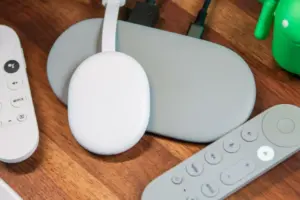
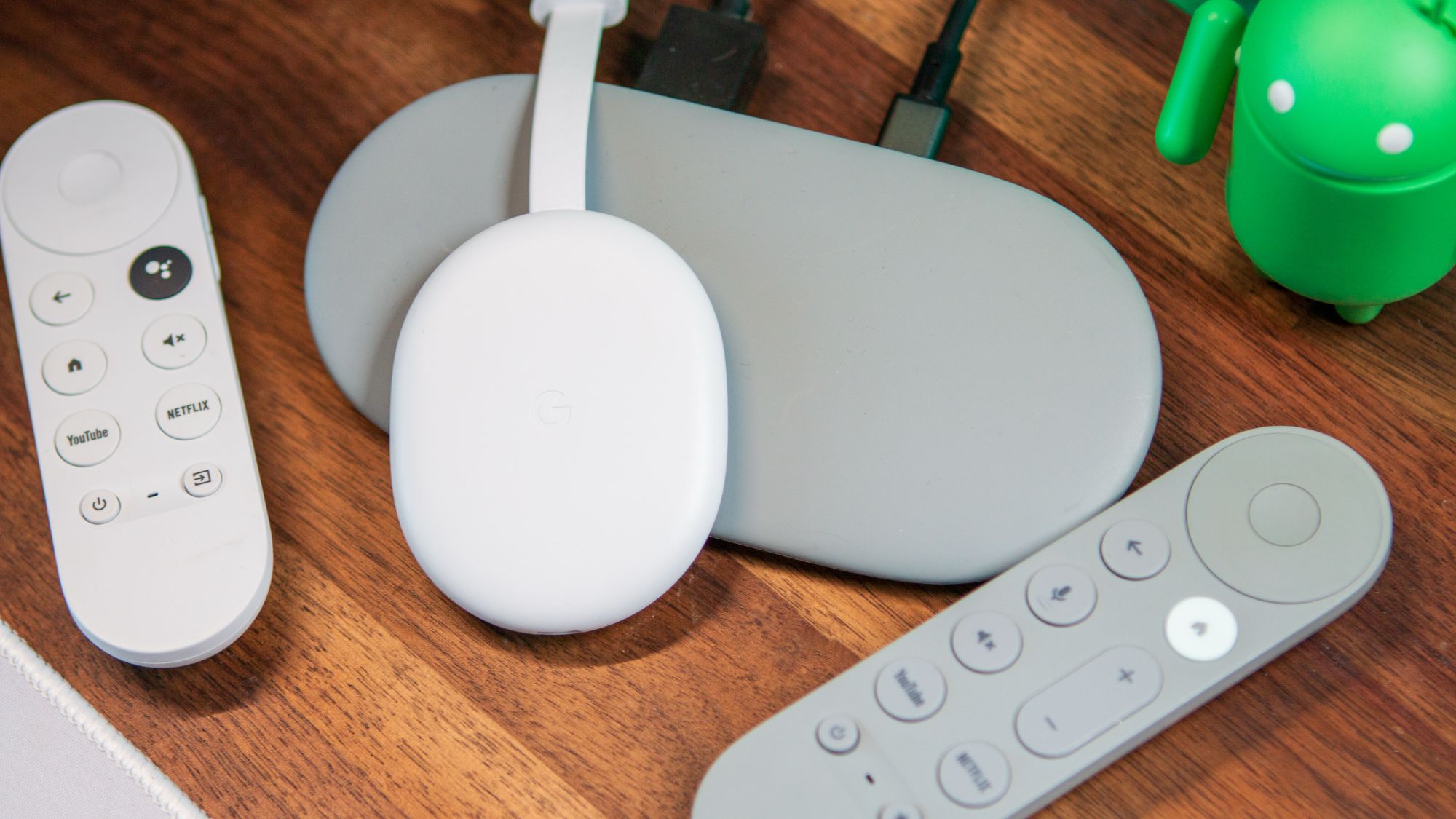
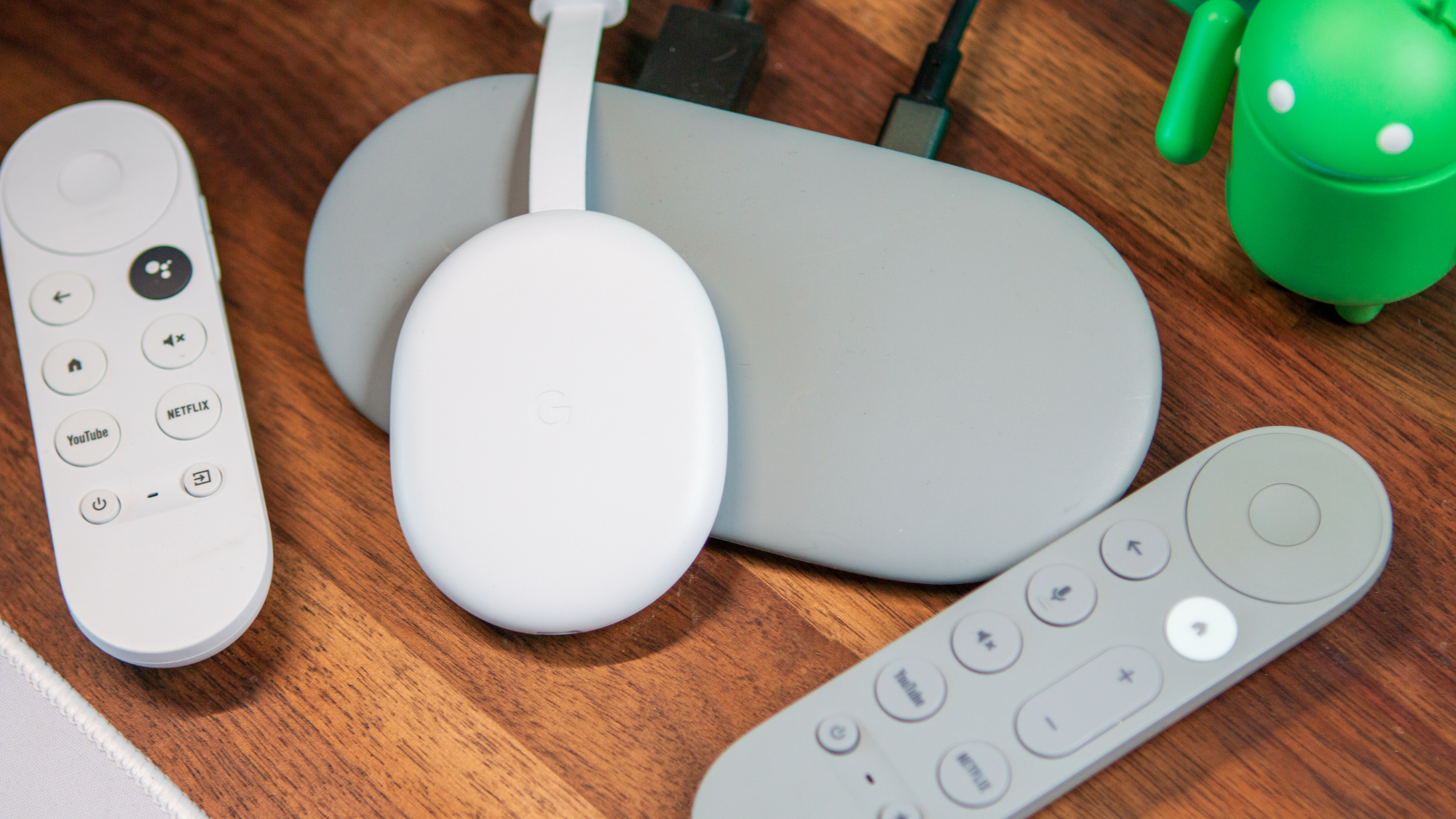
The current Google TV Streamer was praised for its refined design, snappy performance, and deep integration with the Google Home ecosystem. Even with recent price adjustments that saw the device’s MSRP rise by $50, it remains a top-tier contender in a crowded market dominated by Apple TV 4K and Nvidia Shield TV.
The Next Frontier
According to the latest industry intelligence, the next-generation device is currently in active development. While it will retain the recognizable, sleek aesthetic of its predecessor, engineering documents suggest a refined physical profile—notably, a slightly narrower footprint. This aesthetic adjustment, however, masks a radical internal overhaul. The primary focus of this new iteration is the removal of the "barrier to entry" for voice commands: the physical remote.
Supporting Context & Metrics: The Shift to Ambient Computing
The hallmark of the next-gen streamer is the implementation of built-in far-field microphones. Currently, users are tethered to the Google TV remote, which requires a physical button press to summon Google Assistant or engage with Gemini.
The "Hey Google" Revolution
By embedding far-field microphone arrays directly into the console, the device will be able to process voice commands from across the room. This transforms the streamer into a functional smart speaker, effectively merging the capabilities of a Google Nest Audio with a high-end 4K streaming box. This is a critical development for the "Gemini on Google TV" initiative, which aims to provide contextual, AI-driven content recommendations and system controls via natural language.
Presence-Sensing Technology
Perhaps the most intriguing addition is the integration of presence-sensing technology. Similar to features seen on premium TCL smart displays, this hardware addition allows the streamer to detect movement or proximity.
- Ambient Display: The TV could wake up automatically when a user enters the room, displaying a personalized dashboard—weather, calendar updates, or a dynamic Google Photos gallery—before the user even touches a controller.
- Energy Efficiency: Conversely, the system could enter a deep-sleep state immediately upon detecting an empty room, optimizing energy consumption in a way that current "timeout" settings cannot match.
Performance and Capacity
The reported hardware upgrades go beyond interface convenience. The device is expected to house a more powerful System-on-Chip (SoC), ensuring that the increased demand of Gemini’s LLM (Large Language Model) processing does not hinder playback performance. Furthermore, with the current 32GB of storage being identified by power users as a limiting factor for high-bitrate applications and app libraries, the next model is expected to increase base storage, providing a more robust foundation for the future of streaming.
The Ergonomics of Control: A Remote Redesign
While the device is moving toward voice-first operation, Google is not abandoning the tactile experience. The accompanying remote is undergoing a strategic overhaul. Early reports indicate that the new remote will include:
- Expanded Shortcuts: Two additional dedicated buttons for streaming services (likely YouTube and Netflix, given their ubiquity), providing "one-click" access to core content.
- Find My Remote Integration: A dedicated button on the main streaming unit to trigger an audio signal on the remote—a highly requested feature that mirrors the "Find My" functionality found in high-end Apple hardware.
Official Statements and Industry Context
While Google has not released an official press statement regarding the specifications of this unreleased device, the company’s recent moves indicate a broader strategy. The recent price increase on the current streamer was a strategic decision to align the hardware with its premium positioning. By raising the price, Google has effectively cleared the "budget" tier for its lower-cost dongles, signaling that the future of the Streamer line is definitively "high-end."
Market analysts note that this timing is not coincidental. With Apple reportedly readying a refreshed Apple TV 4K, the market is bracing for a "living room arms race." Both tech giants are vying for the position of the "central brain" of the home, moving beyond simple content delivery into the realms of home automation, AI-driven suggestions, and ambient computing.
Future Outlook: A New Paradigm for the Living Room
What does this mean for the average consumer? We are moving away from the era of the "dumb box" that only turns on when we ask it to. We are entering an era of the "proactive" living room.
The AI-Integrated Home
The combination of Gemini, far-field voice recognition, and presence-sensing creates a device that understands the context of the user. Imagine a scenario where the streamer, upon detecting you have sat on the couch after a long day, suggests a playlist or a movie based on your viewing history and current mood, all without you having to navigate a menu.
Challenges Ahead
Despite the promise, the transition will not be without hurdles. Privacy remains the primary concern for any device with "always-listening" capabilities. Google will need to ensure that the physical mute switch—a hallmark of their Nest hardware—is included or that software privacy controls are made exceptionally clear to the end user.
Furthermore, the integration of AI models like Gemini into a living room environment requires significant local processing power. The success of this device will hinge on whether Google can keep the interface snappy and the AI responses near-instantaneous.
Conclusion
While we await an official announcement, the roadmap for the next-generation Google TV Streamer is clear: it is designed to be the definitive hub of the modern home. By blending the utility of a powerful media center with the intuition of a smart home assistant, Google is positioning its upcoming hardware to do more than just stream video—it is positioning itself to stream the very experience of living.
As fall approaches, industry watchers will be looking for any signs of a formal unveiling. Whether this device launches before the end of the year or moves into early 2026, one thing is certain: the competition in the streaming space has just become significantly more intelligent. We will continue to monitor this development and provide updates as soon as further technical specifications or release windows emerge.