
Executive Overview
Fifteen years after the passing of Apple co-founder and visionary tech leader Steve Jobs, his profound influence on design, culture, and innovation continues to reverberate across industries far removed from Silicon Valley. While Apple has steadily evolved into a multi-trillion-dollar corporate titan under the leadership of Tim Cook, the ideological architecture Jobs left behind remains a touchstone for creators worldwide.
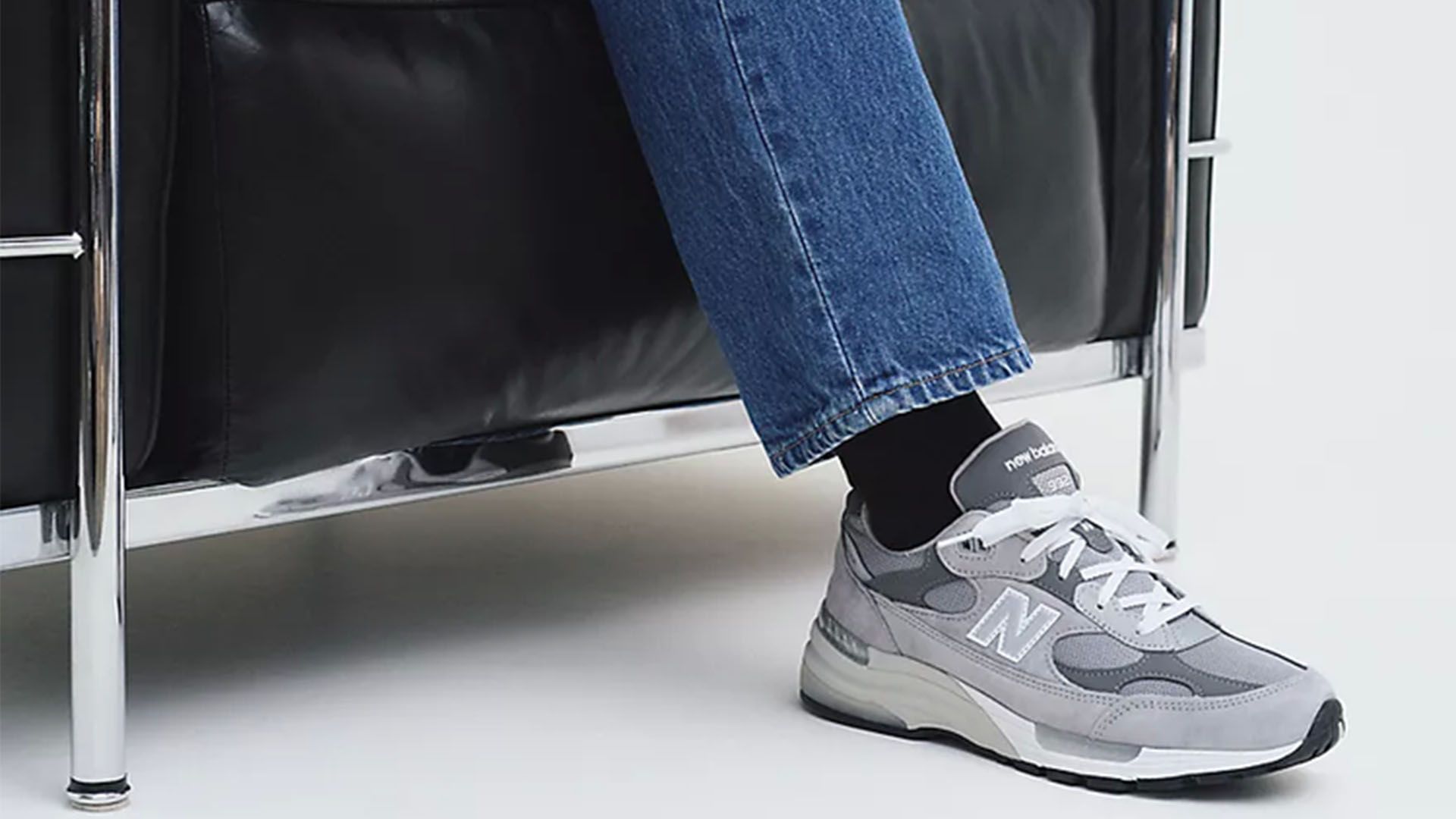
In an era defined by hyper-targeted digital marketing, deafening social media campaigns, and high-budget collaborations, footwear giant New Balance recently executed a masterclass in understated marketing. Within its promotional campaign for the grey New Balance 992 sneaker—a silhouette indelibly linked to Jobs’ legendary personal "uniform"—the brand embedded a subtle visual Easter egg. Without issuing a grand press release or leveraging high-profile celebrity endorsements, New Balance recreated Jobs’ iconic stance from the historic 2010 iPad launch.
This understated homage struck a deep chord with internet users, design purists, and sneaker enthusiasts alike. Eschewing the corporate volume typically associated with major sneaker drops, New Balance proved that the most resonant brand storytelling relies on nuance, cultural literacy, and respect for history. This report examines the mechanics of this viral campaign, the history of the legendary "Jobs shoe," the psychology of minimalist marketing, and what this subtle nod reveals about the intersection of tech heritage and contemporary fashion.
Detailed Chronology: From the Stage to the Sneakerhead Canon
To understand the weight of New Balance’s recent campaign, one must trace the intertwined history of Steve Jobs’ personal style and the rise of the 9xx series, culminating in a specific cultural nexus that formed on January 27, 2010.
The Uniform of a Visionary
Throughout the latter half of his career, Steve Jobs famously stripped away the burden of daily sartorial choices by adopting a strict personal uniform: a black Issey Miyake mock turtleneck, Levi’s 501 blue jeans, and a pair of grey New Balance sneakers. This minimalist approach was not merely a quirky quirk of genius; it was a deliberate strategy to conserve cognitive bandwidth for the monumental decisions involved in steering Apple.
Among the various iterations of footwear Jobs wore over the years—including the New Balance 990, 991, and 993—it was the New Balance 992 that achieved mythical status. Originally introduced in 2006 to celebrate New Balance’s 100th anniversary, the 992 featured premium pigskin suede, mesh underlays, and ABZORB SBS cushioning in the heel. Jobs reportedly favored the shoe for its supreme comfort during long hours on stage and its unassuming, utilitarian aesthetic.
The 2010 iPad Unveiling
The definitive visual artifact of this era occurred on January 27, 2010, at the Yerba Buena Center for the Arts in San Francisco. Stepping onto the stage in his customary black turtleneck and blue jeans, Jobs introduced the world to the original iPad—a device that would once again reshape personal computing.
Photographs and video footage from that day captured Jobs in a characteristic relaxed yet commanding posture: hands clasped loosely or gesturing calmly, weight shifted comfortably onto his grey New Balance 992s. It was one of the final major product launches Jobs would host before stepping down as Apple CEO in August 2011 and passing away later that year. Over time, that specific image transformed into a cultural shorthand for modern innovation, minimalist discipline, and tech-world asceticism.
The Modern Re-creation
Fast-forward to the present day. As New Balance prepared to roll out promotional imagery for its latest iteration of the grey 992, the brand’s creative team made a pivotal stylistic decision. Instead of opting for hyper-stylized streetwear lookbooks or futuristic athletic backdrops, they framed the product shoot around a precise, respectful reenactment of the 2010 iPad keynote stance.
The composition, lighting, and framing mirrored the archival imagery of Jobs on stage. There were no direct callouts, no branded overlays shouting "In Tribute to Steve," and no heavy-handed PR pushes. The campaign simply allowed the silhouette of the shoe, paired with the instantly recognizable pose, to speak for itself.
The internet noticed immediately. Within hours of the promotional shots hitting digital platforms, fashion forums, design blogs, and social media channels like X (formerly Twitter) lit up with commentary, transforming a quiet marketing asset into an organic viral moment.
Supporting Context & Metrics: The Power of "If You Know, You Know"
The success of New Balance’s stealth homage offers a fascinating case study in contemporary consumer psychology. In an attention economy saturated by loud, repetitive, and often invasive advertising, the "if you know, you know" (IYKYK) strategy commands a unique brand equity.
The Rise of Quiet Luxury and Heritage Marketing
Over the past several years, consumer preferences have shifted away from maximalist branding—such as oversized logos and flashy colorways—toward "quiet luxury," heritage pieces, and items with a narrative depth. The New Balance 992 sits squarely at the intersection of this trend.
- The Dad Shoe Phenomenon: Once derided as uncool or purely functional footwear for suburban fathers, the chunky grey New Balance silhouette underwent a dramatic cultural reclamation, championed by high-fashion collaborations (such as with Kith, Joe Freshgoods, and JJJJound) and tastemakers who appreciated its authentic heritage.
- The Tech-Core Aesthetic: The intersection of Silicon Valley utility and streetwear has birthed subgenres where normcore essentials—fleece vests, raw denim, and orthotic-grade running shoes—are elevated to high fashion. By leaning into the Steve Jobs connection, New Balance cemented the 992 not just as a shoe, but as an artifact of modern tech history.
Digital Reception and Engagement Metrics
While precise proprietary conversion figures remain confidential, the qualitative metrics surrounding the campaign demonstrated exceptional organic reach:
- Social Amplification: Across platforms like X and Instagram, design critics and consumer advocates praised the restraint of the campaign. One prominent user remarked, "Proof that the best branding doesn’t need to shout. If you know, you know. Brilliant little detail." Another noted, "The kind of details I adore."
- Earned Media Value (EMV): Because the campaign relied on consumer discovery rather than explicit announcement, it generated high-value earned media across major design publications, style blogs, and tech sites. This organic sharing significantly amplified the campaign’s return on investment (ROI) without requiring inflated media spend.
- Search Interest Spikes: Analytical tracking following the release of the promotional imagery indicated a notable surge in search queries for "New Balance 992 Steve Jobs," proving that the historical nod successfully drove consumer curiosity and product engagement.
Official Statements and Industry Perspectives
While New Balance corporate executives maintained a deliberate silence regarding the specifics of the homage—preferring to let the audience decode the visual language organically—industry insiders and marketing experts have been vocal in their analysis.
Design Integrity and Brand Voice
Industry analysts point out that this campaign aligns perfectly with New Balance’s long-standing brand ethos. Unlike athletic competitors who rely heavily on hyper-competitive sports messaging or fast-moving trend cycles, New Balance has historically anchored its identity in craftsmanship, heritage, and unassuming authenticity.
"When a brand attempts to honor a cultural icon through overt commercialization, it often feels hollow or exploitative," notes structural branding consultant Dr. Elena Vance. "By choosing subtlety over spectacle, New Balance mirrored the very philosophy Steve Jobs applied to Apple’s hardware and interface design: remove the unnecessary so the meaningful may speak. It was a risk, because some consumers might have missed the reference entirely, but for the target demographic, the emotional resonance was immense."
The Apple-New Balance Parallel
Design historians have long drawn parallels between New Balance’s manufacturing philosophy and Apple’s industrial design principles. Both brands prioritize functional ergonomics, honest materials, and timeless design over fleeting seasonal fads. The grey 992, with its unpretentious color palette and focus on comfort, shares DNA with the brushed aluminum and clean glass surfaces of classic Apple hardware.
By framing the shoe within the context of the 2010 iPad presentation, New Balance effectively claimed co-authorship of one of the most significant visual chapters in modern technological history.
Future Outlook: What This Means for Brand Storytelling
As we look toward the future of marketing and product design, the New Balance-Jobs crossover serves as a watershed moment for how brands can bridge the gap between generational history and contemporary commerce.
1. The Death of the Hard Sell
Consumers—particularly Millennials and Generation Z—possess finely tuned radar for inauthentic corporate pandering. Campaigns that rely on heavy-handed nostalgia or forced crossovers increasingly face public cynicism. New Balance’s success demonstrates that future marketing strategies must lean toward subtlety, rewarding observant consumers with clever, narrative-rich details rather than spelling out every narrative beat.
2. The Longevity of Tech-Cultural Icons
Fifteen years post-mortem, Steve Jobs remains a towering figure in the global imagination. However, as time marches on, the nature of how we remember cultural titans shifts from active journalism to historical mythology. Brands that position their products within these historical milestones secure a timeless relevance that transcends standard seasonal footwear trends.
3. The Blueprint for Future Sneaker Collaborations
The sneaker industry has long relied on celebrity partnerships, athlete endorsements, and high-concept fictional narratives to drive hype. New Balance’s silent nod suggests a new avenue: historical portraiture and conceptual homage. By paying respect to the cultural figures who quietly adopted their products out of genuine personal preference rather than lucrative endorsement deals, brands can tap into a purer form of authenticity.
Conclusion
New Balance’s decision to quietly recreate Steve Jobs’ 2010 iPad presentation pose within its 992 promotional campaign was far more than a clever marketing trick. It was a sophisticated cultural dialogue between two titans of functional design. By choosing restraint over volume, New Balance honored a tech visionary the way he would have wanted: clean, minimal, and entirely without noise. In doing so, the brand has set a high-water mark for intelligent, legacy-driven storytelling in the modern design landscape.