Executive Overview
The smartphone photography race is no longer just about megapixels and sensor sizes; it is a high-stakes, multi-front war fought over computational pipelines, cinematic color profiles, and physical stabilization innovations. In this fiercely competitive landscape, Chinese handset manufacturer Vivo is rapidly carving out a reputation for relentless iteration. While brands like Xiaomi and Oppo capture broad Western headlines, Vivo continues to quietly push the envelope of what is physically possible inside a pocket-sized chassis.
The introduction of the Vivo X500 Pro Max marks a significant pivot. While its predecessor, the X300 Ultra, and rivals like Oppo’s Find X10 Pro Max staked their claims primarily on ultra-high-resolution still photography and massive periscope lenses, the X500 Pro Max deliberately shifts its crosshairs toward advanced videography. Equipped with cutting-edge sensor technology, physical telephoto attachments, professional workflow integration (such as ACES and custom LUT support), and a staggering three-degree gimbal-grade stabilization system, the device aims to bridge the gap between pocket-ready communication tools and professional cinema rigs.
Yet, this flagship marvel does not exist in a vacuum. It launches alongside fierce competition from its own stablemates and industry rivals, all while navigating a complex maze of high-end hardware, staggering battery capacity, and lingering software eccentricities. This report provides a comprehensive breakdown of the Vivo X500 Pro Max, examining its optical innovations, design choices, software hurdles, and global market positioning.
Detailed Chronology & Hardware Evolution
The Ascent to Videography Supremacy
The evolution of Vivo’s X-series over the past several generations illustrates a deliberate strategy of rapid hardware advancement. When comparing the new X500 Pro Max to the established X300 Ultra and the intermediate X300 Pro, it becomes immediately apparent that Vivo is treating its smartphone portfolio like a professional camera lineup, releasing frequent, targeted upgrades rather than waiting for multi-year generational leaps.
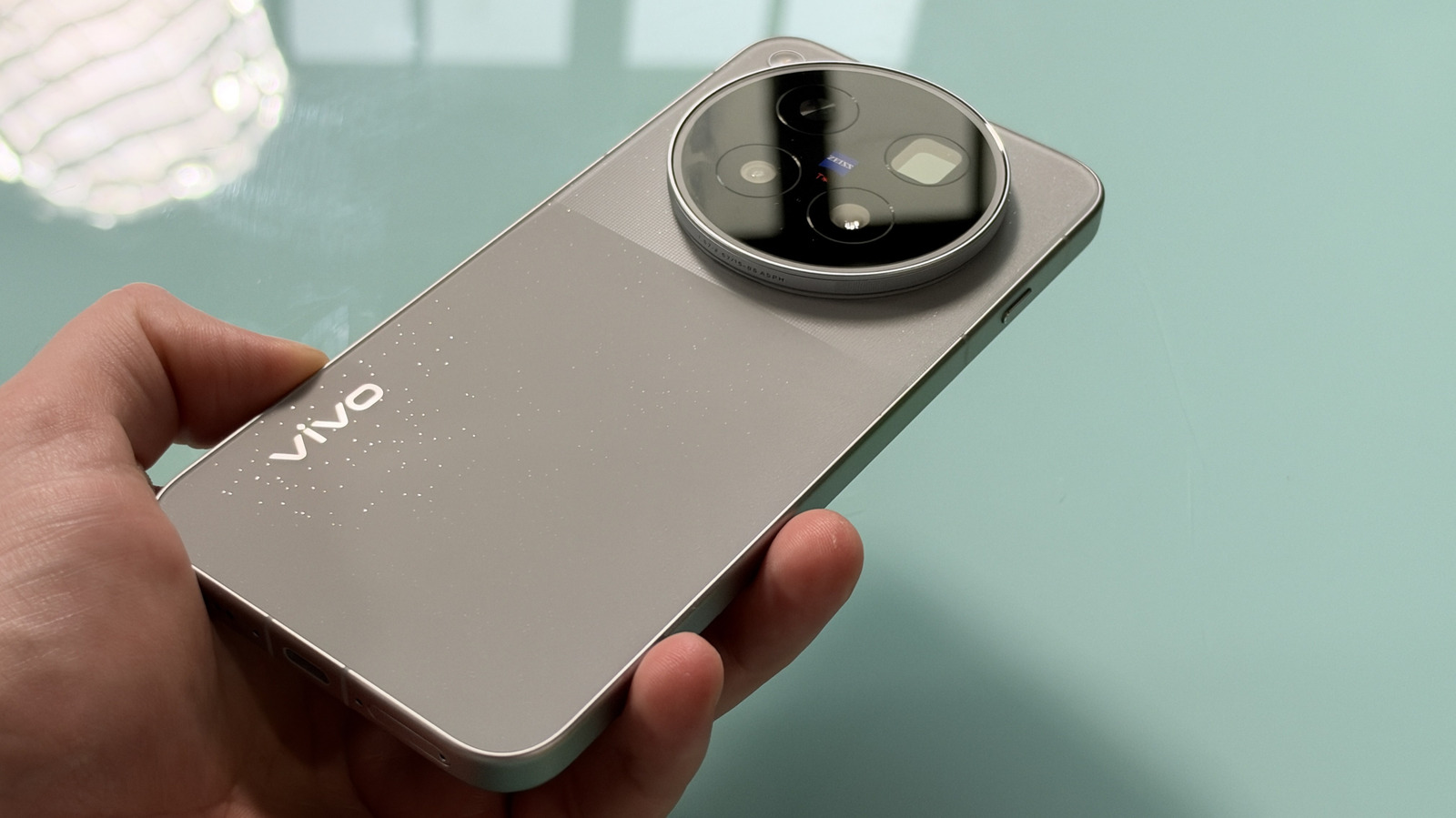
The X500 Pro Max arrives as a massive upgrade over the X300 Pro, and in several key metrics, it comfortably outperforms even the more expensive X300 Ultra. However, this strategy introduces a unique challenge: managing consumer expectations in a market where hardware prices are soaring and flagship cycles overlap.
The Optical Core: Sensors and Stabilization
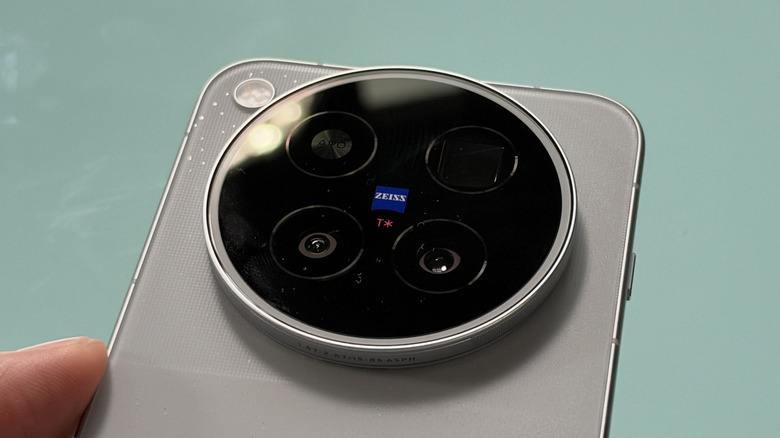
At the heart of the X500 Pro Max’s imaging capabilities is a robust, meticulously engineered triple-camera array, spearheaded by a massive 50-megapixel Sony Lytia 1/1.28-inch sensor featuring an f/1.6 aperture.
- LOFIC Technology and Dynamic Range: The primary sensor utilizes Lateral Overflow Integration Capacitor (LOFIC) technology. By adding extra capacitors to each pixel to catch and store overflow light charge, the sensor achieves an astonishing 17 stops of dynamic range. While competitors like Oppo achieve a similar dynamic range via proprietary redesigns like DeepPix (employing Front Deep Trench Isolation to physically expand pixel capacity), Vivo’s capacitor-based route yields remarkably similar, high-contrast, and vibrant results.
- The Ultra-Wide and Periscope Telephoto Sensors: Supporting the primary shooter is a 50MP ultra-wide camera built around a 1/1.75-inch sensor. More impressively, the telephoto system leverages a high-resolution, large 200MP 1/1.4-inch sensor, enabling lossless zoom up to 10x magnification.
- Dual-Tier Stabilization: Stabilization is where the X500 Pro Max truly separates itself from the pack. The main sensor incorporates a three-degree gimbal-grade physical stabilization system, allowing the hardware to mechanically compensate for drastic movements—a massive boon when recording video while walking or tracking action. Meanwhile, the periscope telephoto camera utilizes a CIPA 7-rated Optical Image Stabilization (OIS) system. While the "gimbal-grade" rating measures the physical range of angular motion the hardware can handle, the CIPA 7.0 rating measures final anti-shake effectiveness in terms of exposure time, perfectly optimizing long zoom shots and low-light captures where hand tremors ruin clarity.
Supporting Context & Metrics
To fully understand the engineering triumph and minor compromises of the X500 Pro Max, we must look at the quantitative metrics that define its operation.
| Feature / Metric | Vivo X500 Pro Max | Vivo X300 Ultra (Predecessor) | Oppo Find X10 Pro Max (Primary Rival) |
|---|---|---|---|
| Primary Sensor | 50MP Sony Lytia (1/1.28", f/1.6, LOFIC) | 50MP Custom Sensor | 50MP DeepPix Sensor |
| Dynamic Range | 17 Stops | ~14 Stops | 17 Stops |
| Telephoto Sensor | 200MP (1/1.4", up to 10x lossless) | 200MP Periscope | High-res Periscope Array |
| Stabilization | 3-degree Gimbal + CIPA 7.0 OIS | Standard OIS + Gimbal-lite | CIPA-rated OIS |
| Video Capabilities | 4K at up to 240 fps, ACES Workflow, Custom LUTs | 4K at up to 120 fps | Open-Gate Recording, 4K/120fps |
| Processor | MediaTek Dimensity 9600 Pro (2nm) | Flagship Predecessor Chip | Flagship Silicon |
| Battery Capacity | 7,800mAh (Region-dependent) | 6,600mAh | ~5,500 – 6,000mAh range |
| Wired Charging | 90W Fast Charging + Bypass Charging | 80W – 90W Charging | High-wattage Charging |
| Display Specifications | 6.85" AMOLED (1440 x 3168, 144Hz, 4,500 nits) | 6.82" AMOLED (120Hz) | Similar High-End Panel |
Videography Ecosystem and Zeiss Collaboration
Vivo’s engineering team has gone beyond simply cramming larger sensors into a phone body; they have built an entire ecosystem around mobile filmmaking.
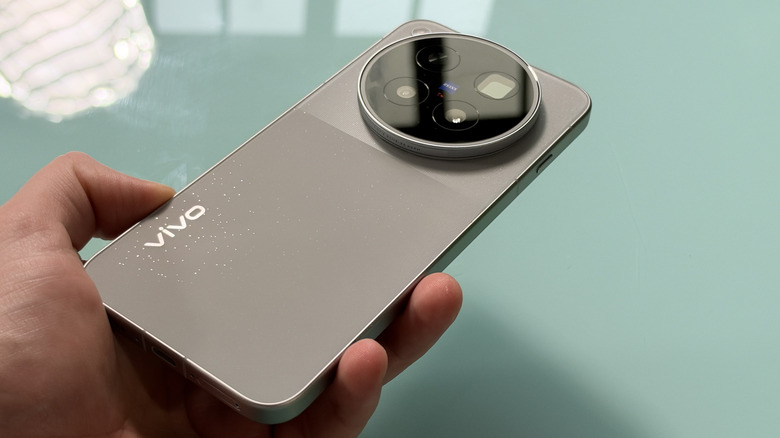
The Pro Video Mode offers native support for custom LUTs (Look-Up Tables) with real-time previews, allowing videographers to bake their signature color grading directly into the footage. Furthermore, Vivo’s log format natively supports the ACES (Academy Color Encoding System) workflow, making it a viable B-roll or primary capture device for professional cinematographers working within standardized post-production pipelines.
The combination of the 2nm MediaTek Dimensity 9600 Pro processor and advanced thermal management allows the X500 Pro Max to support 4K video recording at up to 240 fps—effectively doubling the 120 fps cap seen on the older X300 Ultra.
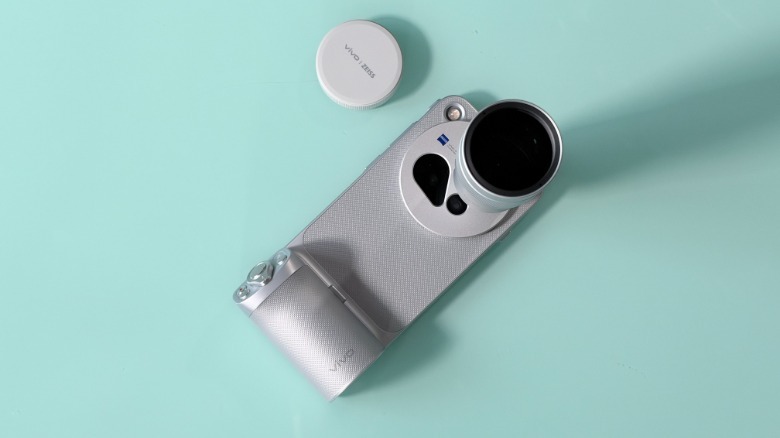
Additionally, Vivo continues its partnership with legendary German lens maker Zeiss. The X500 Pro Max supports modular Gen 2 teleconverter lenses. The Gen 2 Telephoto Extender adds 2.35x magnification, while the Gen 2 Ultra cranks optical zoom up to 4.7x on top of the native 200MP periscope sensor. When mounted inside the dedicated camera grip case, the phone transforms into a modular, DSLR-esque hybrid.
Hardware Endurance and Design Architecture
Beyond the optics, the physical shell of the X500 Pro Max houses monumental improvements in daily usability:
- The Battery Monster: In select territories, the device packs an unprecedented 7,800mAh battery, a gargantuan leap over the X300 Ultra’s already impressive 6,600mAh cell. This is paired with 90W high-wattage fast charging and bypass charging, which routes power directly to the motherboard during heavy tasks like mobile gaming or extended 4K recording, drastically reducing heat generation and battery degradation.
- Display and Durability: The device features a slightly larger 6.85-inch AMOLED display (boasting a 1,440 x 3,168 resolution, 144Hz refresh rate, Dolby Vision, HDR10+, and a blinding 4,500 nits of peak brightness). Protection is equally robust, backed by dual IP68 and IP69 ingress ratings, guaranteeing safety against both continuous submersions and high-pressure, high-temperature water sprays.
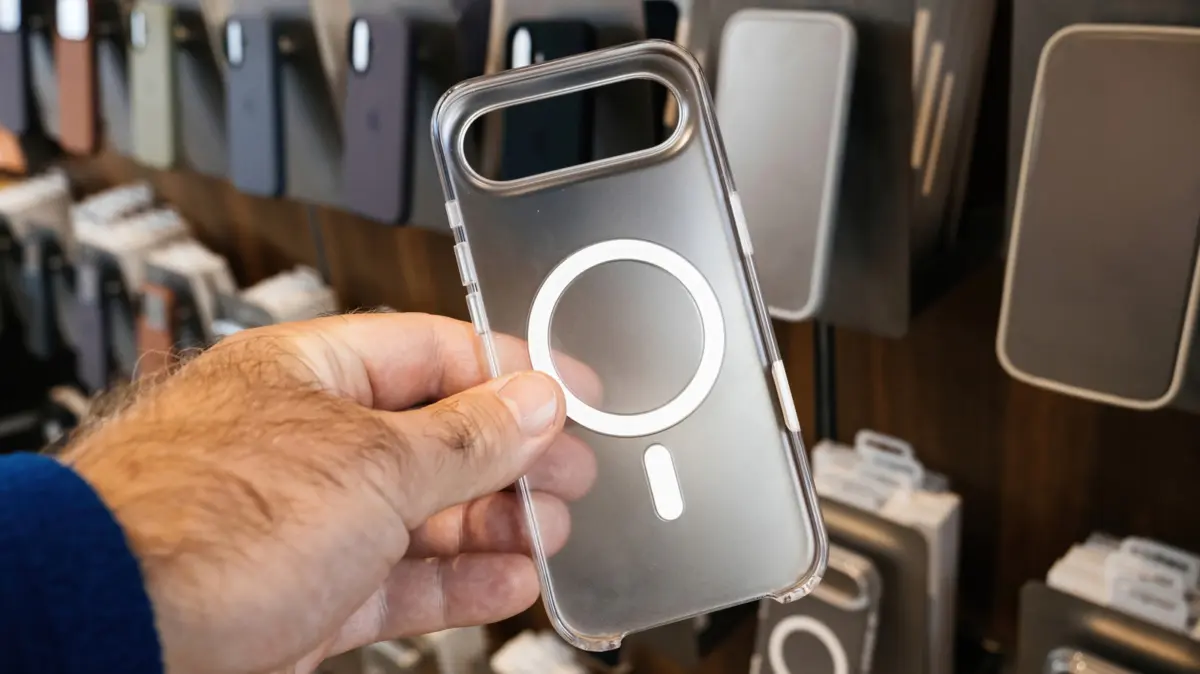
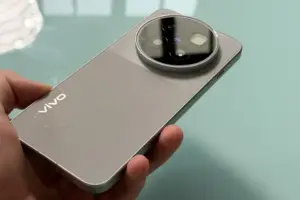
- Aesthetic Touches: While the camera bump remains an unmissable focal point, the rear glass panel features a subtle dot-matrix effect that interacts dynamically with ambient light when unencumbered by a protective case.
Official Statements & Industry Perspectives
While official corporate messaging from Vivo emphasizes the democratization of professional filmmaking tools, hands-on field testing reveals a more nuanced reality—one where hardware brilliance occasionally battles software friction and computational overreach.
Reviewers and early industry testers have universally praised the physical stability afforded by the three-degree gimbal system. Real-world footage captured on foot exhibits a fluid, judder-free quality previously unattainable without heavy, motorized external gimbals. Furthermore, low-light performance has seen a dramatic reduction in the annoying "pulsing pixel" effect that plagues sensors struggling to lock focus in dim environments.
However, industry analysts and field testers have not hesitated to point out areas where Vivo trails its primary competitors:
- The Open-Gate Deficit: Videography purists have noted that while the X500 Pro Max introduces blazing-fast frame rates and professional color pipelines, it conspicuously lacks an open-gate recording option—a feature successfully implemented by Oppo on the Find X10 Pro Max.
- Computational Over-Processing: Despite the stellar physical hardware, Vivo’s reliance on aggressive computational photography remains a double-edged sword. While photos are punchy, vibrant, and rich in contrast, aggressive highlight suppression can occasionally make scenes look unnaturally augmented—resembling a heavy-handed Photoshop filter rather than an authentic optical capture. Furthermore, when pushing the system to its limits with AI-assisted zoom and telephoto attachments, users still encounter the dreaded "AI interference swirl"—a digital artifacting effect that warps text and human faces. Many veteran photographers would prefer a slightly darker, grainier, but optically honest image over an AI-smoothed fabrication.
Future Outlook & Global Availability
The rollout of the Vivo X500 Pro Max raises critical questions regarding the future geography of mobile technology. Like its rivals, Vivo treats this release as a "global launch," yet its distribution strategy remains deliberately calculated.
Where Can You Buy It?
Consumers in the United States and the United Kingdom will once again be left out in the cold, as Vivo continues to omit North America and the UK from its primary retail roadmap. Instead, the device is rolling out across select key territories, including:
- Europe: Spain, Italy, Austria
- Asia & Middle East: India, Hong Kong, Singapore
- Latin America: Brazil
The Software Hurdle
If Vivo wishes to truly capture mainstream global dominance outside of its stronghold regions, it must address its software Achilles’ heel. The device ships with Origin OS 7, a custom user interface that currently leans heavily into a cluttered, intrusive user experience.
Reviewers have flagged frequent, unsolicited system tips that interrupt users to explain basic gestures, alongside an aggressively pushed proprietary app store (the V-App Store). This native storefront frequently bombards users with pop-up advertisements for third-party tools like ChatGPT, attempting to intercept major downloads like Netflix and WhatsApp before users can route them through the standard Google Play Store. Because the V-App Store cannot be entirely uninstalled, it casts a shadow over an otherwise blazing-fast operating system.
Final Verdict
The Vivo X500 Pro Max is an engineering tour de force. It redefines what is possible with physical image stabilization in a smartphone, introduces a battery capacity that shatters industry norms, and provides videographers with professional-grade tools like ACES workflows and modular Zeiss optics.
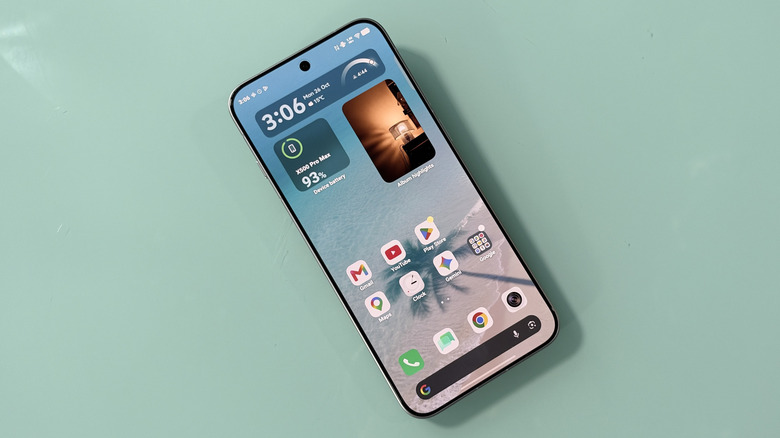
Yet, it is a device of contrasts. Its brilliant hardware is occasionally tripped up by aggressive AI photo processing and a chaotic, ad-laden software skin. For mobile filmmakers and photography enthusiasts willing to step outside traditional ecosystem boundaries, the X500 Pro Max offers an unmatched creative toolkit. But for Vivo to truly challenge the global establishment, its next great software update must focus as much on streamlining the user experience as its engineers do on stabilizing the lens.