Executive Overview
A sprawling, high-stakes federal investigation into the notorious ShinyHunters cybercrime collective has blown the lid off a dark, previously obscured ecosystem operating at the intersection of corporate cybersecurity and cyber extortion. U.S. federal investigators pursuing the syndicate—which recently executed a devastating breach of the FBI’s recruitment portal—have uncovered shocking alliances. According to sources close to the probe, authorities have identified executives at multiple prominent ransomware negotiation and consulting firms who maintained uncomfortably close, transactional ties with the extortion group.
In one of the most alarming revelations of the sweep, a U.S.-based consulting executive is accused of actively helping ShinyHunters operate a public extortion portal designed to pressure victims into paying out multi-million-dollar ransoms. This development underscores a deepening crisis of trust within the incident response industry. As federal agencies scramble to untangle a web of encrypted chats, international arrests, and alleged murder-for-hire plots, the case highlights a systemic vulnerability: the severe, inherent conflicts of interest plaguing third-party ransomware negotiators whose financial incentives often align more closely with cybercriminals than with the victims they are hired to protect.
Detailed Chronology: From Dutch Raids to Canadian Indictments
The current federal crackdown is the culmination of a fast-moving international law enforcement blitz sparked by a relentless campaign of high-profile cyberattacks.
The Evolution of ShinyHunters
Active since 2019, ShinyHunters initially operated under the leadership of cybercriminals based in France. Over the years, as law enforcement systematically dismantled the original core through arrests and extraditions, leadership of the brand drifted into the hands of younger, highly aggressive operators. Control ultimately fell to “Rey,” identified last year by researchers and law enforcement as a teenage hacker residing in Amman, Jordan. According to FBI assessments, ShinyHunters has successfully extorted over $70 million from corporate and institutional victims globally this year alone.
The FBI Portal Breach and Immediate Retaliation
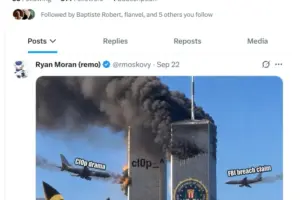
The group crossed a fateful red line in late September, successfully compromising the FBI recruitment website, fbijobs.gov. To rub salt in the wound, the hackers taunted the bureau, threatening to publicly leak deeply sensitive personnel data, including Social Security numbers, home addresses, psychological evaluations, and internal unit specializations.
The audacity of targeting the nation’s premier law enforcement agency prompted an unprecedented, lightning-fast response. On October 3, Reuters reported that Rey had been detained by Jordanian authorities and was actively cooperating with federal investigators.

The Arrest of Pepijn van der Stap
Rey’s ascension to leadership had been facilitated by the abrupt neutralization of a senior peer. On the evening of September 15, 2026, Dutch law enforcement executed a dramatic tactical raid—employing flash-bang grenades to stun and capture convicted hacker and ShinyHunters suspect Pepijn van der Stap while he was actively logged into his digital accounts.
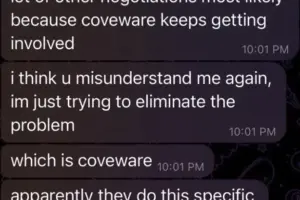
Crucially, Dutch police seized Van der Stap while his Signal instant messaging application remained open. This tactical win allowed investigators to harvest a goldmine of recent communications with key international contacts, including ransomware negotiators operating out of Canada and the United States. Furthermore, sources close to the investigation revealed that these same chat logs exposed an emerging, chilling development: a suspected murder-for-hire plot directed abroad by Van der Stap, aimed at neutralizing perceived threats or adversaries (though no indications suggest the murders were ultimately carried out).
The Downfall of Edward Dubrovsky
The decrypted Signal threads provided the blueprint for further arrests. On October 9, federal authorities apprehended Edward Dubrovsky, a 54-year-old Canadian cybersecurity executive, charging him with threatening to disclose hacked data and interfering with interstate commerce through extortion. Dubrovsky, who had recently authored a book on handling cyber extortion that championed a "pay-to-play" philosophy, now faces federal prosecution, with prosecutors successfully moving to keep him detained pending trial.
Investigators reviewing Van der Stap’s messages made another explosive discovery: Dubrovsky possessed advance knowledge of the ShinyHunters breach targeting FBI servers yet failed to notify the bureau before the hackers publicly weaponized the stolen personnel files on social media.
Supporting Context & Metrics: The Mechanics of Extortion
The investigation has shed harsh light on the operational mechanics of modern cyber extortion, particularly the role of digital shaming platforms and misaligned market incentives.
The Rise and Fall of Shinywire
Federal investigators believe that at least one executive at a prominent U.S.-based consulting firm played a direct, hands-on role in operating “shinywire[.]com,” a specialized victim extortion portal used by ShinyHunters. Operating openly from May 3 to October 16, the site featured profiles of nearly 100 organizations compromised by the hackers.

The website served as a digital pressure cooker. Each victim entry displayed samples of stolen corporate data and imposed a strict seven-day countdown. If organizations refused to negotiate or pay within the allotted window, the stolen proprietary data was dumped onto the group’s dark web shaming blog hosted on the Tor network. Prominent casualties listed on the portal included American medical technology giant Intuitive Surgical, which suffered a credential-compromise phishing attack in March 2026.
The PowerSchool Precedent
The lucrative nature of these schemes is best illustrated by the December 2024 breach of education technology firm PowerSchool, where ShinyHunters pilfered private records belonging to 62 million students and 9.5 million teachers across the U.S. and Canada. PowerSchool reportedly paid a $2.85 million ransom—assisted by cybersecurity advisory firms—only to face a secondary wave of extortion months later from bad actors weaponizing the exact same leaked datasets.
This case study validates warnings from premier incident response firms like Coveware and Unit 221B, which have consistently advised victims against paying ShinyHunters. Their core argument is simple: paying cybercriminals provides zero technical guarantee that stolen data has been destroyed, and often incentivizes bad actors to resell or re-extort the stolen information down the line.
Conflict of Interest in the Boardroom
The financial architecture of the ransom negotiation industry has increasingly drawn regulatory and law enforcement scrutiny. Many firms operating in this space charge a fee structured as a percentage of the total ransom paid. According to industry leaders like Mark Camillo, CEO of CyberAcuView, this practice introduces a profound, toxic conflict of interest.
"It has come to the industry’s attention that many of the ransomware payers charge a percentage of the final payment," Camillo noted, pointing out that negotiators have a perverse financial incentive to inflate ransom payouts and refrain from driving hard bargains on behalf of their corporate clients.
This systemic rot is increasingly being targeted by the U.S. Department of Justice. Notably, the DOJ charged MonsterCloud CEO Zohar Pinhasi with wire fraud and conspiracy after he allegedly went behind his clients’ backs to pay hackers $8 million while billing customers $19 million for remediation. Similarly, ransomware negotiator Angelo Martino was sentenced to 70 months in prison for conspiring with the Blackcat/ALPHV group to leak client negotiation strategies to maximize extortion profits.

Official Statements and Industry Fallout
The unfolding scandal has sent shockwaves through the cybersecurity and cyber-insurance sectors, prompting rapid distancing maneuvers from affected corporate entities.
In statements addressing Edward Dubrovsky’s arrest, Cypfer—a major international cybersecurity firm co-founded by Daniel Tobok, where Dubrovsky previously served as chief operating officer—vehemently distanced itself from the disgraced executive.
"We had no prior knowledge of Mr. Dubrovsky’s arrest," a Cypfer spokesperson stated via email. "CYPFER has not received any outreach from law enforcement and, to our knowledge, is not the target of any law enforcement investigation."
Cypfer further clarified its corporate independence from CyberSteward Inc.—another firm linked to the broader controversy—and noted its recent acquisition by the Apros Group, a holding company led by former FBI special agent Jason Hogg.
Meanwhile, old ghosts have re-emerged within the investigative aperture. Former colleagues of Daniel Tobok revealed to researchers that years prior, Tobok was known in select dark web circles by the moniker “Ghostbyte.” Unearthed communication logs from a 2018 ransomware incident involving the Russian-language Dharma affiliate program showed hackers directing a desperate victim to contact an IT professional via the email address [email protected], pointing to deep historical roots linking traditional IT service providers to underground extortion economies.
Future Outlook: A Turning Point for Incident Response
The intersection of state-backed investigations, high-profile arrests, and corporate corruption marks a definitive watershed moment for the cybersecurity industry. The myth that the incident response and ransomware negotiation ecosystem operates entirely above board has been shattered.

Moving forward, federal prosecutors are expected to expand their dragnet, scrutinizing other self-proclaimed "cyber remediation" and negotiation firms whose operations blur the line between defense and collusion. For corporate boards and cyber-insurance carriers, the mandate is clear: rigorous vetting, absolute financial transparency, and a decisive break from the "pay-at-all-costs" mentality that has inadvertently fueled a multi-million-dollar criminal enterprise.
As the Department of Justice continues to unseal indictments and unravel the encrypted networks of syndicates like ShinyHunters, the message to corrupt insiders is unequivocal: the shield of professional legitimacy will no longer protect those who sup at the table of cyber extortion.