Executive Overview
The sprawling, decentralized cybercrime underworld has long relied on shadowy monikers and recycled identities to mask its operations. Yet, few recent sagas match the complex, high-stakes unraveling surrounding the notorious data theft and extortion collective known as ShinyHunters.
Recent investigative reporting and international law enforcement maneuvers have exposed a startling nexus of teenage arrogance, high-profile corporate extortion, and geopolitical friction. At the center of this storm is a teenager from Amman, Jordan, known by the hacker handle "Rey." Identified by security researchers as Saif Al-din Khader, Rey was recently detained by Jordanian authorities and is reportedly cooperating with the Federal Bureau of Investigation (FBI).
Rey’s apprehension occurred precisely as the revived "ShinyHunters" franchise was moving to extort a high-value aviation target: a business unit recently divested by global aerospace titan Boeing. Adding a striking layer of irony, this targeted division manufactures aviation software utilized by the employer of Rey’s own father—Royal Jordanian Airlines.
This investigative feature explores the mechanics of Rey’s rise and fall, the exploitation of widespread enterprise software vulnerabilities, the startling evolution of ShinyHunters into a fragmented franchise model, and concurrent allegations of extreme violence surrounding associated cybercriminals in Europe.
Detailed Chronology: From Zero-Day Exploits to Detention
The trajectory of the modern ShinyHunters campaign is marked by audacious intrusions, sophisticated evasion tactics, and digital bravado that ultimately outpaced the threat actors’ operational security.
Summer 2026: The PeopleSoft Campaign
In June, a collective operating under the ShinyHunters banner began mass-exploiting a critical zero-day vulnerability (CVE-2026-35273) affecting PeopleSoft, an Oracle software-as-a-service (SaaS) platform widely leveraged across global enterprises for human resources, payroll, and recruitment administration.

While Oracle scrambled to issue an emergency patch, threat intelligence firms—including Mandiant and the Google Threat Intelligence Group (GTIG)—released web application firewall (WAF) mitigation rules. Undeterred, ShinyHunters bypassed these security controls using established URL-encoding evasion techniques. According to communications with security media outlets, the group’s initial strategic objective had been to breach the FBI’s own PeopleSoft infrastructure—an ambition that yielded mixed technical results but set the stage for widespread collateral damage.
By late September, reports confirmed that the zero-day campaign had compromised dozens of systems spanning higher education, healthcare, technology, agriculture, transportation, and government sectors. Notably, a vulnerability on an FBI recruitment portal—left unpatched by an Accenture contractor—exposed sensitive personnel files, including unit specializations and psychiatric records for over 5,000 individuals.
Mid-September 2026: The Dutch Connection and the Arrogance of "Rey"
The geopolitical pressure cooker intensified on September 15, 2026, when Dutch police executed a dramatic flash-bang raid in Amsterdam, arresting 24-year-old convicted cybercriminal Pepijn van der Stap on suspicion of laundering and facilitating ShinyHunters extortion operations.
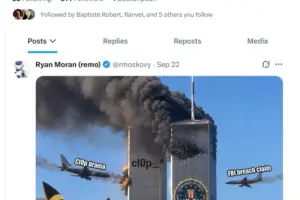
Seizing upon the law enforcement vacuum left by Van der Stap’s arrest—and the prior dismantling of the group’s historical French core members—Rey seized control of the "ShinyHunters" brand. Operating from Amman, the teenager engaged in public taunts directed at both the FBI and the rival Cl0p ransomware cartel. Using Twitter/X, Rey posted a series of mocking memes that incorporated avatars associated with Van der Stap’s former alias, "Umbreon," in a clumsy, transparent effort to frame the imprisoned Dutchman for the newly executed attacks.
Late September to Early October 2026: The Net Closes
Rey’s digital swagger proved short-lived. Following inquiries sent to his family regarding his online activities, Rey rapidly purged his social media presence, abandoning his Twitter profiles and cutting ties with public channels. However, his GitHub-hosted technical blog remained online, revealing an obsessive fixation on unmasking the core leadership of the Cl0p ransomware syndicate.
By October 3, international news agency Reuters cited three confidential sources confirming that Saif Al-din Khader had been detained in Amman by Jordanian law enforcement and was actively cooperating with federal investigators from the United States.

Supporting Context & Metrics: The Anatomy of a Cybercrime Franchise
To understand how a teenager could command a globally feared cybercrime brand, security analysts point to the structural evolution of modern ransomware and data theft syndicates.
The "Dread Pirate Roberts" Franchise Model
The original ShinyHunters collective first emerged around 2019, orchestrating massive data thefts that impacted billions of user records. However, law enforcement actions—principally led by European agencies targeting the group’s French-speaking core—largely neutralized the original roster.
Rather than dying out, the brand name was effectively franchised. Security researchers compare this succession model to the fictional Dread Pirate Roberts from The Princess Bride: the original persona is discarded or captured, and new criminal entrepreneurs step into the vacancy, inheriting the brand equity, PGP keys, and dark web forums.
According to threat intelligence estimates:
- Financial Impact: Independent investigations and underground trackers suggest Rey’s network of cybercriminal freelancers may have driven upwards of $200 million in cumulative corporate damages over preceding months.
- The Affiliate Cut: Freelance hackers fed stolen credentials from corporate SaaS platforms into the ShinyHunters ecosystem, negotiating ransoms in exchange for a 25% to 30% cut of extortion payouts.
- PR and Propaganda: In interviews with cybersecurity journalists, the modern ShinyHunters faction admitted that their decision to target high-profile entities like the FBI was driven by a need to counter official government warnings that advised corporations against paying ransoms. In essence, the hacks served as aggressive marketing campaigns to preserve their extortion revenue streams.
Official Statements and Corporate Responses
The fallout from the ShinyHunters campaign prompted swift, formal responses from the multinational corporations and institutions caught in the crossfire.
Boeing and Jeppesen ForeFlight
The final catalyst for the FBI’s accelerated pursuit of Rey was the targeting of a navigation and digital aviation unit recently divested by aerospace giant Boeing. The data theft involved proprietary information from Jeppesen ForeFlight, a flight operations subsidiary that Boeing sold to private equity firm Thoma Bravo in November 2025 for $10.55 billion.

"We are aware of claims by a threat actor regarding data allegedly associated with Boeing and our former subsidiary Jeppesen ForeFlight," a Boeing spokesperson stated. "Estamos actively reviewing the matter with the Jeppesen ForeFlight team."
Jeppesen ForeFlight maintained a measured posture regarding operational continuity:
"Based on our investigation to date into this claim and proactive security posture, there was no impact to our operations or products."
The Accenture Fallout
In the wake of the FBI recruitment database breach, Reuters reported that the federal agency swiftly severed ties with an Accenture contractor responsible for maintaining the compromised portal. The failure to apply timely patches to the Oracle PeopleSoft platform exposed sensitive records for thousands of federal personnel, presenting a severe operational security hazard.
Future Outlook: Unresolved Threads and the Dark Web Aftermath
As Saif Al-din Khader navigates his detention in Jordan and cooperates with federal authorities, broader questions loom over the structural integrity of the cybercrime economy.
The Murder-for-Hire Allegations in Amsterdam
Parallel to the ShinyHunters investigation, Dutch media outlet RTL reported explosive developments concerning Pepijn van der Stap. Beyond his involvement in million-euro extortion rings, Dutch investigators harbor strong suspicions that Van der Stap attempted to orchestrate at least two murders abroad. These allegations complicate the narrative of Van der Stap as a reformed security professional working for firms like Neo Security, casting a much darker shadow over the upper echelons of entrepreneurial cybercriminals who seamlessly transition between legitimate enterprise security and underground syndicates.

The Death of a Brand
In underground Telegram channels—specifically a community server sardonically named "The Battle"—the reaction to Rey’s arrest has been characterized by widespread schadenfreude. Cybercrime peers have openly mocked the teenager for attempting to wield a burned brand name, labeling him an amateur who squandered operational security and brought unnecessary heat onto freelance affiliate networks.
With the ShinyHunters darknet portal knocked offline following an FBI ultimatum, and key operators either imprisoned in Europe or detained in the Middle East, the franchise faces an unprecedented existential crisis. Yet, cybersecurity experts caution that the underlying economic incentives—fueled by accessible enterprise SaaS vulnerabilities and eager corporate ransom payers—ensure that new monikers will inevitably rise to fill the void left by Rey and his contemporaries.