Executive Overview
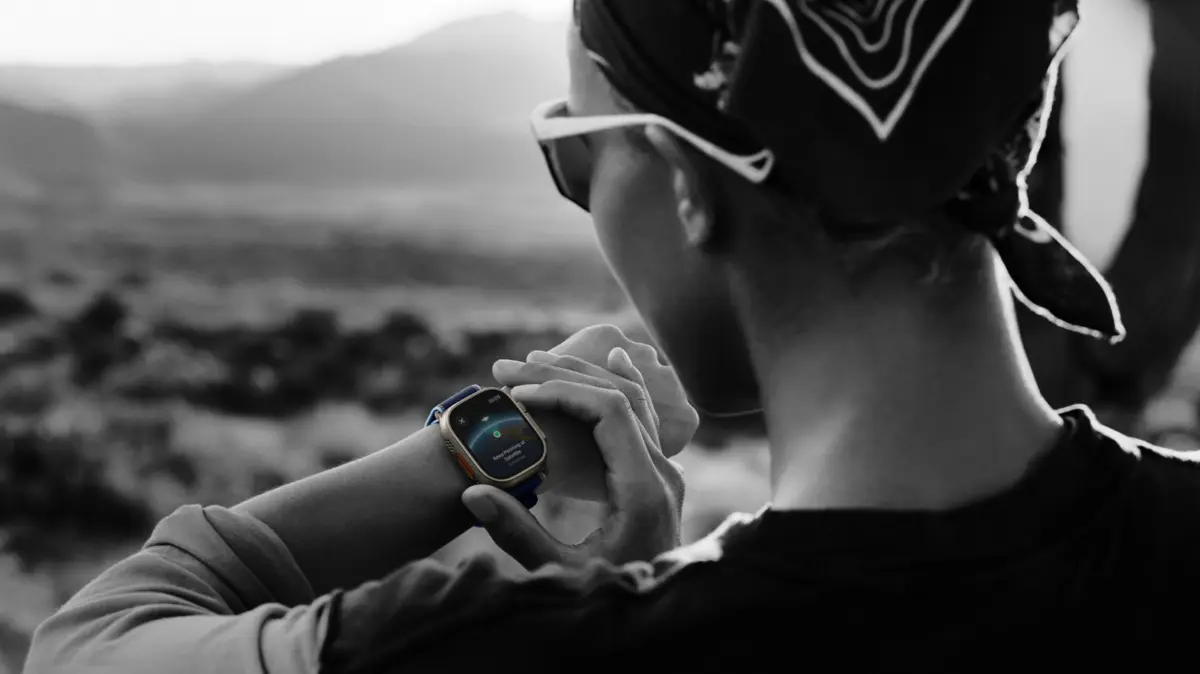
The global wearable technology market stands at a fascinating crossroads, and industry pioneer Apple is reportedly contemplating some of its most radical hardware departures since the debut of the original Apple Watch a decade ago. According to recent supply chain and insider reports detailed by Bloomberg’s Mark Gurman, Apple is actively exploring a sweeping overhaul of its smartwatch ecosystem. While near-term iterations—such as the anticipated Series 12 and Ultra 4 models—are projected to maintain a familiar industrial design, the long-term roadmap hints at an ambitious restructuring of the product line.
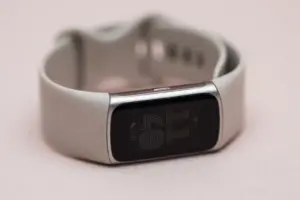
Among the most provocative concepts under evaluation is a screen-free wearable device designed to compete in an emerging sector popularized by fitness-focused bands like Whoop and Oura. This potential pivot highlights a broader philosophical question within Apple’s Cupertino headquarters: How should health monitoring, artificial intelligence, and notifications be delivered to the human body when the traditional touchscreen form factor is no longer the definitive standard?
Beyond screen-free alternatives, Apple’s exploratory pipeline includes a diversification of screen sizes and form factors aimed at polarizing ends of the consumer spectrum. Reports indicate that Apple is weighing options to introduce ultra-premium tiers that sit above the current Ultra and Hermès lineups, while simultaneously investigating ways to lower the barrier of entry below the current price point of the Apple Watch SE. These hardware adjustments are expected to be complemented by aesthetic revivals—such as the anticipated return of the ceramic case—and deeper integrations with Apple’s rebuilt, AI-powered Siri assistant.
As the wearables market matures and competitors introduce novel health tracking paradigms, Apple’s internal debates signal that the next decade of personal technology will likely move far beyond the standard rectangular glass display strapped to the wrist.
Detailed Chronology
The Evolution of the Apple Watch Form Factor
Since its commercial launch in April 2015, the Apple Watch has maintained a remarkably consistent design language. Defined by a curved rectangular chassis, a physical side button, and the iconic Digital Crown, the device has seen incremental physical adjustments rather than wholesale reinventions.
- 2015–2019 (Series 0 to Series 5): The foundational era established the core wearable experience, focusing primarily on notifications, basic activity tracking, and fashion collaborations (such as the original gold Apple Watch Edition and Hermès partnerships). The introduction of the ceramic case during this era offered a scratch-resistant, high-end alternative to aluminum and stainless steel.
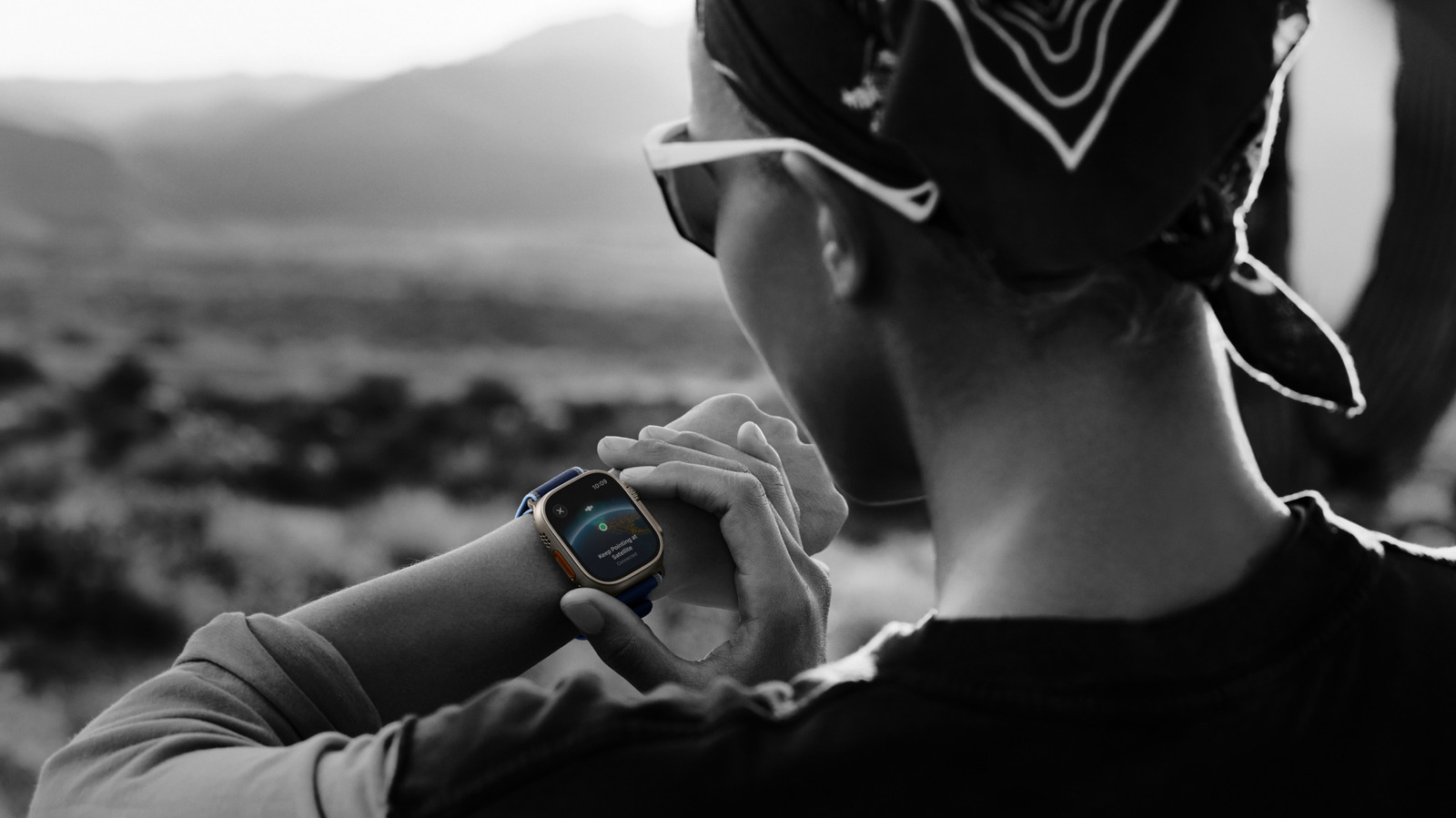
- 2020–2022 (Series 6 to Series 8 & Ultra): Apple expanded the display footprint with Series 4 and Series 7, shrinking bezels while maintaining the overall silhouette. In 2022, Apple shattered its traditional mold by introducing the Apple Watch Ultra—a rugged, titanium-clad sports watch featuring a flat sapphire crystal display, a physical action button, and a significantly larger 49mm casing tailored for endurance athletes and outdoor adventurers.
- 2023–2025 (Series 9 to Series 11): These generations focused heavily on internal silicon upgrades, brighter displays, and gesture controls like Double Tap. However, design stagnation became a frequent talking point among tech analysts, as consumers grew accustomed to the familiar aesthetic.
- 2026 and Beyond (The Strategic Pivot): According to current leakage and insider reporting, Apple is preparing a multi-pronged approach to break this design fatigue. While the upcoming Series 12 and Ultra 4 are locked into conservative roadmaps, internal development teams have been given clearance to prototype radically different form factors, pointing toward an evolutionary leap slated for late 2026 or 2027.
The Shift Toward Diverse Price Points and Form Factors
Apple’s traditional strategy relies on a tiered product pyramid: a high-end luxury tier, a mainstream flagship tier, and a value-oriented SE tier. However, competitive pressures from both ends of the market are forcing Cupertino to rethink this architecture.
At the premium end, brands like Garmin and specialized luxury watchmakers have captured high-net-worth consumers seeking specialized aviation, marine, or extreme tactical capabilities. Apple’s exploration of ultra-premium models aims to capture this affluent demographic more aggressively. Conversely, the explosive growth of budget-friendly fitness trackers and smart rings has cut into the lower-tier market. By investigating a price point significantly cheaper than the Apple Watch SE, Apple could capture emerging markets in developing economies and appeal to minimalists who find traditional smartwatches too complex or expensive.
Supporting Context & Metrics
The Rise of Screen-Free Wearables
To understand why Apple is seriously evaluating a screen-free device, one must examine the shifting demographics of the fitness technology sector. Over the past several years, companies like Whoop and Oura have demonstrated that a substantial consumer base actively rejects the distraction of a glowing screen on their wrist or finger.
- Distraction Fatigue: Modern consumers are increasingly seeking "digital detox" mechanisms. A device that constantly buzzes with email previews, text messages, and app alerts can exacerbate cognitive overload.
- Battery Longevity: Display panels are among the most power-hungry components in any portable electronics device. By eliminating the screen entirely, manufacturers can achieve battery lifespans measured in weeks rather than hours, dramatically reducing user friction.
- Biometric Focus: Screen-free bands prioritize continuous passive health monitoring—such as heart rate variability (HRV), skin temperature, blood oxygen saturation, and sleep architecture—delivering insights via a smartphone companion app rather than real-time wrist glances.
Market Dynamics and Competitive Pressures
The global smart wearable market is projected to surpass $100 billion by the end of the decade, driven by continuous advancements in miniaturized biosensors and localized machine learning.
| Competitor Category | Primary Value Proposition | Threat Level to Apple |
|---|---|---|
| Smart Rings (e.g., Oura, Samsung) | Low-profile, highly comfortable 24/7 sleep and recovery tracking without wrist clutter. | High (capturing users who dislike sleeping with bulky watches). |
| Fitness Bands (e.g., Whoop, Fitbit) | Subscription-based continuous coaching, screenless design, multi-day battery life. | Moderate-High (appealing to hardcore athletes and minimalists). |
| Rugged Multisport Watches (e.g., Garmin) | Weeks of battery life, offline topographic mapping, specialized military/aviation tools. | Moderate (challenging Apple Watch Ultra dominance in niche outdoor sectors). |
Apple’s potential entry into the screen-free and hyper-diversified display market is a direct response to these pressures. By covering every possible consumer preference—from a zero-distraction health band to a luxury titanium timepiece—Apple aims to preemptively neutralize competitor growth in specialized niches.
Official Statements and Industry Insights
While Apple has maintained its customary corporate silence regarding unannounced products, statements pieced together from supply chain audits and reports by veteran tech journalists provide profound clarity on the company’s internal deliberations.
Mark Gurman, writing in his widely read Bloomberg newsletter, noted the fluidity of Apple’s current R&D pipeline:
"While we’re not expecting any major changes with the upcoming Series 12 and Ultra 4 models of the Apple Watch, the company has reportedly been exploring several options for an eventual redesign of its smartwatch… Apple is considering new devices with no displays, as well as different types of screens and various sizes."
Furthermore, industry analysts have emphasized that Apple’s hesitation is strategic rather than indicative of technical paralysis. Redesigning a product as ubiquitous and profitable as the Apple Watch requires absolute certainty regarding consumer adoption curves. Introducing too many variables at once—such as removing screens or dramatically altering casings—risks alienating the massive loyal user base that relies on the device for daily fitness rings, medical-grade ECG readings, and seamless iOS notifications.
Industry observers also point out that the integration of advanced artificial intelligence will dictate the user interface of future wearables. As Gurman highlighted, upcoming wearable iterations are designed to better incorporate the revamped, context-aware Siri. A screenless Apple device, for instance, would rely almost entirely on conversational AI and acoustic commands, making the success of Apple’s next-generation language models a foundational prerequisite for the hardware’s viability.
Future Outlook
As the Apple Watch approaches its second decade on the market, the trajectory of the product points toward profound transformation. The upcoming cycle will likely serve as a transitional phase, maintaining hardware familiarity while quietly laying the groundwork for a broader ecosystem split.
Key Milestones to Watch (2026–2028)
- The Ceramic Revival (2026–2027): Expect Apple to reintroduce high-end ceramic finishes, catering to consumers who prioritize luxury materials and long-term durability over weight savings. New band designs and colorways will inject fresh life into the traditional chassis architecture.
- AI-First Wearable Integration: The rollout of the rebuilt Siri will fundamentally change how users interact with wrist-based or body-worn computers, shifting the paradigm from manual touch inputs to natural language processing and proactive contextual suggestions.
- Form Factor Diversification: Watch for Apple to test the waters with alternative configurations. Whether this manifests as a minimalist, screen-free fitness band designed to rival Whoop or an expanded tier of ultra-luxury displays, Apple is clearly preparing to break the monolithic "one size fits all" design philosophy that has defined the Apple Watch for the past ten years.
Ultimately, Apple’s willingness to re-evaluate the core tenets of its smartwatch lineup proves that even the most dominant tech giants must continually cannibalize their own designs to stay relevant in a rapidly evolving digital landscape. Whether consumers ultimately embrace a wrist device without a screen or gravitate toward an even more expansive ecosystem of specialized Apple wearables, the coming years promise to be the most disruptive in the history of modern personal technology.