Executive Overview
The wearables landscape is bracing for a significant shake-up as Google officially steps up its hardware marketing campaign. Following months of speculation, industry leaks, and accidental promotional appearances, the tech giant has all but confirmed the imminent arrival of a brand-new fitness tracker: the Fitbit Edge.
In coordinated posts across its official Instagram and X (formerly Twitter) accounts, Google Health dropped heavy hints regarding the new device. Accompanied by a sleek teaser image highlighting what appears to be a physical side button, the post featured a clear and compelling call-to-action: "Get an Edge on your health. 10.12.26."
This deliberate capitalization of the word "Edge" heavily validates prior industry leaks pointing to the device’s moniker, while the accompanying date points directly to an upcoming reveal on October 12. Positioned strategically within Google’s burgeoning hardware ecosystem, the Fitbit Edge is rumored to occupy the crucial middle ground between the screenless, budget-friendly Fitbit Air (launched earlier this year) and the premium, full-fledged Pixel Watch 5.
For consumers navigating Google’s unified health and fitness ecosystem, the Fitbit Edge represents a potential sweet spot: a dedicated fitness band equipped with a display, robust battery metrics, and advanced health-tracking integrations, all while avoiding the higher cost and daily charging requirements typical of smartwatches. As anticipation builds toward the official unveiling, this report examines the timeline of leaks, technical specifications, European pricing models, and what this release means for Google’s overarching hardware and subscription strategies.
Detailed Chronology: From Accidental Leaks to Official Teasers
The path to the Fitbit Edge’s official confirmation has been anything but conventional, marked by a classic series of tech-industry leaks, slip-ups in promotional materials, and investigative reporting across multiple continents.
August 2026: The Accidental Marketing Cameo
The saga began in mid-August when eagle-eyed tech enthusiasts at 9to5Google spotted an unknown, unnamed fitness tracker making a surprise appearance within Google’s marketing materials for the upcoming Pixel 11 line. While Google quickly attempted to keep details under wraps, the design was out in the open—revealing a streamlined form factor equipped with a screen, breaking away from the minimalist, screenless trend seen in devices like the Fitbit Air.
Early October 2026: The Name and Specs Surface
The narrative accelerated dramatically in early October. First, Android Headlines published exclusive images of the device, officially dubbing it the "Fitbit Edge" and detailing its suite of built-in applications and sensor capabilities.
Shortly thereafter, French technology magazine Dealabs published a comprehensive technical brief. This report not only validated the device’s design language and commercial name but also broke crucial ground regarding European pricing structures and projected battery endurance metrics.
October 9, 2026: Google’s Official Confirmation
Recognizing that the cat was effectively out of the bag, Google abandoned secrecy in favor of a calculated marketing tease. On October 9, 2026, the official Google Health social media channels published the aforementioned teaser. By showcasing a razor-sharp close-up of the device’s tactile side button alongside the tagline "Get an Edge on your health. 10.12.26," Google successfully shifted the narrative from reactive leak control to proactive product launch hype.
Supporting Context & Metrics: Design, Battery Life, and Pricing
While Google has kept full technical specifications close to its chest until the formal October 12 reveal, cumulative reporting from trusted European and domestic tech outlets has painted a remarkably vivid picture of what the Fitbit Edge will offer.
Positioning Within the Fitbit Ecosystem
To understand the Fitbit Edge, one must look at Google’s current wearable lineup. In recent years, the company has diversified its offerings to capture different tiers of the health-conscious consumer base:
- Fitbit Air: A minimalist, screenless tracker designed for users who prioritize passive metrics without distractions. It serves as the entry-level gateway to Google Health, retailing aggressively at $99 in the US and €99 in Europe.
- Pixel Watch 5: Google’s flagship smartwatch, catering to power users who demand full smartphone integration, advanced standalone applications, and a premium aesthetic at a significantly higher price point.
- Fitbit Edge: The missing link. Designed for traditional fitness tracker enthusiasts who want a dedicated screen, physical controls, and deep biometric tracking without the bulk, battery anxiety, or cost of a full smartwatch.
Hardware Features and Battery Endurance
The last major traditional fitness tracker of this scale introduced by Google was the Fitbit Charge 6 back in 2023, making the market ripe for innovation. The Fitbit Edge reintroduces the physical side button—a feature beloved by users who find touchscreens frustrating to navigate while sweating or wearing workout gloves.
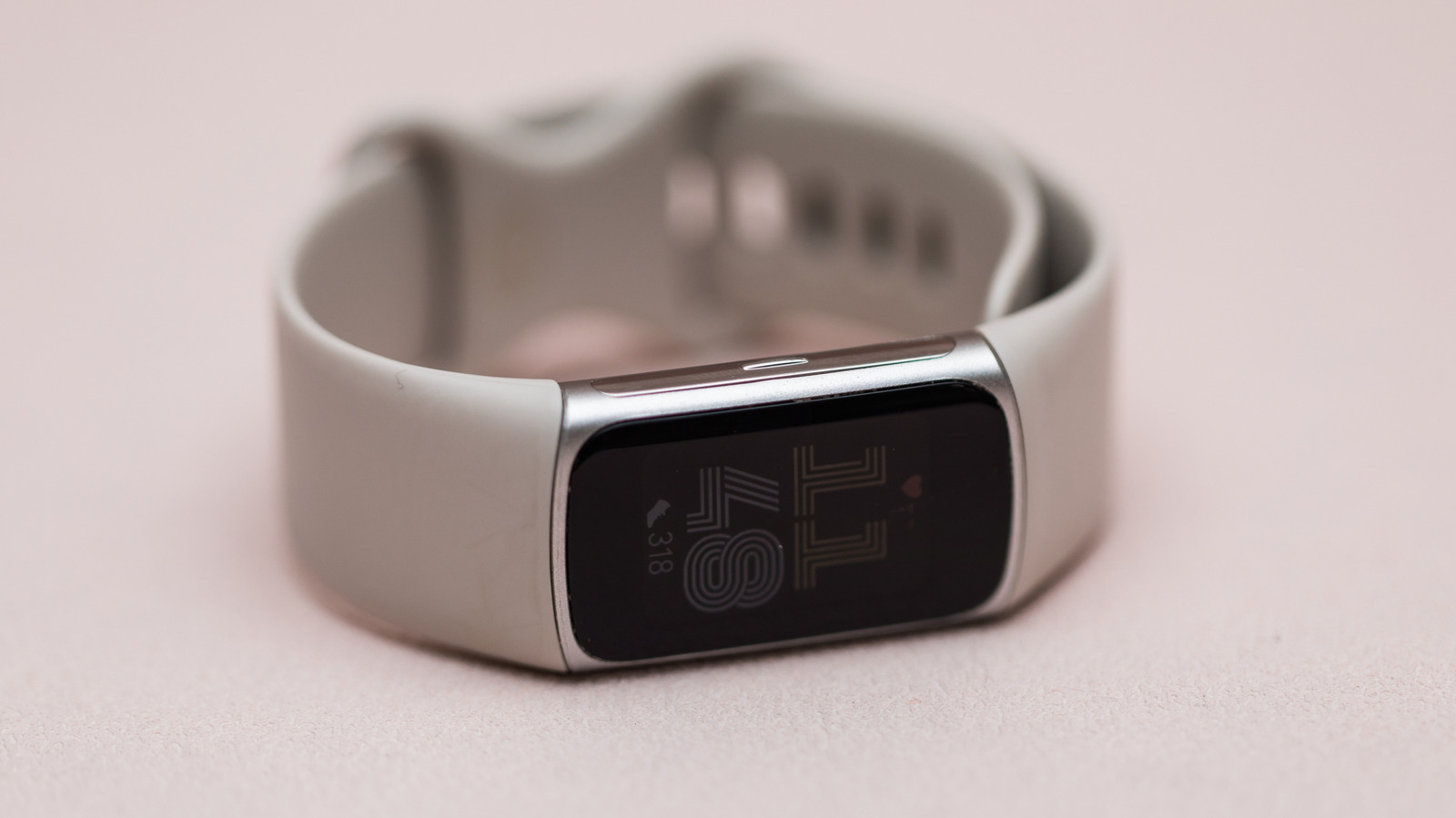
According to reports leaking out of European distribution channels, battery performance will be one of the Edge’s strongest selling points, varying based on user display preferences:
- Up to 7 Days: Achieved with the Always-On Display (AOD) disabled, making it an ideal companion for multi-day backpacking trips or users who prefer a "set-it-and-forget-it" charging routine.
- Up to 2 Days: Expected when the Always-On Display is actively enabled, providing a compromise for users who want immediate glanceability at the cost of more frequent top-ups.
Pricing and Market Expectations
Pricing leaks from Dealabs indicate that the Fitbit Edge will retail for approximately €179 in Europe. While direct currency conversions can sometimes be misleading due to regional taxes and import duties, industry analysts anticipate a US launch price hovering around $180.
This positions the Edge neatly above the budget-friendly Fitbit Air ($99) and below the premium Pixel Watch tier, creating a compelling value proposition for users seeking a feature-rich mid-tier device.
Official Statements and Industry Reactions
Google’s communication strategy surrounding the Fitbit Edge has leaned heavily on punchy, modern digital marketing. Rather than holding a traditional press conference for the teaser, the company deployed targeted social media posts designed to generate viral speculation across Instagram and X.
"Get an Edge on your health. 10.12.26"
— Google Health (@googlehealth), October 9, 2026
Industry analysts have lauded this approach, noting that leveraging the Google Health brand identity—rather than strictly the standalone Fitbit brand—signals a broader corporate shift. Google is aggressively working to unify its hardware ecosystem under its proprietary health services umbrella.
Tech commentators have also pointed out the strategic timing of the release. By dropping the Fitbit Edge in mid-October, Google positions the wearable perfectly for the upcoming holiday shopping season, capturing both early-adopter fitness enthusiasts and consumers looking for health-focused New Year’s resolution gifts.
Future Outlook: Ecosystem Integration and the Subscription Model
As we await the official October 12 unveiling, industry watchers are looking beyond the hardware specifications to evaluate what the Fitbit Edge means for Google’s long-term software and service strategy.
The Push Toward Google Health Premium
Hardware is only half of Google’s modern wearable equation. With the ongoing consolidation of fitness platforms—most notably the integration of legacy Fitbit features into the broader Google Health ecosystem—new device launches serve as primary funnels for recurring subscription revenue.
It is widely expected that the Fitbit Edge will ship with an extended trial of Google Health Premium. This subscription service unlocks advanced biometric deep-dives, personalized AI-driven coaching insights, sleep score breakdowns, and stress management analytics. By pricing the hardware competitively at around $180, Google lowers the barrier to entry, making consumers more receptive to ongoing software subscription fees.
Filling the Void in the Tracker Market
The fitness tracker market has evolved rapidly, with many legacy brands shifting entirely toward smartwatches or ultra-minimalist bands. By breathing new life into the traditional form factor—combining a crisp display, tactile physical buttons, week-long battery life, and sophisticated health sensors—Google is betting that a large segment of the consumer population still prefers a dedicated fitness band over a wrist-mounted computer.
Conclusion
The road to October 12 has been paved with leaks, but Google’s official confirmation of the Fitbit Edge has turned speculative excitement into concrete anticipation. Whether the device ultimately delivers on its promise of bridging the gap between the budget-friendly Fitbit Air and the premium Pixel Watch remains to be seen. However, one thing is certain: Google is doubling down on health tech, and the Fitbit Edge is poised to be one of the most important wearable releases of the late 2026 season. Stay tuned for our comprehensive coverage immediately following the official reveal.