Executive Overview
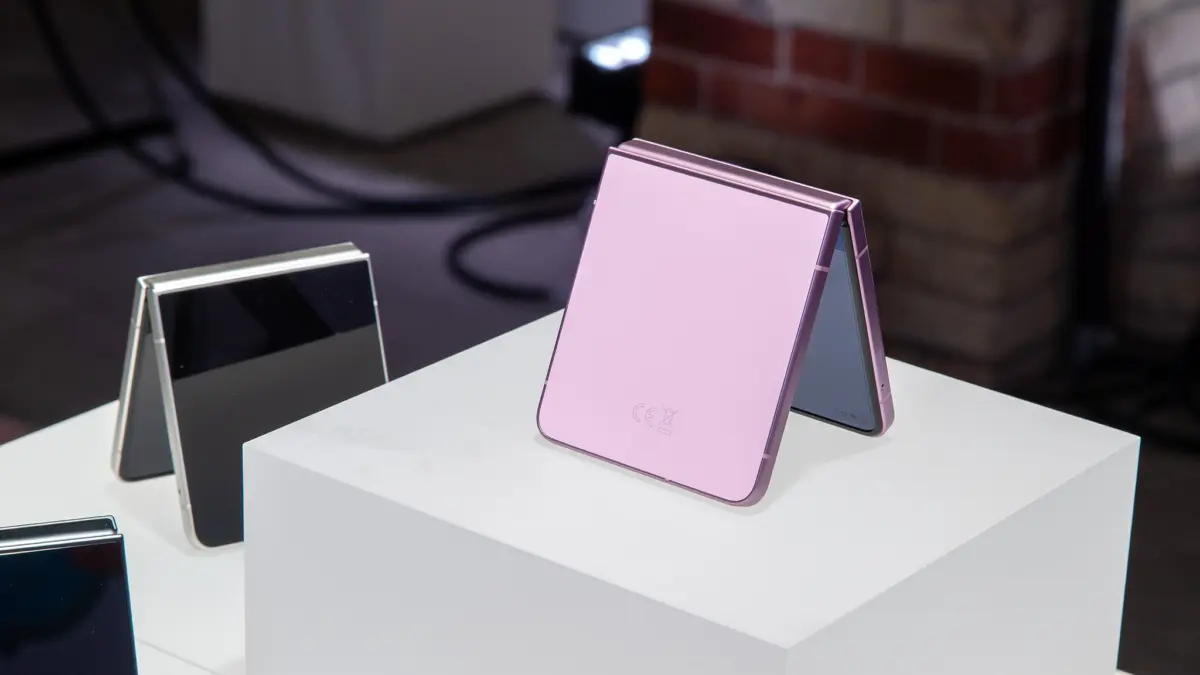
The mobile technology landscape has officially entered its next phase of foldable evolution with the global release of the Samsung Galaxy Z Flip 8. Arriving amidst intense market anticipation, Samsung’s latest clamshell foldable aims to cement the company’s dominance in the rapidly growing flexible-screen sector. However, the launch has also brought a wave of heated debate across consumer and industry circles alike, primarily driven by a noteworthy revision to its retail pricing structure.
The Galaxy Z Flip 8 launches with a base price of $1,199.99 / €1,299.00 / £1,149.00 for the baseline 256GB storage configuration. This represents a $100 price increase over its predecessor, the Galaxy Z Flip 7. While this cost adjustment may give some prospective buyers pause, industry analysts point to systemic macroeconomic pressures—specifically the ongoing global RAM and component shortages—as the inevitable catalyst for rising manufacturing costs.
Despite the steeper entry point, the device introduces critical performance refinements, most notably the integration of the cutting-edge Snapdragon 8 Elite Gen 5 processor, marginal weight optimizations, and refined software ecosystems. For consumers looking to bypass the sting of the price hike, dedicated deals hunters are already scouring telecom carriers and electronics retailers for trade-in promotions, bundle offers, and activation credits.
This comprehensive report examines the launch of the Samsung Galaxy Z Flip 8, breaking down its pricing realities, hardware specs, generational comparisons, and the broader economic context shaping the foldable phone market in 2026.
Detailed Chronology: The Road to the Galaxy Z Flip 8
The journey toward the commercial release of the Galaxy Z Flip 8 has been defined by months of industry leaks, supply chain speculation, and strategic product positioning by Samsung Electronics.
Early Development and Supply Chain Rumors (Late 2025)
As early as the final quarter of 2025, supply chain analysts began noting tighter procurement cycles for high-density DRAM and advanced system-on-chip (SoC) architectures. Reports from manufacturing hubs in East Asia indicated that Samsung was grappling with rising silicon wafer costs and increased competition for next-generation 3nm and advanced node manufacturing capacities. During this period, insider leaks suggested that Samsung was debating whether to absorb these escalating production overheads or pass a portion of the financial burden directly to the consumer base.
The Pre-Order Window and Initial Revelations
When Samsung officially pulled the curtain back on the Galaxy Z Flip 8, initial pre-order promotions managed to mask the underlying price increase by offering generous double-storage tiers, enhanced trade-in values, and bundled accessories like the Galaxy Watch or Galaxy Buds. Early adopters who jumped on the hardware during the pre-order phase were able to secure the device without fully feeling the impact of the baseline $1,199.99 price point.
The Official Retail Rollout
Following the conclusion of the pre-order window, the Galaxy Z Flip 8 officially hit store shelves globally. With promotional incentives scaling back to standard retail offerings, tech journalists and consumer advocates began heavily scrutinizing the $100 price bump. Retail trackers and deal-hunting experts immediately mobilized to curate ongoing discount guides, helping consumers navigate carrier installment plans and trade-in programs to mitigate the device’s elevated cost.
Supporting Context & Metrics: Specs, Pricing, and the Global RAM Crisis
To fully understand the positioning of the Galaxy Z Flip 8, one must evaluate the technical specifications side-by-side with its predecessor and examine the macroeconomic forces dictating consumer technology pricing.
Technical Specification Comparison
| Feature / Metric | Samsung Galaxy Z Flip 7 | Samsung Galaxy Z Flip 8 |
|---|---|---|
| Base Price (256GB) | $1,099.99 / €1,199.00 / £1,049.00 | $1,199.99 / €1,299.00 / £1,149.00 |
| Processor | Proprietary Exynos Chipset | Snapdragon 8 Elite Gen 5 |
| RAM | 12GB | 12GB |
| Battery Capacity | 4,300mAh | 4,300mAh |
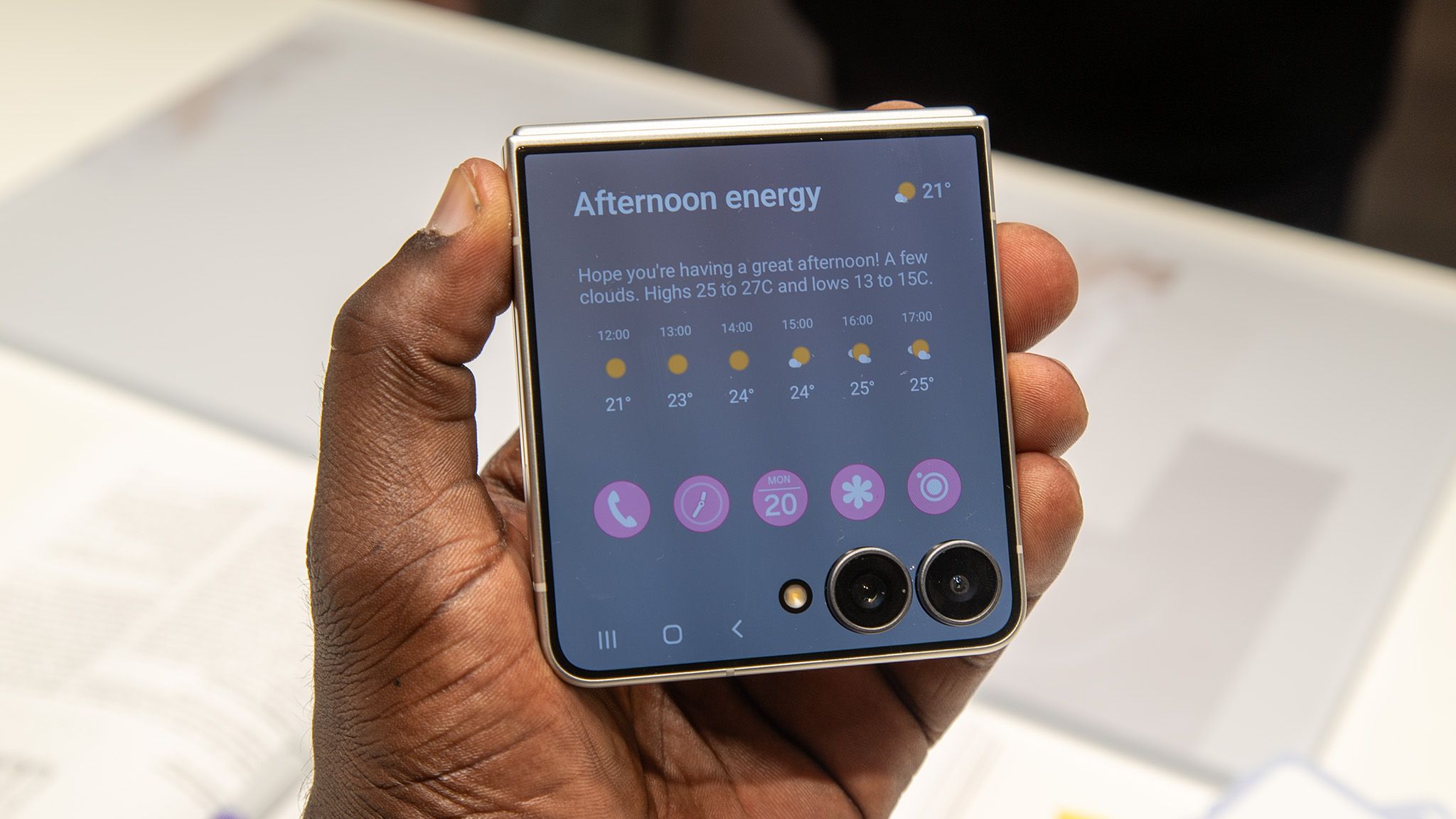
| Weight | Standard Baseline | 8 grams lighter than Z Flip 7 |
| Cover Screen & Main Display | Refined Panel Architecture | Enhanced Durability & Peak Brightness |
The Global RAM Crisis and Component Economics
The $100 price escalation seen in the Galaxy Z Flip 8 is not an isolated incident within the consumer electronics sector. Throughout 2025 and into 2026, the global market has faced a persistent shortage of high-performance RAM and flash storage components. High-demand applications driven by on-device artificial intelligence (AI) processing require unprecedented memory bandwidth, placing a severe strain on global semiconductor foundries.
Because modern foldables require specialized, highly durable flexible OLED panels, sophisticated hinge mechanisms, and dense multi-layered battery systems, their Bill of Materials (BoM) is inherently higher than traditional slab smartphones. Samsung’s decision to increase the retail price reflects these tightening margins, signaling to the market that premium hardware manufacturing can no longer entirely insulate consumers from inflationary component pressures.
Official Statements and Expert Analysis
Industry reactions to the Samsung Galaxy Z Flip 8 have focused heavily on the delicate balance between technological iteration and consumer affordability.
Assessing the Upgrades: Is It Worth It?
Tech analysts and long-term mobile reviewers have debated whether the incremental updates found in the Z Flip 8 justify the added expenditure—particularly for owners of the previous generation.
Patrick Farmer, e-commerce and deals expert, notes:
"The Galaxy Z Flip 8 and last year’s Galaxy Z Flip 7 share a lot of similarities on the design and hardware side, especially at first glance. Both flip phones come with 12GB of RAM and a 4,300mAh battery, and they feature virtually identical camera systems and displays, although the Z Flip 8 does clock in at 8 grams lighter than its predecessor. The Z Flip 8 also uses the Snapdragon 8 Elite Gen 5 processor, which is a bit more powerful than the last generation’s Exynos chip."
Addressing the consumer dilemma of whether to upgrade, Farmer adds:
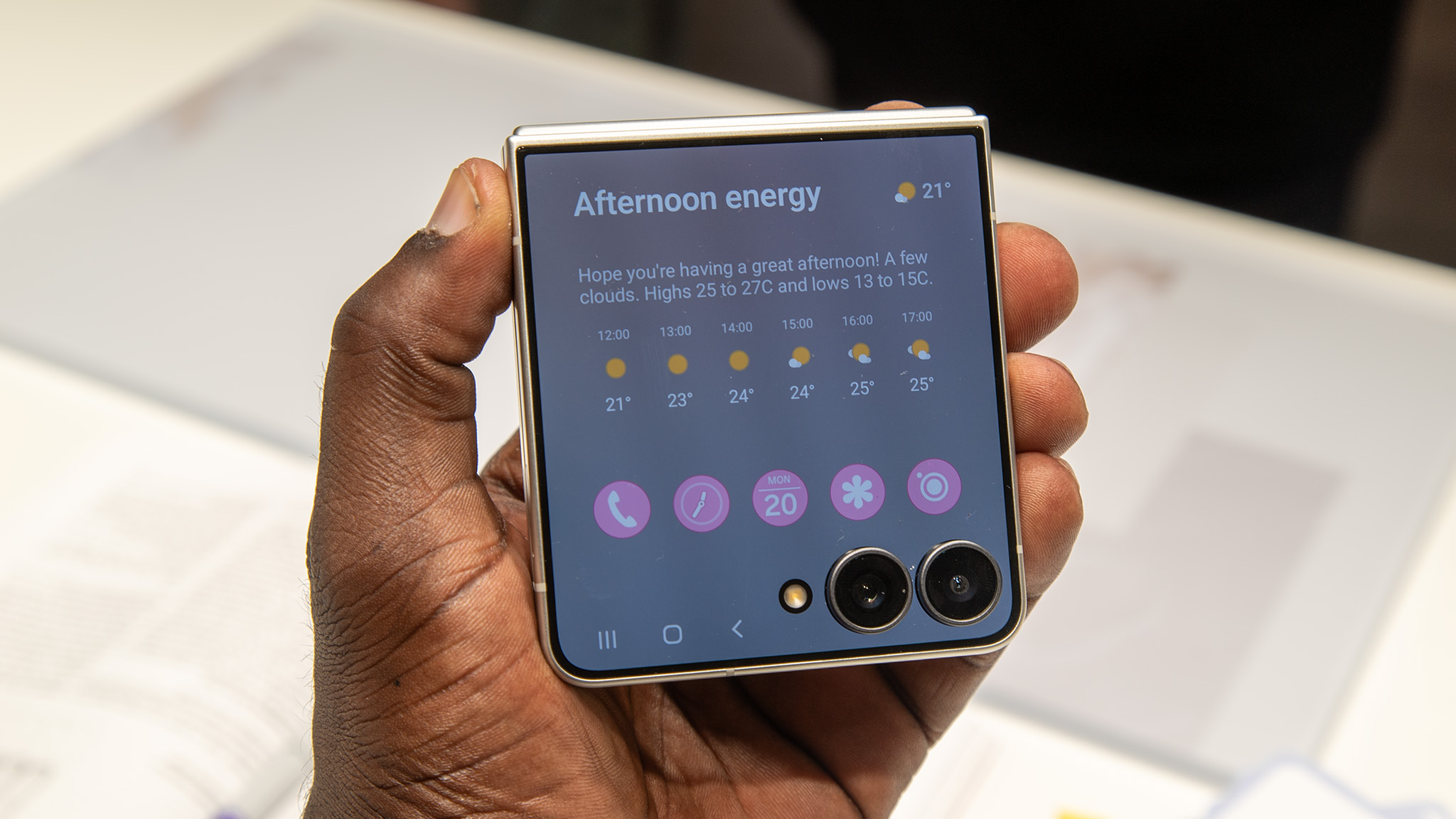
"Do these minor upgrades justify the $100 price increase? It’s a tough call, but if you’re already happy with your Galaxy Z Flip 7, I see no reason to rush to the store to grab the new phone. On the other hand, if you’re a flip phone fanatic, the Z Flip 8 offers one of the best experiences around."
Industry Perspectives on Foldable Market Maturity
Market researchers emphasize that while year-over-year design changes may appear subtle, the engineering required to shave 8 grams off a foldable chassis while upgrading to the power-dense Snapdragon 8 Elite Gen 5 chipset represents significant progress in thermal management and spatial efficiency. Samsung’s strategic focus has shifted away from radical cosmetic overhauls toward structural refinement, software longevity, and deep AI integration—areas where foldable devices require specialized optimization.
Future Outlook: What Lies Ahead for the Foldable Market
As the dust settles on the launch of the Galaxy Z Flip 8, the trajectory of the foldable phone market points toward several key developments over the coming years.
1. Proliferation of Alternative Financing and Trade-In Models
With flagship smartphone pricing firmly entrenched above the four-figure threshold, traditional outright purchases are increasingly giving way to long-term carrier financing, lease-to-own models, and aggressive trade-in incentives. Manufacturers and carriers will likely rely even more heavily on trade-in valuations—often offering up to $500–$800 in credit for older devices—to drive upgrade cycles and mitigate sticker shock for consumers.
2. The Quest for Component Cost Stabilization
The long-term success of the clamshell foldable category depends heavily on the stabilization of the global semiconductor supply chain. If RAM and storage component costs level out, future iterations—such as a prospective Galaxy Z Flip 9—may see price stabilization or even aggressive discounting as manufacturing yields improve and competition within the foldable segment intensifies from rival brands entering the global market.
3. Software and AI as the Primary Differentiators
As hardware specifications across competing flip phones standardize around similar battery capacities, RAM allotments, and processor classes, the battleground for consumer loyalty will increasingly shift to software ecosystems. Deeply integrated on-device artificial intelligence, advanced cover screen functionality, multi-app split-screen efficiency, and extended software support windows will define whether consumers find long-term value in paying a premium for foldable form factors.
Conclusion
The Samsung Galaxy Z Flip 8 stands as a masterclass in refined engineering, offering one of the most polished clamshell foldable experiences currently available on the market. While the $1199.99 starting price and the $100 generational price hike underscore the harsh economic realities of the ongoing global RAM and component crisis, the inclusion of the Snapdragon 8 Elite Gen 5 processor and subtle ergonomic improvements ensure the device remains a top-tier contender. For current Z Flip 7 owners, exercising patience or sticking with existing hardware remains a viable option; however, for newcomers and die-hard foldable enthusiasts willing to leverage active trade-in deals and promotional discounts, the Galaxy Z Flip 8 delivers a compelling glimpse into the future of mobile technology.