Executive Overview: A New Frontier in Personal Displays
For years, the promise of Augmented Reality (AR) felt like a futuristic dream tethered to bulky headsets and tethered cables. However, the current landscape of wearable technology has shifted toward a more practical, mobile-first philosophy. Leading this charge is Xreal, a company that has successfully bridged the gap between enthusiast-grade hardware and consumer-friendly accessibility.
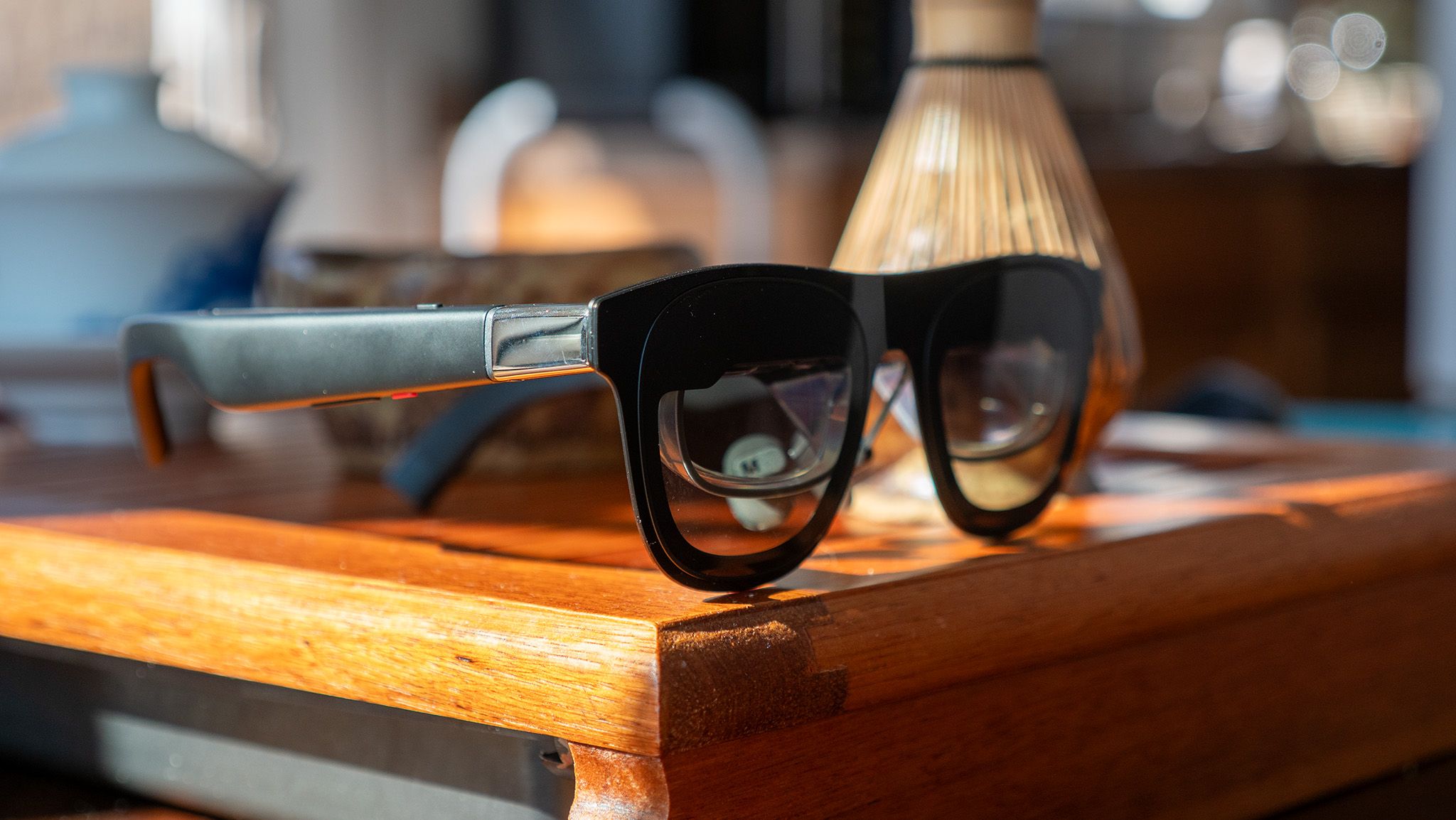
As part of the ongoing Amazon Prime Big Deal Days, the Xreal One Pro has seen a significant price reduction, dropping to $549. This discount is not merely a seasonal promotion; it represents a strategic entry point for users who have been waiting for the right moment to experience high-fidelity virtual screens without the prohibitive cost of flagship, experimental hardware. While the industry buzzes with the anticipation of Xreal’s upcoming Project Aura—a high-end, standalone XR device—the One Pro remains the most grounded, versatile, and immediate solution for those who want a theater-sized screen in their backpack today.
Detailed Chronology: From Concept to Consumer Discount
The evolution of Xreal’s hardware has been a masterclass in iterative design. Following the successful reception of their earlier models, the Xreal One Pro was engineered to solve the most persistent pain points of early AR adopters: display brightness, visual fidelity, and physical comfort.
The Trajectory of Xreal Hardware
- The Foundation: Xreal’s journey began with the goal of replacing the monitor. By leveraging Sony’s micro-OLED technology, the company moved away from the dim, low-contrast LCD displays that plagued early smart glasses.
- The Refinement: With the launch of the One Pro, Xreal integrated their custom X1 spatial computing chip. This was a pivotal moment in the timeline, as it allowed for 3DoF (three degrees of freedom) tracking with a 3ms ultra-low latency, effectively eliminating the motion sickness often associated with early wearable displays.
- The Current Market Context: As of October 2024, the tech industry is bracing for a new wave of "Project Aura" devices, which promise integrated AI and standalone Android XR capabilities. However, with those upcoming units commanding a premium price point—recently confirmed to be around $1,279—the current discount on the One Pro highlights a bifurcation in the market: the "Prosumer" standalone device versus the "Essential" tethered powerhouse.
Supporting Context & Metrics: Under the Hood
To understand why the Xreal One Pro remains a compelling purchase at the $549 price point, one must look beyond the marketing and into the raw specifications that define the user experience.
The Display Engine
The core of the One Pro is its micro-OLED display, which simulates a staggering 171-inch screen from a viewing distance of four meters. This is not just a spec-sheet boast; the pixel density and contrast ratios provided by Sony’s technology allow for text clarity that is genuinely usable for productivity tasks, such as coding or drafting documents while in transit.
Performance and Connectivity
- The X1 Spatial Chip: This custom silicon is the brain of the operation. By offloading the spatial tracking to a dedicated chip, the glasses ensure that the virtual screen remains locked in space, even as the user moves their head.
- 3ms Latency: In the world of XR, latency is the enemy. A 3ms response time is virtually imperceptible to the human eye, ensuring that gaming on a Steam Deck or ROG Ally feels as responsive as playing on a native monitor.
- Versatility: Connectivity is where the One Pro outshines many of its competitors. Because it relies on standard USB-C video output (DisplayPort Alt Mode), it is effectively "plug-and-play" with an expansive list of hardware:
- Handhelds: Steam Deck, ROG Ally, Lenovo Legion Go.
- Computing: Apple MacBooks, Windows laptops.
- Mobile: Modern Android devices and iPhone 15/16 series.
Audio and Ergonomics
One often overlooked aspect of the One Pro is the audio solution. Integrated "Sound by Bose" technology provides spatial audio that is surprisingly robust. For a traveler, this removes the need to carry separate earbuds, simplifying the mobile setup. Furthermore, the 700-nit brightness rating ensures that the display remains visible even in brighter ambient lighting, such as a well-lit office or a train cabin.
Official Statements and Industry Positioning
While Xreal has remained tight-lipped regarding the exact release date for their Project Aura glasses, their positioning of the One Pro during major retail events suggests a clear strategy: capture the mass market with the One Pro while building anticipation for the premium Aura line.
Industry analysts note that the current discount is an indicator of the maturity of the AR peripheral market. "By offering a high-performance, tethered display experience, Xreal is catering to the ‘digital nomad’ demographic," says one tech consultant. "They are betting that users aren’t quite ready for the weight and battery constraints of fully standalone XR glasses, preferring instead to leverage the massive processing power of the devices they already own—their laptops and handheld consoles."
Future Outlook: Is the One Pro Future-Proof?
Purchasing a piece of hardware in the rapidly evolving AR space often invites concerns about obsolescence. However, the One Pro occupies a "safe" niche. Because it is a display-first device, it is essentially platform-agnostic. As long as smartphones and laptops continue to output video via USB-C, the One Pro will function.
Who Should Invest Now?
The Xreal One Pro is highly recommended if:
- You are a frequent traveler: The ability to convert a cramped airplane seat into a private cinema is a significant quality-of-life upgrade.
- You are a handheld gamer: Playing titles on a Steam Deck at a "171-inch" scale offers an immersive experience that a 7-inch handheld screen simply cannot replicate.
- You require privacy: For workers dealing with sensitive data in public spaces, a virtual display that only the user can see is a powerful privacy tool.
When to Wait
Conversely, you should skip this deal if:
- You demand total freedom: If you want a device that operates without any cables, you will likely prefer waiting for the release of the upcoming Project Aura or similar standalone Android XR units.
- You lack compatible hardware: If your primary computing devices rely on older ports without DisplayPort Alt Mode support, the glasses will not function without significant, often cumbersome, external adapters.
Final Verdict
The Xreal One Pro at $549 is a calculated entry into the world of AR. It avoids the pitfalls of trying to be a "computer-on-your-face," choosing instead to be the best possible screen for the devices you already own. As we look toward the 2025 landscape of AR, where standalone units will push the boundaries of what is possible, the One Pro stands as a refined, reliable, and highly capable workhorse. For those who prioritize utility, portability, and visual fidelity over the experimental nature of next-gen standalone hardware, this Prime Big Deal Days offer is one of the most practical tech investments currently available.