Executive Overview
Despite Apple officially retiring the iPod lineup in 2022, the iconic pocket-sized music player refuses to fade into technological obscurity. Fueled by a wave of Gen-Z nostalgia, retro-tech appreciation, and a thriving online hobbyist community, the classic iPod is experiencing a remarkable cultural renaissance. While enthusiasts have spent years modifying older units by swapping out aging mechanical hard drives for swift flash memory and upgrading tired batteries, these modifications largely preserved the limitations of 2000s-era software and hardware architecture.
Enter the Sprout Pi Mainboard—an ambitious, crowdsourced hardware project developed by a London-based design studio that aims to fundamentally rewrite what an older iPod can do. Rather than merely offering incremental storage or battery upgrades, the Sprout project replaces the entire logic board inside select legacy iPod models. By retaining the beloved exterior shell, iconic mechanical click wheel, and original display, the Sprout mod injects a suite of 2026-era technologies into a classic chassis.
If successful, the project promises to bridge a twenty-year technological chasm, outfitting vintage music players with Bluetooth connectivity, Wi-Fi capabilities, USB-C charging, high-fidelity digital-to-analog converters (DACs) for lossless audio, and—most astonishingly—native integration with modern music streaming services like Spotify and Apple Music. Yet, as the project prepares for its official Crowd Supply campaign, significant questions linger regarding compatibility, software stability, development timelines, and ultimate consumer accessibility. This in-depth report explores the engineering marvel of the Sprout mod, the historical context of the iPod’s enduring legacy, and what this radical transformation means for the retro-tech community.
Detailed Chronology: From Apple’s Vaults to Modern Hardware Engineering
The Rise, Fall, and Cultural Persistence of the iPod
When Steve Jobs first pulled the original 5GB iPod from his pocket in October 2001, he famously promised consumers "1,000 songs in your pocket." Over the next two decades, the device underwent numerous iterations—spanning the classic, mini, nano, shuffle, and touch families—before fundamentally altering the global music industry and establishing Apple as a titan of consumer electronics.
By the late 2010s, smartphones equipped with expansive internal storage and ubiquitous cellular data had cannibalized dedicated music players. Apple steadily wound down the hardware family, culminating in the discontinuation of the iPod touch in May 2022.
Ironically, the formal end of the iPod era catalyzed its transformation into a revered retro collectible. As users grew fatigued by the constant notifications and digital clutter of modern smartphones, a counter-movement emerged. Gen-Z and millennial consumers increasingly embraced "dumb devices" for intentional, distraction-free listening. Communities dedicated to restoring, cleaning, and modifying vintage iPods flourished on Reddit, TikTok, and specialized enthusiast forums. Though Apple marked the iPod’s unofficial 25th anniversary in October 2026 with a clever hidden interactive virtual iPod on the Apple Music 404 error page, the company left the heavy lifting of preservation and evolution to third-party engineers.
The Evolution of iPod Modifications
For years, breathing new life into an old iPod was a constrained art form. The standard modification playbook typically involved two primary upgrades:
- Flash Storage Integration: Replacing the fragile, power-hungry mechanical Toshiba or Hitachi hard drives with solid-state flash memory (using SD or CompactFlash cards via adapters like iFlash). This dramatically reduced power consumption, accelerated boot times, and expanded storage capacities from 30GB to upwards of 512GB or even 1TB.
- Battery Replacements: Swapping out degraded lithium-ion cells for high-capacity modern alternatives.
While these mods successfully addressed hardware degradation, they left the core computing architecture untouched. Users were still bound by the factory-installed software, requiring tethered syncs via desktop software (such as iTunes or specialized open-source alternatives like Rockbox). Furthermore, traditional mods retained legacy 30-pin dock connectors and lacked the wireless hardware required to output audio to modern Bluetooth accessories like Apple AirPods.
The Genesis of the Sprout Pi Mainboard
Recognizing the limitations of storage-only mods, a London-based engineering and design studio set out to fundamentally reimagine the device’s internal nervous system. The result is the Sprout Pi Mainboard, a custom-engineered drop-in logic board designed to replace the stock motherboard of legacy iPods.
The project went viral after the release of an introductory YouTube video that rapidly surpassed one million views, catching the attention of tech enthusiasts worldwide. By proposing a ground-up redesign of the iPod’s internal architecture, the Sprout project shifted the hobbyist landscape from simple maintenance to aggressive technological modernization.
Technical Architecture: What Makes the Sprout Mod Revolutionary?
The architectural philosophy behind the Sprout board centers on an intentional dichotomy: preserve the tactile, nostalgic exterior while transforming the digital capabilities under the hood.
Retaining the Classic Aesthetic
One of the primary concerns among purists is the potential loss of the iPod’s physical identity. The Sprout architecture solves this by aligning precisely with the mechanical mounting points of supported legacy chassis. Users retain their original faceplates, rear aluminum or steel housings, screens, and—most importantly—the mechanical click wheel. To the naked eye, a Sprout-modified iPod is indistinguishable from its vintage ancestor, preserving the tactile satisfaction of physical scrolling and clicking.
Modern Connectivity and Audio Processing
Beneath the classic facade lies a thoroughly modernized computing stack. The Sprout board introduces several critical upgrades:
- Bluetooth and Wi-Fi: Unlike stock legacy iPods, which required cumbersome third-party 30-pin Bluetooth dongles that drained the battery and ruined the device’s sleek profile, the Sprout board integrates native wireless chips. This allows users to pair modern wireless headphones, earbuds, and home audio systems directly.
- Hi-Fi DAC (Digital-to-Analog Converter): Audio purists demand pristine sound quality. The Sprout board features a high-fidelity DAC capable of driving lossless audio formats, ensuring that high-resolution FLAC and ALAC files sound exceptional, whether played through wired headphones or high-end wireless gear.
- USB-C Charging and Data Transfer: The antiquated, proprietary 30-pin Apple dock connector is abandoned in favor of a modern USB-C port. This simplifies charging and file management, aligning the device with contemporary global hardware standards and European Union charging regulations.
- MicroSD Expansion: The board includes a dedicated microSD card slot capable of handling up to 2TB of localized music storage. This eliminates the need to carry physical mechanical drives while offering vastly more storage than Apple ever shipped in a classic iPod.
Streaming Integration: A First for Non-Touch iPods
Perhaps the most ambitious claim of the Sprout project is its promise of native music streaming integration. Historically, streaming platforms like Spotify and Apple Music have been restricted to internet-connected devices running modern operating systems—primarily smartphones, tablets, and the late-era iPod touch.
Standard non-touch iPods with click wheels possess neither the operating system overhead nor the Wi-Fi hardware to interface with cloud-based streaming application programming interfaces (APIs). The Sprout board addresses this by running a custom, lightweight operating system that mimics the classic, minimalist interface of the original iPod software while leveraging onboard Wi-Fi to authenticate and stream content from Spotify and Apple Music. If successfully commercialized, this feature would allow users to access millions of tracks directly from a mechanical click-wheel interface—a Holy Grail for retro-tech enthusiasts.
Compatibility, Limitations, and Practical Hurdles
Despite the immense excitement surrounding the Sprout project, industry analysts and experienced hardware modders advise a healthy dose of caution. Several notable technical, logistical, and financial hurdles remain.
Strict Hardware Compatibility
The Sprout board is not a universal drop-in replacement for every iPod Apple ever manufactured. Current engineering efforts are strictly targeted at a narrow band of legacy hardware:
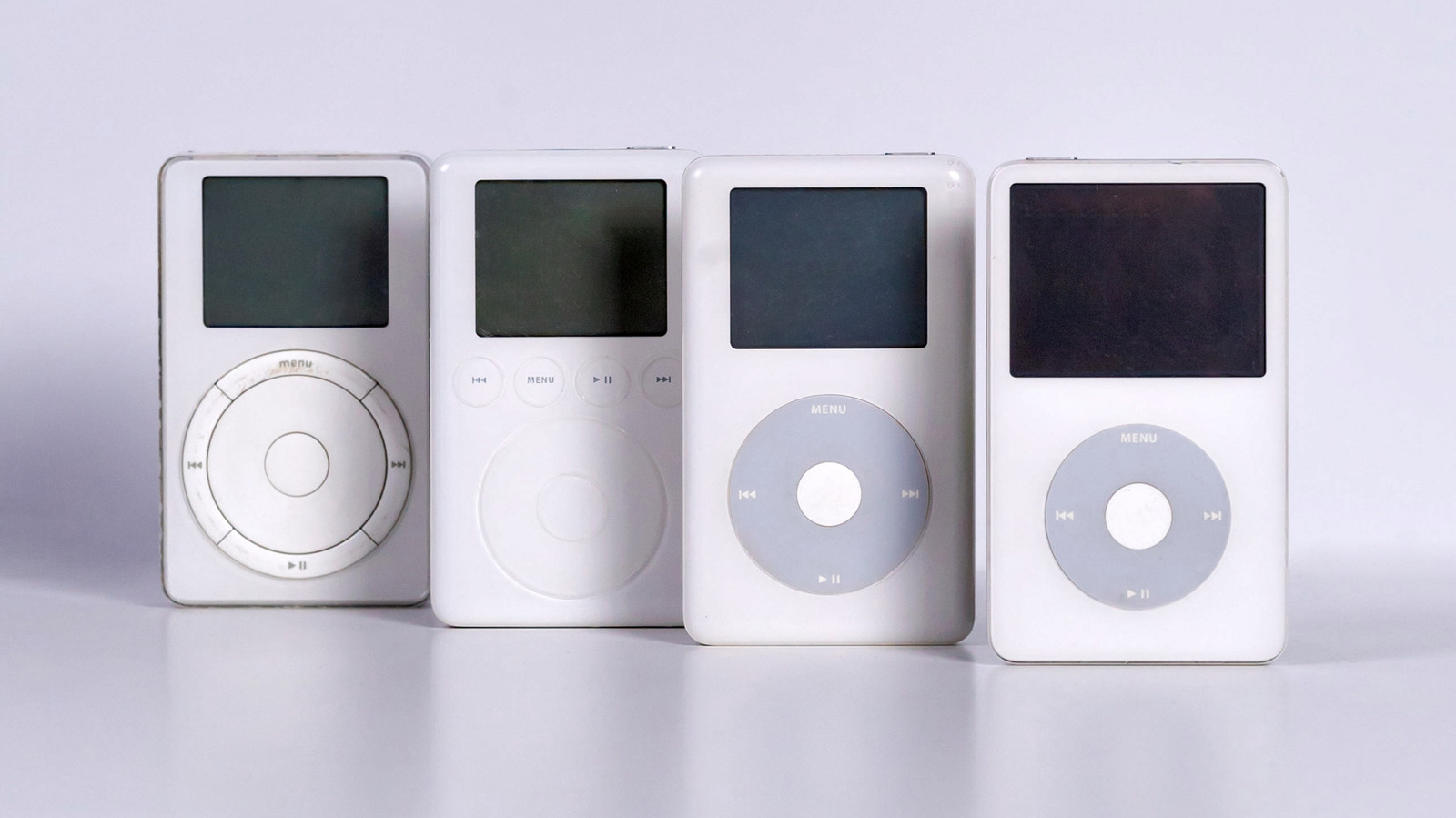
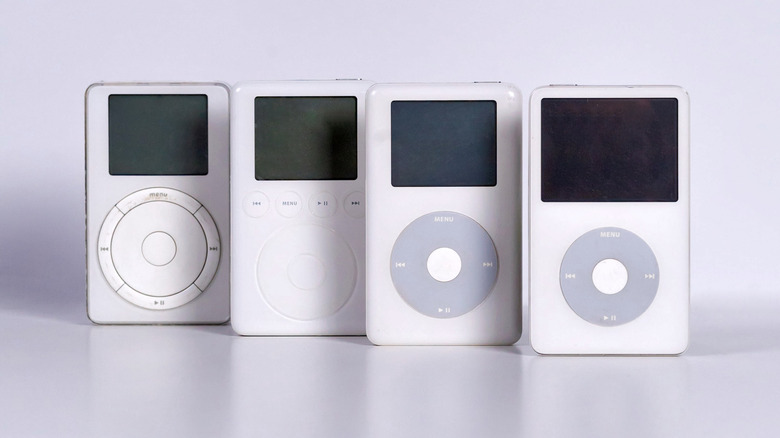
- Supported Models: The 1st and 2nd-generation iPod mini, alongside the 3rd and 4th-generation iPod classic models.
- Excluded Models: Later iterations of the iPod classic (such as the 5th, 6th, and 7th generations with color screens and video playback), the entire iPod nano lineup, and early-generation monochrome iPods outside the targeted specs are currently incompatible.
Tiered Board Configurations and Development Status
The project developers have indicated that two distinct versions of the Sprout logic board will be offered:
- Local Playback Variant: Focused strictly on offline audio files stored locally on the microSD card, omitting Wi-Fi capabilities to reduce power consumption and hardware complexity.
- Connected Variant: Fully equipped with Wi-Fi to support cloud streaming apps and AirPlay protocols.
Crucially, the project’s creators have openly admitted that several advanced features—particularly seamless, stable streaming app integration—are still actively under development. Hardware crowdsourcing campaigns frequently face engineering bottlenecks, driver optimization challenges, and API changes implemented by third-party services like Spotify. Purchasing a hardware modification based on projected firmware updates carries inherent risks.
The Economic Equation
Embarking on a Sprout modification is not a plug-and-play consumer purchase; it requires a multi-step investment:
- The Donor Device: Users must supply their own compatible iPod. Because demand for working or restorable 3rd and 4th-generation iPods and iPod minis has surged alongside the project’s publicity, secondary market prices on platforms like eBay have risen noticeably.
- Crowdsupply Campaign Dynamics: At the time of reporting, the official Crowd Supply campaign has not yet launched. Pricing tiers, exact delivery timelines, and international shipping logistics remain undisclosed.
- DIY Installation Skillset: Swapping a logic board requires delicate micro-soldering, precision tool handling, and patience. While some enthusiasts enjoy the hands-on nature of the project, casual consumers lacking technical repair experience may struggle with the installation process.
Historical Context: Why Earlier iPods Fell Short of Modern Streaming
To fully appreciate the engineering leap attempted by the Sprout project, it is worth examining how previous Apple hardware handled wireless connectivity before the iPod line was retired.
Apple occasionally flirted with wireless technology in its later portable media players, but structural software limitations always hindered their long-term viability:
- The iPod touch Series: The original iPod touch (released in 2007) featured Wi-Fi connectivity, while subsequent generations added Bluetooth. However, these devices operated on stripped-down iterations of iOS. Because Apple eventually dropped software support, older iPod touch models (including the final 7th-generation model, capped at iOS 15 before the line’s 2022 termination) can no longer download contemporary versions of Spotify, Apple Music, or podcast applications. Their software environments are effectively fossilized.
- The iPod nano (7th Generation): Released in 2012, the final iPod nano featured Bluetooth support, but its closed, non-expandable operating system never supported Wi-Fi, app installation, or streaming services. It remained strictly tethered to locally synced files.
Consequently, vintage hardware has historically faced a hard software expiration date. Projects like Sprout represent a paradigm shift: bypassing official software obsolescence entirely through open-source hardware replacement.
Future Outlook: The Intersection of Nostalgia and Modern Tech
The viral success of the Sprout Pi Mainboard highlights a profound cultural shift in how consumers view technology. In an era dominated by planned obsolescence, hyper-frequent smartphone upgrades, and closed digital ecosystems, consumers are increasingly drawn to durable, repairable, and aesthetically distinct hardware from simpler technological eras.
Whether the Sprout project successfully delivers on its ambitious promises of seamless Spotify integration, robust Wi-Fi streaming, and high-fidelity lossless audio over Bluetooth will depend heavily on the execution of its upcoming Crowd Supply campaign and subsequent firmware development cycles. Even if the streaming features encounter delays, the foundational engineering—bringing USB-C, microSD storage, and modern DACs to a 20-year-old chassis—represents a masterclass in retro-fitting and hardware preservation.
For die-hard fans of the click wheel, the message is clear: the iPod is no longer merely a museum piece. Through community ingenuity and modern engineering, yesterday’s music player is poised to step back into the future.